The 2026 Gift Guide: Choosing the Perfect G Silver Pearl Necklace
Discover our 2026 gift guide for finding the ideal g silver pearl necklace. Learn about pearl grades, silver hallmarks, and occasion matching.

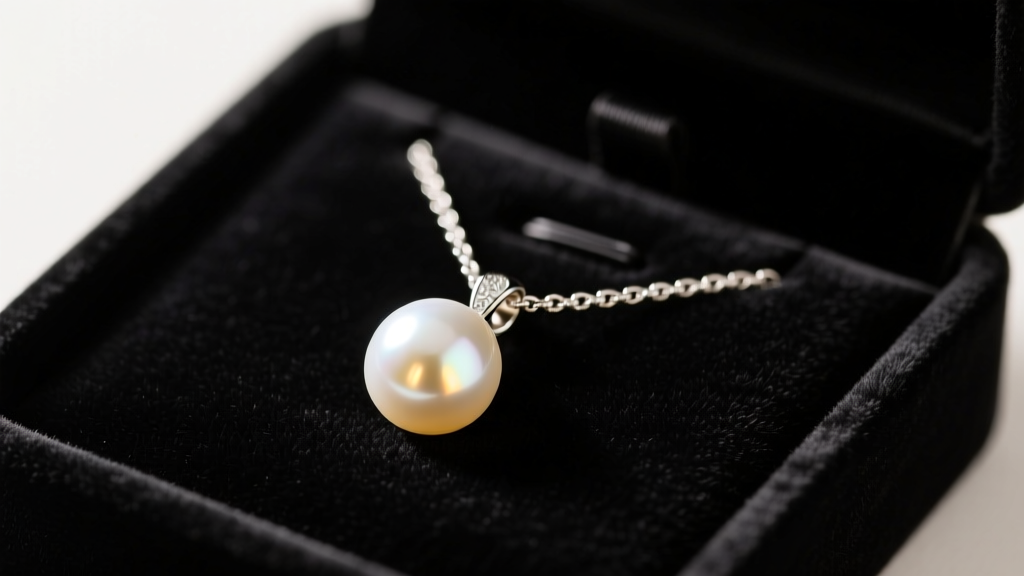
Why a G Silver Pearl Necklace is the Ultimate 2026 Gift
Gifting fine jewelry requires a delicate balance of timeless elegance and modern sensibility. As we navigate the 2026 gifting season, the demand for versatile, high-quality pieces that transition seamlessly from boardroom to banquet has never been higher. When discerning shoppers search for a g silver pearl necklace, they are typically looking for a specific hallmark of quality: guaranteed sterling silver (often stamped 925) paired with the organic, unmatched luster of a genuine pearl. Unlike heavy gold chains that can feel ostentatious or cheap fashion jewelry that tarnishes within weeks, a well-crafted sterling silver and pearl pendant offers a sophisticated middle ground. It is an investment in understated luxury, making it the perfect present for graduations, milestone anniversaries, and significant career achievements.
Decoding the 'G Silver' Standard and Metal Purity
In the global jewelry market, the term 'g silver' is frequently utilized by wholesalers and international buyers as shorthand for 'guaranteed sterling silver.' According to the Federal Trade Commission Jewelry Guides, any piece marketed as sterling silver must contain at least 92.5% pure silver, with the remaining 7.5% usually composed of copper for structural integrity. However, copper is highly reactive and prone to oxidation. To combat this, premium 2026 collections utilize a flash-plating of rhodium over the sterling silver base.
When selecting your gift, check the product specifications for rhodium plating thickness. A durable rhodium layer should be between 0.1 and 0.3 microns thick. Anything less will wear off within months of daily friction, exposing the copper alloy beneath to sulfur in the air and resulting in rapid silver sulfide tarnish. A properly rhodium-plated g silver pearl necklace will maintain a bright, white-gold-like finish and resist tarnishing for years, even with regular wear.
Pearl Grading: Beyond the Basic White Sphere
The pearl is the focal point of the necklace, and its value is dictated by a strict set of gemological criteria. The Gemological Institute of America (GIA) evaluates pearls based on seven value factors: size, shape, color, luster, surface quality, nacre quality, and matching. For a solitaire pendant, luster and nacre thickness are the most critical metrics.
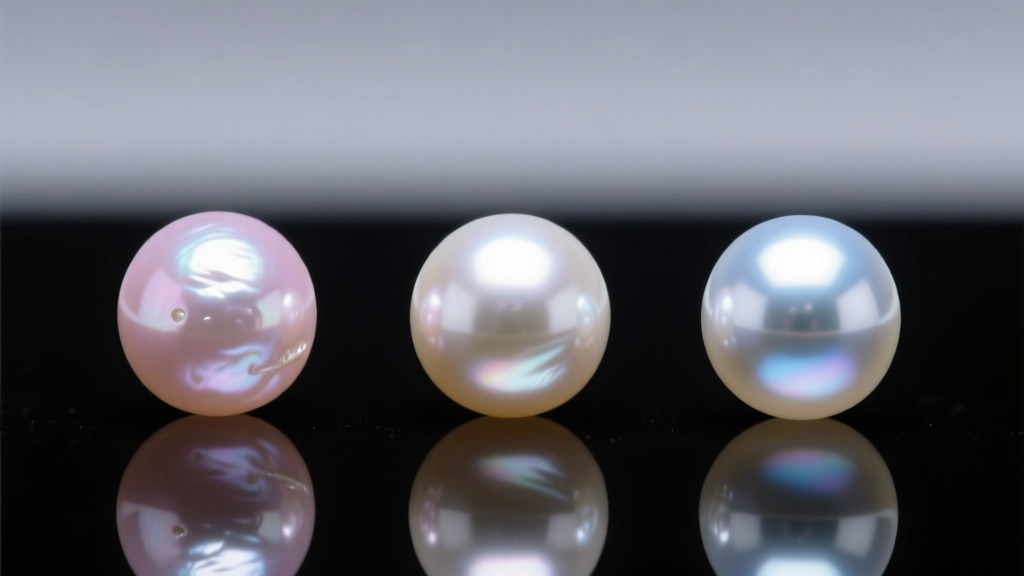
Luster refers to the sharpness of light reflections on the pearl's surface. A high-quality Akoya pearl will reflect a crisp, distinct image, almost like a mirror, whereas a low-grade freshwater pearl will appear chalky or dull. Nacre thickness dictates the pearl's longevity; if the nacre is too thin, it can peel or crack over time, exposing the shell bead nucleus inside.
| Pearl Type | Average Nacre Thickness | Luster Profile | Price Range (8-9mm Solitaire) |
|---|---|---|---|
| Chinese Freshwater | Solid Nacre (No Bead) | Soft, Satin to Medium | $40 - $120 |
| Japanese Akoya | 0.3mm - 0.5mm | Sharp, Mirror-Like | $250 - $600 |
| Hanadama Akoya | 0.4mm+ (Certified) | Extreme, Rosé Overtone | $600 - $1,200 |
| Tahitian Black | 0.8mm - 2.0mm | Deep, Metallic Peacock | $400 - $1,500+ |
Chain Styles and Gauge Sizes: The Hidden Failure Points
A common mistake when gifting a g silver pearl necklace is overlooking the chain. The chain must be robust enough to hold the pendant but delicate enough not to overpower the pearl. The gauge (thickness) of the wire is crucial. A 0.8mm cable chain is highly popular for its delicate aesthetic, but it is notoriously prone to kinking if bent at a sharp angle. Once a fine cable chain kinks, the structural integrity of the links is compromised, leading to inevitable snapping.
For a more durable gift, opt for a 1.0mm to 1.2mm box chain or a 1.5mm rope chain. Box chains feature interlocking square links that lay flat and resist tangling, making them ideal for daily wear. Furthermore, pay close attention to the bail (the loop that connects the pearl to the chain). If the pearl is drilled and mounted directly onto a thick silver post without a protective silicone or metal guard, the friction of the silver against the nacre can slowly enlarge the drill hole, eventually causing the pearl to slip off. Always ensure the setting features a protective cup or capped pin.
Matching the Necklace Length to the Occasion and Neckline
The length of the necklace drastically alters its visual impact and suitability for specific events. When purchasing a gift, consider the recipient's typical wardrobe and the occasion you are celebrating.
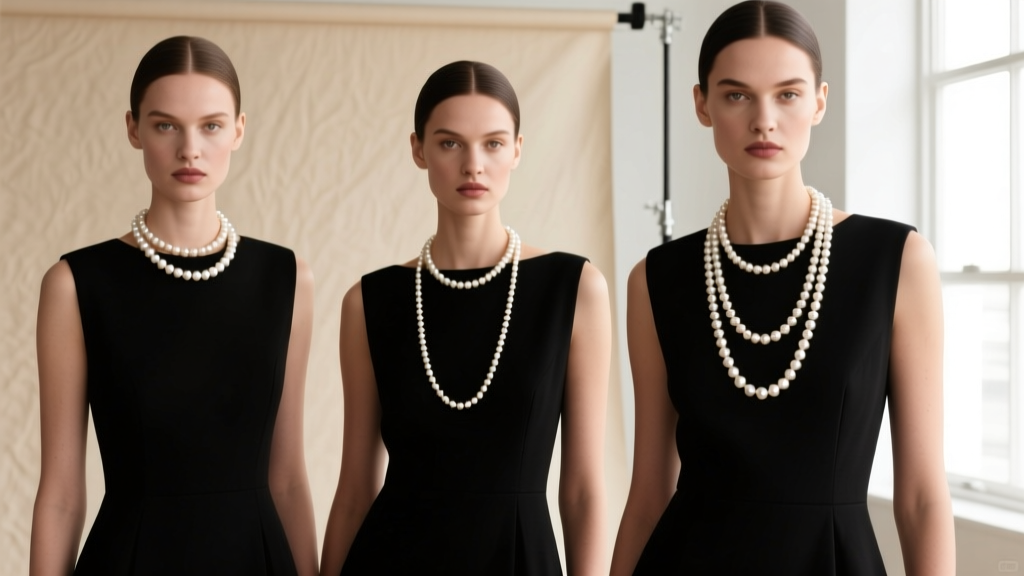
- The 16-Inch Choker: Sits tightly against the base of the neck. This length is highly modern and pairs beautifully with V-neck blouses, off-the-shoulder gowns, or open-collar button-downs. It is an excellent gift for high school or college graduations, offering a youthful yet refined aesthetic.
- The 18-Inch Princess: The most universal and versatile length, resting perfectly on the collarbone. It is the standard choice for bridal jewelry, wedding anniversaries, and Mother's Day. It complements almost any neckline, from crew necks to scoop necks, making it a fail-safe gift when you are unsure of the recipient's exact preferences.
- The 20 to 24-Inch Matinee: Falls just above the bust line. This length exudes maturity and sophistication, making it the ideal choice for milestone birthdays (such as a 40th or 50th) or significant career promotions. It is best paired with high necklines, turtlenecks, or business suits, adding a vertical line that elongates the torso.
Care, Maintenance, and Avoiding Pearl Dehydration
To ensure your gift lasts a lifetime, include a care guide with your presentation. Pearls are organic gemstones composed of conchiolin and calcium carbonate, making them highly susceptible to environmental damage. The most common failure mode for pearl jewelry is dehydration, often caused by storing the necklace in a plastic bag or a bank safety deposit box for extended periods. Plastic emits trace gases that can degrade the nacre, while overly dry environments cause the pearl to craze (develop a network of fine surface cracks).
Advise the recipient to follow the 'last on, first off' rule: pearls should be the last item put on after applying cosmetics, perfumes, and hairsprays, and the first item removed at the end of the day. The necklace should be wiped gently with a damp, lint-free microfiber cloth to remove acidic skin oils and stored in a breathable, anti-tarnish flannel pouch. Never use ultrasonic cleaners or steamers on a g silver pearl necklace, as the high-frequency vibrations will shatter the nacre layers and loosen the epoxy adhesives used in the pearl setting.


