The Necklace Z Guide: Z-Link Chains & Initial Pendants
Discover everything about the necklace z trend. Learn how to choose durable Z-link chains and personalize with Z initial pendants in this beginner guide.

Decoding the 'Necklace Z' Trend for Beginners
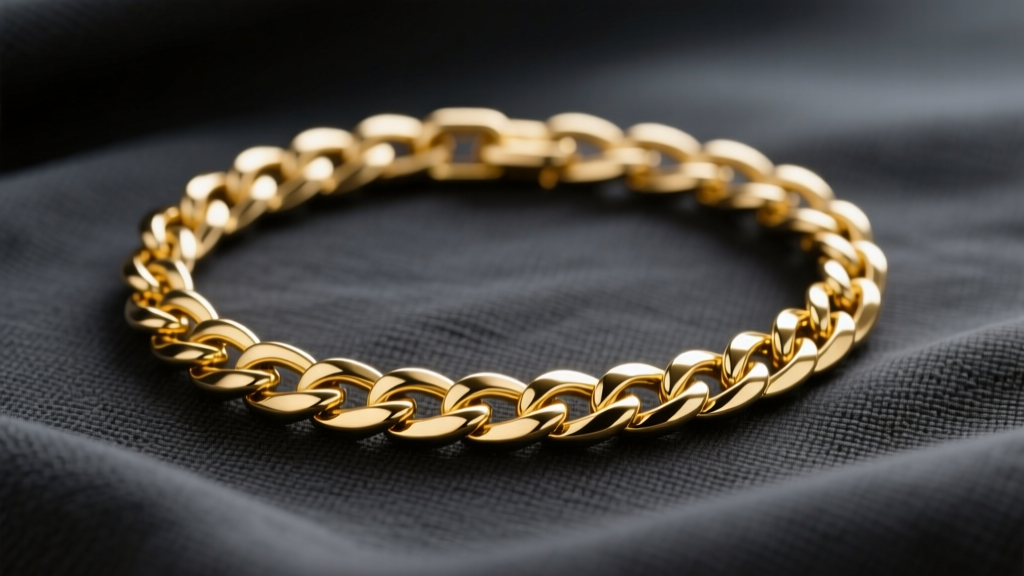
If you have been browsing jewelry forums or searching for personalized gifts in 2026, you have likely encountered the term 'necklace z'. While it might sound like a mysterious industry code, it actually refers to two highly sought-after categories in modern jewelry: the architectural Z-link chain and the classic Z initial pendant. Whether you are looking to invest in a fluid, snake-like chain or personalize your neckline with a monogram, understanding the structural nuances of these pieces is critical for making a smart purchase.
As a beginner, navigating the differences between metal grades, link gauges, and pendant manufacturing methods can be overwhelming. This comprehensive guide breaks down the anatomy, pricing, and care requirements of Z-style necklaces, ensuring you get a piece that is both beautiful and built to last.
Z-Link Chains: Anatomy, Gauge, and Durability
The Z-link chain (often grouped with herringbone or flat snake chains) is celebrated for its fluid drape and high-reflectivity surface. Unlike standard cable chains where individual round links interlock, Z-links are flattened and interwoven in a zigzag pattern, creating a seamless, ribbon-like effect. However, this unique structure requires specific engineering to prevent breakage.
Understanding Gauge and Width
When shopping for a Z-link chain, you will encounter two primary measurements: width and gauge. The width (typically ranging from 2.0mm to 5.0mm) dictates the visual weight of the necklace. The gauge refers to the thickness of the wire used before it is flattened. A high-quality Z-link chain should use at least 18-gauge to 20-gauge wire. Chains made from 22-gauge or thinner wire are highly prone to snapping under the weight of even a lightweight pendant.
Material Grades and Pricing Tiers
Your choice of metal will drastically affect both the longevity and the price of your Z-link chain. Here is what you can expect in the current market:
- 316L Stainless Steel: Priced between $25 and $45. Highly resistant to tarnish and water damage, making it the best entry-level option for daily wear.
- 14k Gold Vermeil: Priced between $80 and $150. Features a thick layer of 14k gold over a sterling silver base. Beautiful, but the Z-link friction points will eventually wear through to the silver if worn 24/7.
- Solid 14k or 18k Gold: Priced from $450 to over $800 depending on weight. The ultimate investment. Solid gold Z-links can be professionally polished and soldered if a link fails.
Z Initial Pendants: Cast vs. Stamped Manufacturing
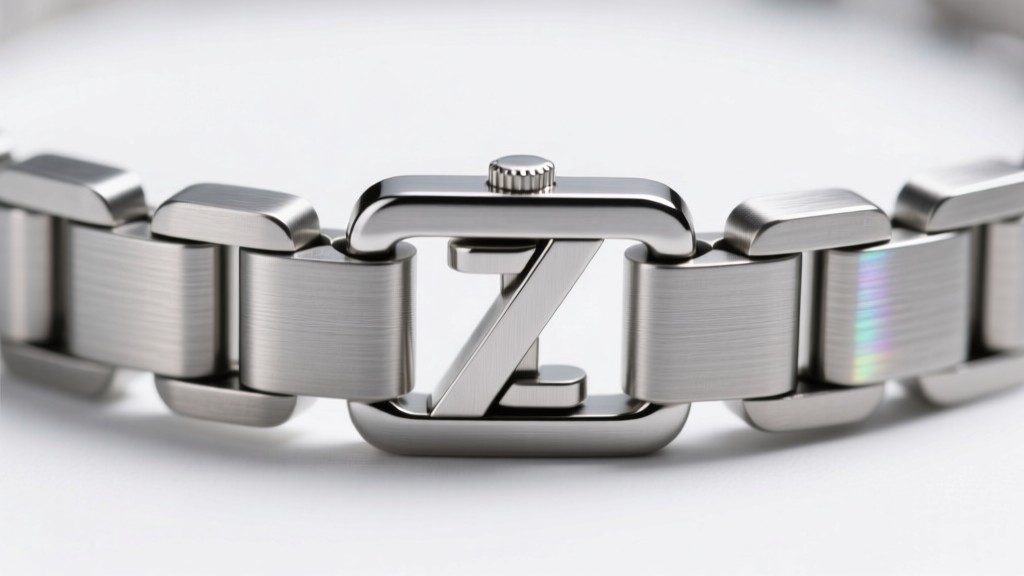
The letter Z is a bold, angular initial that requires precise craftsmanship to look elegant rather than blocky. When selecting a Z initial pendant, the manufacturing method is just as important as the metal itself. Beginners often overlook this, leading to disappointment when a pendant arrives with sharp edges or poor finishing.
Die-Stamped Pendants
Stamped pendants are punched out of flat sheets of metal (usually 20 to 22-gauge thickness) using a heavy die. They are lightweight, affordable ($30–$60), and offer a crisp, modern look. However, cheaper stamped pendants often have sharp, unpolished edges that can catch on silk blouses or scratch the skin. Always look for brands that specify 'tumbled and hand-polished edges' when buying stamped initials.
Cast Pendants
Casting involves pouring molten metal into a 3D mold. Cast Z pendants are thicker, heavier, and feature softly rounded, beveled edges that catch the light beautifully. Because they require mold creation and extensive hand-finishing, cast pendants are more expensive ($120–$300 for solid 14k gold) but offer a premium, heirloom-quality feel. According to the The Spruce Crafts, cast elements generally hold up better to long-term polishing than thin stamped metals.
Comparison Chart: Z-Link vs. Standard Cable Chains
How does the Z-link structure compare to a traditional cable chain when it comes to pairing with initial pendants? Use this quick reference table to decide which base chain suits your lifestyle.
| Feature | Z-Link / Herringbone Chain | Standard Cable Chain |
|---|---|---|
| Drape & Fluidity | Highly fluid, lays flat against the collarbone | Structured, tends to hold a circular shape |
| Light Reflection | Excellent (acts like a continuous mirror) | Moderate (reflects only on individual link curves) |
| Kink Resistance | Low (highly susceptible to permanent kinking) | High (easily untangled and resilient) |
| Pendant Compatibility | Requires large bail; heavy pendants can warp chain | Accommodates most bail sizes and heavy pendants |
| Best Use Case | Worn alone or with very lightweight, small initials | Heavy gemstone pendants and daily rough wear |
Styling and Layering Your Z-Link Necklace
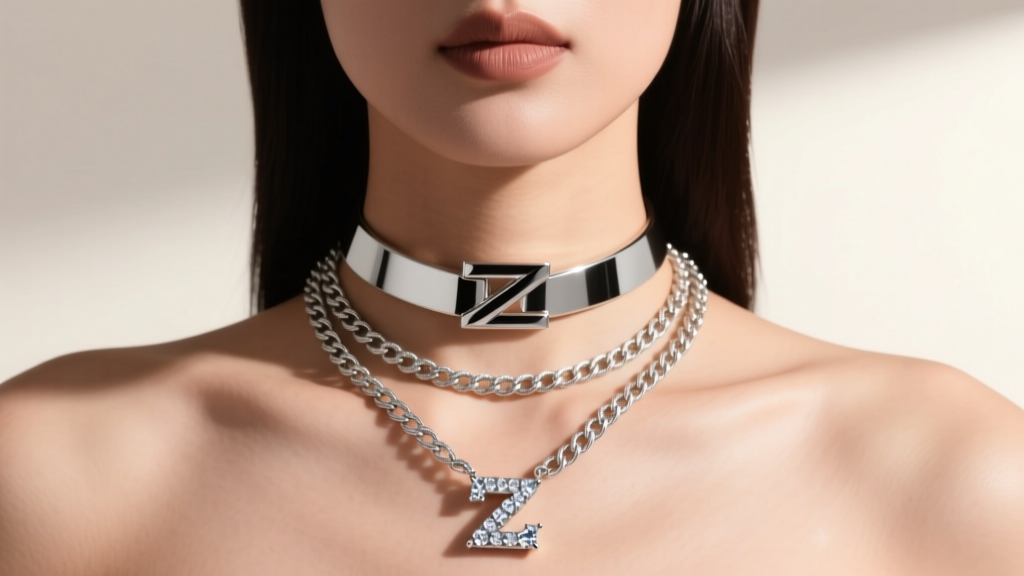
Layering a Z-link chain requires an understanding of proportion and hardware sizing. Because Z-links lay completely flat, they can easily tangle with textured chains if not spaced correctly. For a balanced 2026 stack, pair a 16-inch, 3mm Z-link choker with an 18-inch or 20-inch standard cable or box chain.
The Bail Sizing Rule
The 'bail' is the loop on the back of your Z initial pendant that slides onto the chain. This is where many beginners make a costly mistake. A flat 3mm Z-link chain is wider than a 3mm round chain. Therefore, your pendant's bail must have an inner diameter of at least 4.5mm x 3.5mm. If the bail is too narrow, it will pinch the Z-links, causing friction, metal fatigue, and eventual snapping. Always measure your chain width and ask the jeweler for the bail's inner dimensions before purchasing.
Common Failure Modes and Essential Maintenance
Z-link chains are undeniably gorgeous, but they demand respect. The most common failure mode is kinking. Because the links are engineered to move horizontally, bending the chain backward against its natural plane permanently warps the metal's memory. Once a Z-link chain kinks, it creates a weak point that will eventually snap under tension.
How to Prevent and Treat Kinks
Never sleep in a Z-link necklace, and always store it laid perfectly flat or hanging vertically. If your chain develops a minor kink, do not pull it. Instead, lay the chain on a hard, flat surface and gently massage the kinked area with the smooth back of a metal spoon to coax the links back into alignment. For severe kinks, take it to a professional jeweler who can use specialized mandrels to flatten the links without breaking them.
Cleaning Protocols
The tight crevices of a Z-link chain trap skin oils, lotions, and perfumes, which can dull the metal's shine and degrade vermeil finishes over time. The Jewelers of America recommends cleaning flat chains with a soft baby toothbrush, warm water, and a drop of mild dish soap. Avoid ultrasonic cleaners for Z-link chains, especially if they are gold vermeil or feature tension-set gemstones, as the high-frequency vibrations can loosen settings and exacerbate micro-fractures in the links.
Final Thoughts for the Beginner Buyer
Embracing the 'necklace z' aesthetic is a fantastic way to elevate your jewelry collection with architectural elegance and personalized meaning. By prioritizing the correct wire gauge, understanding the difference between cast and stamped pendants, and committing to proper flat-storage maintenance, your Z-link chains and initial pendants will remain stunning, wearable art for years to come. Start with a durable 316L stainless steel or solid 14k gold piece, respect the bail sizing rules, and enjoy the effortless drape that only a Z-link can provide.


