Ultimate Care Guide for Your Silver and Enamel Manatee Necklace
Discover expert cleaning and maintenance tips for your manatee necklace. Learn to safely polish silver, protect enamel, and prevent ocean-inspired tarnish.

Understanding the Anatomy of Your Manatee Necklace
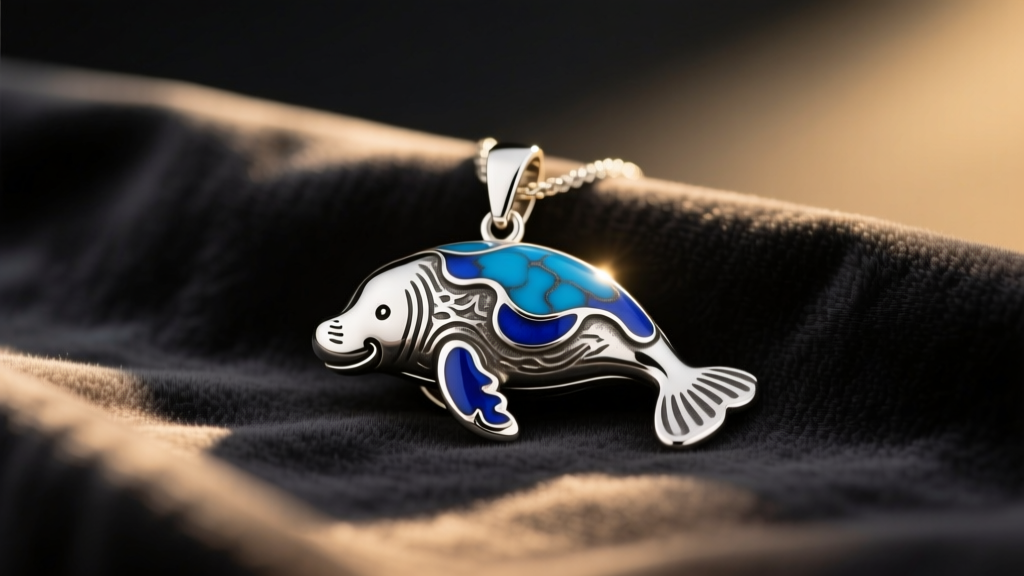
Manatee necklaces are beloved by marine life enthusiasts, ocean conservationists, and jewelry collectors alike. These gentle giants of the sea are typically immortalized in jewelry using a combination of intricate metalwork and vibrant color accents. To properly care for your manatee pendant, you must first understand the specific materials used in its construction. The vast majority of high-quality manatee necklaces are crafted from 925 sterling silver, often featuring either vitreous enamel, cold enamel (epoxy resin), or semi-precious stone inlays like larimar or sea glass to mimic the ocean environment.
Sterling silver is an alloy consisting of 92.5% pure silver and 7.5% copper. This copper addition is what gives the metal its necessary durability, but it is also the culprit behind tarnishing. The detailed wrinkles, flippers, and facial features of a manatee pendant are usually highlighted through a process called oxidation, where a dark layer of silver sulfide is intentionally applied to the recessed areas to create contrast and depth. Understanding the delicate balance between the high-polish silver, the dark oxidized crevices, and the fragile enamel or resin accents is the first step in establishing a lifelong maintenance routine.
Vitreous Enamel vs. Cold Enamel Resin
Not all blue ocean backgrounds on manatee pendants are created equal. Vitreous enamel is essentially powdered glass fused to metal at extremely high temperatures (around 1400°F). It is highly durable, scratch-resistant, and impervious to most chemicals. Cold enamel, on the other hand, is a two-part epoxy resin. While it offers vibrant, translucent colors, it is much softer (around a 2-3 on the Mohs hardness scale) and can be easily damaged by harsh chemicals, extreme heat, or prolonged exposure to UV light, which can cause it to yellow over time. Identifying which material your necklace features will dictate your cleaning approach.
The Chemistry of Tarnish and Environmental Hazards
Tarnish is not dirt; it is a chemical reaction. The copper in your sterling silver manatee necklace reacts with hydrogen sulfide in the air to form silver sulfide, the dark, dull film that obscures the metal's natural luster. While wearing your necklace in the ocean might feel spiritually aligned with the manatee motif, saltwater is highly corrosive and will rapidly accelerate the oxidation process. Similarly, chlorine in swimming pools and hot tubs can cause permanent pitting and structural weakening of the silver alloy.
Furthermore, everyday cosmetics, perfumes, and lotions contain chemical compounds that can degrade cold enamel resins and leave a stubborn, cloudy film over vitreous enamel. According to the Gemological Institute of America (GIA), the golden rule of jewelry maintenance is to always put your jewelry on last when getting dressed, ensuring it is the final item to touch your skin after perfumes and hairsprays have fully dried.
Step-by-Step Cleaning Protocols by Material
When it is time to clean your manatee necklace, avoid the temptation to use generic, one-size-fits-all jewelry dips. These aggressive chemical baths will strip the intentional oxidation from your pendant, leaving it looking flat and lifeless. Instead, follow this targeted, material-specific cleaning protocol.
| Material Component | Safe Cleaning Agents | Dangerous Agents to Avoid |
|---|---|---|
| 925 Sterling Silver (Polished) | Jeweler's rouge cloth, mild phosphate-free dish soap | Baking soda paste, toothpaste, liquid silver dips |
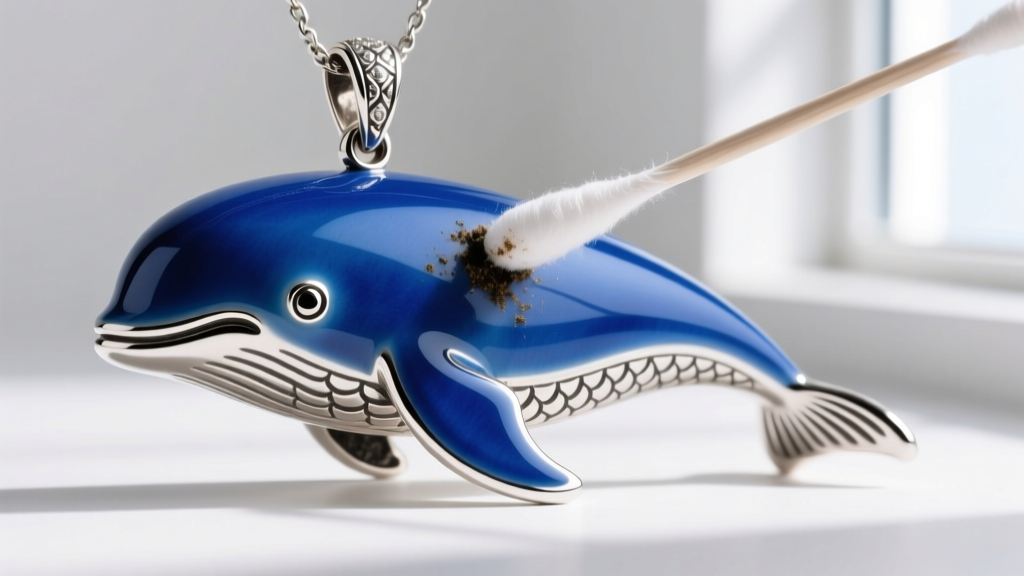
| Oxidized Crevices | Dry cotton swabs, soft baby toothbrush | Thiourea-based dips, ultrasonic cleaners |
| Vitreous Enamel | Warm water, microfiber cloth, mild soap | Hydrochloric acid, abrasive polishing pads |
| Cold Enamel (Resin) | Damp microfiber cloth only | Alcohol, acetone, hot water, ultrasonic waves |
The Safe Wash Method
For a general refresh, mix a few drops of phosphate-free dish soap (such as Dawn) into a bowl of lukewarm water. Submerge the necklace for no more than three minutes. Using an extra-soft baby toothbrush, gently brush the high-polish areas of the silver. When you reach the enamel or resin sections, switch to a cotton swab to avoid scratching the colored surface with the brush bristles. Rinse thoroughly under distilled water to prevent hard water spots, and pat dry immediately with a lint-free microfiber cloth. Never air-dry your jewelry, as trapped moisture in the chain links can lead to localized corrosion.
The Oxidation Trap: Preserving the Details
The most common mistake owners make when cleaning a manatee necklace is inadvertently removing the dark shading that gives the sea cow its three-dimensional charm. Liquid silver cleaners often contain thiourea, a chemical that dissolves silver sulfide on contact. If this liquid seeps into the engraved lines of the manatee's flippers or snout, it will strip away the dark contrast, leaving you with a flat, overly bright pendant.
Expert Tip: If you accidentally strip the oxidation from your manatee pendant, do not attempt to fix it with household items. Take the piece to a professional jeweler who can re-apply a liver of sulfur solution to restore the dark patina and carefully polish the high points back to a mirror finish.
For routine polishing, use a treated polishing cloth, such as a Sunshine cloth. Gently rub only the raised, high-polish areas of the silver. Fold the cloth frequently to expose a clean surface, and never press the cloth deep into the engraved crevices. The Jewelers of America organization strongly recommends against using ultrasonic cleaners for any jewelry featuring intentional oxidation, enamel, or porous gemstones, as the high-frequency vibrations can shatter enamel and shake the dark patina loose from the metal's pores.
Chain and Clasp Maintenance
The pendant may be the star of the show, but the chain and clasp are the structural engineers keeping it safe. Manatee pendants are often suspended on delicate cable or rolo chains ranging from 1.0mm to 1.5mm in thickness. These chains are prone to tangling and kinking, which can weaken the individual links over time.
Inspect the lobster clasp and the tiny jump rings connecting the pendant to the chain every few months. Use a jeweler's loupe or your smartphone's macro camera to check for gaps in the jump rings. If a jump ring has pulled slightly open, the heavy silver manatee could easily slip off and be lost. A professional jeweler can solder these jump rings shut for a minimal fee, providing permanent peace of mind. To untangle a knotted chain, lay it flat on a hard surface, apply a single drop of baby oil to the knot, and use two sewing needles to gently work the links apart. Wipe the chain clean with a damp cloth afterward.
Strategic Storage to Prevent Tarnish and Scratches
How you store your manatee necklace when it is not being worn is just as critical as how you clean it. Silver tarnishes fastest in environments with high humidity and poor air circulation. Storing your necklace in a bathroom is a guaranteed way to accelerate tarnishing due to the constant fluctuations in heat and moisture from showers.
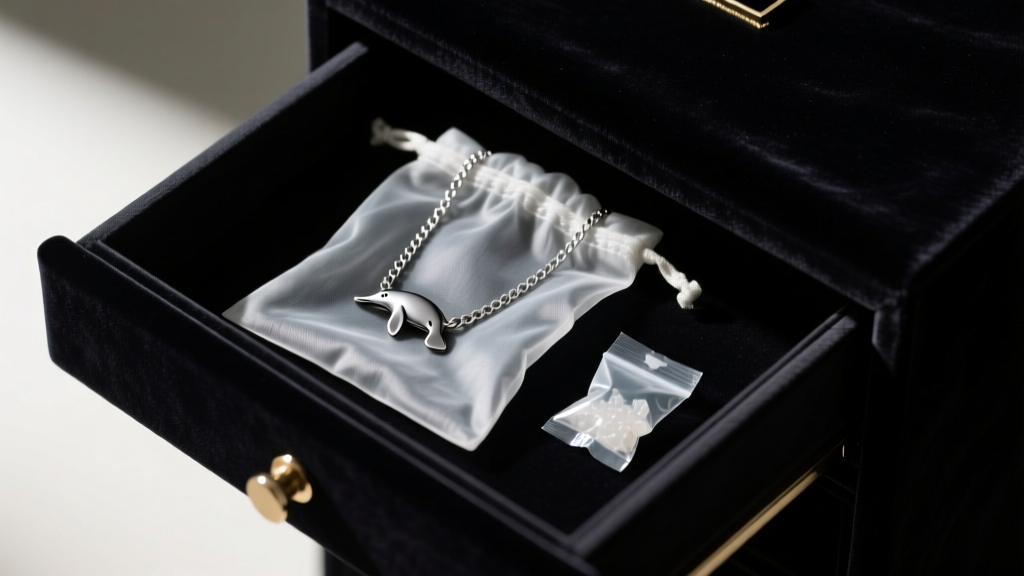
Instead, store your necklace in a dedicated jewelry box lined with anti-tarnish fabric, or place it inside a specialized anti-tarnish ziplock bag (such as those made by 3M). Adding a small silica gel desiccant packet to the storage bag will absorb ambient moisture, keeping the relative humidity well below the 50% threshold where rapid tarnishing begins. Always store your manatee necklace flat and separate from harder gemstones like diamonds or sapphires, which can easily scratch both the sterling silver and the enamel accents. By following these meticulous care protocols, your manatee necklace will retain its oceanic beauty and intricate detail for generations to come.


