The Ultimate Guide to Styling a Large Butterfly Necklace
Learn how to style a large butterfly necklace with our beginner-friendly guide. Discover chain pairings, neckline matching, and material tips.

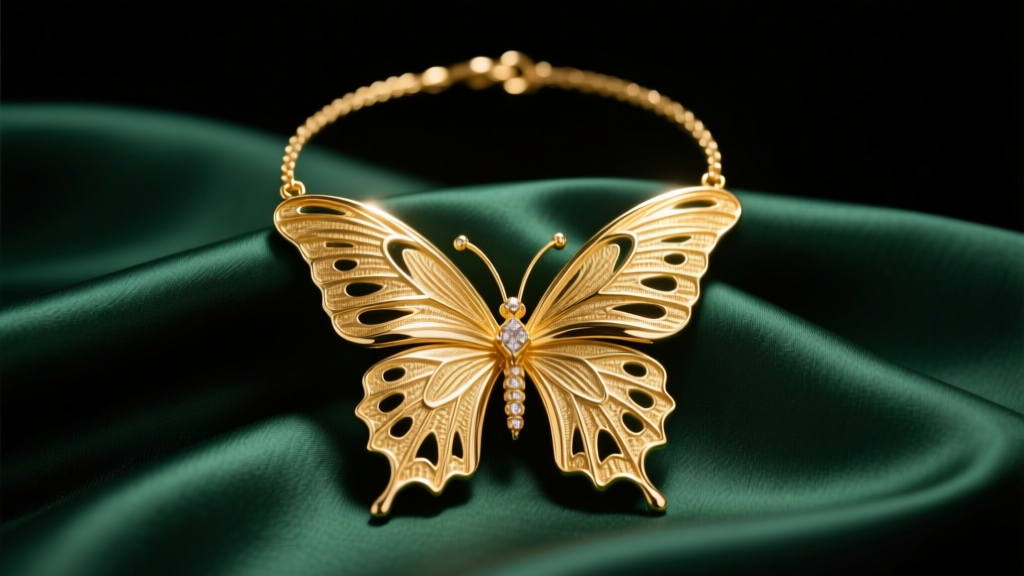
The Resurgence of the Lepidopteran Motif
The butterfly has been a staple in jewelry design since the Victorian era, symbolizing transformation and elegance. However, transitioning from a delicate, subtle charm to a bold, statement-making piece requires a different approach. A large butterfly necklace—typically defined by a wingspan ranging from 45mm to over 70mm—commands attention. For beginners, the challenge lies in styling this bold motif without crossing the line into costume jewelry territory. This guide breaks down the mechanics of material selection, chain pairing, and neckline matching to help you wear your lepidopteran statement piece with absolute confidence.
Choosing the Right Material and Finish
The foundation of any high-quality statement necklace is its material. Because a large butterfly pendant has significant surface area, the metal finish and any added enameling will dictate both its longevity and its visual weight. According to the Gemological Institute of America (GIA), understanding surface treatments is crucial for predicting how a piece will age.
Base Metals vs. Precious Metals
If you are investing in a piece you plan to wear daily, avoid brass or copper bases that are merely 'gold flashed' (a microscopic layer of gold less than 0.175 microns thick). Instead, look for 925 sterling silver or 14k gold vermeil. Vermeil requires a minimum of 2.5 microns of gold plated over a sterling silver base, offering vastly superior tarnish resistance compared to standard gold-plated brass.
| Material Grade | Base Metal | Plating Thickness | Estimated Price Range | Best For |
|---|---|---|---|---|
| Gold Flash | Brass/Copper | < 0.175 microns | $15 - $35 | Occasional, low-friction wear |
| Gold Plated | Brass/Stainless | 0.5 - 1.0 microns | $40 - $80 | Seasonal trend wear |
| Gold Vermeil | 925 Sterling Silver | > 2.5 microns | $90 - $250 | Daily wear, sensitive skin |
| Solid 14k Gold | Gold Alloy | N/A (Solid) | $400 - $1,200+ | Lifetime heirlooms, shower/swim |
Enamel Techniques to Look For
Many large butterfly necklaces incorporate color through enamel. Beginners should look for champlevé enamel, where the metal is carved out and filled with powdered glass, then fired. This creates a durable, glossy finish that sits flush with the metal borders. Avoid cheap epoxy resin 'cold enamel,' which can yellow, chip, and peel within a few months of regular wear.
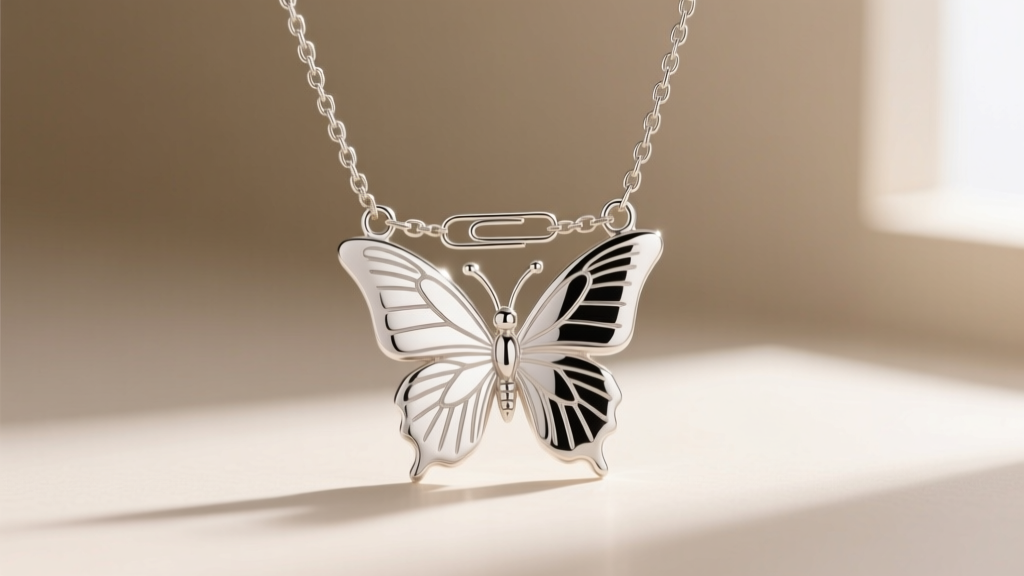
Chain Pairings: Matching Weight and Mechanics
The most common mistake beginners make with large pendants is pairing them with inadequate chains. A large butterfly pendant can weigh anywhere from 15 to 45 grams. A standard 1mm cable chain will not only look visually unbalanced but is also highly prone to snapping under the kinetic stress of a heavy pendant.
Sizing the Bail and Chain Gauge
Check the pendant's bail (the loop that connects the pendant to the chain). Large butterflies usually feature wide, decorative bails measuring 5mm to 8mm in inner diameter. You need a chain that glides smoothly through this space without catching. Here are the best chain styles for heavy, large-scale pendants:
- Paperclip Chains (2.5mm - 4mm): The elongated links provide a modern, geometric contrast to the organic, symmetrical curves of the butterfly wings. They are lightweight but structurally robust.
- Cuban Link Chains (3mm - 5mm): Offers a heavier, more masculine or streetwear-inspired aesthetic. The flat, interlocking links distribute the weight of the pendant evenly across the neck.
- Rope Chains (2mm - 3.5mm): The twisted design catches the light beautifully, mimicking the intricate textures found in nature. Ensure the gauge is at least 2.5mm to prevent kinking under a heavy load.
Neckline Matching: Framing the Focal Point
A large butterfly necklace acts as the anchor of your outfit. The neckline of your clothing must work in harmony with the pendant's geometry, rather than competing with it.
V-Necks and Deep Scoops
This is the most forgiving and flattering canvas for a large butterfly necklace. The V-shape of the neckline naturally draws the eye downward, mirroring the downward sweep of the butterfly's lower wings. For a standard 50mm butterfly pendant, a chain length of 18 to 20 inches will allow the piece to rest perfectly at the lower collarbone or upper sternum, right where the V-neck creates its apex.
High Necks, Crew Necks, and Turtlenecks
Wearing a large pendant over a high neckline requires a different strategy. A standard 18-inch chain will cause the butterfly to sit awkwardly high on the chest, often getting tangled in the fabric folds of a turtleneck. Instead, opt for a 24-inch to 28-inch chain (often called an opera or matinee length). This allows the butterfly to drop below the collarbone, creating a striking, elongated silhouette over the solid block of color provided by the sweater or blouse.

Proportions and Sizing: Avoiding the Costume Trap
Expert Tip: The 'Costume Trap' occurs when the jewelry wears the person, rather than the person wearing the jewelry. Scale is your most important tool. If your butterfly pendant is wider than the space between your collarbones, it is too large for daily wear and should be reserved for editorial or evening styling.
For everyday styling, aim for a wingspan that measures roughly 60% to 75% of the distance between your collarbones. This ensures the piece is undeniably a statement, yet remains proportionate to your anatomy. Additionally, consider the thickness (depth) of the pendant. A large butterfly that is cast in solid 3D metal will be excessively heavy and will constantly flip upside down. Look for large pendants that are hollowed out on the back (semi-tubular casting) or crafted from stamped sheet metal with reinforced edges. This provides the visual footprint of a massive piece without the gravitational drag.
Care and Maintenance for Intricate Details
Because large butterfly necklaces feature deep crevices, filigree work, and often delicate antenna details, they require specific cleaning protocols. The Jewelers of America recommends avoiding ultrasonic cleaners for any jewelry featuring enamel, glued gemstones, or oxidized (blackened) detailing, as the high-frequency vibrations can shatter glass enamel and strip intentional patinas.
Step-by-Step Cleaning Routine
- Dry Dusting: Use a clean, ultra-soft makeup brush (like a kabuki brush) to gently sweep out dust and skin cells from the intricate grooves of the wings.
- Gentle Wash: Mix a few drops of mild, phosphate-free dish soap into a bowl of lukewarm water. Submerge the necklace for no more than three minutes.
- Agitation: Use a baby toothbrush with extra-soft bristles to gently clean the back of the pendant and the chain links. Never scrub the front of enameled pieces.
- Drying: Pat dry with a lint-free microfiber cloth. Use a hairdryer on the 'cool' setting to blow water out of the tiny crevices where the wings meet the body, preventing hidden moisture from causing tarnish on silver bases.
Final Thoughts on Statement Entomology
Mastering the large butterfly necklace is about balancing bold aesthetics with structural integrity. By prioritizing high-quality materials like gold vermeil or solid sterling silver, matching your chain gauge to the pendant's weight, and strategically aligning your necklace drop with your outfit's neckline, you elevate the piece from a novelty accessory to a sophisticated sartorial anchor. Take the time to measure your proportions, invest in the right chain, and let your statement piece take flight.


