Necktie Necklace Value Guide: Are Y-Chains Worth It?
Evaluate the true value of a necktie necklace. We break down pricing tiers, metal grades, slider mechanics, and durability to help you buy smart.

The Anatomy of a Necktie Necklace: What Are You Paying For?
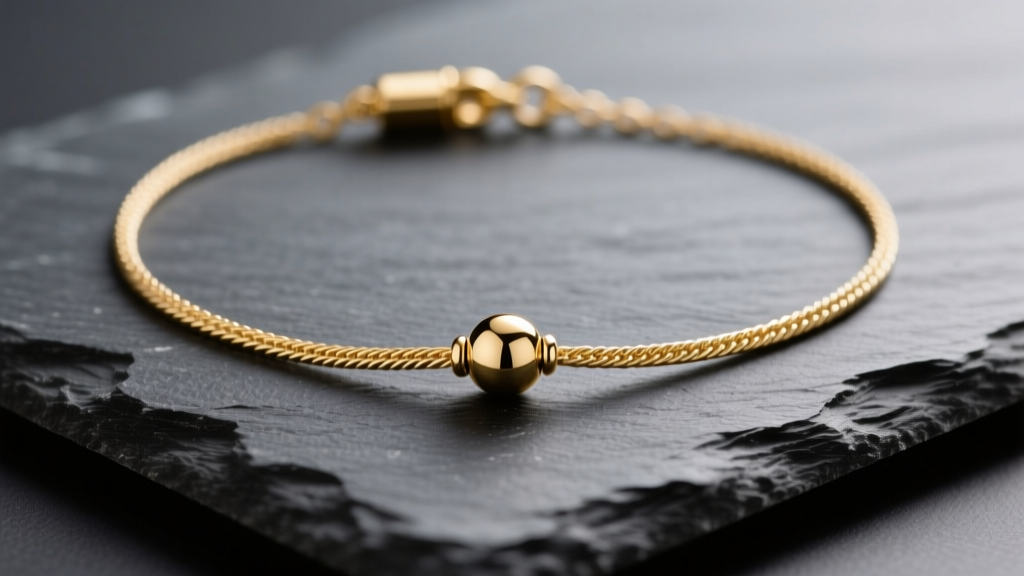
The necktie necklace—often referred to as a Y-necklace, lariat, or tie chain—is a masterclass in minimalist styling. Characterized by a base chain that splits into a vertical drop, this design elongates the neck and draws the eye downward, making it a staple for both deep V-necklines and layered everyday wear. However, as we navigate the jewelry market in 2026, consumers are faced with a massive pricing disparity. You can find a necktie necklace for $18 on fast-fashion apps or $850 at a luxury boutique. But how do you assess the true value?
To determine if a Y-chain is a worthy investment or a disposable trend piece, we must look past the aesthetic and evaluate the metallurgy, the mechanical stress points, and the hardware. This budget and value assessment will break down exactly what you are paying for and how to identify a necktie necklace that offers the best return on investment (ROI).
Material Grades & Pricing Tiers: Where the Value Lies
The most critical factor in jewelry valuation is the metal composition. Because a necktie necklace relies on friction and movement—specifically around the adjustable slider bead—the metal must withstand constant micro-abrasions. According to the FTC Jewelry Guides, terms like "gold plated" and "gold filled" have strict legal definitions that directly impact a piece's lifespan.
| Material Grade | Core Metal | Gold Thickness / Ratio | Avg. Price Range | Estimated Lifespan | Value Rating |
|---|---|---|---|---|---|
| Flash Plated | Brass / Copper | < 0.5 microns | $20 - $45 | 3 - 6 months | Poor |
| Gold Vermeil | Sterling Silver | 2.5+ microns | $60 - $130 | 1 - 3 years | Moderate |
| 14k Gold Filled | Jeweler's Brass | 5% of total weight | $85 - $180 | 5 - 15+ years | Excellent |
| Solid 14k Gold | Gold Alloy | Solid throughout | $350 - $900+ | Lifetime / Heirloom | High (Investment) |
The 2026 Market Shift: Historically, gold vermeil was considered the sweet spot for demi-fine jewelry. However, for friction-heavy designs like the necktie necklace, 14k gold-filled is the undisputed champion of value. The mechanical process of bonding a thick layer of 14k gold to a brass core using heat and pressure creates a surface that will not flake or wear through from the friction of a slider bead, unlike electroplated vermeil.
The Slider Mechanism: A Hidden Point of Failure
The defining feature of most necktie necklaces is the adjustable slider bead, which allows the wearer to customize the length of the vertical drop. This component is the most common point of structural failure in budget Y-chains.
Metal-on-Metal vs. Silicone-Lined Sliders
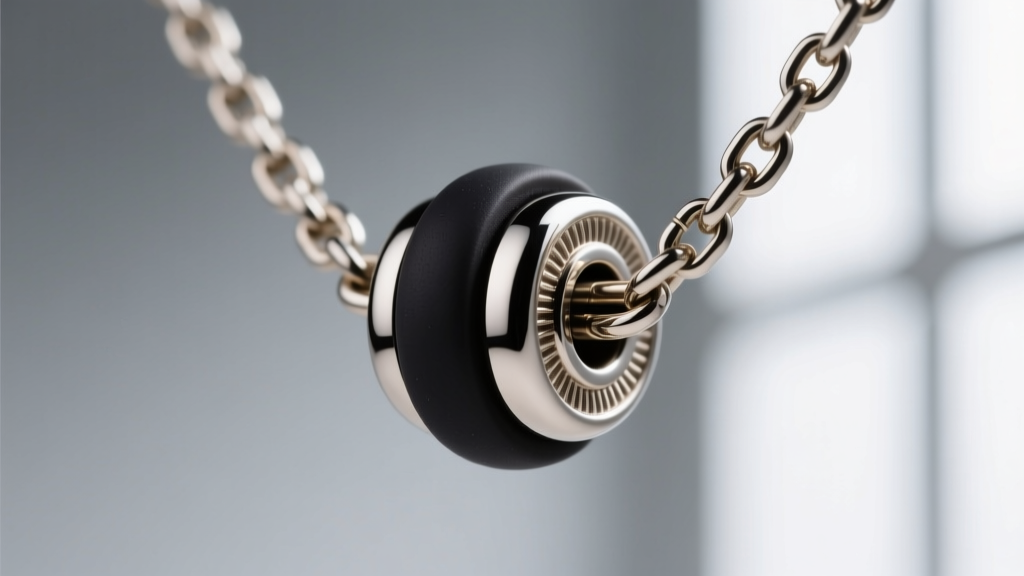
In sub-$50 necktie necklaces, the slider is typically a hollow metal bead. To keep the bead in place, the chain links are often slightly oversized or irregular, forcing the metal bead to "grip" the chain through sheer friction. Over time, this metal-on-metal abrasion acts like a file, wearing away the gold plating and physically stretching the chain links until the slider no longer holds its position.
High-value necktie necklaces utilize a silicone-lined slider. Inside the metal bead is a tiny, flexible silicone O-ring that grips the chain gently but firmly. This eliminates metal-on-metal friction, preserving the gold layer and preventing the chain from stretching. When assessing a piece online, always check the product specifications or zoom in on the product photos to look for the dark or translucent ring inside the slider bead. If the brand doesn't mention a silicone insert, assume it is metal-on-metal.
Fixed Jump Rings vs. Adjustable Drops
Some luxury and fine jewelry brands eschew the slider entirely, opting for a fixed soldered jump ring where the Y-drop begins. While this eliminates the adjustable feature, it vastly increases the structural integrity and longevity of the piece. If you do not require adjustability, a fixed-junction necktie necklace will always hold its resale and heirloom value better than an adjustable counterpart.
Chain Styles and Tensile Stress Physics
The visual appeal of a chain often dictates purchasing decisions, but the physical geometry of the chain links determines how well a necktie necklace survives daily wear. The vertical drop of a Y-chain is subjected to constant tensile stress, pulling downward from the weight of the pendant or the terminal bead.
Why Snake Chains Fail in Y-Necklaces
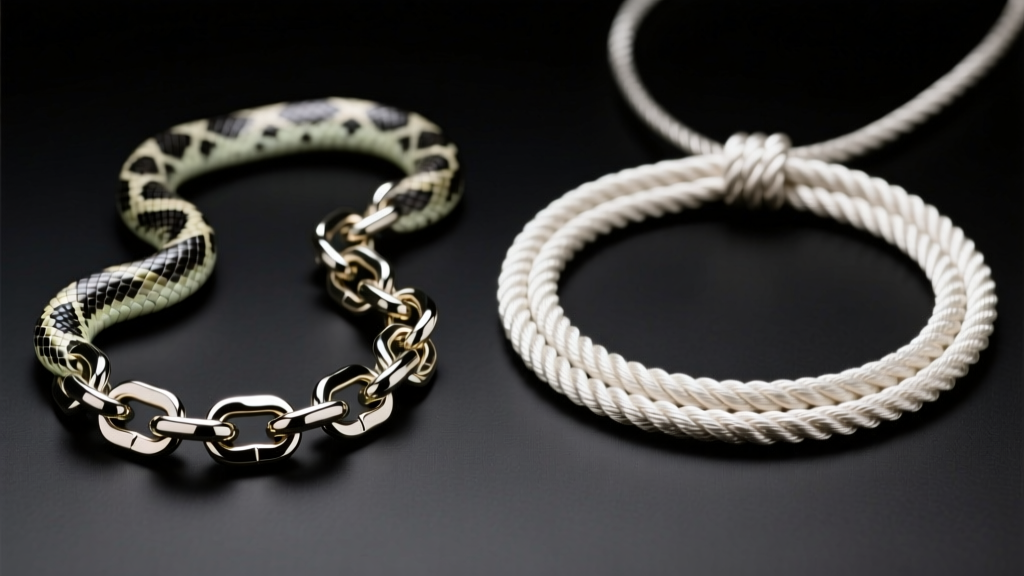
Snake chains are incredibly popular for their sleek, liquid-metal appearance. However, they are a poor investment for necktie necklaces. A snake chain is constructed of tightly interlocking, slightly curved rings that form a smooth, flexible tube. When a snake chain is forced to bend sharply—such as when it passes through a tight slider bead or wraps tightly around the neck—the interlocking links can separate or kink. Once a snake chain kinks, the structural integrity is permanently compromised, and it will eventually snap at the stress point.
The Superior Alternatives: Cable, Rolo, and Rope
For maximum durability and value retention, look for necktie necklaces crafted from cable, rolo, or rope chains. These styles feature individual, fully soldered links that move independently of one another. They can withstand the sharp angles required by a slider bead and the downward pull of the Y-drop without kinking or stretching. According to the Gemological Institute of America (GIA), the durability of gold jewelry is heavily dependent on the alloy mix and the structural design of the setting or chain; a 14k gold cable chain will survive decades of mechanical stress that would destroy a higher-karat, softer snake chain in months.
Hardware and Clasp Valuation
Do not overlook the clasp. A necktie necklace requires a clasp that can handle the weight of the double-layered front drape.
- Spring Ring Clasps: Common in budget pieces. They are lightweight, difficult to operate with one hand, and the internal tension spring is prone to failing or snapping under sudden tugs.
- Lobster Clasps: The industry standard for mid-tier and demi-fine jewelry. They offer a secure, locking mechanism and are much more durable than spring rings.
- Magnetic or Custom Toggle Clasps: Often found in high-end or accessibility-focused designs. While convenient, ensure the magnets are neodymium-grade; otherwise, the weight of the Y-drop will cause the necklace to unlatch and fall off.
Final Verdict: How to Maximize Your ROI
Is a necktie necklace worth the investment? Absolutely, provided you allocate your budget toward structural integrity rather than just a brand name. The highest value proposition in the current market is a 14k gold-filled cable chain with a silicone-lined slider and a lobster clasp, typically priced between $90 and $140. This configuration offers near-fine-jewelry longevity at a fraction of the cost of solid gold, yielding an exceptionally low cost-per-wear over a decade of use.
Your Pre-Purchase Inspection Checklist:
- Verify the Metal: Ensure it is stamped "14k GF" (Gold Filled) or "14k" (Solid). Avoid anything simply labeled "gold plated" for friction-heavy Y-chains.
- Inspect the Slider: Confirm the presence of a silicone or rubberized insert inside the adjustable bead to prevent chain stretching.
- Check the Chain Geometry: Avoid snake chains or herringbone chains for lariat styles; opt for soldered cable or rolo links.
- Assess the Junction: Look closely at where the chain splits into the Y-shape. It should feature a cleanly soldered, reinforced jump ring, not just a loosely closed loop.
- Test the Clasp: Ensure the lobster clasp snaps back with strong tension and that the end-tag is large enough to grip easily.
By applying these technical assessments, you can confidently navigate the necktie necklace market, filtering out disposable fast-fashion accessories and investing in versatile, enduring pieces that truly justify their price tag.