Girls Crew Disneyland Necklace Repair: Troubleshooting & Fixes
Troubleshoot common issues with your girls crew Disneyland necklace. Learn how to fix broken chains, restore chipped enamel, and prevent theme park damage.

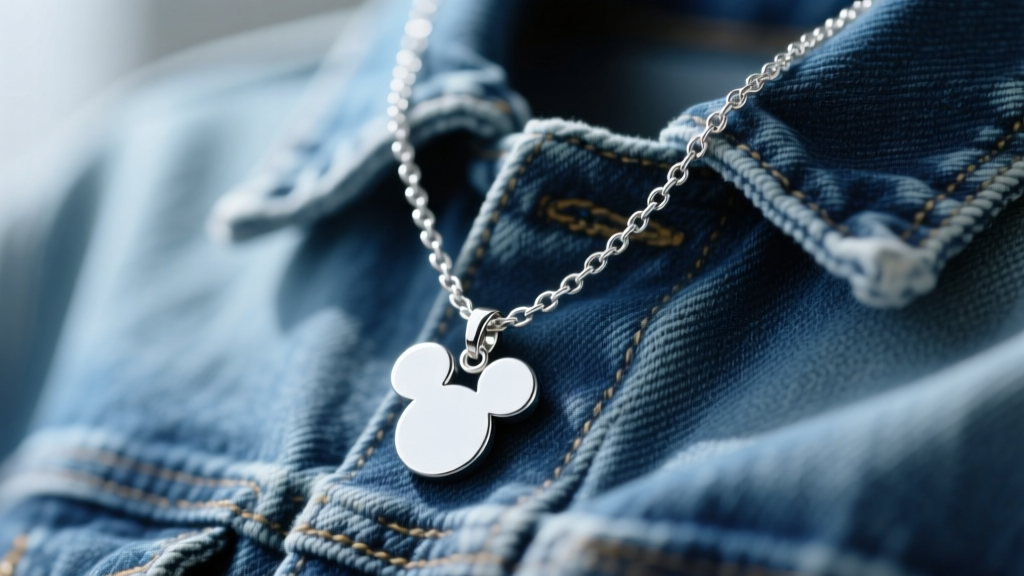
Securing matching souvenirs is a time-honored tradition for friend groups visiting Southern California's theme parks. However, the beloved girls crew Disneyland necklace—whether it features interlocking puzzle pieces, engraved coordinates, or classic character silhouettes—often falls victim to the harsh environment of a theme park vacation. Between the friction of rollercoaster harnesses, the chemical cocktail of sunscreen and sweat, and the inevitable tangles in a shared hotel room, these sentimental pieces require specialized troubleshooting.
As of 2026, many Downtown Disney vendors and third-party jewelry kiosks have shifted toward lightweight, fashion-grade materials to keep souvenir price points accessible. While beautiful, these materials present unique failure modes. This comprehensive troubleshooting guide will help you diagnose, repair, and preserve your group's matching necklaces long after the vacation ends.
The Anatomy of a Theme Park Souvenir Necklace
Before attempting any repairs, it is crucial to identify the metallurgical composition of your necklace. Most girls crew Disneyland necklace sets fall into two categories:
- .925 Sterling Silver: Often found in higher-end boutiques or specialized Disney Parks Jewelry Collection pieces. These are stamped with a '925' hallmark. They are durable but prone to sulfur-induced tarnishing.
- Rhodium-Plated Brass or Copper Alloy: Common in fashion-forward, character-themed kiosk jewelry. The bright silver finish is actually a microscopically thin layer of rhodium electroplated over a base metal. Once this plating wears off, the underlying copper reacts with skin acids.
The chains themselves are typically 1.2mm to 1.5mm cable chains. While visually delicate and perfect for layering, their thin wire gauge (usually 22-gauge or 24-gauge) makes them highly susceptible to snapping under sudden tension.
Troubleshooting 1: Snagged and Broken Cable Chains
The most frequent casualty of a theme park vacation is a snapped chain, usually occurring right near the clasp or the jump ring holding the pendant. This happens when a necklace catches on a ride harness or a friend's hair.
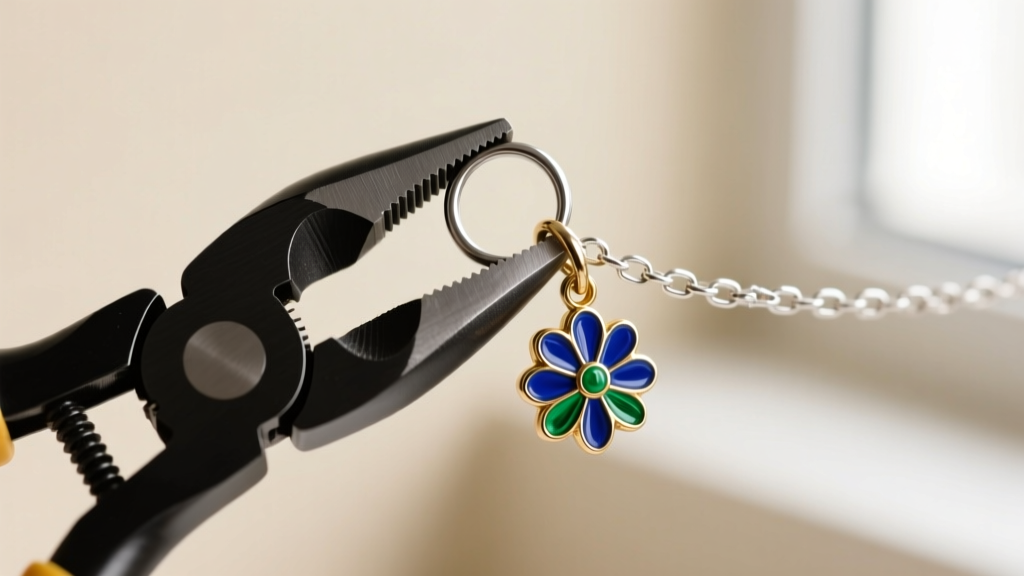
How to Reattach a Jump Ring Without Losing the Charm
If the chain has simply pulled away from the pendant's jump ring, you can perform a temporary field repair using basic tools. According to jewelry manufacturing experts at Halstead Bead, the integrity of a jump ring relies on proper lateral opening, not pulling it apart like an 'O'.
- Secure the Tools: You will need two pairs of flat-nose or chain-nose pliers. Avoid using standard household pliers with teeth, as they will mar the soft metal.
- Locate the Seam: Find the microscopic cut in the jump ring connecting your girls crew Disneyland necklace charm to the chain.
- Twist, Don't Pull: Grip each side of the seam with your pliers and twist one hand toward you and the other away. This maintains the perfect circular shape.
- Re-thread and Close: Slide the broken chain link back onto the ring, then twist the ends back together until you hear a faint 'click' or feel the seam flush against your fingernail.
Expert Tip: If the jump ring is stretched beyond repair, replace it with a 4mm or 5mm closed jump ring, or use a split ring (like a miniature keyring) for added security against future snags.
Troubleshooting 2: Chipped Enamel on Character Charms
Many group necklaces feature charms filled with vibrant 'cold enamel' (an epoxy-based resin) to mimic iconic character colors. Unlike vitreous enamel, which is fired in a kiln at high temperatures, cold enamel is essentially a hardened plastic that can chip or crack if dropped on a concrete walkway or struck by a hard plastic ride restraint.
DIY Enamel Restoration
For minor chips on a girls crew Disneyland necklace, professional jewelry repair is often cost-prohibitive. Instead, utilize a color-matched jewelry enamel resin or high-quality, solvent-based nail polish. Clean the chipped area with a microfiber cloth and a dab of isopropyl alcohol to remove skin oils. Using a toothpick or a fine-tipped brush, carefully drop the colored resin into the recessed channel. Allow it to self-level and cure for 24 hours. For a glass-like finish, apply a micro-layer of clear UV resin over the top and cure it under a UV lamp for 60 seconds.
Troubleshooting 3: Clasp Failures and Tangled Layers
Standard 5mm lobster clasps are notorious for failing on vacation. The tiny internal spring mechanism easily becomes clogged with sweat, sand, or lotion, causing the lever to stick open. Furthermore, when multiple friends layer their necklaces together for photos, the delicate chains weave into unbreakable knots.
Clasp Upgrade Guide
If your clasp is failing, take the necklace to a local jeweler or use a jewelry conversion kit to swap the hardware. Here is a comparison of upgrade options:
| Clasp Type | Durability | Best Use Case | Estimated Cost |
|---|---|---|---|
| Standard Lobster (5mm) | Low | Lightweight, single pendants | $2 - $5 |
| Heavy Duty Lobster (10mm) | High | Thicker chains, active wearers | $8 - $12 |
| Spring Ring (6mm) | Medium | Minimalist, seamless looks | $3 - $6 |
| Magnetic Tube Clasp | Very High | Accessibility, frequent removal | $15 - $25 |
The Green Neck Effect: Managing Base Metal Reactions
Nothing ruins a vacation photo quite like a bright green ring around the neck. This is not an allergic reaction, but a chemical oxidation process. When the copper or nickel alloys inside a rhodium-plated girls crew Disneyland necklace come into contact with the chlorides in sweat and the zinc oxide in chemical sunscreens, a copper chloride compound is formed, which transfers onto the skin.
Immediate Remediation
To remove the green stain from the skin, wash the area with warm water and a gentle exfoliating soap. For stubborn stains, a paste made of baking soda and lemon juice will neutralize the copper salts and lift the discoloration within minutes. To save the necklace, the Gemological Institute of America (GIA) recommends regular cleaning with a phosphate-free dish soap and a soft baby toothbrush to remove the invisible layers of lotion and sweat that accelerate oxidation.
Long-Term Prevention
If the plating on the back of the pendant has worn away, apply a thin coat of clear polyurethane sealant or clear nail polish to the skin-facing side of the charm. This creates a temporary, invisible barrier between the reactive base metal and the wearer's skin. Reapply every few months.
Preventative Care: Surviving the Rides and Resort Pools
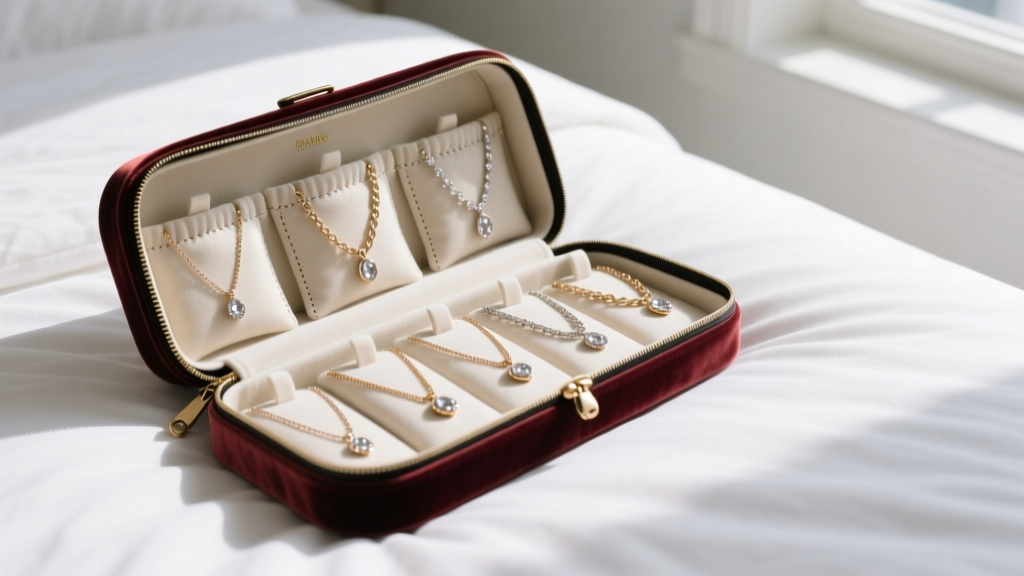
Proactive maintenance is the best troubleshooting strategy. Theme parks are hostile environments for delicate jewelry. Implement the following protocols to ensure your group's necklaces survive the trip intact:
- The Sunscreen Rule: Always apply and let sunscreen fully absorb (minimum 15 minutes) before putting on your necklace. Chemical UV filters can degrade epoxy resins and accelerate the tarnishing of sterling silver.
- Water Ride Protocol: Chlorinated water and saltwater are highly corrosive to both base metals and porous gemstones. If you are riding water attractions, remove the necklaces and store them in a centralized, zippered pouch—not loose in a pocket where they can fall out or tangle.
- The Straw Threading Trick: To prevent the girls crew Disneyland necklace set from tangling in your hotel room, unclasp the chain, thread it through a standard plastic drinking straw, and re-clasp it. This rigid casing makes tangling physically impossible during transit.
- Sleeping Removal: The friction of cotton pillowcases and the tossing and turning of sleep will weaken the microscopic solder points on thin cable chains. Always remove and hang the necklaces before bed.
When to Seek Professional Jeweler Help
While jump rings and clasps can be managed at home, certain issues require a professional bench jeweler. If the actual chain links have stretched and deformed (creating weak points that look like elongated ovals rather than perfect circles), the chain must be replaced. Similarly, if the solder point where the bail attaches to the main character charm has fractured, a jeweler will need to use a laser welder or micro-torch to fuse the metal back together without melting the surrounding cold enamel. For sentimental girls crew Disneyland necklace sets, investing $20 to $40 in a professional soldering and ultrasonic cleaning service is a small price to pay to preserve a lifetime of shared memories.


