Exploring the Meaning Italian Horn Necklace: Style & Symbolism
Discover the meaning italian horn necklace pendants hold, from ancient protection symbols to 2026 layering trends and material buying guides.

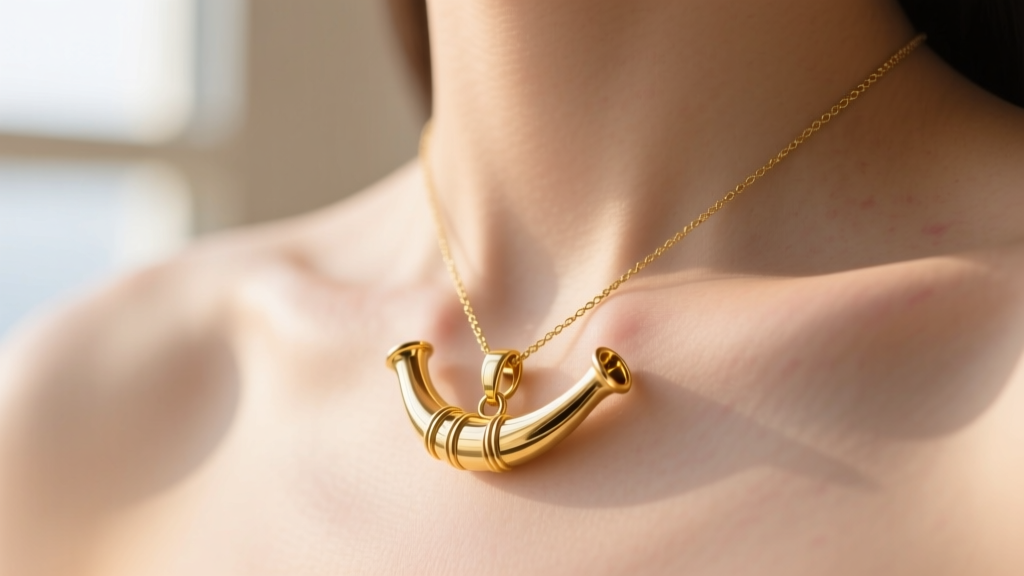
Decoding the meaning italian horn necklace styles convey involves looking at both ancient folklore and modern metallurgy. Known in Italy as the cornicello or corno portafortuna, this iconic amulet has transcended its superstitious roots to become a staple in contemporary jewelry wardrobes. As we navigate the 2026 jewelry landscape, the Italian horn is experiencing a renaissance, shifting from a purely traditional talisman to a versatile, high-fashion layering piece. This comprehensive style and trend analysis breaks down the historical symbolism, material grades, and actionable styling frameworks you need to master this iconic pendant.
The Historical Roots: What is the Cornicello?
Before analyzing modern styling techniques, it is crucial to understand the origins of the amulet. The Italian horn is believed to date back to the Elamite civilization, eventually making its way to Southern Italy, particularly Naples. Historically, its phallic shape was associated with fertility and the warding off of the malocchio (the evil eye). Unlike the eye-shaped nazar amulet which reflects malice, the horn is designed to distract and absorb negative energy. In Neapolitan tradition, the effectiveness of the amulet relies on three rules: it must be red, it must be handmade, and it must be given as a gift rather than purchased for oneself.
Material Breakdown: Gold, Silver, and Coral
The material composition of your pendant drastically alters its durability, price point, and stylistic impact. While mass-market versions flood the internet, serious collectors and style enthusiasts focus on specific metallurgical and gemological grades.
| Material | Durability & Care | Average Price Range (1-2 inch pendant) | Best For |
|---|---|---|---|
| 925 Sterling Silver | Mohs 2.5-3. Tarnishes over time; requires polishing cloths. Highly durable against impacts. | $35 - $90 | Everyday minimalist wear, mixed-metal stacks. |
| 14k Yellow Gold | Mohs 2.5-3 (alloyed). Excellent scratch resistance due to copper/zinc mix. Hypoallergenic. | $150 - $350 | Heirloom gifts, warm-toned skin pairings. |
| 18k Yellow Gold | Softer than 14k. Prone to micro-scratches but offers a richer, deeper yellow hue. | $300 - $650 | Luxury layering, high-end investment pieces. |
| Red Coral (Corallium rubrum) | Mohs 3.5. Highly porous. Never use ultrasonic cleaners; wipe with a damp cloth only. | $120 - $500+ | Traditionalists, vintage collectors, statement wear. |
Expert Note on Coral: Due to overharvesting, Mediterranean red coral is heavily regulated. According to the Gemological Institute of America (GIA), genuine Corallium rubrum is increasingly rare. When purchasing coral horns, always demand CITES documentation or opt for vintage estate pieces to ensure ethical sourcing and ecological compliance.
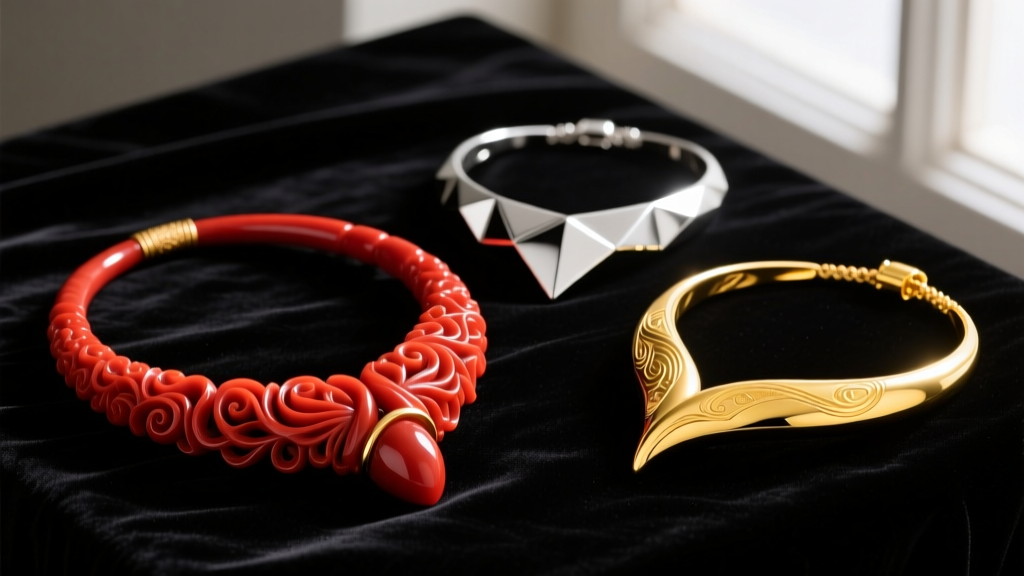
2026 Trend Analysis: How the Cornicello is Evolving
The traditional, bulky red coral horn is being reimagined for the modern aesthetic. As maximalism gives way to curated, intentional styling, the Italian horn is adapting in several key ways:
- The Micro-Horn: Pendants measuring under 12mm are dominating the market. These delicate iterations are designed to sit flush against the collarbone on ultra-fine 1.0mm cable chains, offering a subtle nod to heritage without overwhelming a neckline.
- Diamond Pavé Accents: High-end jewelers are encasing 18k gold horns in ethically sourced lab-grown diamond pavé, bridging the gap between cultural talisman and red-carpet-ready fine jewelry.
- Enamel Infusions: To bypass the ethical issues of red coral, artisans are using vitreous enamel (guilloché) over silver and gold to achieve the traditional crimson hue with vastly superior scratch resistance and color longevity.
- Mixed-Metal Styling: The rigid rule of wearing only one metal tone is dead. Pairing a sterling silver horn on a yellow gold figaro chain is a prominent 2026 styling hallmark.
Styling Frameworks: Layering and Neckline Pairings
Understanding the meaning italian horn necklace wearers seek is only half the equation; knowing how to style it is where true sartorial expertise lies. The elongated, tapered shape of the horn dictates specific chain pairings to prevent visual clutter.
The Minimalist Single-Strand Approach
For a sleek, everyday look, pair a 15mm to 20mm solid gold horn with an 18-inch princess-length chain. The optimal chain gauge for this pendant weight (typically 2 to 4 grams) is a 1.2mm to 1.5mm rope or box chain. These chain styles offer high tensile strength while remaining delicate enough to let the pendant serve as the sole focal point. Always ensure the clasp is a lobster claw rather than a spring ring; lobster clasps provide a secondary locking mechanism that prevents accidental drops.
The Maximalist Layering Technique
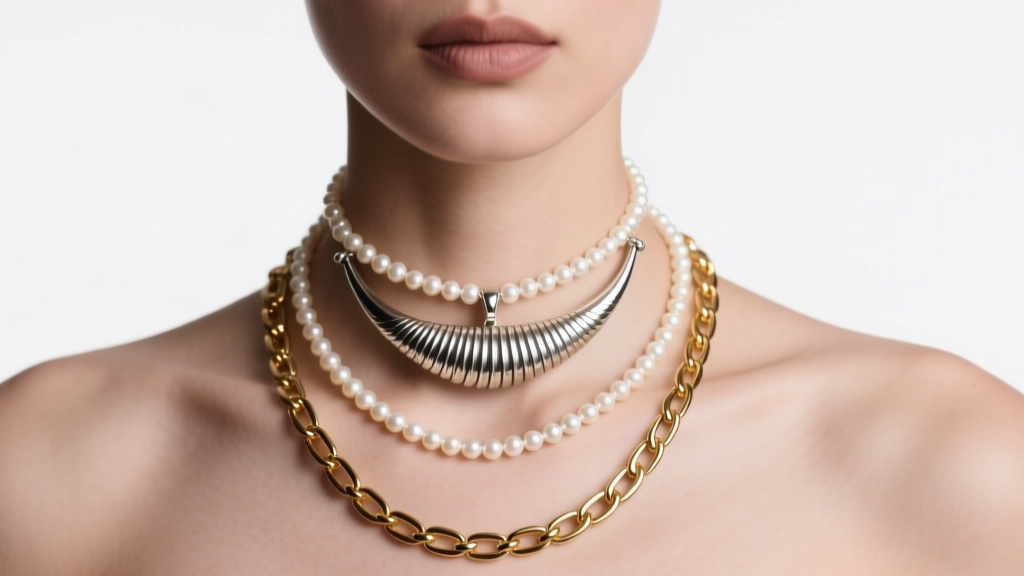
Layering requires strict adherence to mathematical spacing to prevent tangling. Build your stack using a 2-inch variance between chains:
- Base Layer (16 inches): A delicate pearl or herringbone choker.
- Mid Layer (18 inches): Your Italian horn pendant on a textured figaro chain. The figaro pattern adds visual weight and complements the pendant's Italian heritage.
- Outer Layer (20 inches): A heavier, unadorned 2.5mm Cuban link chain or a lariat-style drop.
Where to Buy: Authenticity Checks and Red Flags
When shopping for fine jewelry, particularly pieces laden with cultural significance, verifying authenticity is paramount. Here is a practical decision framework for evaluating potential purchases:
"A genuine 14k or 18k Italian horn will always bear a hallmark stamp on the bail or the jump ring. Look for '585' (14k) or '750' (18k) alongside the maker's mark. If the pendant is completely smooth and unstamped on a piece claiming to be solid gold, it is likely gold-plated brass."
Furthermore, be wary of 'red coral' pendants priced under $50. According to industry watchdogs like JCK (Jewelers' Circular Keystone), the majority of ultra-cheap red horns on the market are dyed howlite, resin, or dyed shell. A simple hot-pin test (which should only be performed by a professional jeweler) will reveal plastic or resin, while genuine coral will emit a faint smell of calcium and remain unmarred.
Conclusion
The Italian horn necklace is far more than a decorative accessory; it is a wearable artifact of Mediterranean history, carrying centuries of protective symbolism. By understanding the material grades, adhering to proper chain gauge ratios, and embracing modern layering techniques, you can elevate the cornicello from a simple souvenir to a sophisticated cornerstone of your fine jewelry collection. Whether you opt for a vintage carved coral piece or a modern diamond-pavé micro-horn, the key to mastering this trend lies in respecting its heritage while confidently adapting it to your personal aesthetic.


