Expert Care & Cleaning Tips for a Heishi Shell Necklace
Preserve your heishi shell necklace with our expert cleaning guide. Learn how to safely wash, dry, and store calcium carbonate jewelry.

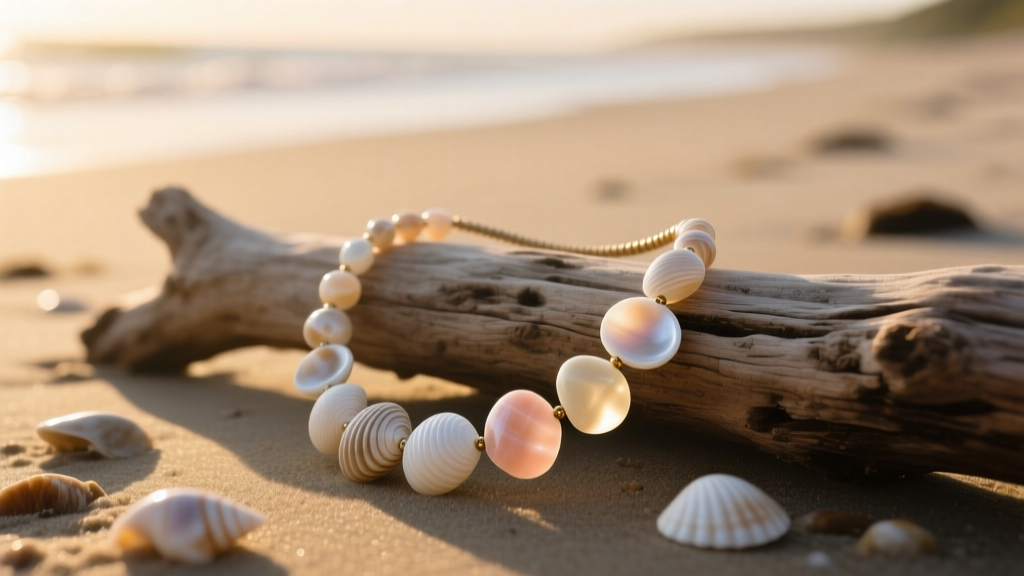
The Material Science of Heishi Shell
To properly care for a heishi shell necklace, you must first understand its chemical composition. The term 'heishi' originates from the Pueblo word for shell, and authentic heishi beads are meticulously carved from natural mollusk shells like Puka, Mother of Pearl, Conch, and Abalone. According to the Smithsonian National Museum of Natural History, these shells are primarily composed of calcium carbonate (CaCO3) arranged in a microscopic brick-and-mortar structure. This organic makeup gives heishi its beautiful luster but also dictates its vulnerabilities.
On the Mohs scale of mineral hardness, natural shell ranks between 2.5 and 3.5. This means it is softer than a copper coin and highly susceptible to micro-scratches from everyday dust (which contains quartz, hardness 7.0). Furthermore, calcium carbonate is highly reactive to acids. Human sweat, which typically has a pH ranging from 4.5 to 6.5, will slowly etch and dissolve the polished surface of your heishi beads over time, leaving them dull, chalky, and pitted.
Identifying Authentic vs. Dyed Shells
Before applying any moisture to your necklace, you must determine if your heishi beads are natural or dyed. As of 2026, the market is flooded with porous, low-grade shells that have been chemically bleached and dyed to mimic rare Conch or Lapis lazuli. If you clean dyed heishi with water, the color will bleed, ruining both the beads and the stringing material.
The Acetone Test: Dip a cotton swab in a tiny amount of nail polish remover (acetone) and rub it gently on an inconspicuous bead near the clasp. If color transfers to the swab, your necklace is dyed and must only be dry-dusted. If the swab remains clean, your shells are natural and can undergo wet cleaning.
Daily Wear & Prevention Protocols
Preventative maintenance is vastly superior to deep cleaning when it comes to organic gemstones. Adopting strict wearing habits will extend the lifespan of your heishi necklace by decades.
The 'Last On, First Off' Rule
Shell is incredibly porous and will absorb aerosolized chemicals instantly. Always put your heishi necklace on after applying perfume, hairspray, sunscreen, and lotions. Conversely, it must be the first thing you take off when you return home. Never wear heishi in swimming pools (chlorine destroys CaCO3) or hot tubs, and avoid wearing it during high-sweat activities like hot yoga or running.
Step-by-Step Deep Cleaning Guide
If your natural heishi necklace has accumulated body oils, dead skin cells, and environmental grime, a gentle wet cleaning is required. Never use commercial jewelry dips, as they are formulated for metals and contain ammonia or thiourea, which will strip the shell's natural nacre.
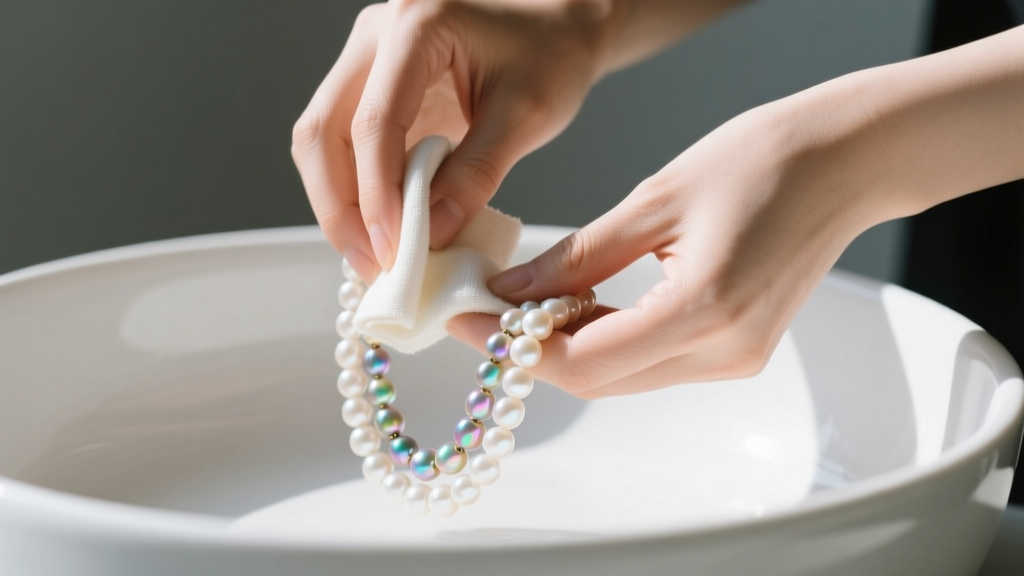
Materials Needed:
- Distilled water (tap water contains minerals and chlorine that can leave spots)
- pH-neutral baby shampoo or Castile soap
- Two ultra-soft, lint-free microfiber cloths
- A soft-bristled baby toothbrush (optional for stubborn grime)
The Cleaning Process:
- Mix the Solution: In a small glass bowl, combine one cup of lukewarm distilled water with a single drop of pH-neutral baby shampoo. Swirl gently to create mild suds.
- Dampen, Don't Soak: Dip a microfiber cloth into the solution and wring it out until it is only slightly damp. Never submerge a heishi necklace in water. Submerging compromises the stringing material and forces water into the microscopic pores of the shell, which can cause internal expansion and cracking upon drying.
- Wipe Each Bead: Gently pinch each heishi bead with the damp cloth and twist to remove oils. For beads with heavy buildup near the drill holes, lightly dip the soft baby toothbrush into the suds and gently agitate the area.
- Rinse the Cloth: Rinse your cloth thoroughly with plain distilled water, wring it out, and wipe down the entire necklace again to remove any soap residue.
- Dry Flat: Lay the necklace perfectly flat on a dry towel in a well-ventilated room away from direct sunlight or heat sources. Allow it to air dry for a full 24 hours before storing or wearing.
What NEVER to Do: Common Mistakes
Many jewelry owners accidentally destroy their organic pieces by treating them like diamonds or gold. Below is a breakdown of common cleaning agents and their catastrophic effects on heishi shell.
| Cleaning Method / Agent | Chemical / Physical Action | Result on Heishi Shell |
|---|---|---|
| Ultrasonic Cleaners | High-frequency cavitation bubbles | Micro-fractures and complete shattering of beads |
| Ammonia / Glass Cleaner | High alkalinity (pH 11+) | Strips natural luster, leaves a chalky white residue |
| Vinegar / Lemon Juice | Acetic / Citric Acid | Rapid chemical dissolution (fizzing) and permanent pitting |
| Steam Cleaners | Extreme heat and moisture | Thermal shock leading to delamination of shell layers |
| Baking Soda Paste | Mild abrasive (Mohs 2.5) | Micro-scratches that dull the polished surface |
Restringing & Long-Term Storage
The care of your heishi necklace extends beyond the beads themselves; the stringing material requires equal attention. Traditional heishi necklaces are often strung on silk thread. While silk drapes beautifully, it is a protein fiber that rots and stretches when exposed to moisture and sweat. If your necklace is worn frequently, inspect the silk annually. If you notice fraying near the clasp or stretching between the beads, it is time for a professional restring.
For a modern, low-maintenance alternative, consider having your heishi restrung on PowerPro braided nylon or Soft Flex wire. These synthetic materials are entirely waterproof, possess zero memory stretch, and will not degrade from occasional damp wipe-downs.
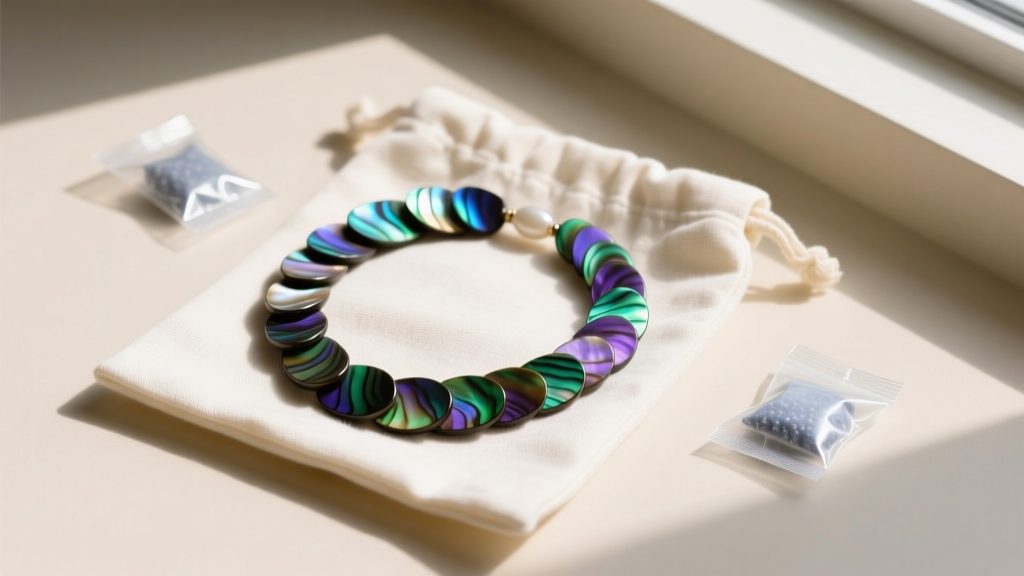
Proper Storage Environments
When not in use, store your heishi necklace in a breathable, unbleached cotton pouch. Avoid airtight plastic ziplock bags, as trapped humidity can foster mildew on organic materials and degrade silk threads. Furthermore, keep the pouch in a dark drawer. Prolonged exposure to ultraviolet (UV) light will cause natural shells to yellow and dyed shells to fade rapidly.
For comprehensive guidelines on caring for organic gemstones and calcium carbonate structures, refer to the Gemological Institute of America (GIA), which outlines identical preservation protocols for pearls, coral, and shell jewelry. By respecting the organic nature of your heishi shell necklace and avoiding harsh chemicals, you will ensure its iridescent beauty remains intact for generations.


