Nipple Clamp Necklace Engineering: Tension, Metals, and Safety
Master the biomechanics of a nipple clamp necklace. Explore chain weight ratios, implant-grade metals, and tension calibration for safe wear.

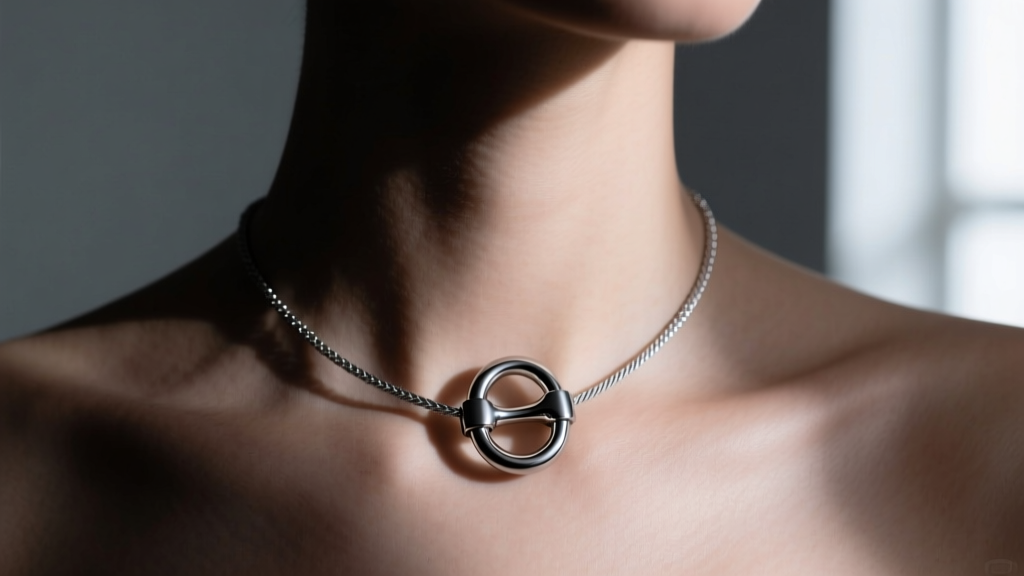
The intersection of avant-garde fashion and functional body modification has elevated the nipple clamp necklace from a niche subcultural accessory to a recognized piece of statement jewelry. However, designing and wearing a piece that relies on physiological tension requires a rigorous understanding of biomechanics, metallurgy, and ergonomic safety. This guide provides a technical deep dive into the engineering principles behind these garments, ensuring both aesthetic brilliance and physiological safety.
The Physics of Tension: Dynamic Load and Chain Weight
Unlike standard pendants, a nipple clamp necklace operates under constant kinetic stress. Every breath, posture shift, and arm movement alters the vector of force applied to the areolar tissue. The primary failure mode in poorly engineered designs is the miscalculation of dynamic load versus static grip.
A heavy chain, such as a 12mm stainless steel Cuban link weighing upwards of 180 grams, generates significant downward and outward pull. If paired with a standard spring-loaded tweezer clamp, the kinetic energy from a sudden movement will easily overcome the spring's tension, resulting in abrupt detachment and potential tissue tearing.
Rule of thumb: The total mass of the connecting chain and central pendant must not exceed 15% to 20% of the clamp’s maximum calibrated grip force. For heavier chains, the tension must be distributed across a wider surface area using specialized clover (tongue) clamps with adjustable set screws.
Metallurgical Standards: Biocompatibility and Corrosion
The areola is highly vascular and sensitive, making it exceptionally prone to contact dermatitis and heavy metal sensitization. The Association of Professional Piercers strictly outlines which alloys are safe for prolonged mucosal and sensitive tissue contact.
- Implant-Grade Titanium (ASTM F136): The gold standard for tension jewelry. As detailed by ASTM International, this alloy contains zero nickel and offers superior tensile strength. It is lightweight, reducing the overall dynamic load of the necklace, and will not oxidize or tarnish when exposed to sweat and skin oils.
- 316L Surgical Steel: A viable, more affordable alternative, but it contains trace amounts of nickel (typically 8-12%). While the chromium oxide layer usually prevents nickel leaching, micro-abrasions caused by the clamping action can compromise this passive layer, leading to localized allergic reactions in sensitized individuals.
- Avoid Pot Metals and Brass: Zinc alloys and raw brass are entirely unsuitable. They degrade rapidly when exposed to the slightly acidic pH of human sweat, releasing toxic ions and causing severe localized hyperpigmentation.
Mechanism Architecture: Tweezer vs. Clover Designs
The mechanical interface between the metal and the tissue dictates both the security of the necklace and the comfort of the wearer.
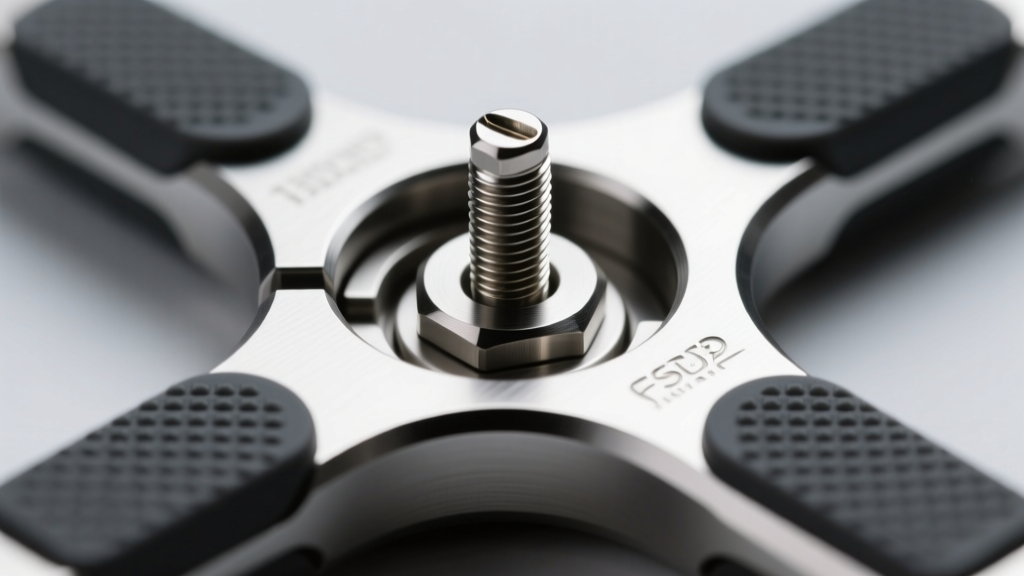
Spring-Loaded Tweezer Clamps
These rely entirely on the elastic potential energy of a tempered steel spring. They are best suited for ultra-lightweight chains (e.g., 1.5mm cable or box chains weighing under 30 grams). The primary vulnerability is spring fatigue; repeated overextension during application will permanently deform the spring, rendering the clamp useless.
Adjustable Clover (Tongue) Clamps
Clover clamps utilize a leverage-based hinge system. As downward pressure is applied to the chain, the leverage multiplies the clamping force on the tissue. High-end clover clamps feature threaded set screws that allow the wearer to manually calibrate the maximum closure gap. This mechanical advantage makes them the only safe choice for medium-to-heavy statement chains.
The Crucial Role of Silicone Sleeves and Durometer Ratings
Bare metal on sensitive tissue creates a high-friction, low-compliance interface that can lead to ischemic shearing. Premium nipple clamp necklaces utilize medical-grade silicone sleeves to distribute pressure.
The hardness of these sleeves is measured using the Shore A durometer scale:
- Shore 30A-40A (Soft): Provides maximum compliance and grip, ideal for beginners or prolonged wear. However, softer silicones are more prone to tearing if exposed to petroleum-based lubricants or harsh cleaning solvents.
- Shore 50A-60A (Medium-Firm): Offers a more rigid grip, preferred by advanced wearers who require higher tension to support heavier avant-garde pendants.
Ergonomic Data: Matching Chain Profiles to Clamp Types
Selecting the correct hardware combination is critical for preventing mechanical failure and tissue injury. Refer to the matrix below for optimal pairings.
| Chain Profile | Average Weight (16-inch) | Recommended Clamp Type | Required Sleeve Durometer |
|---|---|---|---|
| 1.5mm Cable / Box | 15 - 25 grams | Spring-Loaded Tweezer | Shore 40A (Soft) |
| 4mm Rope / Mariner | 60 - 90 grams | Heavy-Duty Tweezer / Light Clover | Shore 50A (Medium) |
| 8mm Curb / Figaro | 120 - 160 grams | Adjustable Clover (Tongue) | Shore 60A (Firm) |
| 12mm+ Cuban Link | 180+ grams | Dual-Hinge Clover w/ Set Screws | Shore 60A + Neoprene Pad |
Physiological Safety and Wear Limits
Tension jewelry restricts local capillary blood flow. The fundamental safety metric is the capillary refill test. If the tissue distal to the clamp turns pale and does not return to its baseline color within 2 seconds of releasing pressure, the tension is too high, risking localized necrosis.
Time Limits: Novice wearers should limit continuous wear to 45–60 minutes. Experienced individuals can safely extend this to 3–4 hours, provided the necklace is removed immediately if sharp, radiating pain or coldness occurs in the tissue.
The Quick-Release Protocol: Always ensure the clasp of the necklace chain (e.g., a lobster claw or magnetic breakaway) is weaker than the grip of the clamps. In the event the chain snags on an external object, the necklace should break at the clasp, not tear the clamps from the body.
Sterilization and Long-Term Maintenance
Proper maintenance ensures the mechanical integrity of the piece and prevents dermatological complications.
- Ultrasonic Cleaning: Remove silicone sleeves before placing the metal components in an ultrasonic cleaner with a mild enzymatic solution. This removes sebum and dead skin cells from the hinge mechanisms that can cause mechanical binding.
- Silicone Care: Wash sleeves with warm water and unscented antibacterial soap. Never use alcohol or silicone-based lubricants, which will break down the polymer chains and cause the sleeves to become brittle and snap under tension.
- Thread Maintenance: For adjustable clover clamps, apply a microscopic drop of synthetic watch oil to the set screw threads every six months to prevent cross-threading and galvanic corrosion.
By treating the nipple clamp necklace as a precision-engineered garment rather than a novelty item, wearers can safely explore the boundaries of avant-garde fashion without compromising physiological integrity.


