Octavie Pendant Necklace Value: Is It Worth the Price?
We break down the true cost, material grades, and retail markup of the Octavie pendant necklace to help you decide if it's a worthy investment.

The Anatomy of the Octavie Pendant Necklace
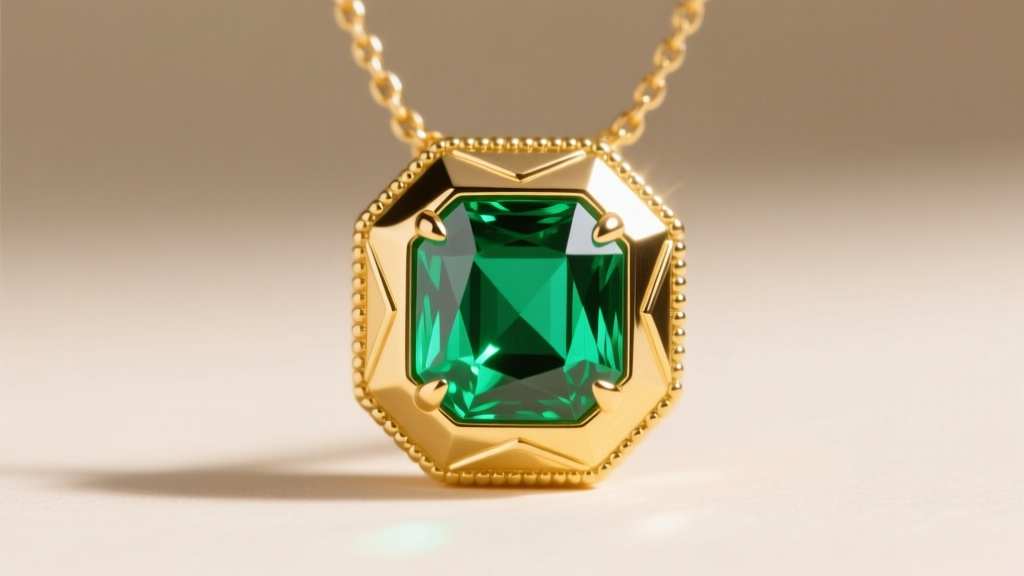
The Octavie pendant necklace has cemented its place in modern jewelry boxes, bridging the gap between vintage Art Deco geometry and contemporary minimalism. Characterized by its distinct eight-sided bezel and the frequent use of step-cut gemstones, the Octavie design is a masterclass in symmetrical elegance. However, as gold prices and gemstone valuations continue to fluctuate in 2026, consumers are rightfully asking: does the retail price of an Octavie pendant necklace reflect its intrinsic value, or are you paying a premium purely for the geometric aesthetic?
To conduct a proper budget and value assessment, we must look past the marketing imagery and examine the metallurgy, gemological requirements, and hardware mechanics that dictate the true cost of these pieces. Whether you are eyeing an entry-level vermeil option or a high-jewelry natural emerald piece, understanding the anatomy of the Octavie pendant is your first line of defense against inflated retail markups.
Material Breakdown: What Are You Actually Paying For?
The value of any fine jewelry piece is anchored in its raw materials. The Octavie pendant’s defining feature—its sharp, octagonal bezel—requires specific metal properties to maintain its structural integrity over time.
Gold Alloys: 14k vs. 18k
When shopping for a solid gold Octavie pendant, you will primarily encounter 14k and 18k options. Pure 24k gold is far too soft to hold the precise 45-degree angles of an octagonal bezel without warping.
- 14k Gold (58.5% Pure Gold): Alloyed with higher percentages of copper, silver, and zinc. This makes the metal significantly harder and more resistant to scratching. For an Octavie pendant that will be worn daily, 14k gold offers superior prong and bezel security, especially at the vulnerable corners of the octagon.
- 18k Gold (75% Pure Gold): Offers a richer, deeper yellow hue and is hypoallergenic, but it is inherently softer. If you choose an 18k Octavie pendant, ensure the jeweler has used reinforced corner prongs or a thick, cast bezel wall to prevent the metal from wearing down and releasing the gemstone.
The Step-Cut Gemstone Factor
The Octavie design is almost universally paired with octagonal step-cut gemstones, such as emerald cuts or Asscher cuts. According to the Gemological Institute of America (GIA), step cuts feature large, open facets that act like a hall of mirrors. While brilliant cuts (like round diamonds) hide inclusions well, step cuts expose them. Therefore, a high-value Octavie pendant must feature a gemstone with a minimum clarity grade of VS1 (Very Slightly Included) to ensure the stone appears eye-clean. Paying premium prices for an SI1 or I1 clarity step-cut gem in an Octavie setting is a poor financial decision, as the flaws will be glaringly obvious.
Pricing Tiers and Retail Markup Analysis
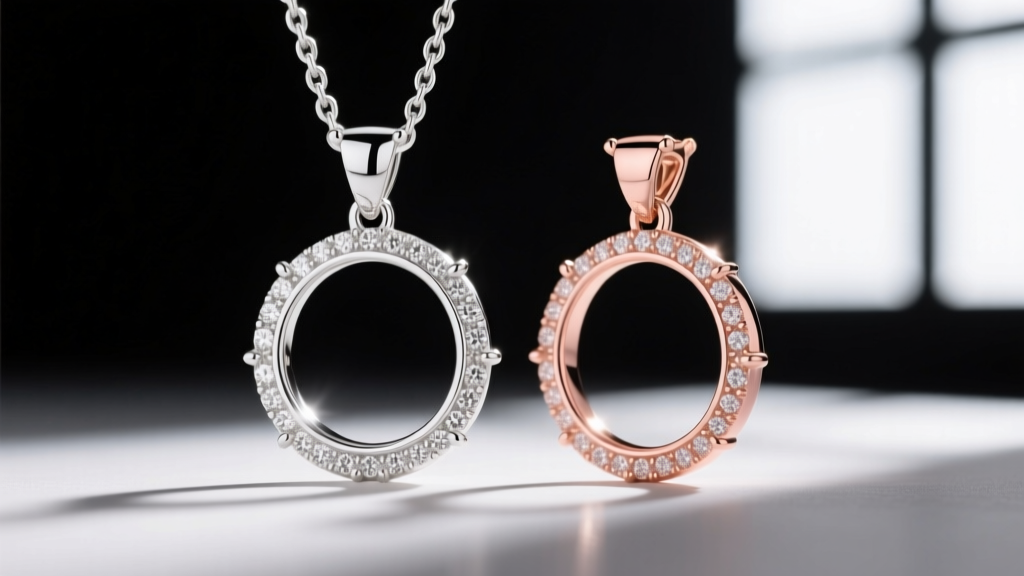
To determine if an Octavie pendant necklace is priced fairly, we must segment the market into three distinct tiers. The retail markup in the jewelry industry can range from 100% to over 400%, depending on the brand's prestige and the distribution channel. Below is a 2026 market breakdown of what you should expect to pay versus the intrinsic melt and gem value.
| Market Tier | Metal & Weight | Gemstone Quality | Retail Price Range | Intrinsic Value Ratio |
|---|---|---|---|---|
| Entry-Level | 10k/14k Vermeil (2-4g) | CZ, Glass, or Chalcedony | $120 - $350 | Low (10-15%) |
| Mid-Tier | Solid 14k Gold (5-8g) | Lab-Grown Emerald/Sapphire (VS) | $850 - $1,600 | Medium (35-45%) |
| Luxury | Solid 18k Gold (8-12g) | Natural Step-Cut (VVS, Vivid) | $4,000 - $9,500+ | High (60-75%) |
The Mid-Tier Sweet Spot: In 2026, the mid-tier market offers the best value proposition. Lab-grown emeralds and sapphires have achieved near-perfect color saturation and clarity, allowing jewelers to set flawless step-cut stones in solid 14k gold without the astronomical markup associated with mined stones. If you are budgeting between $1,000 and $1,500, you should demand solid 14k gold and a high-grade lab-grown center stone with excellent symmetry.
Chain Mechanics and Hardware Durability
A common failure point in budget-assessed jewelry is the chain and clasp. The Octavie pendant, particularly when cast in solid gold with a dense gemstone, carries significant front-loaded weight. A delicate, lightweight chain will not only snap under the pendulum effect of daily wear but will also cause the pendant to flip constantly, hiding the geometric face.
Pro Tip: When evaluating an octagonal step-cut gemstone, always request a loupe view of the corners. The Gemological Institute of America (GIA) notes that step cuts are highly unforgiving of inclusions, and corner chips are a common failure mode in poorly set geometric pendants.
Selecting the Right Chain
For an Octavie pendant weighing between 4 and 8 grams, a standard cable chain is insufficient. You should look for a box chain or a Wheat (Spiga) chain in a 1.2mm to 1.5mm thickness. These chain styles distribute weight evenly and resist kinking. Furthermore, ensure the necklace is equipped with a sturdy lobster clasp rather than a spring-ring clasp, which is prone to mechanical failure when subjected to the lateral pull of a heavy pendant.
Durability and Everyday Wear Assessment
Geometric jewelry requires specific care. The eight corners of the Octavie bezel are impact zones. If you work with your hands or frequently type at a desk, the bottom corner of the pendant will strike surfaces, eventually wearing down the metal and compromising the gemstone's seat.
To mitigate this, high-value Octavie pendants utilize a 'V-prong' or a reinforced corner bezel design. According to the Federal Trade Commission's Jewelry Guides, any piece marketed as 'solid gold' must meet strict karatage thresholds, but the FTC does not regulate structural durability. It is up to the consumer to inspect the setting. If the corners of the gemstone are held by simple, thin, round prongs, the pendant is designed for occasional wear, not daily use, which severely impacts its long-term value proposition.
The Verdict: Budgeting for Your Octavie Piece
Is the Octavie pendant necklace worth the investment? The answer depends entirely on where you position yourself on the pricing spectrum.
If you are purchasing an entry-level vermeil piece for under $300, view it as a fashion expense rather than an investment. The intrinsic value is negligible, and the gold plating will eventually wear off the high-friction octagonal edges.
However, if you are allocating a budget of $1,000 to $2,500 for a solid 14k or 18k gold Octavie pendant featuring a high-clarity lab-grown or responsibly sourced natural step-cut gemstone, the value proposition is exceptionally strong. The timeless, symmetrical geometry of the Octavie design ensures it will never look dated, and the heavy metal weight of a quality cast piece provides a reliable baseline of intrinsic value. By prioritizing metal weight, corner reinforcement, and step-cut clarity over brand prestige, you can acquire an Octavie pendant that is both a stunning sartorial anchor and a financially sound addition to your jewelry portfolio.


