Ogun Necklace Care: Cleaning Iron, Beads, and Thread
Learn how to properly clean and maintain your Ogun necklace. Expert tips on preventing rust on iron, washing green and black beads, and restringing.

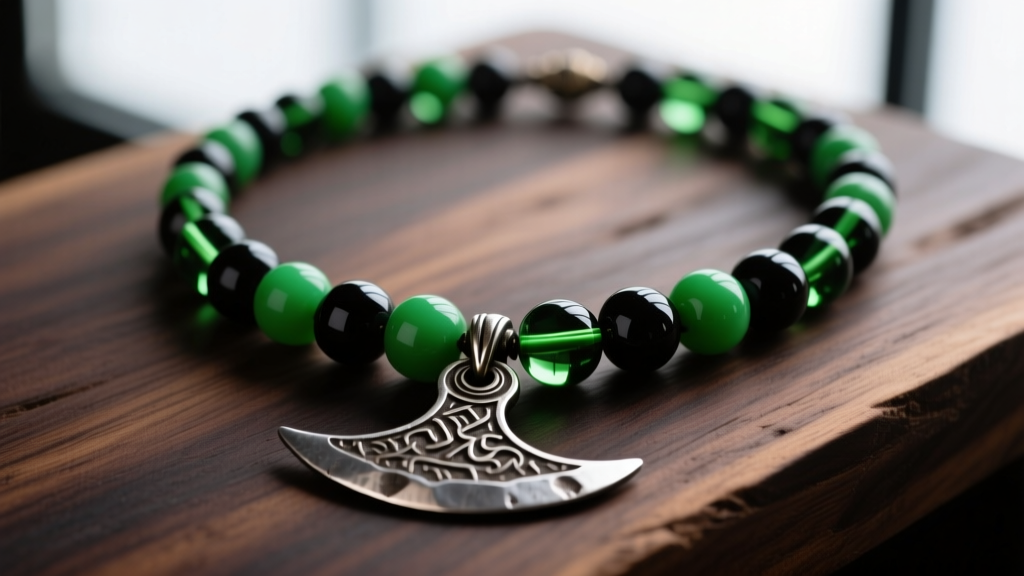
An Ogun necklace is far more than a standard piece of fashion jewelry; it is a sacred representation of the Orisha of iron, war, and labor. Whether you wear an eleke (beaded necklace) or a chain with forged metal tools, the physical materials used to craft these pieces require highly specific, science-backed maintenance. Because an Ogun necklace combines reactive metals, porous gemstones, and organic stringing materials, standard jewelry cleaning methods will often cause irreversible damage.
In this comprehensive care guide, we break down the exact metallurgical and gemological protocols required to maintain the structural integrity and spiritual purity of your Ogun necklace. From preventing oxidation on carbon steel to safely washing natural jet and coral, these actionable maintenance steps will ensure your necklace withstands daily wear and ritual use.
Understanding the Material Matrix
To properly care for an Ogun necklace, you must first identify its three core components, as each reacts differently to moisture, skin acids, and cleaning agents:
- The Metal: Traditionally forged iron or carbon steel, though some modern iterations use 316L stainless steel or brass.
- The Beads: Typically alternating green and black. These can be made of opaque glass, natural jet (azabache), dyed coral, or synthetic resins.
- The Stringing Material: Cotton, silk, or synthetic nylons, which are highly susceptible to degradation from sweat and friction.
Mixing these materials means you cannot simply submerge the entire necklace in a cleaning solution. Doing so risks rusting the iron, dissolving porous stones, and rotting the thread. A segmented, targeted approach is mandatory.
The Rust Factor: Caring for Iron and Steel Elements
Ogun’s primary metal is iron. Unlike gold or platinum, iron is highly reactive. When exposed to the chlorides and lactic acid present in human sweat, carbon steel and forged iron will begin to oxidize (rust) within hours. This rust not only weakens the metal but can also bleed onto adjacent green and black beads, causing permanent staining.
Safe Cleaning Agents for Carbon Steel
Never use water, ultrasonic cleaners, or commercial silver dips on the iron components of your Ogun necklace. Moisture is the enemy of carbon steel. Instead, use a dry, lint-free microfiber cloth to wipe down the metal immediately after wearing it. If the pendant has accumulated stubborn grime or skin oils, use a soft-bristled horsehair brush to gently dislodge debris from the crevices of forged tools like machetes or anvils.
Preventative Oiling and Waxing Techniques
To create a barrier against ambient humidity and skin acids, the iron elements must be sealed. Avoid using organic oils like olive or coconut oil, as these will eventually oxidize, turn rancid, and attract dust. Instead, apply a micro-thin layer of food-grade mineral oil or a specialized conservation wax like Renaissance Wax. Renaissance Wax, a microcrystalline wax developed by the British Museum, is the gold standard for sealing iron artifacts without altering their natural dark patina. Apply a small amount with a cotton swab, let it dry for ten minutes, and buff it gently with a clean cloth.
Washing the Beads: Green, Black, and Porous Stones
The beads on an Ogun necklace require cleaning protocols dictated by their Mohs hardness and porosity. While glass beads are relatively indestructible, many practitioners opt for natural stones that demand extreme caution.
According to the Gemological Institute of America (GIA), natural jet is essentially fossilized wood and is highly sensitive to heat and harsh chemicals. Similarly, if your necklace incorporates red coral accents to represent Ogun's fiery aspects, you must remember that coral is composed of calcium carbonate. As noted in the GIA's coral care guidelines, calcium carbonate will literally dissolve when exposed to acidic cleaners, vinegar, or even prolonged contact with acidic sweat.
| Bead Material | Mohs Hardness | Safe Cleaning Method | Strict Prohibitions |
|---|---|---|---|
| Opaque Glass | 5.5 - 6.5 | Mild dish soap and distilled water | Hydrofluoric acid, abrasive scrubs |
| Natural Jet | 2.5 - 4.0 | Dry microfiber cloth; occasional damp wipe | Ultrasonic cleaners, alcohol, heat |
| Red Coral | 3.5 - 4.0 | Damp cloth with pure distilled water only | ALL acids, vinegar, commercial jewelry dips |
| Synthetic Resin | 2.0 - 3.0 | Mild soap; dry immediately | Acetone, alcohol, prolonged soaking |
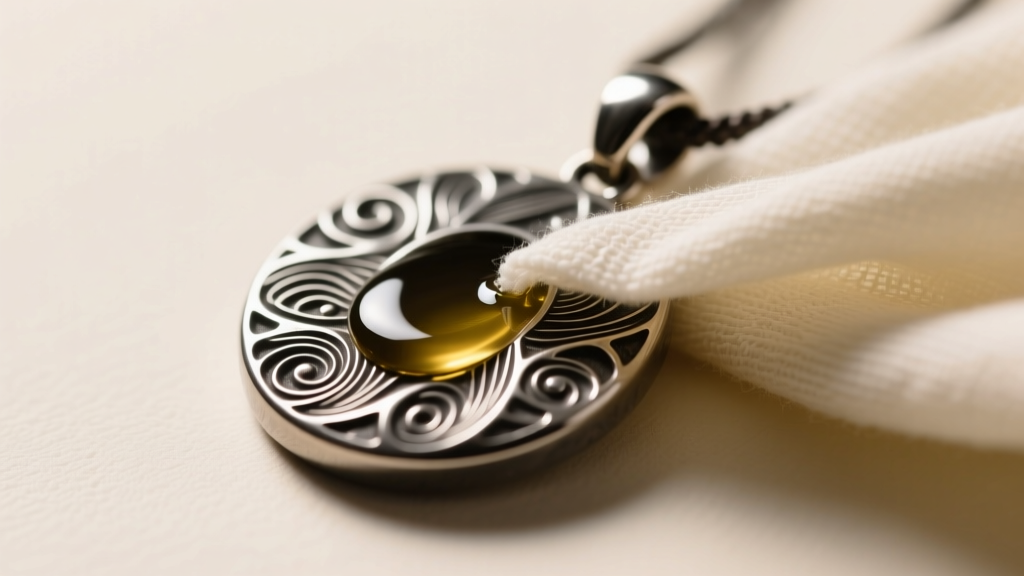
Actionable Routine: Dampen a soft cloth with distilled water (never tap water, as the minerals can leave a film) and gently wipe each bead individually. Dry them immediately with a separate towel. Never submerge the strand.
Thread and Knot Maintenance
The structural failure point of almost any beaded necklace is the stringing material. In the context of an Ogun necklace, which may be worn during physically demanding rituals or in hot, humid environments, sweat is a primary culprit in degrading the thread.
If your necklace is strung on cotton or silk, it has a limited lifespan. Cotton absorbs moisture and rots, while silk degrades rapidly when exposed to the salts in human perspiration. When it is time to restring your necklace, demand the use of bonded nylon thread (such as Nymo Size D or Silamide). Bonded nylon is impervious to sweat, resists UV degradation, and possesses a high tensile strength that prevents snapping under the weight of heavy iron pendants.
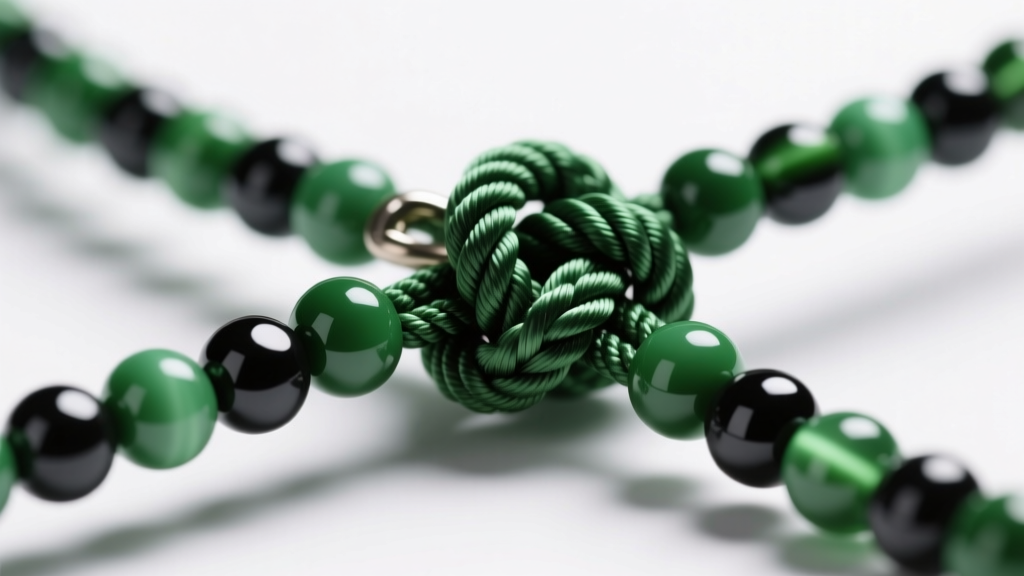
Furthermore, ensure the artisan uses a surgeon’s knot secured with a microscopic drop of flexible cyanoacrylate (jewelry-grade glue) at the clasp and pendant bail. Standard overhand knots will slip and loosen over time due to the friction of the beads rubbing against one another.
Storage and Environmental Controls
How you store your Ogun necklace when it is not being worn is just as critical as how you clean it. Iron requires a low-humidity environment, while organic beads like coral and jet require a stable temperature to prevent cracking.
- Use Silica Gel Packets: Store the necklace in a sealed, airtight container or a heavy-duty ziplock bag along with two or three silica gel desiccant packets. This pulls ambient moisture out of the air, drastically slowing the oxidation process on the iron.
- Avoid Direct Sunlight: Prolonged UV exposure will fade dyed green beads and cause natural jet and coral to become brittle and crack.
- Lay Flat or Hang Properly: Heavy iron pendants will stretch nylon thread over time if the necklace is hung on a standard jewelry hook. Store the necklace flat in a lined jewelry box, or use a padded hanger designed for heavy statement pieces.
Troubleshooting Common Failure Modes
Even with meticulous care, issues can arise. Here is how to troubleshoot the most common problems associated with Ogun necklaces:
Issue: Rust Bleeding onto Green Beads
The Cause: The iron pendant was exposed to moisture, and the resulting rust transferred to the adjacent glass or stone beads via capillary action.
The Fix: Immediately remove the pendant from the strand. Clean the stained beads using a cotton swab dipped in isopropyl alcohol (only if the beads are confirmed glass; do not use on jet or coral). Seal the iron pendant with Renaissance Wax before restringing.
Issue: Thread Stretching and Sagging
The Cause: The weight of the forged iron tools has exceeded the tensile memory of the stringing material, or the thread was not pre-stretched during assembly.
The Fix: The necklace must be restrung. Instruct your jeweler to pre-stretch the bonded nylon thread by pulling it taut and applying gentle friction with a leather pad before stringing the beads. This removes the initial elasticity and prevents future sagging.
Issue: Chalky White Film on Coral Beads
The Cause: Acid erosion from skin contact or exposure to harsh environmental pollutants, which eats away at the calcium carbonate.
The Fix: Unfortunately, acid etching on coral is permanent. To prevent further degradation, wipe the coral with a dry, soft cloth immediately after every wear and apply a microscopic layer of mineral oil to restore its luster and provide a temporary moisture barrier.
By respecting the unique material science behind your Ogun necklace, you ensure that this powerful symbol remains physically intact and visually striking for generations. Proper care is not just about maintenance; it is an ongoing act of respect for the materials and the traditions they represent.


