Orange Statement Necklace Buying Guide: 2026 Trends & Tips
Discover how to choose the perfect orange statement necklace in 2026. Learn about materials, weight distribution, gemstone grades, and styling tips.

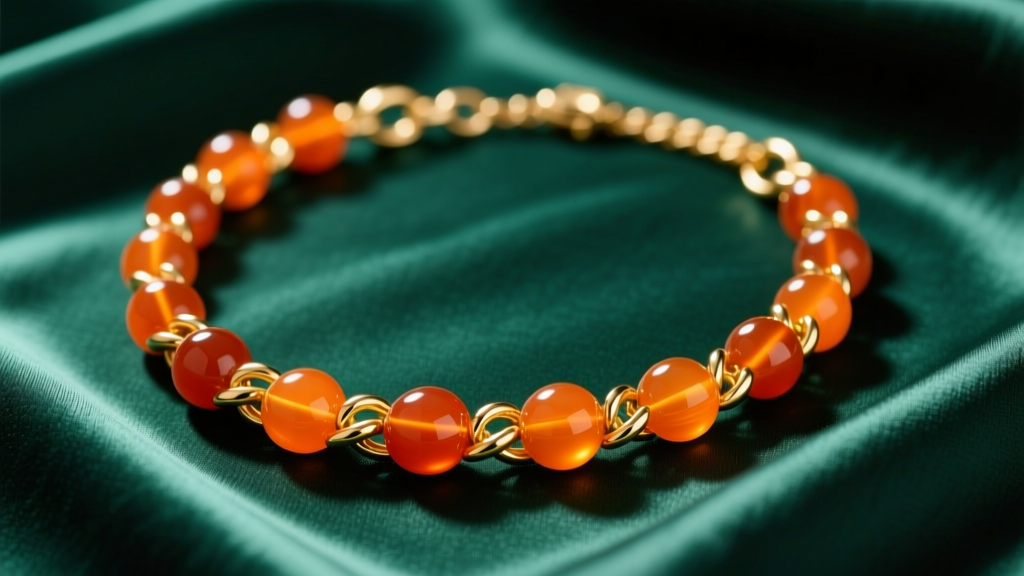
The Resurgence of Bold Hues: Why Orange Dominates 2026
In the landscape of 2026 jewelry trends, dopamine dressing has evolved from a fleeting social media fad into a permanent staple of high-impact personal style. At the center of this chromatic revolution is the orange statement necklace. Unlike the subtle, minimalist gold chains that dominated the early 2020s, today's collectors and style enthusiasts are gravitating toward high-saturation, architecturally bold pieces that command attention. However, purchasing a statement piece of this magnitude requires navigating a minefield of cheap plastics, poorly balanced hardware, and synthetic dyes that fade within months. This comprehensive buying guide will equip you with the gemological and structural knowledge necessary to invest in an orange statement necklace that is as durable as it is visually striking.
The Anatomy of a High-Quality Statement Piece
A true statement necklace is an engineering feat as much as an aesthetic one. When evaluating an orange statement necklace, you must look beyond the color and assess the 'chassis'—the underlying structure that supports the focal elements. The most common failure point in bold, oversized necklaces is poor weight distribution. A piece that exceeds 85 grams will cause severe neck strain and collarbone bruising if the weight is not evenly dispersed across a contoured, multi-strand, or wide-link chain base. Furthermore, the termination points (where the chain meets the clasp) must feature reinforced jump rings that are soldered shut, rather than simply bent closed, to prevent the piece from snapping under its own kinetic stress during wear.
Material Breakdown: Gemstones vs. Resin vs. Enamel
The vibrant orange spectrum can be achieved through a variety of materials, each with distinct physical properties, price points, and longevity profiles. Understanding these differences is critical when assessing the true value of a piece.
| Material | Mohs Hardness | Weight Profile | Avg. Price Range | Longevity & Risks |
|---|---|---|---|---|
| Natural Carnelian | 6.5 - 7.0 | Heavy (90g+) | $120 - $450 | Highly durable; may fade if exposed to prolonged direct UV light. |
| Oregon Sunstone | 6.0 - 6.5 | Medium (60-80g) | $250 - $800+ | Excellent; copper inclusions create unique schiller but can scratch. |
| Epoxy Resin | N/A (2-3) | Light (30-50g) | $45 - $150 | Good; avoid UV-cured resins which yellow via photo-oxidation. |
| Guilloché Enamel | N/A (5-6) | Medium (50-70g) | $200 - $900 | Fragile; glass-like enamel can chip or shatter upon hard impact. |
According to the Gemological Institute of America (GIA), carnelian remains the most historically significant and widely used orange chalcedony in jewelry. When buying carnelian statement pieces, look for stones with a rich, uniform reddish-orange hue. Be wary of 'agate' dyed with iron nitrate to mimic carnelian; dyed stones often exhibit concentrated color banding under magnification. For modern, avant-garde designs, high-grade two-part epoxy resin is the superior choice over UV resin. UV-cured resins are notorious for yellowing within 6 to 12 months due to photo-oxidation, which will quickly turn a vibrant tangerine piece into a muddy, brownish-yellow.
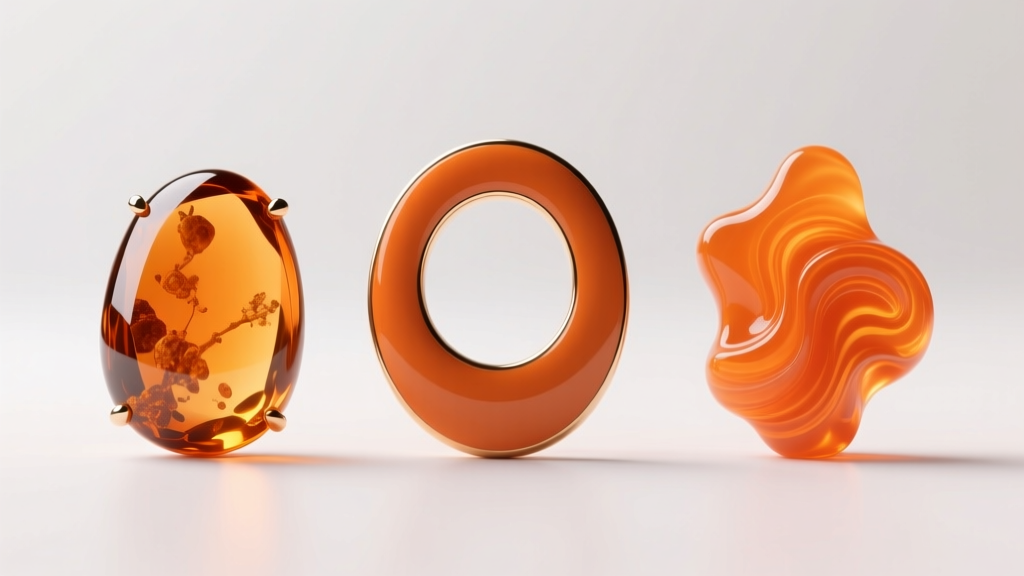
Color Theory: Matching Orange to Your Skin Undertone
Orange is not a monolith. The wrong shade of orange can wash out your complexion, while the right shade will create a luminous, harmonious contrast. To select the ideal orange statement necklace, you must first identify your skin's undertone.
Warm Undertones (Golden, Peachy, Yellow)
If your veins appear green in natural light, you likely have warm undertones. You should gravitate toward earthy, grounded oranges. Look for necklaces featuring burnt orange, terracotta, rust, and amber. These shades complement the natural golden warmth of your skin without creating a harsh visual clash. Heat-treated carnelian and natural Baltic amber are your best material bets here.
Cool Undertones (Pink, Red, Bluish)
If your veins appear blue or purple, you have cool undertones. True, fiery orange can sometimes look jarring against cool skin. Instead, seek out oranges that lean slightly toward pink or yellow. Coral, peach-orange, and papaya are incredibly flattering. Pieces utilizing poured resin with a slight pinkish-coral tint, or peach moonstone with orange flashes, will provide a sophisticated, balanced look.
Neutral Undertones
If you cannot easily discern whether your veins are blue or green, you have neutral undertones. You possess the versatility to pull off the most challenging, high-voltage shades of orange. True tangerine, vivid pumpkin, and spiced marigold will look spectacular. This is where you can confidently invest in bold, opaque guilloché enamel or highly saturated epoxy resin pieces.
Hardware and Weight Distribution: The Hidden Flaws
The most exquisite orange gemstone bib will be rendered unwearable if the hardware is substandard. Statement necklaces routinely weigh between 70 and 150 grams. Standard 8mm spring-ring clasps, commonly found on mass-market jewelry, are engineered to hold a maximum dynamic load of roughly 30 grams. Under the kinetic stress of walking or leaning forward, these small clasps will inevitably snap or deform.
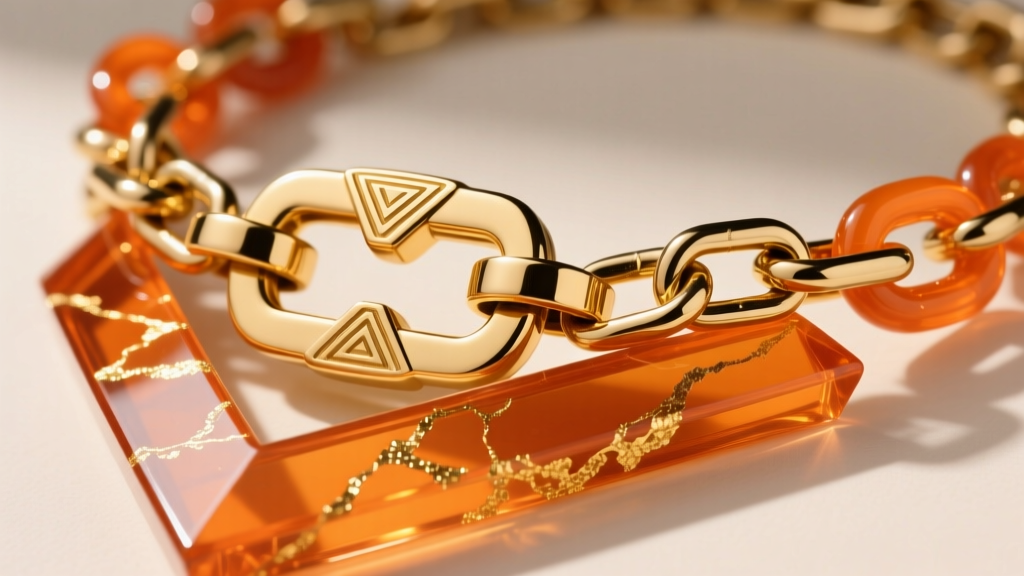
When inspecting a potential purchase, demand a minimum 12mm to 15mm lobster claw clasp. For pieces exceeding 120 grams, a N52-grade neodymium magnetic clasp is the gold standard for both security and ease of use. Furthermore, scrutinize the metal plating. In 2026, reputable artisans utilize PVD (Physical Vapor Deposition) coating over a solid brass or stainless steel base. PVD gold plating is up to 10 times more resistant to sweat and friction than traditional electroplating, ensuring the hardware won't turn your neck green or fade to a dull brass after a few wears. The Jewelers of America organization consistently recommends verifying plating methods and clasp integrity before investing in heavy statement pieces.
Neckline Pairing Framework for Bold Silhouettes
An orange statement necklace requires a strategic canvas. Pairing it with the wrong neckline will result in a cluttered, overwhelming silhouette. Use this framework to maximize the impact of your piece:
- The Boatneck (Bateau): The ultimate partner for a short, collarbone-grazing orange choker or a wide, rigid resin bib. The horizontal line of the boatneck frames the necklace perfectly without competing for space.
- The Deep V-Neck: Ideal for long, cascading orange pendant necklaces or Y-style lariat chains. The V-neck elongates the torso, allowing a 24-to-30-inch orange stone pendant to draw the eye vertically.
- The Scoop Neck: Best suited for multi-strand orange bead necklaces or graduated carnelian collars that sit neatly within the curve of the neckline, mimicking and enhancing its shape.
- The Collared Button-Down: For a high-fashion, editorial look, layer a chunky, geometric orange enamel necklace over the collar of a crisp white or navy shirt. The contrast between the rigid collar and the bold jewelry creates a striking, intentional aesthetic.
Maintenance and Storage of Orange Pigments
Orange is a notoriously volatile color in both nature and synthetic manufacturing. Natural stones like carnelian and amber can lose their vibrancy if subjected to prolonged, direct ultraviolet light—a process known as photobleaching. Similarly, cheaper dyed agates and tinted resins are highly susceptible to UV degradation. Always store your orange statement necklace in a dark, climate-controlled environment. Utilize anti-tarnish flannel pouches that block UV rays, and never leave the piece resting on a sunlit vanity. Additionally, avoid exposing enamel or resin pieces to alcohol-based perfumes and harsh chemical sunscreens, which can dissolve the topcoat and leave the orange pigment looking cloudy and dull.
2026 Market Pricing & Final Verdict
When shopping for an orange statement necklace in 2026, expect to pay between $45 and $150 for high-quality, artisan-crafted epoxy resin or acrylic pieces with PVD-plated hardware. For genuine semi-precious stones like natural carnelian or Oregon sunstone, prices typically range from $150 to $600, depending on the carat weight and the complexity of the wire-wrapping or bezel settings. Fine jewelry pieces utilizing guilloché enamel and 18k gold will easily exceed $1,200.
Expert Rule of Thumb: If a heavy, oversized orange necklace features lightweight alloy hardware and an 8mm spring clasp, it is a fast-fashion piece destined to break. True statement jewelry requires structural engineering that matches its visual weight.
By prioritizing premium materials, robust hardware, and mindful color theory, your orange statement necklace will transcend seasonal trends, serving as a vibrant, enduring cornerstone of your jewelry collection for years to come.


