OSRS Necklace Stats: Troubleshooting Custom Amulets
Evaluate real-world OSRS necklace stats for replica amulets. Troubleshoot chain breaks, enamel fading, and skin irritation with our material guide.

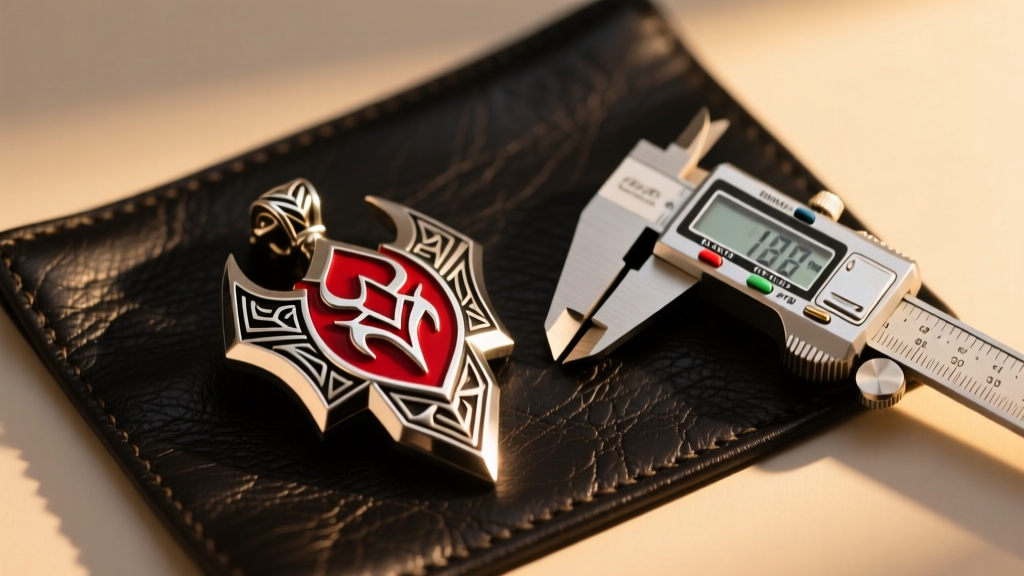
For dedicated fans of Old School RuneScape, wearing an Amulet of Fury, Glory, or Torture is the ultimate flex. However, the crossover between gaming and fine jewelry often results in frustrating real-world failures. Cheap replicas tarnish, heavy pendants snap delicate chains, and poorly cast alloys cause severe skin irritation. When evaluating osrs necklace stats for your next cosplay or daily wear piece, you must look beyond the in-game attack and strength bonuses and focus on metallurgical hardness, tensile strength, and structural load-bearing capacities.
As of 2026, the custom jewelry and cosplay meta demands high-fidelity replicas that can survive daily wear. This guide translates in-game bonuses into real-world jewelry specifications, providing actionable troubleshooting steps for the most common replica amulet failures.
The Real-World Meta: Translating In-Game Bonuses to Metallurgical Specs
In OSRS, an Amulet of Torture provides massive melee bonuses. In the real world, those 'stats' translate to the Vickers hardness (HV) and tensile strength of the base metal. Most mass-produced replicas sold on e-commerce platforms are cast from Zamak (a zinc alloy) or low-grade brass. While these materials capture the visual aesthetic, their structural stats are abysmal for daily wear.
- Zamak (Tensile Strength ~280 MPa): Highly brittle. If dropped on a hard surface, a Zamak Amulet of Fury is likely to fracture at the bail (the loop connecting the pendant to the chain).
- 316L Stainless Steel (Tensile Strength ~515 MPa): The gold standard for 2026 replica crafting. It offers a Vickers hardness of 150-190 HV, meaning it resists scratching and will not snap under the dynamic loads of walking or running.
- Sterling Silver 925 (Tensile Strength ~260 MPa): Excellent for high-end, detailed lost-wax castings, but too soft for heavy, un-backed pendants unless work-hardened or alloyed with a touch of copper for rigidity.
Material 'Defence' Stats: Troubleshooting Tarnish and Skin Irritation
The most common complaint among OSRS cosplay enthusiasts is the dreaded 'green neck' debuff. This is not a glitch; it is a chemical reaction. When base metals like brass or copper are exposed to the slightly acidic pH of human sweat, they oxidize and leave a green or black residue on the skin.
The 'Green Neck' Debuff: Base Metal Failures
If you have purchased a brass-cast Amulet of Glory and are experiencing skin irritation or discoloration, the pendant lacks a proper defensive barrier. To troubleshoot this, you must apply a physical barrier between the metal and your skin. According to The Silver Institute, even sterling silver can tarnish due to copper content, but base brass requires more aggressive intervention.
The Fix: Coat the back of the pendant with a specialized jewelry sealant like ProtectaClear or a high-grade clear polyurethane. For a permanent, high-stat upgrade, take the piece to a local jeweler and request a PVD (Physical Vapor Deposition) coating. A 0.5-micron layer of titanium nitride via PVD will render a brass amulet completely hypoallergenic and virtually scratch-proof, boosting its 'defence' stat to maximum.
Enamel Degradation on the Amulet of Glory
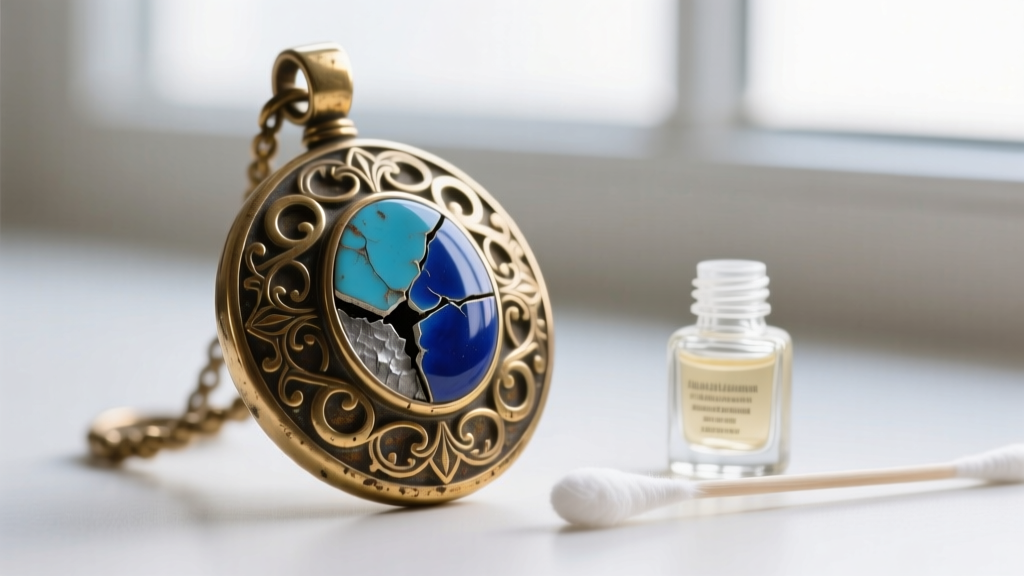
The Amulet of Glory features intricate blue and red inlays. Mass-market replicas use 'cold enamel' (essentially tinted epoxy resin), which has a Mohs hardness of roughly 2.5. It will scratch, yellow from UV exposure, and chip out of the recesses within months. True vitreous enamel (glass fused to metal at 1400°F) boasts a Mohs hardness of 5.5 to 6.5, making it vastly superior. As noted in gemological durability studies by the Gemological Institute of America (GIA), fused glass inlays require specific thermal expansion matching with the host metal to prevent micro-fractures.
The Fix: If your cold enamel is chipping, carefully clean the recess with isopropyl alcohol and use a two-part jeweler's epoxy tinted with mica powder to refill the void. Cure it under a UV lamp for a hardened, glass-like finish.
'Strength' Stats: Chain Gauges and Clasp Load-Bearing
A massive failure point in OSRS replica jewelry is the chain. Gamers often pair a heavy, solid-metal Amulet of Strength with a flimsy 1.2mm cable chain. The dynamic force of the pendant swinging while walking generates shear stress that easily exceeds the yield strength of thin chains, resulting in a snapped necklace and a lost amulet.
Pendant Weight vs. Chain Gauge Matrix
To ensure your necklace survives the rigors of conventions and daily wear, you must match the chain gauge (wire thickness) and clasp type to the exact weight of your pendant. Refer to the troubleshooting matrix below:
| Pendant Type (Example) | Average Weight | Minimum Chain Gauge | Recommended Chain Style | Required Clasp Type |
|---|---|---|---|---|
| Hollow Cast Amulet of Magic | 10g - 18g | 1.5mm - 2.0mm | Cable or Box Chain | Standard Spring Ring |
| Solid Brass Amulet of Glory | 25g - 40g | 2.5mm - 3.0mm | Curb or Figaro Chain | 10mm Lobster Clasp |
| Solid Steel/Bronze Amulet of Strength | 50g - 85g+ | 3.5mm - 5.0mm | Thick Curb or Rope Chain | Heavy Duty Toggle or 15mm Lobster |
Troubleshooting the Bail Loop: The bail (the loop at the top of the pendant) experiences the most friction. If your replica has a thin, unsoldered jump ring acting as a bail, it will eventually pull apart. Replace it with a 14-gauge (1.6mm thick) sterling silver or stainless steel jump ring, and ensure it is soldered shut or features a secure locking mechanism.
Sourcing High-Stat OSRS Jewelry in 2026
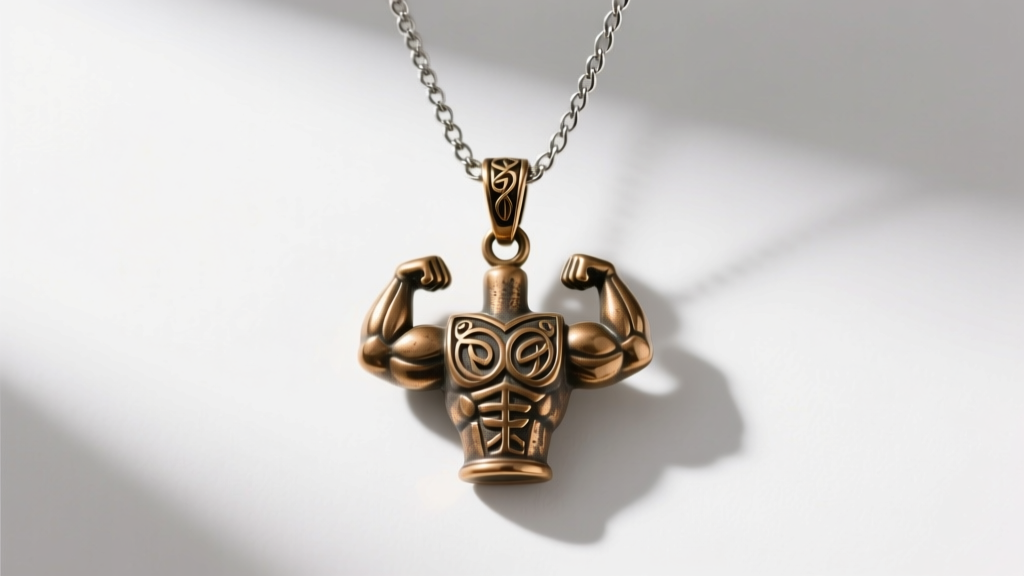
If you are tired of troubleshooting broken chains and fading enamels, it is time to upgrade your gear. The 2026 custom jewelry market is heavily reliant on CAD/CAM (Computer-Aided Design and Manufacturing) modeling combined with lost-wax casting. When commissioning a custom OSRS amulet from a jeweler, provide them with the following 'stat sheet' requirements:
- Material: Request 316L Stainless Steel for maximum durability and hypoallergenic properties, or Argentium Silver (960) for a premium, highly tarnish-resistant precious metal alternative.
- Inlays: Insist on vitreous enamel or precision-cut synthetic spinel gemstones set with bezels, rather than glued-in resin or acrylic.
- Findings: Specify that all jump rings and bail loops must be laser-welded or traditionally soldered. Cold-pressed jump rings are strictly prohibited for heavy pendants.
By treating your jewelry purchases with the same min-maxing mentality you apply to your OSRS character build, you can secure a replica amulet that not only looks authentic but possesses the real-world structural stats to last a lifetime. Stop settling for low-tier drops; equip your neck with high-tier metallurgy.


