5 Finger Necklace Materials: Steel, Silver & Tungsten
Discover the best metals for your 5 finger necklace pendant. We compare 316L steel, tungsten, and sterling silver for durability, weight, and skin safety.

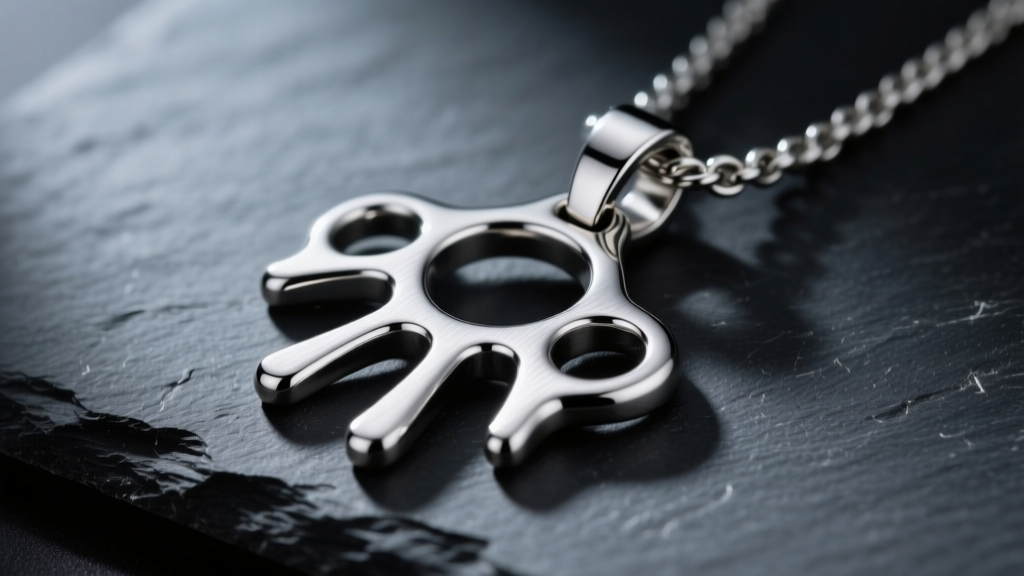
The Anatomy of a Heavy Statement Pendant
The 5 finger necklace—often manifesting as a brass knuckle motif, a clenched fist, or an articulated hand pendant—is a cornerstone of streetwear, goth, and alternative jewelry. Unlike delicate chains or minimalist pendants, a 5 finger necklace pendant is inherently top-heavy and bulky. These pieces typically weigh anywhere from 30 to over 80 grams, making the choice of metal not just an aesthetic decision, but a structural necessity.
When selecting a heavy statement piece, you must evaluate the metallurgical properties of the alloy. The wrong material can lead to severe skin irritation, rapid tarnishing, or catastrophic chain failure. In this comprehensive guide, we break down the exact material properties, failure modes, and maintenance protocols for the three most common metals used in 5 finger necklace pendants: 316L surgical stainless steel, .925 sterling silver, and tungsten carbide.
Material Breakdown: The Big Three
316L Surgical Stainless Steel: The Streetwear Standard
For heavy, aggressive designs like the 5 finger knuckle pendant, 316L stainless steel is the undisputed workhorse. The 'L' stands for low carbon, and this specific marine-grade alloy includes molybdenum, which drastically increases resistance to pitting and corrosion from acidic human sweat. According to metallurgical standards referenced by jewelry suppliers like Rio Grande, 316L steel meets the strict EU Nickel Directive for prolonged skin contact, making it highly hypoallergenic despite containing trace amounts of nickel locked within its crystalline structure.
Density and Weight: With a density of roughly 8.0 g/cm³, a steel 5 finger pendant will feel substantial without being unwearable. A standard 50mm x 30mm knuckle duster pendant in solid 316L steel will weigh approximately 45 grams. This is heavy enough to lay flat against the sternum but light enough to prevent excessive strain on a 4mm chain.
Failure Modes: Steel is highly malleable before casting but incredibly rigid once polished. It will not bend or warp under normal wear. However, cheap steel alloys (like 304 or ungraded 'Tibetan silver') lack molybdenum and will develop micro-rust spots when exposed to humidity and body oils.
.925 Sterling Silver: The Premium Heirloom Choice
If you are looking for a luxury iteration of the 5 finger necklace, .925 sterling silver is the premier choice. Composed of 92.5% pure silver and 7.5% copper (or sometimes zinc in modern tarnish-resistant alloys), sterling silver offers a brilliant, unmatched luster. The Gemological Institute of America (GIA) notes that the copper addition is strictly necessary for structural integrity, as pure 999 silver is far too soft to hold the intricate details of a fist or knuckle motif.
Density and Weight: Silver is significantly denser than steel (10.4 g/cm³). A 5 finger pendant cast in solid sterling silver will weigh roughly 30% more than its exact steel counterpart. This gives the piece a luxurious, premium 'heft' that collectors highly prize.
Failure Modes: With a Mohs hardness of just 2.5 to 3, sterling silver is highly susceptible to scratching. If your 5 finger pendant features high-polish knuckles or fingers, daily wear against zippers, desks, and other metals will result in a web of micro-scratches. Furthermore, the copper content guarantees oxidation (tarnish) when exposed to sulfur in the air and sweat, requiring regular polishing.
Tungsten Carbide: The Indestructible Option
Tungsten carbide has surged in popularity for men's heavy jewelry due to its extreme scratch resistance. It is not a pure metal but a composite of tungsten particles bound together by a metallic binder (usually cobalt or nickel). A tungsten 5 finger necklace pendant will maintain its mirror or brushed finish for decades without a single scratch.
Density and Weight: Tungsten is exceptionally dense (approx. 15.6 g/cm³). A solid tungsten knuckle pendant can easily exceed 90 grams. This extreme weight requires a highly specialized, thick chain to prevent bail failure.
Failure Modes: While tungsten ranks an 8.5 to 9 on the Mohs scale, its rigidity makes it incredibly brittle. If a heavy tungsten 5 finger pendant is dropped onto a hard tile floor, it can shatter or chip. Additionally, buyers must be wary of the binder: nickel-bound tungsten can cause severe contact dermatitis. Always verify that the piece uses a hypoallergenic cobalt or nickel-free binder.
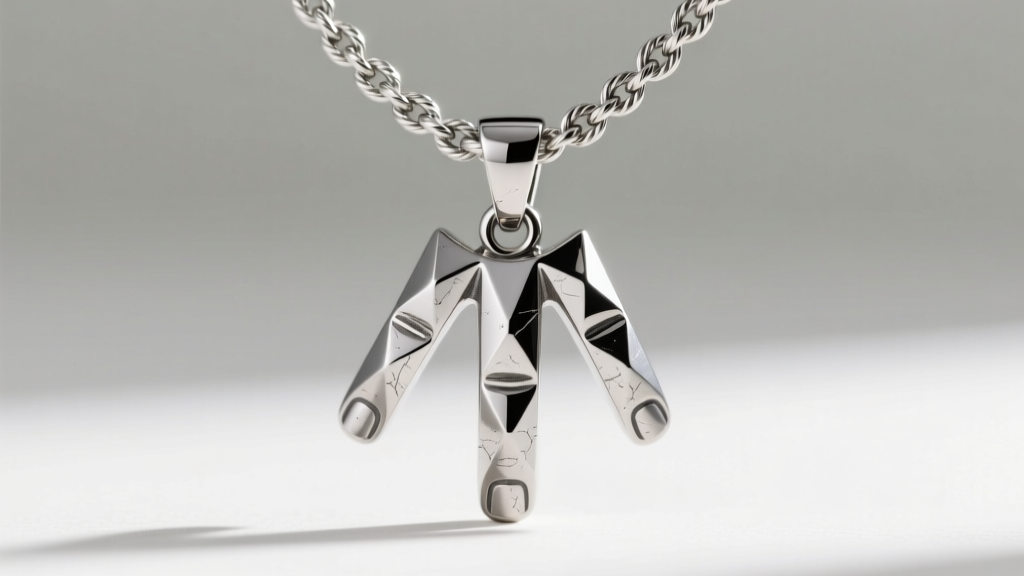
Comparative Data: Weight, Hardness, and Cost
To visualize the engineering differences between these materials, review the data table below. This assumes a standard 50mm x 30mm solid 5 finger knuckle pendant design.
| Material | Density (g/cm³) | Mohs Hardness | Avg. Pendant Weight | Maintenance Level |
|---|---|---|---|---|
| 316L Surgical Steel | 8.0 | 5.5 | ~45g | Low (Soap & Water) |
| .925 Sterling Silver | 10.4 | 2.5 - 3.0 | ~58g | High (Polishing Required) |
| Tungsten Carbide | 15.6 | 8.5 - 9.0 | ~85g | Zero (Shatter Risk Only) |
| Bronze/Brass (Budget) | 8.4 - 8.7 | 3.0 - 4.0 | ~48g | High (Patina & Skin Staining) |
Chain Pairing: Preventing Bail and Clasp Failure
The most common point of failure for a 5 finger necklace is not the pendant itself, but the hardware connecting it to the wearer. A 50-gram pendant generates significant kinetic force when the wearer walks, runs, or leans forward. This dynamic load can easily snap inferior chains or warp weak clasps.
Bail Dimensions and Friction
The bail (the loop the chain passes through) on a heavy 5 finger pendant must have an inner diameter of at least 5mm to 6mm. If the bail is too narrow, it will act like a saw blade against the chain links, eventually grinding through the metal. Pro-Tip: Thread a small, clear silicone o-ring or rubber spacer through the bail before adding the chain. This eliminates metal-on-metal friction and drastically extends the life of both your chain and your pendant.
Chain Gauge and Clasp Mechanics
Never pair a heavy 5 finger pendant with a chain thinner than 3mm. The ideal pairings are 4mm to 6mm Cuban links, Figaro chains, or thick Rope chains. Furthermore, you must avoid standard spring-ring clasps. The internal spring mechanism in a spring ring is not rated for the dynamic shock of an 80-gram tungsten pendant swinging outward. Always upgrade to a heavy-duty lobster clasp or, ideally, a custom box clasp with a secondary figure-8 safety latch.

Skin Reactivity and Maintenance Protocols
Because a 5 finger necklace pendant rests directly against the sternum—a high-sweat area of the body—skin reactivity is a primary concern.
- Steel and Tungsten: Generally inert. Wipe down weekly with a microfiber cloth and mild dish soap to remove sebum buildup.
- Sterling Silver: Store in an anti-tarnish ziplock bag with a silica gel packet when not in use. Use a specialized silver dip for deep oxidation in the crevices of the knuckle or fist design, but rinse thoroughly with distilled water afterward.
- Bronze and Brass: Often sold as budget alternatives for 5 finger pendants. These copper-heavy alloys will react with the acids in your sweat, creating copper chloride, which leaves a distinct green stain on your chest and clothing. If you choose bronze, you must coat the back of the pendant with clear nail polish or a specialized jewelry shield spray to create a barrier between the metal and your skin.
Final Verdict: Choosing Your Metal
Your choice of material for a 5 finger necklace should be dictated by your lifestyle and maintenance tolerance. If you want an aggressive, daily-wear streetwear piece that can survive the gym, the shower, and the elements without a second thought, 316L Surgical Stainless Steel is the undisputed champion. It offers the perfect balance of weight, hypoallergenic safety, and structural integrity.
If you are a jewelry collector seeking a luxury heirloom piece with a brilliant shine and a satisfying, heavy drape, invest in .925 Sterling Silver, provided you are willing to commit to a regular polishing routine. Finally, if you demand absolute scratch resistance and do not mind the extreme weight and shatter risk, a nickel-free Tungsten Carbide pendant will remain pristine for a lifetime. Whichever you choose, ensure your chain and clasp hardware are engineered to handle the substantial kinetic load of this iconic statement piece.


