The OSRS Occult Necklace IRL: Materials, Gauges, and Styling
Discover how to wear and craft an IRL OSRS occult necklace. We break down the best metal grades, chain gauges, and styling tips for gothic gaming jewelry.

From Digital Loot to Physical Metallurgy
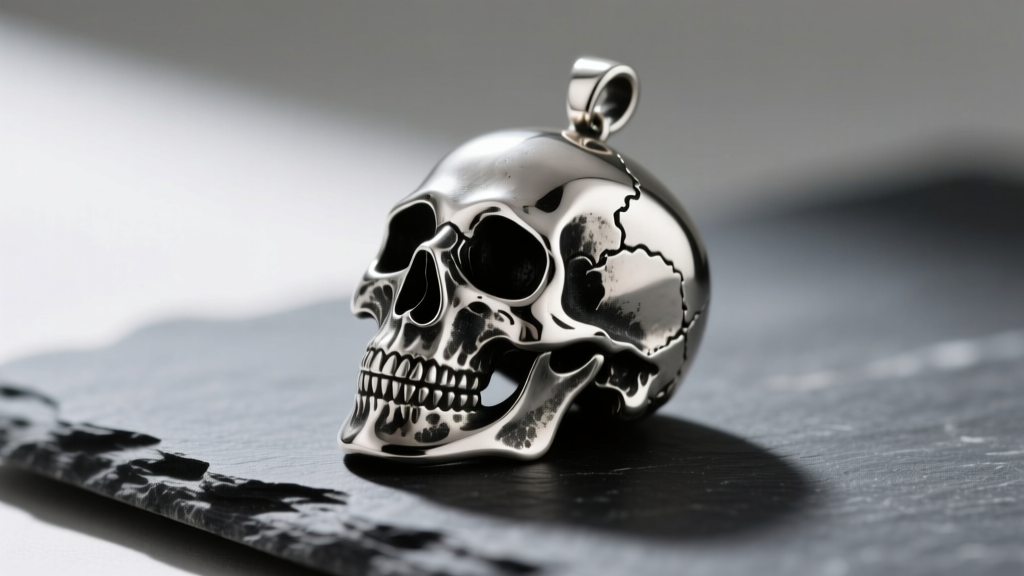
When fans of classic RPGs seek to recreate the iconic osrs occult necklace in the physical world, the transition from low-poly digital asset to high-fidelity wearable art requires serious jewelry crafting expertise. The occult necklace, characterized by its skull and bone motifs, represents a staple of dark fantasy aesthetics. However, translating this into a real-world pendant that avoids looking like a cheap plastic cosplay prop demands a deep understanding of metallurgy, casting techniques, and structural integrity. In this expert deep dive, we break down the exact material grades, chain gauges, and finishing techniques required to forge an authentic, heirloom-quality occult amulet.
The Anatomy of an Authentic Occult Pendant
The hallmark of any high-end gothic or occult pendant is dimensional depth. Flat, stamped metal lacks the visceral impact required for a skull or bone-motif amulet. Professional jewelers utilize lost-wax casting to achieve the necessary undercuts and organic textures. The process begins with a master model, often carved from jeweler's wax or 3D printed using high-resolution castable resin (minimum 25-micron layer height).
For a pendant of this size—typically measuring between 35mm and 50mm in length—the wax model must be properly sprued to allow molten metal to flow into the deepest crevices of the skull's eye sockets and nasal cavity without premature freezing. According to technical guidelines from Rio Grande, the burnout temperature for standard jewelry wax sits around 1350°F (732°C), ensuring a clean cavity in the investment plaster before the metal is introduced via centrifugal or vacuum casting.
Addressing Porosity and Shrinkage
A common failure mode in amateur occult jewelry is surface porosity—tiny pits that appear on the metal after polishing. This is often caused by moisture in the investment or an incorrect flask temperature. To combat this, the flask must be held at the burnout temperature for a minimum of two hours, and the casting grain must be properly fluxed with boron or copper to deoxidize the melt.
Metallurgy: Choosing the Right Alloy for Dark Aesthetics
The metal you choose dictates not only the weight and drape of the osrs occult necklace but also how it interacts with the skin and the environment. Dark fantasy jewelry relies heavily on contrast, meaning the alloy must take a chemical patina well while maintaining structural rigidity.
| Alloy | Composition | Vickers Hardness (HV) | Tarnish Rate | Best For |
|---|---|---|---|---|
| Sterling Silver (.925) | 92.5% Ag, 7.5% Cu | 60 - 75 | Moderate | High-end replicas, fine detailing |
| Jeweler's Bronze | 88% Cu, 12% Sn | 80 - 100 | High | Budget pieces, heavy antiquing |
| Grade 5 Titanium | Ti-6Al-4V | 349 | None | Hypoallergenic needs, CNC milling |
| White Gold (14K) | 58.5% Au, Ni/Zn/Cu | 120 - 140 | Low | Luxury accents, gemstone settings |
As noted by the Gemological Institute of America (GIA), sterling silver remains the premier choice for occult jewelry because the copper content reacts beautifully with sulfur-based antiquing solutions, allowing for deep, permanent blackening in the recesses of the skull motif while the high points remain polished.
Chain Selection: Gauge, Weave, and Clasp Mechanics
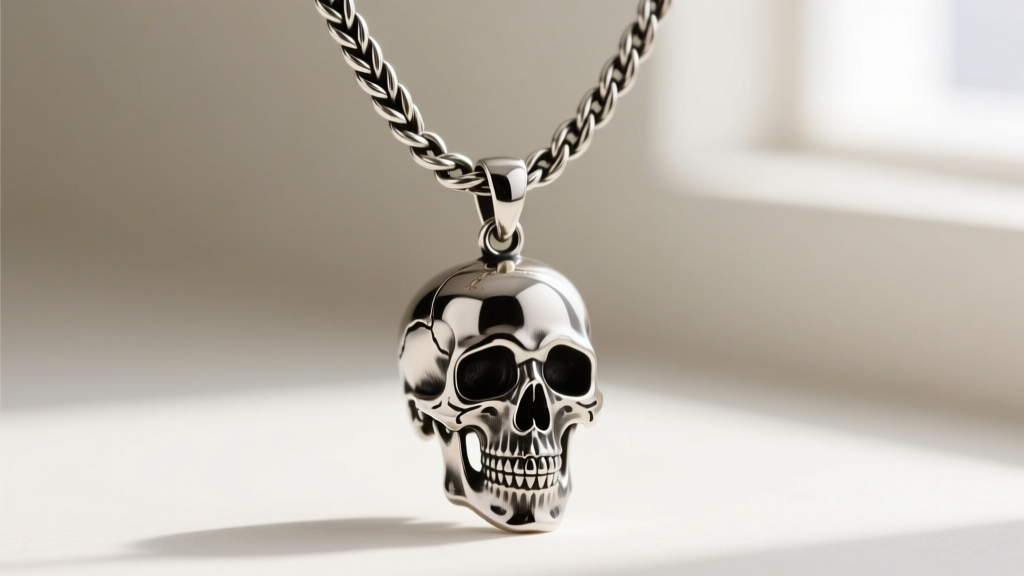
An intricate pendant is easily ruined by a flimsy, disproportionate chain. The osrs occult necklace demands a chain that reflects its heavy, esoteric nature. We recommend avoiding standard cable or curb chains, which lack the necessary visual weight.
The Spiga (Wheat) Chain Advantage
The Spiga, or Wheat chain, is constructed from four strands of twisted oval links woven in the same direction. This creates a braided, rope-like texture that mimics organic materials like bone or woven leather. For a pendant weighing between 15 and 30 grams, a 3.5mm to 4.5mm width is the structural sweet spot. Anything thinner risks kinking under the pendant's dynamic load; anything thicker overpowers the amulet.
Clasp Hardware and Jump Rings
The connection point between the chain and the pendant bail is a critical failure point. Never use standard open jump rings for heavy pendants. Instead, utilize a soldered closed jump ring at the pendant bail, and connect it to the chain via a heavy-duty locking lobster clasp or a mechanical toggle. If a jump ring must be used, it should be forged from dead-soft sterling silver and soldered shut with hard-grade silver solder (melting point 1425°F) to prevent the ring from pulling apart under tension.
Chemical Antiquing: The Liver of Sulfur Process
To achieve the signature 'aged' look of an occult necklace, jewelers use Liver of Sulfur (LOS), a mixture of potassium sulfide, potassium polysulfide, and potassium thiosulfate. The chemical reaction between the sulfur and the copper in the sterling silver creates a layer of black copper sulfide.
- The Dilution Ratio: Mix 1 part solid LOS gel with 10 parts warm (not hot) distilled water. Hot water accelerates the reaction too quickly, leading to a flaky, unstable patina.
- Application: Submerge the pendant for 30 to 60 seconds. The metal will transition from yellow to copper, to purple, and finally to a deep matte black.
- Neutralization: Immediately plunge the piece into a baking soda and water bath to halt the chemical reaction.
- Highlighting: Use a fiberglass scratch brush or 1500-grit sanding paper to gently remove the black patina from the raised surfaces (the skull's cranium and cheekbones), leaving the deep crevices pitch black. This creates the high-contrast, three-dimensional effect essential to the occult aesthetic.
Styling the Occult Amulet: Necklines and Layering
Wearing an esoteric, skull-motif pendant in a modern wardrobe requires a strategic approach to proportion and layering. The goal is to integrate the piece as a sophisticated style anchor rather than a literal costume piece.
The Rule of Thirds in Layering
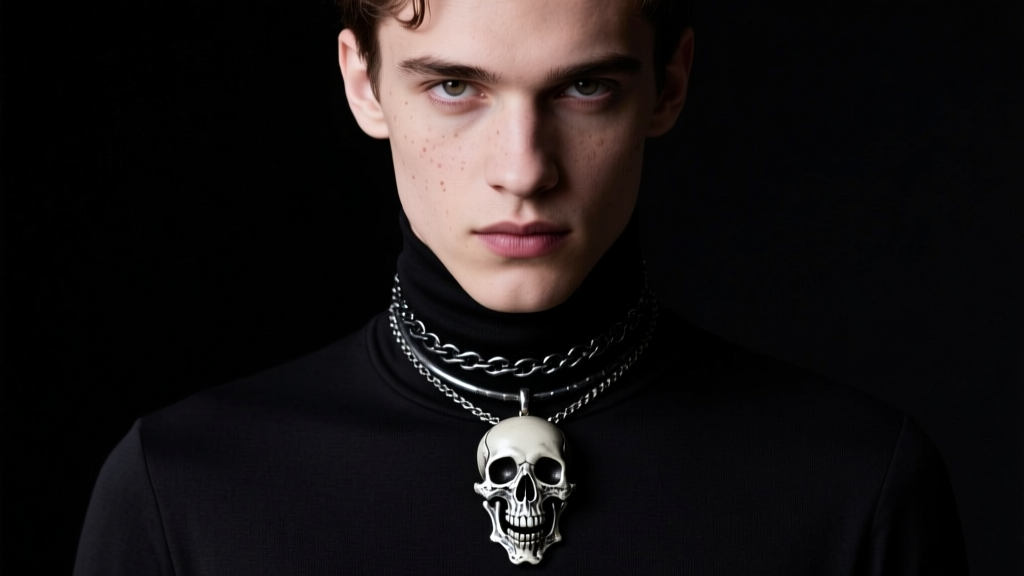
If you are layering the occult necklace with other chains, adhere to a minimum 2-inch gap between each necklace to prevent tangling and visual clutter. A highly effective layering stack for dark academia or gothic streetwear includes:
- Base Layer (18 inches): A minimalist 2mm oxidized silver rope chain or a black leather cord.
- Focal Layer (22 inches): The osrs occult necklace pendant, allowing the skull to rest precisely on the sternum.
- Accent Layer (26 inches): A heavy, unadorned 5mm Cuban link chain that frames the pendant without competing for attention.
Neckline Pairings
The occult pendant performs best against solid, dark, and structured fabrics. A black merino wool turtleneck provides a high-contrast canvas that makes the oxidized silver pop. Alternatively, a deep V-neck in charcoal or burgundy draws the eye directly down to the pendant. Avoid busy patterns, graphic tees, or loud tartans, as the intricate detailing of the skull motif will be lost in the visual noise.
Maintenance and Patina Preservation
Oxidized silver requires specific care to maintain its dark aesthetic. Standard silver polishes (like Tarn-X or liquid dips) are strictly forbidden, as they will strip the intentional Liver of Sulfur patina in seconds, leaving you with a flat, bright white pendant. Instead, clean the piece using a soft-bristled toothbrush and a mild, phosphate-free dish soap. When storing the necklace, keep it in an anti-tarnish cloth pouch rather than a standard plastic bag, which can trap humidity and cause unpredictable, patchy tarnishing on the polished high-points of the skull.


