Ozzy's Necklace AI Trend: 2026 Custom Casting Guide
Discover how to buy or cast custom gothic pendants from the Ozzy's necklace AI trend. Learn about 316L steel, black rhodium, and 3D printing specs.

The Rise of the Ozzy's Necklace AI Trend
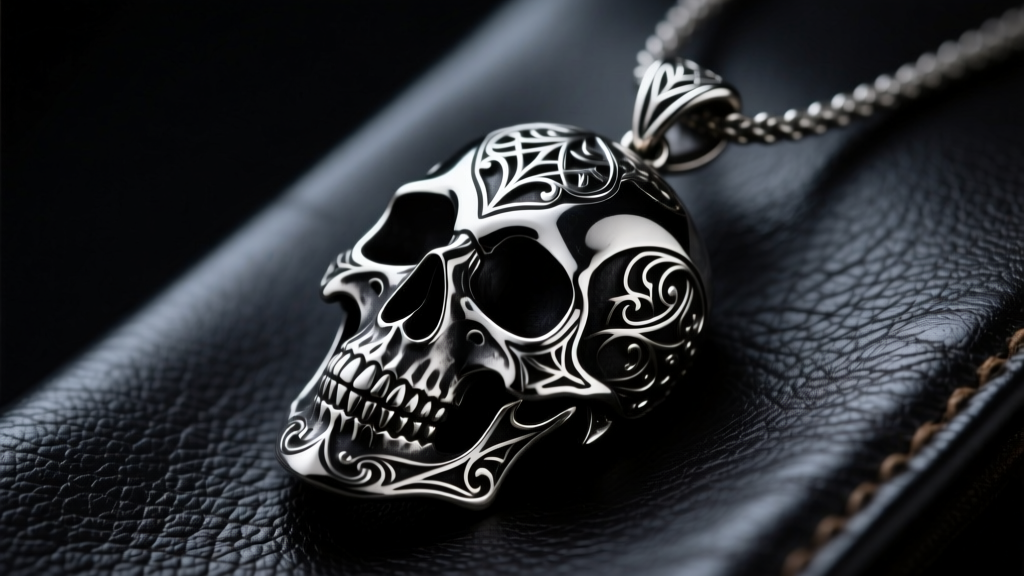
In 2026, the intersection of heavy metal aesthetics and generative artificial intelligence has birthed one of the most fascinating jewelry movements of the decade: the ozzy's necklace ai trend. Inspired by the legendary, oversized gothic crucifixes and macabre pendants worn by Ozzy Osbourne, jewelry enthusiasts and metalheads are now using advanced AI image generators like Midjourney v6.1 and DALL-E 3 to design hyper-detailed, surreal, and avant-garde gothic necklaces. However, generating a stunning 2D image is only the first step. Translating these AI-born nightmares and masterpieces into wearable, durable metal requires a deep understanding of CAD (Computer-Aided Design), metallurgy, and custom casting techniques.
This comprehensive buying and commissioning guide will walk you through the exact specifications, material grades, and structural requirements needed to bring an AI-generated gothic pendant to life, ensuring your custom piece is as durable as it is visually striking.
The AI-to-CAD Pipeline: From Prompt to Prototype
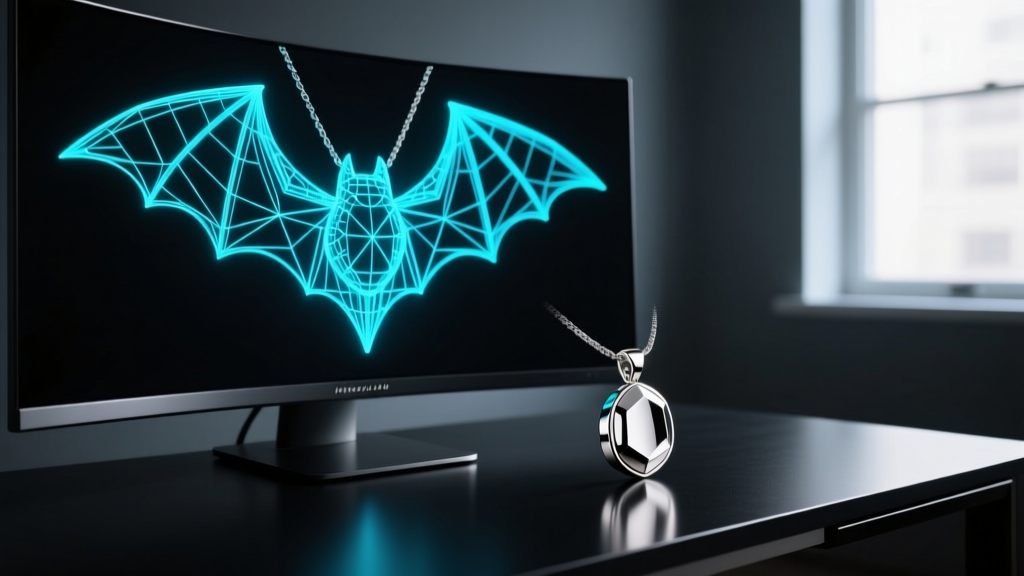
AI image generators output 2D pixel arrays, not 3D geometry. To cast a physical necklace, the AI concept must be converted into a printable 3D model (STL or OBJ file) and subsequently refined for jewelry manufacturing. This is where most amateur commissions fail.
Mesh Repair and NURBS Extraction
Tools like CSM.ai or Tripo3D can generate a base 3D mesh from your AI image, but these raw meshes are notoriously "messy," featuring non-manifold edges, inverted normals, and microscopic holes. A professional jewelry CAD designer must import this mesh into software like Rhino 8 or MatrixGold. They will use mesh-repair algorithms to solidify the model and, ideally, extract clean NURBS surfaces. This ensures the pendant has precise, mathematically smooth curves rather than jagged, pixelated artifacts when cast in metal.
Wall Thickness and Structural Integrity
AI tends to generate impossibly thin, spiky, or floating elements (e.g., detached bat wings or razor-thin scythe blades). In the physical world, these will snap or warp during the quenching process. When reviewing a CAD file for your ozzy's necklace ai design, enforce these minimum thickness rules:
- 925 Sterling Silver: Minimum 1.5mm wall thickness for structural integrity; 2.0mm for protruding spikes or delicate crossbars.
- 316L Stainless Steel: Minimum 2.0mm to 2.5mm due to the metal's higher shrinkage rate and rigidity during DMLS (Direct Metal Laser Sintering).
- Sprue and Gate Placement: Ensure your CAD designer plans the sprue (the channel where molten metal enters the mold) in a way that doesn't destroy intricate AI-generated facial details or gothic typography.
Material Selection for Heavy Metal Aesthetics
The dark, brooding aesthetic of Ozzy's iconic jewelry relies heavily on material choice and surface finishing. While traditional jewelers might push for white gold, the ozzy's necklace ai trend demands materials that can handle heavy oxidation, dark patinas, and significant weight.
| Material Grade | Casting Method | Aesthetic Finish | Durability & Weight | Estimated Cost (Relative) |
|---|---|---|---|---|
| 925 Sterling Silver | Lost-Wax Investment Casting | High polish, oxidized, or Black Rhodium plated | Heavy, highly detailed, prone to tarnish | $$$ |
| 316L Surgical Steel | DMLS (Laser Sintering) or Binder Jetting | Matte grey, brushed, or PVD black coating | Extremely durable, scratch-resistant, heavy | $$ |
| Silicon Bronze | Lost-Wax Investment Casting | Darkens naturally, warm undertones | Very heavy, can cause skin discoloration | $ |
The Black Rhodium vs. Ruthenium Debate
To achieve that pitch-black, gothic metal look on Sterling Silver, jewelers typically use electroplating. Black Rhodium is the industry standard, applied at a thickness of 0.25 to 0.5 microns. However, rhodium is relatively soft and will wear off on high-friction areas (like the bail or the back of the pendant) within 12 to 18 months. For a more permanent dark finish on your AI-generated piece, request Black Ruthenium. Ruthenium is a harder platinum-group metal that offers superior wear resistance while maintaining a deep, dark grey-black hue that perfectly suits heavy metal aesthetics.
Chain Pairing: Matching the Pendant's Weight
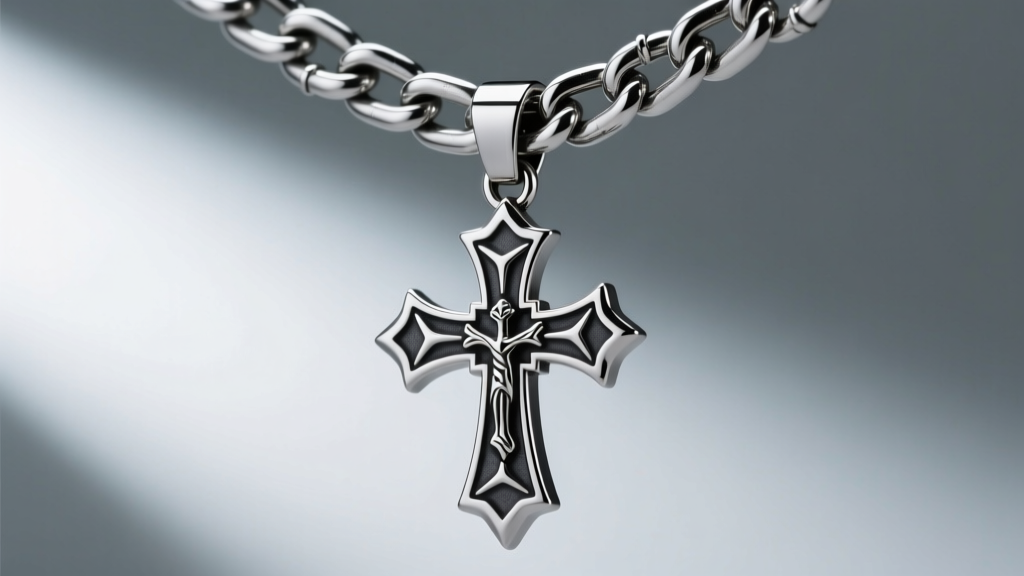
AI-generated gothic pendants are rarely minimalist. They are often dense, oversized, and heavy, frequently weighing between 80 grams and 200 grams. Pairing a 150-gram pendant with a standard 2mm cable chain is a recipe for disaster; the chain will snap under dynamic load (e.g., when headbanging or simply bending over).
Gauge and Tensile Strength Requirements
When sourcing a chain for your ozzy's necklace ai pendant, you must prioritize tensile strength and link construction. According to manufacturing standards outlined by experts at Ganoksin, the solder joints on standard chains are the weakest points under heavy stress.
- Recommended Styles: 5mm to 8mm Wheat (Spiga) chains, thick Cuban links, or solid box chains. These styles distribute weight evenly across multiple interlocking planes.
- Clasp Hardware: Avoid standard lobster clasps. The internal spring mechanism will fail under the pendulum effect of a heavy gothic cross. You must use a custom box clasp with a figure-8 safety catch, or a heavy-duty magnetic clasp rated for 50kg+ of tensile force.
- Jump Ring Welding: The jump ring connecting the pendant to the chain must be laser-welded, not merely silver-soldered. Laser welding fuses the stainless steel or silver at a molecular level without introducing a weaker solder alloy that can melt or fracture under friction.
Sourcing and Commissioning: What to Look For
Finding the right manufacturing partner to execute your AI design is critical. Many traditional retail jewelers do not possess the in-house 3D printing or DMLS capabilities required for complex, AI-generated geometries. When vetting a custom casting house or independent CAD jeweler, use this checklist:
Expert Insight: "Never send a raw AI-generated STL file directly to a caster without manual CAD cleanup. AI models often have internal voids that trap investment plaster during the burnout phase, leading to catastrophic casting failures and porous metal. Always demand a 'manifold-ready' CAD guarantee from your designer."
Questions to Ask Your Caster
- Do you use castable resin or wax? For highly detailed AI designs with deep undercuts, castable photosensitive resin (printed via DLP/SLA at 35-micron resolution) captures sharper details than traditional milling wax.
- What is your porosity mitigation process? Heavy silver pendants are prone to internal gas porosity. Ask if they use centrifugal casting with argon gas shielding or vacuum-assist casting to ensure a dense, void-free final product.
- Can you provide a render before casting? A professional will provide a ray-traced 3D render of the cleaned-up CAD model so you can approve the physical proportions, as AI images often distort scale and perspective.
Maintenance of Blackened and Textured AI Designs
Gothic AI jewelry thrives on high-contrast textures—deeply recessed areas that remain black, contrasting with raised, polished edges. Maintaining this contrast requires specific care routines.
Never use ultrasonic cleaners or harsh chemical silver dips on a blackened or ruthenium-plated pendant. Ultrasonic vibrations can fracture delicate, AI-generated spikes, while chemical dips will strip the intentional oxidation from the recessed areas, leaving the piece looking flat and lifeless. Instead, clean your pendant using a soft-bristled baby toothbrush, warm water, and a mild, phosphate-free dish soap. Dry it immediately with a microfiber cloth, and store it in an anti-tarnish flannel bag to preserve the dark patinas and metallic finishes that define the ozzy's necklace ai aesthetic.
Final Verdict
The ozzy's necklace ai trend represents a monumental shift in how we conceptualize and wear heavy metal jewelry. By combining the boundless, surreal creativity of generative AI with the rigorous, time-tested disciplines of metallurgy and CAD engineering, collectors can now wear one-of-a-kind masterpieces that were previously impossible to imagine, let alone manufacture. Whether you opt for the intricate detail of black-rhodium-plated sterling silver or the indestructible grit of DMLS-printed 316L steel, success lies in respecting the physical limitations of metal. Prioritize structural thickness, invest in laser-welded hardware, and partner with a caster who understands the dark, heavy soul of gothic jewelry.


