10 Different Types of Necklaces Dominating 2026 Trends
Explore 10 different types of necklaces defining 2026 trends. Expert analysis on materials, layering techniques, and styling for every neckline.


The 2026 Neckwear Landscape: Beyond Basic Layering
The jewelry industry has decisively pivoted from the ultra-minimalist layering of the early 2020s to what experts are calling "architectural fluidity" and "curated maximalism." When building a modern, versatile jewelry wardrobe, understanding the structural nuances of 10 different types of necklaces is essential for mastering 2026's aesthetics. This is no longer just about mixing lengths; it is about contrasting metal finishes, integrating advanced lab-grown gemstone cuts, and understanding the mechanical failure points of various chain weaves. Below, we break down the definitive styles shaping the current market, complete with material grades, pricing frameworks, and expert styling data.
The Core 10: Styles Defining the Year
1. The Sculptural Collar
Sitting flush against the collarbone at 14 to 15 inches, the modern collar has evolved from rigid vintage reproductions to fluid, liquid-metal designs. In 2026, hinged 316L surgical steel and cast recycled aluminum dominate the accessible market ($85–$220), while high-end iterations feature 18k solid gold with tension-engineered clasps that prevent warping. Pro Tip: Avoid hollow-tube collars under 2mm thickness, as they are prone to permanent denting from daily wear.
2. The Micro-Choker
The 12-inch micro-choker is back, but the 90s plastic and velvet have been replaced by 1.5mm 18k gold vermeil box chains. The critical metric here is the vermeil thickness: according to Jewelers of America, true vermeil must have a minimum of 2.5 microns of gold plating over sterling silver. Anything less will wear through to the silver core within six months of daily friction.
3. The Fluid Herringbone
Known for its snake-like drape and high-reflectivity flat links, the herringbone chain is a staple for evening wear. However, it carries a notorious failure mode: backward kinking. Once the interlocking flat links bend against their natural hinge, the structural integrity is permanently compromised. Invest in 14k solid gold (starting around $650 for a 16-inch, 3mm width) rather than plated versions, as the base metal flexibility in plated herringbones accelerates snapping.
4. The Paperclip Chain
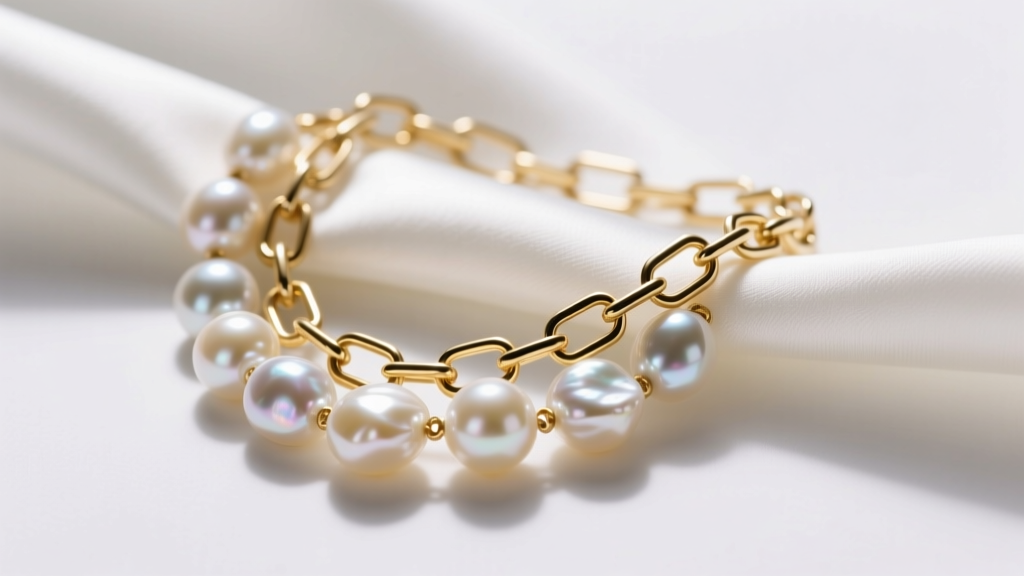
Industrial chic remains relevant through the elongated links of the paperclip chain. The 2026 trend focuses on mixed-metal links—alternating yellow gold and rhodium-plated white gold within the same 5mm to 8mm link structure. These chains are highly durable but can catch on loose-knit cashmere or mohair due to the open rectangular gaps.
5. The Lariat / Y-Drop
Eschewing traditional lobster clasps, the lariat relies on a slide mechanism or tension knot. This year's iteration features asymmetric drops, where one side of the Y terminates in a baroque freshwater pearl while the other ends in a geometric brass weight. The slide bead must feature an internal silicone grip lining; otherwise, the chain will continuously slip, ruining the intended drape.
6. The Solitaire Bezel Pendant
The classic solitaire has been reimagined with East-West set emerald-cut lab-grown diamonds. The Gemological Institute of America (GIA) notes that lab-grown stones now offer identical optical and physical properties to mined diamonds at a 70% lower price point. A 1-carat, VS1 clarity lab diamond in a solid 14k bezel setting averages $1,100–$1,400, offering unmatched brilliance on a delicate 18-inch cable chain.
7. The Asymmetrical Multi-Strand
Matching strands are out; chaotic, asymmetrical mixing is in. Designers are combining 2mm oxidized silver chains with 8mm irregular baroque pearls. The hardware connecting these disparate elements requires heavy-duty soldered jump rings (minimum 18-gauge wire) to support the uneven weight distribution without pulling the chain apart at the clasp.
8. The Opera Length
Falling between 26 and 36 inches, the opera length is being utilized as a convertible piece. Modern iterations feature discreet, silicone-lined threading points that allow the wearer to loop and knot the necklace into a faux-choker or a double-strand princess length without the knots slipping loose throughout the day.
9. The Tension-Set Pendant
A triumph of modernist engineering, tension-set pendants suspend a gemstone between two ends of a rigid metal band using the metal's natural spring-like tensile strength. This requires highly specific metallurgical treatments—usually titanium or hardened platinum alloys. Avoid tension settings in soft metals like 24k gold or pure silver, as they will stretch and drop the stone.
10. The Maximalist Bib
The bib necklace covers the entire upper chest area. In 2026, the trend leans toward modular bibs, where individual enameled or gemstone-set plates can be detached via micro-magnetic clasps, allowing the wearer to scale the piece from a heavy evening statement down to a minimalist three-plate collar for daytime office wear.
Material & Durability Matrix
Choosing the right necklace type requires understanding how materials behave under stress. Below is a technical breakdown of the most common 2026 materials used across these 10 styles.
| Material Grade | Best Suited For | Primary Failure Mode | Avg. Price Range (16") |
|---|---|---|---|
| 18k Gold Vermeil (2.5µm+) | Paperclip, Micro-Choker | Plating wear at friction points | $90 – $250 |
| 316L Surgical Steel | Sculptural Collars, Bibs | Clasp mechanism corrosion | $60 – $180 |
| 14k Solid Gold (58.5%) | Herringbone, Solitaire | Link stretching (if under 1mm) | $650 – $1,500+ |
| CVD Lab-Grown Diamond | Bezel Pendants, Lariats | Bezel prong loosening over time | $800 – $2,200 |
| Baroque Freshwater Pearl | Multi-Strand, Opera | Silk thread degradation / nacre chipping | $150 – $450 |
Styling Framework: Neckline Pairing Guide
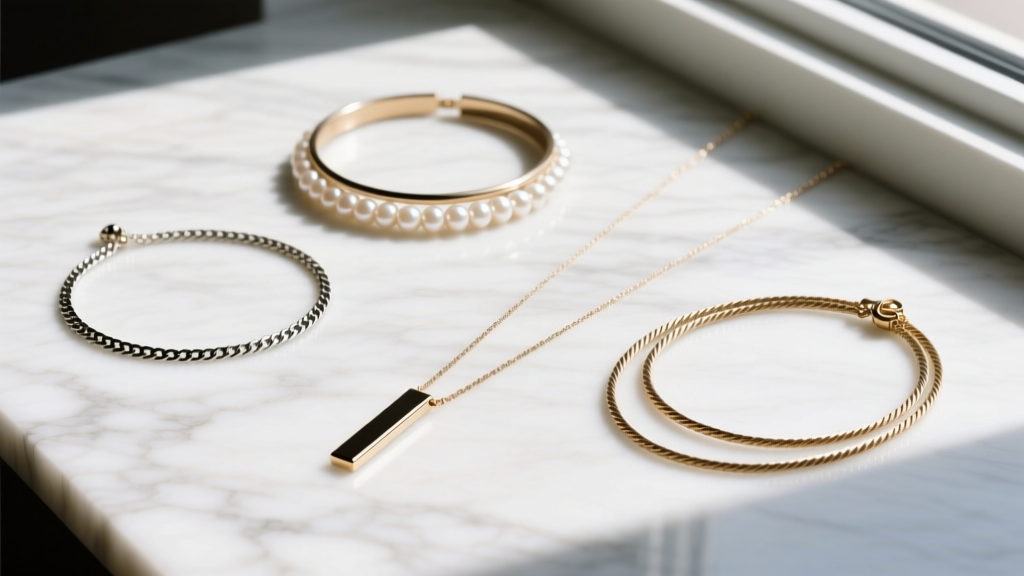
Mastering the 10 different types of necklaces requires pairing them correctly with garment necklines to avoid visual clutter or structural snagging.
- Deep V-Neck: Pair with a Lariat Y-Drop or a Solitaire Bezel Pendant (18-20 inches). The vertical drop mirrors the garment's geometry, elongating the torso without competing with the fabric edge.
- Crew Neck / High Collar: Opt for a Sculptural Collar or a Maximalist Bib that sits entirely above the fabric line. Layering long chains over thick crew neck knits creates a tangled, unkempt silhouette.
- Off-the-Shoulder / Strapless: This is the ideal canvas for the Opera Length (knotted at the sternum) or a multi-strand Asymmetrical Pearl piece. The bare skin provides negative space, allowing complex metalwork and varied textures to stand out.
- Square Neck: Stick to a Micro-Choker or a short Paperclip Chain (14-15 inches). The horizontal line of the square neckline frames the shorter necklace perfectly, creating a structured, architectural look.
Expert Verdict & Investment Strategy
The 2026 jewelry market heavily favors versatility and material transparency. As noted by The World Jewelry Confederation (CIBJO), consumers are increasingly demanding verifiable sourcing and exact plating micron counts. When investing in your core rotation of the 10 different types of necklaces outlined above, allocate 60% of your budget to foundational solid metals (like 14k gold herringbones or paperclip chains) that will survive daily friction, and reserve the remaining 40% for trend-driven, plated, or modular pieces like sculptural collars and maximalist bibs. By understanding the mechanical realities of chain weaves and gemstone settings, you transition from merely buying jewelry to actively curating a resilient, high-impact wardrobe.
"The modern neckline is an architectural space. The jewelry you place within it shouldn't just decorate; it should structurally interact with the garment and the wearer's movement." — 2026 Trend Forecast Report, JewelStyleradar Editorial Board.


