Look Like a Painting with a Necklace: 2026 Trends
Discover how to style a painting with a necklace in 2026. Explore Portrait Core trends, from Vermeer pearls to Klimt enamel, with expert buying guides.

The Rise of Portrait Core: Stepping Out of the Canvas
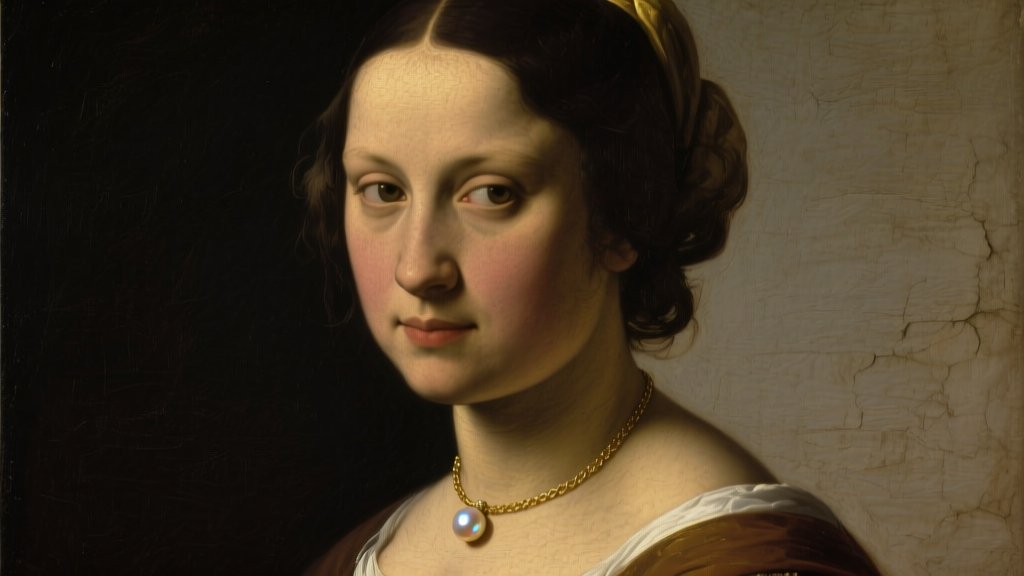
In 2026, the jewelry industry is witnessing a massive shift toward "Portrait Core"—a styling movement where wearers curate their accessories to mimic the romantic, historical, and highly curated aesthetics of classical and contemporary fine art. The goal is no longer just to accessorize; it is to look like a painting with a necklace, transforming the wearer into a living masterpiece. This trend rejects the ultra-minimalist, barely-there chains of the early 2020s in favor of pieces with profound historical weight, intricate artisanal craftsmanship, and deliberate visual gravity.
To achieve this aesthetic without looking like you are wearing a theatrical costume, one must understand the specific material grades, historical contexts, and structural mechanics of art-inspired jewelry. Below, we deconstruct three iconic artistic eras and provide a masterclass on how to source and style their defining neckpieces for the modern wardrobe.
The Vermeer Effect: Single-Statement South Sea Pearls
Johannes Vermeer’s Girl with a Pearl Earring remains the ultimate masterclass in focal-point styling. While the painting famously features an earring, the 2026 translation of this aesthetic centers on the single, massive pearl pendant worn close to the collarbone. The magic of this look relies entirely on the optical properties of the pearl and the invisibility of its mounting.
Sourcing the Perfect Vermeer Pearl
To capture that iconic, luminous glow, you must look beyond standard freshwater pearls. According to the Gemological Institute of America (GIA), the value and visual impact of a pearl are dictated by its luster, nacre thickness, and overtone. For a true "painted" effect, seek out White or Silver-Blue South Sea pearls with the following specifications:
- Size: 14mm to 16mm. Anything smaller loses the dramatic, Vermeer-like gravity; anything larger veers into ostentatious modern luxury.
- Nacre Thickness: Minimum 2.0mm. Thick nacre ensures a deep, mirror-like luster rather than a chalky surface reflection.
- Luster Grade: AAA or Gem grade. The reflection of light on the surface must be sharp and bright, mimicking the oil-paint highlights in 17th-century Dutch art.
- Mounting: Avoid heavy diamond halos. The pearl should be set on a simple 18k yellow or rose gold peg with a minimal French wire or bail, allowing the gem to appear as though it is floating on the skin.
Pricing Expectation: A single, high-grade 15mm South Sea pearl pendant on an 18k gold chain typically ranges from $2,800 to $6,500, depending on the perfection of the surface and the intensity of the luster.
Klimt’s Gold: Byzantine Geometry and Guilloché Enamel
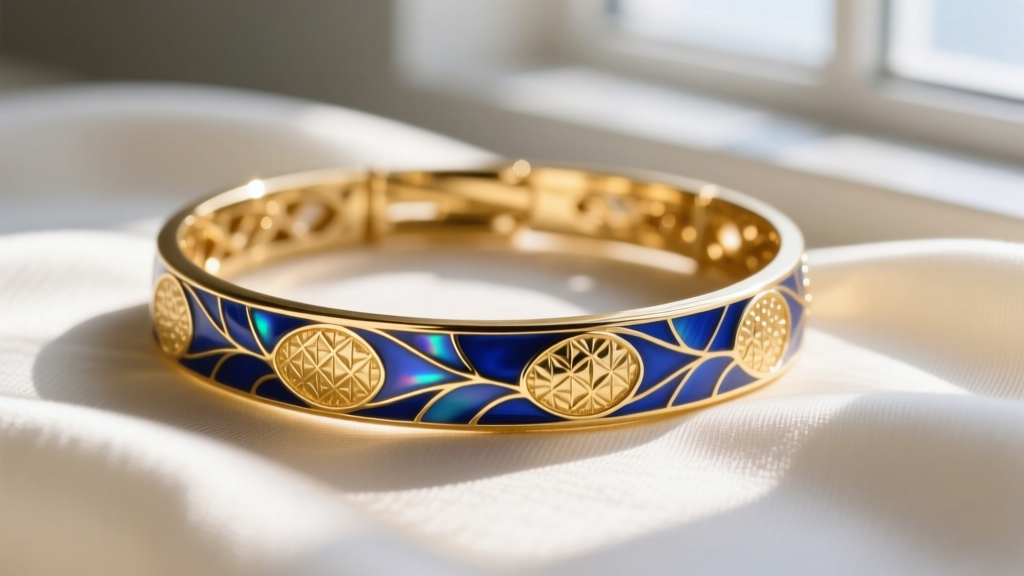
Gustav Klimt’s Portrait of Adele Bloch-Bauer I is a masterwork of the Vienna Secession, characterized by heavy, ornamental gold patterns, Byzantine motifs, and rich, jewel-toned geometric shapes. Translating this into a necklace requires embracing wide, structured collars and advanced enameling techniques that catch the light like mosaic tiles.
The Art of Vitreous Guilloché
Many mass-market brands attempt to replicate Klimt’s golden aesthetic using cheap epoxy resins or cold enamel. True Portrait Core demands vitreous guilloché enamel. This centuries-old technique involves engine-turning a pattern into a solid 18k or 22k gold base, then fusing translucent glass powder over the engraved metal in a kiln at approximately 800°C. The result is a mesmerizing, three-dimensional optical illusion that shifts in the light, perfectly mimicking Klimt’s gold leaf application.
When shopping for a Klimt-inspired collar or choker, look for the following markers of authenticity:
- Base Metal: Must be solid 18k gold or high-micron 22k gold vermeil (minimum 2.5 microns of gold over sterling silver). Standard gold plating will wear away at the friction points of a rigid collar.
- Enamel Quality: Vitreous enamel feels like glass and is completely impervious to UV fading or chemical degradation from perfumes. Cold enamel (epoxy) will yellow over time and scratch easily.
- Dimensions: A true statement collar should sit at exactly 14.5 to 15.5 inches, resting flat against the clavicle to mimic a painted-on adornment. The width should be between 18mm and 25mm to provide enough canvas for the geometric motifs.
The Pre-Raphaelite Layer: Agate Cameos and Silk Velvet
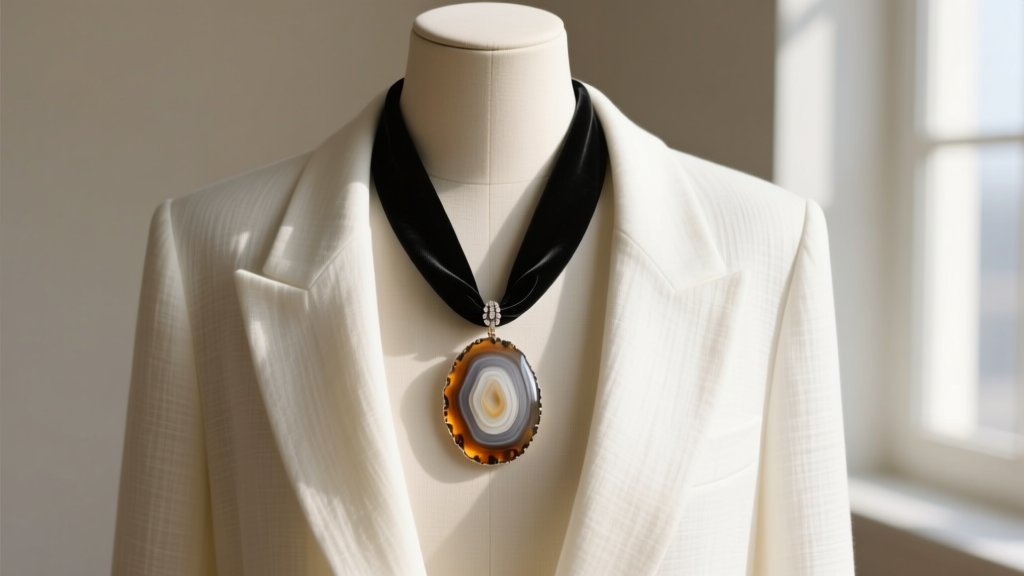
The Pre-Raphaelite Brotherhood, led by artists like Dante Gabriel Rossetti and John Everett Millais, frequently painted women adorned in romantic, melancholic layers of cameo jewelry, pearls, and dark velvet ribbons. In 2026, this aesthetic has evolved into a sophisticated layering technique that juxtaposes the hardness of carved stone with the soft, light-absorbing texture of velvet.
Carved Agate vs. Shell Cameos
While shell cameos (carved from Cassis rufa) are traditional, they are relatively soft (Mohs 2.5 to 3) and prone to cracking under the tension of modern adjustable clasps. For a durable, high-contrast piece that looks like it belongs in a Rossetti painting, banded agate cameos are the superior choice. As noted by the Victoria and Albert Museum, agate allows for much deeper, sharper relief carving due to its Mohs hardness of 7. The natural banding of the stone provides a striking white silhouette against a dark blue, black, or deep red background, requiring no painted accents.
Ribbon Mechanics and Sizing
The velvet ribbon is just as critical as the cameo. Avoid stiff cotton or synthetic blends. You need a 12mm to 16mm wide silk-blend velvet that drapes fluidly. To modernize the look and ensure security, the ribbon must be finished with 14k gold adjustable slide clasps or a hidden magnetic barrel clasp, rather than relying on fragile, historically inaccurate tie-knots that can easily slip and drop a $1,000 carving.
Material & Sizing Matrix for Portrait Styling
To help you curate your collection, refer to this technical matrix comparing the three primary art-inspired necklace styles. This guide ensures you match the correct piece to your neckline and lifestyle requirements.
| Art Style | Primary Material | Ideal Neckline | Chain/Ribbon Spec | Maintenance Level |
|---|---|---|---|---|
| Vermeer (Dutch Golden Age) | 15mm South Sea Pearl | Deep V-Neck, Square Neck | 1.0mm 18k Cable Chain | Low (Wipe with microfiber) |
| Klimt (Vienna Secession) | 22k Gold & Vitreous Enamel | Boat Neck, Strapless, Off-Shoulder | Rigid 20mm Hinged Collar | Medium (Avoid hard impacts) |
| Pre-Raphaelite (Romantic) | Banded Agate Cameo | High Collar, Button-down, Crew | 14mm Silk Velvet Ribbon | High (Store flat, avoid moisture) |
Modernizing the Canvas: 2026 Styling Rules
Wearing a piece that makes you look like a painting with a necklace requires a delicate balance. The jewelry must read as historical, but the styling must remain fiercely contemporary. Here are the structural rules for 2026:
1. The Rule of Sartorial Contrast
Never pair these historically weighted pieces with similarly historical clothing (e.g., do not wear a Pre-Raphaelite cameo with a lace Victorian blouse). Instead, use extreme contrast. Pair a Klimt-inspired enameled collar with a sharply tailored, oversized charcoal wool blazer and a crisp white poplin shirt. The rigid, modern architecture of the clothing frames the ornate necklace, treating it like a museum piece displayed in a minimalist gallery.
2. Clasp and Hardware Integrity
Art-inspired jewelry often carries significant weight. A 20mm enameled collar or a heavy agate cameo will easily snap a standard 5mm spring-ring clasp. Always inspect the hardware. Demand a lobster clasp with a minimum internal spring tension of 4 lbs, or better yet, a custom-machined box clasp with a double figure-eight safety latch. For chain necklaces, ensure the jump rings are soldered shut; unsoldered jump rings will pull apart under the weight of a 15mm South Sea pearl.
3. Skin Preparation and Optical Blending
The "painted" look relies on a seamless transition between the skin and the metal. If you are wearing a wide gold collar or a dark velvet choker, avoid heavy, shimmering body highlighters on your décolletage. The light reflection from the body makeup will compete with the luster of the pearl or the vitreous shine of the enamel. Opt for a matte, hydrating skin finish to allow the jewelry to act as the sole light source in your visual composition.
Final Thoughts on the Portrait Core Movement
The desire to look like a painting with a necklace is more than a fleeting trend; it is a rejection of fast fashion in favor of wearable art. By understanding the precise material grades—from the nacre thickness of South Sea pearls to the kiln-fired depths of guilloché enamel—you can invest in pieces that carry the gravitas of a masterpiece. Whether you channel the quiet luminescence of Vermeer or the bold, geometric opulence of Klimt, the key lies in respecting the craftsmanship of the past while anchoring it firmly in the modern wardrobe.


