What Does a Paper Clip Necklace Mean? Link Specs & Symbolism
Discover what a paper clip necklace means symbolically and technically. We break down link dimensions, soldering methods, and metal grades.

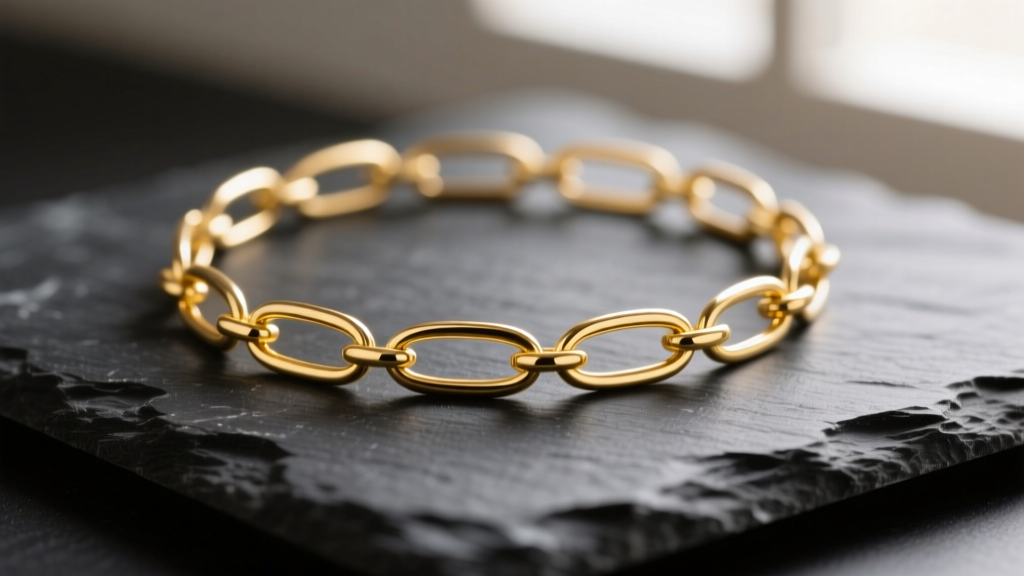
When jewelry enthusiasts and buyers ask, what does a paper clip necklace mean, they are usually grappling with two distinct interpretations: the cultural symbolism of the design, and the technical definition of the chain style itself. As we navigate the 2026 fine jewelry landscape, the paper clip chain has evolved from a fleeting minimalist trend into a staple of modern metallurgy and everyday luxury. This expert deep dive bypasses the fluff to examine the exact engineering, material science, and structural integrity that define a high-caliber paper clip necklace.
The Symbolic and Cultural Meaning
At its core, the paper clip necklace represents the elevation of the mundane. Symbolically, the interlocking elongated ovals signify connection, continuity, and the binding of relationships. Unlike the rigid geometry of a Cuban link or the delicate uniformity of a cable chain, the paper clip’s asymmetrical oval links offer a sense of fluid, organic movement. Culturally, it reflects a broader shift in modern jewelry design toward 'industrial utilitarianism'—taking an everyday office object associated with organization and unity, and recontextualizing it through precious metals.
Technical Anatomy: What Separates Fine Jewelry from Fast Fashion
To truly understand this chain style, we must look at the manufacturing specs. A genuine paper clip chain is not merely a stretched cable chain; it requires specific stamping and wire-drawing techniques to achieve the signature flat-faced, elongated oval without compromising the wire's structural integrity.
Link Dimensions and Wire Gauge
The structural success of a paper clip necklace relies heavily on the ratio between the link's outer dimensions and the wire gauge (thickness). If the wire is too thin relative to the link's length, the chain will easily kink or permanently deform under minimal tensile stress.
| Chain Classification | Link Dimensions (L x W) | Optimal Wire Gauge | Avg. Weight (18-inch) | Structural Use Case |
|---|---|---|---|---|
| Petite / Layering | 8mm x 3mm | 18g - 20g | 3.5 - 5.0 grams | Delicate layering, pendant承载 |
| Standard / Everyday | 15mm x 5mm | 14g - 16g | 8.0 - 12.5 grams | Standalone wear, medium pendants |
| Chunky / Statement | 25mm x 8mm+ | 10g - 12g | 22.0 - 35.0 grams | Heavy statement wear, T-bar clasps |
Soldering vs. Machine-Crimped Links
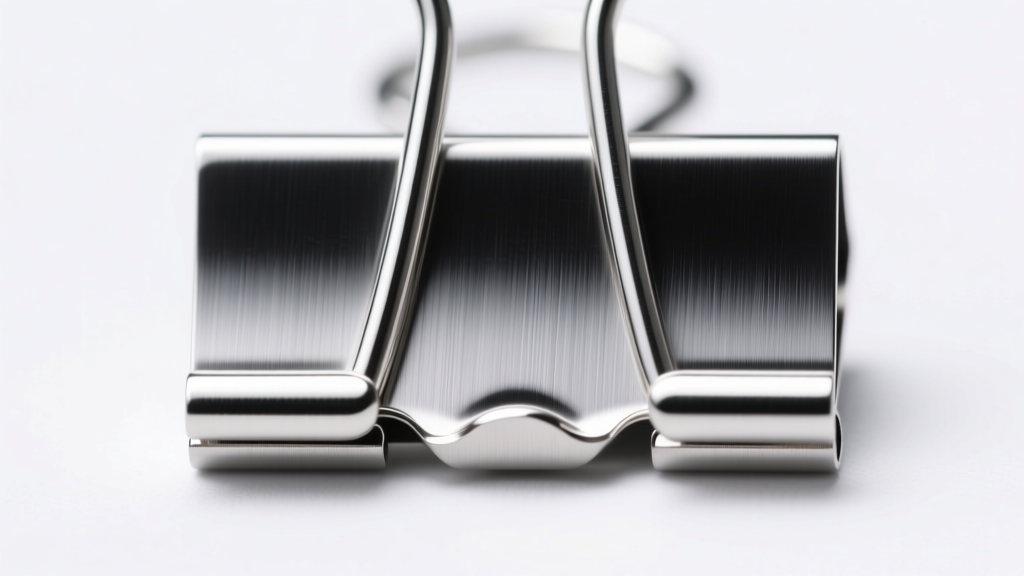
The most critical failure point in any open-link chain is the seam. In mass-produced, low-tier jewelry, paper clip links are often machine-crimped or left unsoldered to save manufacturing costs. When subjected to lateral torque, these unsoldered links pull apart, resulting in catastrophic chain failure. According to manufacturing standards highlighted by JCK (Jewelers Circular Keystone), fine jewelry paper clip chains must feature fully soldered seams.
Expert Insight: Look for laser-welded seams rather than traditional torch soldering. Laser welding creates a highly localized heat-affected zone (HAZ), meaning the solder joint is virtually invisible and does not anneal (soften) the surrounding precious metal, preserving the link's tensile strength.
Metallurgy and Material Grades
Because paper clip links are elongated and relatively flat, they are highly susceptible to bending if the wrong metal alloy is used. Understanding the Vickers Hardness (HV) of your chosen metal is paramount.
- 14k Gold (Yellow, White, or Rose): With a Vickers hardness of approximately 130-150 HV (depending on the copper/silver alloy mix), 14k gold is the optimal choice for standard and chunky paper clip chains. The higher alloy content provides the necessary rigidity to prevent the elongated links from warping during daily wear.
- 18k Gold: Softer and more malleable (approx. 110-125 HV). While it offers a richer color and higher intrinsic value, 18k gold is generally only recommended for petite paper clip chains where the smaller link surface area reduces the leverage that causes bending.
- Sterling Silver (925): Standard sterling silver is relatively soft. For paper clip chains, seek out Argentium silver or cold-worked sterling silver, which undergoes work-hardening during the wire-drawing process to increase its yield strength.
For a comprehensive breakdown of how alloy compositions affect jewelry durability, the Gemological Institute of America (GIA) provides extensive metallurgical resources that guide both bench jewelers and informed consumers.
Clasp Mechanics and Failure Points
The clasp on a paper clip necklace must be proportionate not just in aesthetic, but in mechanical tension. The traditional spring-ring clasp is entirely inadequate for standard or chunky paper clip chains due to the weight of the elongated links.
The T-Bar Integration
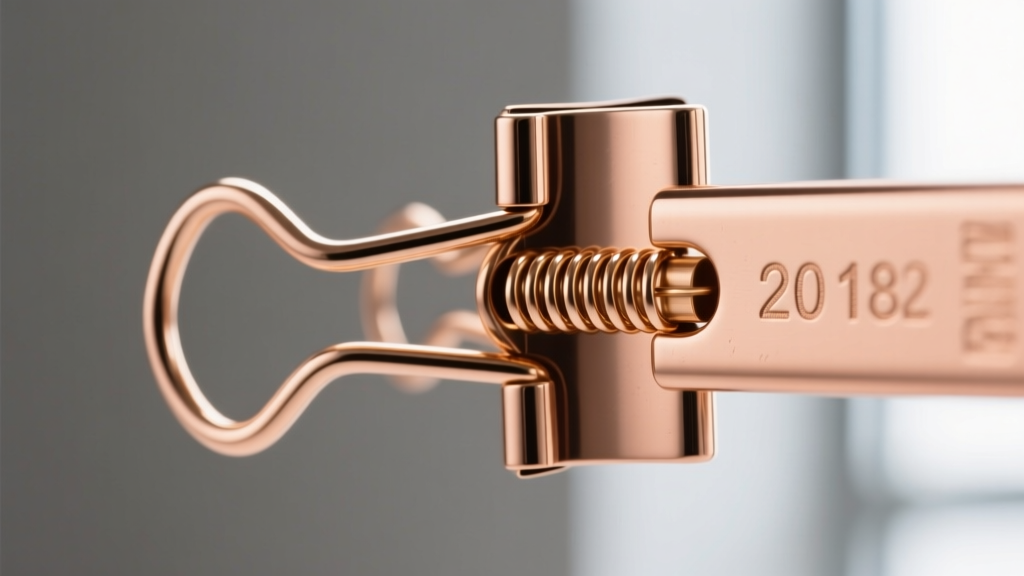
The T-bar (or toggle) clasp has become the industry standard for medium-to-heavy paper clip chains. However, a poorly engineered T-bar will slip through the elongated oval link if the chain is pulled taut. To prevent this, master jewelers engineer the T-bar with a specific length-to-link-width ratio. The bar must be at least 1.5 times the width of the interior dimension of the terminal paper clip link. Furthermore, high-end iterations feature a micro-spring mechanism inside the T-bar itself, allowing it to compress for insertion and expand to lock securely against the inner wall of the link.
Lobster Claw Alternatives
If a T-bar does not suit your aesthetic, a heavy-duty cast lobster clasp is required. Avoid stamped, hollow-formed lobster clasps, as the internal spring mechanism will quickly fail under the pendulum-like kinetic energy generated by the heavy, elongated links of a paper clip chain.
Styling and Layering Frameworks
From a stylistic perspective, the paper clip chain's flat profile makes it an unparalleled anchor for layering. Because the links lay flush against the clavicle, they do not tangle as easily as rounded chains (like rope or box chains).
- The Rule of Contrast: Pair a 15mm standard paper clip chain in yellow gold with a delicate 1.5mm white gold cable chain. The geometric contrast highlights the architectural nature of the paper clip links.
- Pendant Integration: When adding a pendant to a paper clip chain, ensure the bail (the loop holding the pendant) is wide enough to slide over the entire 15mm or 25mm link. Standard jump rings will not fit, requiring custom-fabricated oversized bails or direct link-integration by a bench jeweler.
- Adjustability: Many modern paper clip chains are designed with an oversized terminal link every two inches, allowing a single lobster or T-bar clasp to secure the necklace at multiple lengths, effectively functioning as a built-in extender chain.
Conclusion
So, what does a paper clip necklace mean in the context of modern fine jewelry? It means a departure from traditional, ornate chain-weaving in favor of bold, architectural minimalism. However, its simplicity is deceptive. A well-crafted paper clip necklace requires precise wire gauging, laser-welded seams, and carefully selected metal alloys to ensure the elongated links do not compromise the chain's structural integrity. By understanding the technical specifications—from Vickers hardness to T-bar tension ratios—you can confidently invest in a piece that transcends trend status and becomes a permanent, durable fixture in your jewelry wardrobe.


