The Beginner's Guide to Styling a Pearl and Emerald Necklace
Discover how to buy, style, and care for a pearl and emerald necklace. Learn gem grades, hardness tips, and pricing in this beginner guide.

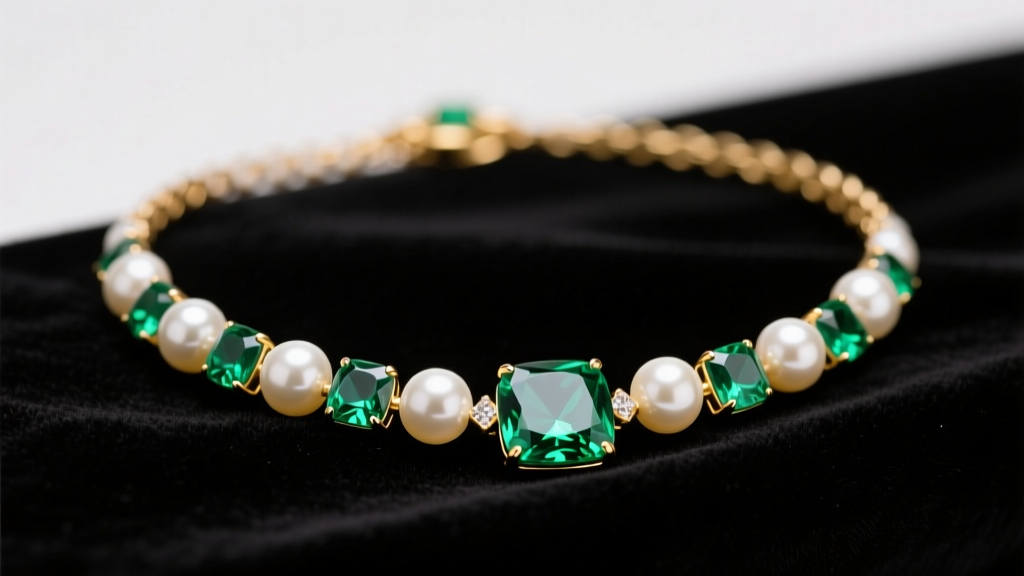
Combining the organic, luminous beauty of pearls with the vivid, crystalline fire of emeralds creates one of the most striking contrasts in fine jewelry. A pearl and emerald necklace is not just a piece of adornment; it is a masterclass in balancing soft, historical elegance with bold, earthy vibrancy. For beginners stepping into the world of mixed-gemstone jewelry, understanding how these two vastly different materials interact is crucial for making a smart purchase and ensuring the piece lasts a lifetime.
In 2026, the jewelry market has seen a massive surge in traceable freshwater pearls and ethically sourced emeralds, making this classic combination more accessible than ever. However, accessibility does not mean you should compromise on quality. This beginner-friendly explainer will walk you through the gemological realities, grading systems, pricing tiers, and essential care routines you need to know before investing in a pearl and emerald necklace.
The Gemological Tug-of-War: Hardness and Durability
The most critical concept for any beginner to grasp when buying a mixed-gemstone necklace is the Mohs scale of mineral hardness. Pearls and emeralds sit on completely opposite ends of the durability spectrum, which heavily dictates how the necklace must be constructed.
- Pearls (Mohs 2.5 - 4.5): Pearls are organic gems created by mollusks. They are incredibly soft, highly susceptible to scratching, and vulnerable to acids, perfumes, and even natural skin oils.
- Emeralds (Mohs 7.5 - 8.0): While emeralds are much harder than pearls, they are notoriously brittle. Almost all natural emeralds contain internal fractures and inclusions known as jardin (French for garden). These inclusions make emeralds prone to chipping if struck against a hard surface.
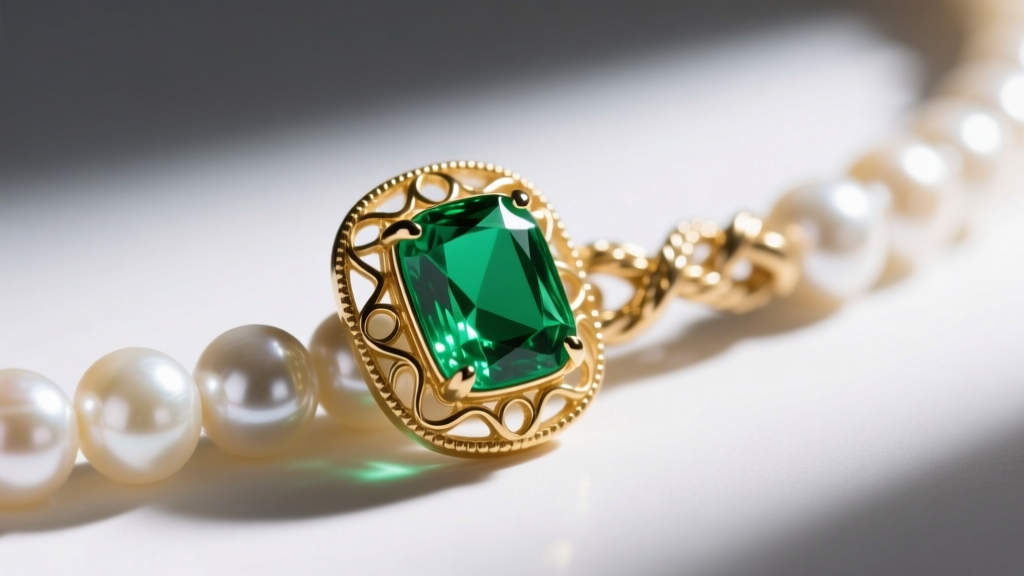
Actionable Advice: When examining a pearl and emerald necklace, look for protective settings. The emeralds should ideally be set in bezel or halo settings rather than high-prong settings, which leave the fragile corners of the emerald exposed. Furthermore, if the necklace is a strand design, ensure the pearls are individually silk-knotted. Knotting prevents the pearls from scratching one another and stops them from sliding into the emerald stations, which could cause surface abrasion over time.
Decoding the Grades: What Beginners Must Know
To avoid overpaying for subpar gems, you need to understand how both pearls and emeralds are evaluated by gemologists. The Gemological Institute of America (GIA) provides the industry standard for these evaluations.
Pearl Grading: Luster is King
Unlike diamonds, pearls do not have a universally standardized grading system, but reputable jewelers evaluate them on seven factors: Size, Shape, Color, Luster, Surface, Nacre, and Matching. For a beginner, luster (the sharp, mirror-like reflection of light on the surface) and nacre thickness are the most important.
- Akoya Pearls: Known for their perfect roundness and sharp, mirror-like luster. They are the premium choice for classic strands.
- Freshwater Pearls: More affordable and available in various shapes. Modern 2026 cultivation techniques have vastly improved their luster, making them an excellent entry-level option.
Emerald Grading: Color and Clarity
According to GIA emerald standards, color is the most significant value factor. You want a pure, vivid green to bluish-green hue with medium-to-dark tone. Clarity is secondary; in fact, an emerald with zero inclusions is often suspected of being synthetic. However, you must understand treatments. Over 90% of natural emeralds are treated with oils or resins to fill surface-reaching fractures and improve clarity.
- Minor Oiling: The industry standard and generally accepted. Cedar oil is traditionally used.
- Moderate to Significant Oiling/Resin: Lowers the value significantly and requires careful maintenance, as heat or harsh chemicals can dry out the filler, turning the emerald cloudy or white.
Pearl and Emerald Necklace Pricing Tiers
Understanding the pricing landscape will help you set realistic expectations and spot deals that are too good to be true. Below is a breakdown of what you can expect to pay based on material quality and craftsmanship.
| Tier | Estimated Price Range | Pearl Quality | Emerald Quality | Metal & Setting |
|---|---|---|---|---|
| Entry-Level | $200 - $800 | AAA Freshwater (near-round, good luster) | Lab-created or heavily included natural, moderate oil | Sterling Silver, Gold Vermeil, or 10k Gold |
| Mid-Range | $1,200 - $4,500 | AA+ to AAA Akoya (excellent luster, round) | Natural Zambian or Colombian, minor oil, good saturation | 14k or 18k Solid Yellow or White Gold |
| Investment | $8,000 - $25,000+ | Hanadama Akoya or White South Sea | Top-tier Colombian, minor to no oil, vivid green, high clarity | 18k Gold or Platinum, signed designer pieces |

Styling Your Necklace: Necklines and Metals
A pearl and emerald necklace is a statement piece that requires thoughtful styling to ensure the gems are the focal point rather than competing with your wardrobe.
Metal Pairings
The metal you choose dramatically shifts the mood of the necklace. Yellow gold is the traditional choice; it amplifies the warm, grassy undertones of the emerald and complements the creamy overtones of most pearls. White gold or platinum, on the other hand, creates a crisp, modern aesthetic, making the green of the emerald appear cooler and more icy, while giving white pearls a stark, brilliant backdrop.
Matching Necklines to Necklace Lengths
- The 16-Inch Choker/Collar: Best paired with V-neck or scoop-neck blouses. This length forces the pearls and emeralds to sit high on the collarbone, drawing immediate attention to the face. Avoid wearing this with high turtlenecks, as the friction will damage the pearls.
- The 18-Inch Princess Length: The most versatile option. It rests perfectly on the collarbone and works beautifully over a silk button-down shirt or a simple crew-neck cashmere sweater. If the necklace features a central emerald pendant surrounded by a pearl halo, the 18-inch length ensures the pendant sits right in the hollow of the throat.
- The 24 to 30-Inch Opera Length: Ideal for boatnecks or off-the-shoulder evening gowns. Opera-length pearl strands with emerald stations create a dramatic, cascading effect that elongates the torso.
The Golden Rules of Care and Maintenance
Because you are dealing with an organic gem (pearl) and a brittle, treated crystalline gem (emerald), standard jewelry cleaning methods can be disastrous. According to GIA care guidelines, improper cleaning is the leading cause of pearl degradation.
- Never Use Ultrasonic Cleaners: The high-frequency vibrations will shatter the internal fractures of an emerald and can strip the delicate nacre layers right off a pearl.
- Avoid Steam and Heat: Steam cleaning will melt or dry out the cedar oil inside your emerald, causing it to turn cloudy and reveal hidden fractures. Heat will also dehydrate pearls, leading to cracking.
- The Damp Cloth Method: After every wear, gently wipe the pearls with a soft, slightly damp microfiber cloth to remove skin oils and sweat. Use a dry, soft-bristled makeup brush to gently dust the emerald settings.
- Last On, First Off: Always put your pearl and emerald necklace on after applying perfume, hairspray, and cosmetics. The alcohol and chemicals in these products will permanently dull the pearl's luster and degrade the emerald's oil treatment.
Final Thoughts
Investing in a pearl and emerald necklace is a rewarding journey into the world of colored gemstones and organic gems. By prioritizing protective settings, understanding the nuances of emerald oiling and pearl luster, and adhering to strict, gentle cleaning protocols, you ensure that this breathtaking contrast of green and white remains a staple in your jewelry collection for decades to come. Whether you opt for an accessible freshwater and lab-emerald piece or a high-end Akoya and Colombian treasure, the key is to buy with your eyes open and wear with confidence.