How Much Should a Pearl Necklace Cost? 2026 Gift Guide
Discover how much a pearl necklace should cost in 2026. Compare Akoya, Freshwater, and Tahitian prices and match the perfect pearl gift to any occasion.

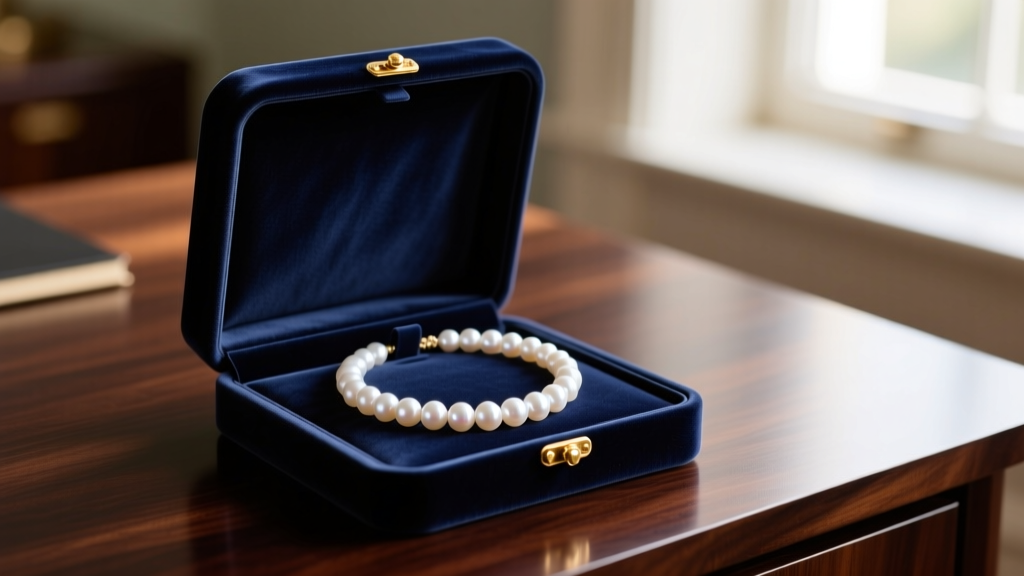
Gifting a pearl necklace is a timeless gesture, but navigating the vast price disparities in the jewelry market can be overwhelming. If you are researching how much should a pearl necklace cost before making a purchase, you have likely noticed prices ranging from $50 to over $50,000. This massive gap is not arbitrary; it is driven by pearl type, nacre thickness, luster quality, and origin. As we move through 2026, market fluctuations in saltwater aquaculture have shifted baseline prices, making it more important than ever to understand what you are actually paying for. Whether you are shopping for a high school graduation gift or a 30th-anniversary milestone, this comprehensive guide breaks down the true cost of pearl necklaces and helps you match the right strand to the right occasion.
The Short Answer: Pearl Necklace Pricing Tiers
Before diving into the gemological details, here is a quick-reference pricing table for standard 16-inch to 18-inch princess-length pearl necklaces in the current market. These ranges assume a high-quality clasp (14k or 18k gold) and professional hand-knotting on silk thread.
| Pearl Type | Entry-Level (Commercial) | Fine Jewelry Grade | Investment / Gem Grade |
|---|---|---|---|
| Freshwater | $50 - $150 | $200 - $800 | $1,000 - $3,500 (Edison) |
| Akoya | $300 - $600 | $1,200 - $4,500 | $5,000 - $15,000+ (Hanadama) |
| Tahitian | $800 - $1,500 | $2,500 - $12,000 | $15,000 - $40,000+ |
| South Sea | $2,500 - $5,000 | $8,000 - $35,000 | $50,000 - $150,000+ |
Decoding Pearl Types and Their True Market Value
The single biggest factor determining the cost of a pearl necklace is the mollusk species that produced it and the environment in which it was cultivated. According to the Gemological Institute of America (GIA), saltwater pearls generally command higher prices due to lower yields, higher farming costs, and superior luster, though premium freshwater varieties are closing the gap.
Freshwater Pearls: The Accessible Classic
Freshwater pearls are cultivated primarily in China using the Hyriopsis cumingii mussel. Unlike saltwater pearls, which are bead-nucleated, traditional freshwater pearls are tissue-nucleated, meaning they are composed of solid nacre all the way through. This makes them incredibly durable and resistant to chipping, but they often exhibit a softer, more muted luster compared to their saltwater counterparts. A standard 7mm to 8mm white freshwater strand is an excellent budget-friendly gift, typically costing between $100 and $300. However, newer bead-nucleated "Edison" freshwater pearls offer metallic luster and large sizes (11mm+) for $1,500 to $3,500, bridging the gap between freshwater affordability and saltwater luxury.
Akoya Pearls: The Gifting Gold Standard
When most people picture a classic, mirror-like pearl necklace, they are picturing Akoya pearls. Cultivated in the Pinctada fucata martensii oyster in Japan and Vietnam, Akoya pearls are renowned for their sharp, high-contrast luster and perfectly round shapes. Because the oyster is small, Akoya pearls rarely exceed 9mm. A high-quality 7.5mm Akoya necklace will cost between $1,500 and $3,000. If you are looking for the absolute pinnacle of Akoya quality, seek out "Hanadama" certified strands, which undergo rigorous testing by the Pearl Science Laboratory of Japan to guarantee exceptional nacre thickness and luster. These investment-grade strands start around $5,000.
Tahitian and South Sea Pearls: Luxury Milestones
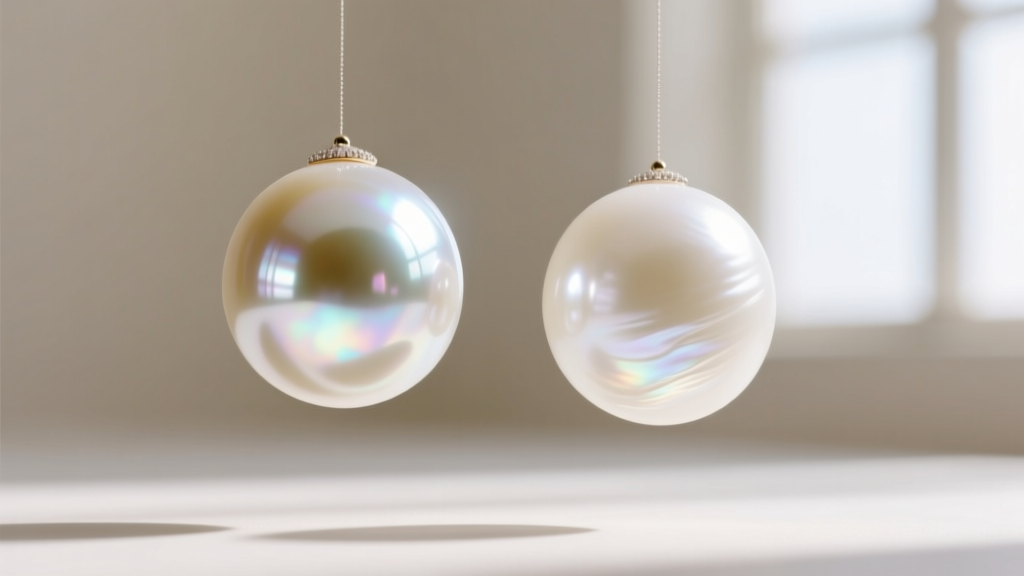
For monumental life events, Tahitian and South Sea pearls are the undisputed heavyweights. Tahitian pearls, grown in the black-lipped oyster (Pinctada margaritifera), are famous for their naturally dark body colors with mesmerizing peacock, aubergine, and pistachio overtones. A matched strand of 9mm to 10mm Tahitian pearls with clean surfaces and high luster will easily cost between $5,000 and $15,000. South Sea pearls, produced by the massive Pinctada maxima oyster in Australia, Indonesia, and the Philippines, boast a luxurious, satin-like luster and thick nacre. White and golden South Sea strands are rare and expensive, with fine-quality necklaces starting at $10,000 and quickly climbing past $50,000 for large, flawless specimens.
The 5 Grading Factors That Dictate Pearl Prices
Beyond the pearl type, gemologists evaluate five specific criteria to determine a strand's value. Understanding these will prevent you from overpaying for subpar jewelry.
- Luster: The most critical value factor. High-quality pearls reflect light sharply, allowing you to see a distinct, crisp reflection of yourself on the surface. Chalky or dull pearls are worth a fraction of the price.
- Nacre Thickness: Saltwater pearls are grown around a shell bead nucleus. If harvested too early, the nacre layer will be paper-thin (under 0.4mm), leading to peeling and flaking within a few years. Always request nacre thickness data for Akoya and South Sea pearls; aim for a minimum of 0.6mm for Akoya and 2.0mm for South Sea.
- Surface Quality: Pearls are organic gems, and completely flawless surfaces are exceedingly rare. Minor blemishes, bumps, or pits are acceptable if they do not compromise durability, but heavy spotting or cracking drastically reduces the necklace's value.
- Shape: Perfectly round pearls are the most difficult to cultivate and therefore the most expensive. Near-round, oval, button, and baroque (irregular) shapes are more affordable and offer unique, artistic appeal for modern jewelry designs.
- Size: Measured in millimeters, price increases exponentially with size. An 8mm Akoya necklace might cost $2,000, but a 9.5mm strand of the exact same quality could cost $6,000 due to the extreme rarity of larger oysters surviving the cultivation process.
Occasion Matching: Which Pearl Necklace to Gift and When
Matching the pearl type and price point to the specific occasion ensures your gift is both appropriate and deeply meaningful. The Cultured Pearl Association of America frequently highlights pearls as the ultimate symbol of wisdom gained through experience, making them ideal for life transitions.
Sweet 16, Quinceañeras, and High School Graduation
Budget: $100 - $400
Recommendation: A 6mm to 7mm white Freshwater pearl pendant or a short, 16-inch choker strand. Freshwater pearls offer incredible durability for younger wearers who might not yet be accustomed to the delicate care required for fine jewelry. Alternatively, a single Akoya pearl pendant on a delicate 14k gold chain provides a touch of saltwater luxury without breaking the bank.
Weddings and Bridal Parties
Budget: $500 - $2,500
Recommendation: A classic 7mm to 8mm Akoya pearl strand is the quintessential bridal accessory, complementing white and ivory silk gowns without competing for attention. For bridesmaids, matched sets of high-luster freshwater pearls in subtle blush or peach overtones make elegant, wearable gifts that they can incorporate into their everyday wardrobes long after the wedding day.
Milestone Anniversaries (10th, 20th, 30th)
Budget: $3,000 - $20,000+
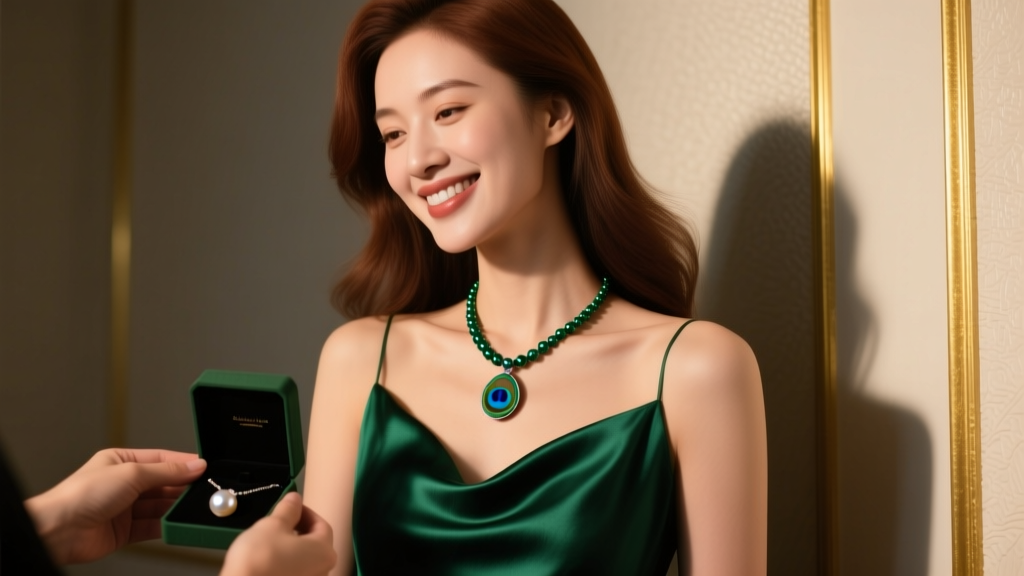
Recommendation: The 30th anniversary is traditionally the "Pearl Anniversary." This is the time to invest in a spectacular saltwater strand. An 8.5mm Hanadama Akoya necklace or a 9mm Tahitian pendant with intense peacock overtones conveys deep appreciation and enduring love. For a 40th or 50th anniversary, a graduated South Sea pearl necklace is an heirloom-quality investment that will be passed down through generations.
Red Flags: How to Avoid Overpaying for Treated Pearls
The pearl market is unfortunately rife with misleading treatments. To ensure you are paying a fair price, watch out for these common retail traps:
- Dyed Freshwater Sold as Tahitian: Unscrupulous sellers sometimes dye dark grey freshwater pearls to mimic expensive Tahitian pearls. The Fix: Look closely at the drill holes. If the pearl is dyed, you will often see a concentration of dark dye around the drill hole, or a stark white bead core visible inside the hole. True Tahitian pearls are dark all the way through.
- "Maeshori" Treated Akoya: Many commercial-grade Akoya pearls undergo a widespread Japanese processing technique called maeshori, which tightens the nacre and enhances luster temporarily but can make the pearls brittle and prone to cracking over time. While accepted in the commercial market, you should not pay "gem grade" prices for heavily processed strands.
- Chalky Luster: If a pearl strand looks matte, dull, or chalky under direct lighting, it was likely harvested too early or the oyster was stressed. No amount of polishing will fix poor luster. Walk away from the purchase.
Final Gifting Checklist
Before finalizing your pearl necklace purchase, verify the following: Does the strand have a secure, high-quality clasp (preferably 14k or 18k gold)? Are the pearls individually hand-knotted on silk to prevent loss if the strand breaks? Has the jeweler provided clear disclosure regarding any color treatments or enhancements? Finally, does the pearl type align with your budget and the significance of the occasion? By asking these questions, you ensure that the necklace you gift is not just beautiful, but structurally sound and fairly priced.
Ultimately, determining how much a pearl necklace should cost comes down to balancing your budget with the gemological realities of the market. For more in-depth education on pearl cultivation and grading standards, consult resources like Pearl Paradise's comprehensive education guides. Armed with this knowledge, you can confidently select a pearl necklace that will be cherished for a lifetime.


