Buying a Pearl Necklace Cultured: A Beginner's Complete Guide
Learn how to buy your first pearl necklace cultured. We break down Akoya vs. Freshwater, grading systems, pricing, and clasp types for beginners.

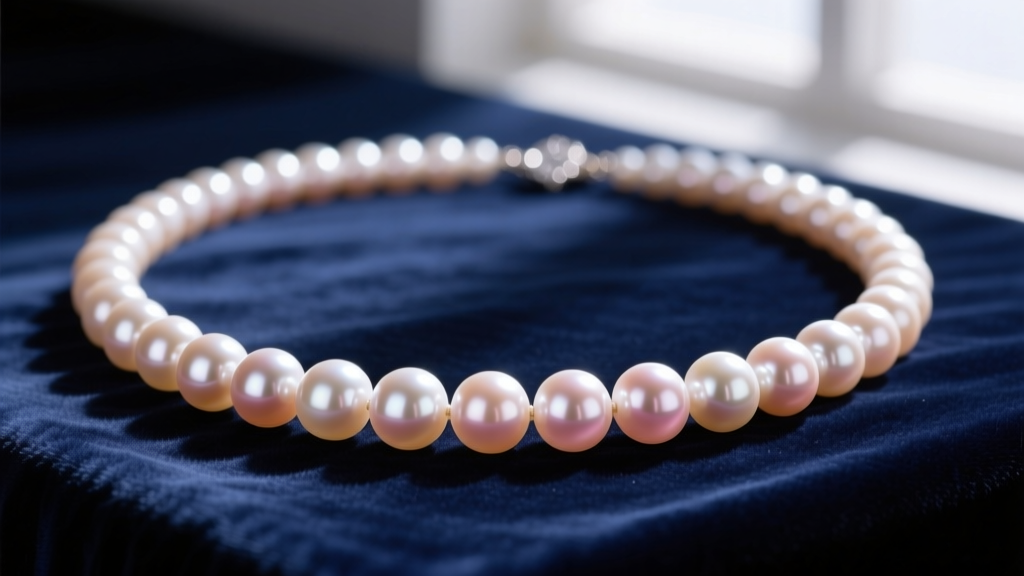
Demystifying the Cultured Pearl Market
Stepping into the world of fine jewelry can feel like learning a new language, especially when you start shopping for a pearl necklace cultured by human hands rather than left to the sheer luck of nature. Unlike natural pearls, which form around a random irritant in the wild and command astronomical auction prices, cultured pearls are farmed with intentional nucleation. This human intervention makes them accessible, but it also creates a massive spectrum of quality, pricing, and terminology that can easily overwhelm a first-time buyer.
Whether you are looking for a classic white strand for professional wear or a moody, iridescent piece for evening styling, understanding the biological and structural nuances of these gems is critical. In this guide, we strip away the marketing fluff and dive into the exact metrics, grading systems, and construction details you need to make an informed purchase in today's market.
What Exactly is a Cultured Pearl?
At a biological level, a cultured pearl is formed when a technician surgically implants a small piece of mantle tissue (and usually a round shell bead nucleus) into a host oyster or mussel. The mollusk responds to this irritant by secreting nacre—a crystalline substance composed of calcium carbonate and conchiolin—layer upon layer over the nucleus. According to the Gemological Institute of America (GIA), the thickness, translucence, and overlapping alignment of these nacre layers dictate the pearl's ultimate luster and value. A thin nacre layer will look chalky and may eventually peel, while a thick, well-formed nacre layer creates the deep, mirror-like reflection prized by collectors.
The Big Four: Types of Cultured Pearls
Not all cultured pearls are created equal. The species of mollusk and the geographic environment drastically alter the size, color, and price point of the final necklace.
1. Freshwater Pearls
Produced primarily in China using the Hyriopsis mussel, freshwater pearls are the most abundant and affordable. Historically known for irregular "rice" shapes, modern nucleation techniques (including the rise of Edison pearls in the 2020s) now yield perfectly round, highly lustrous gems ranging from 6mm to 12mm. They are an excellent entry point for beginners.
2. Akoya Pearls
The quintessential classic white strand. Farmed in the cooler waters of Japan and China using the Pinctada fucata martensii oyster, Akoya pearls rarely exceed 9.5mm. Their cooler water environment forces a slower nacre secretion, resulting in exceptionally sharp, mirror-like luster and signature rose or silver overtones.
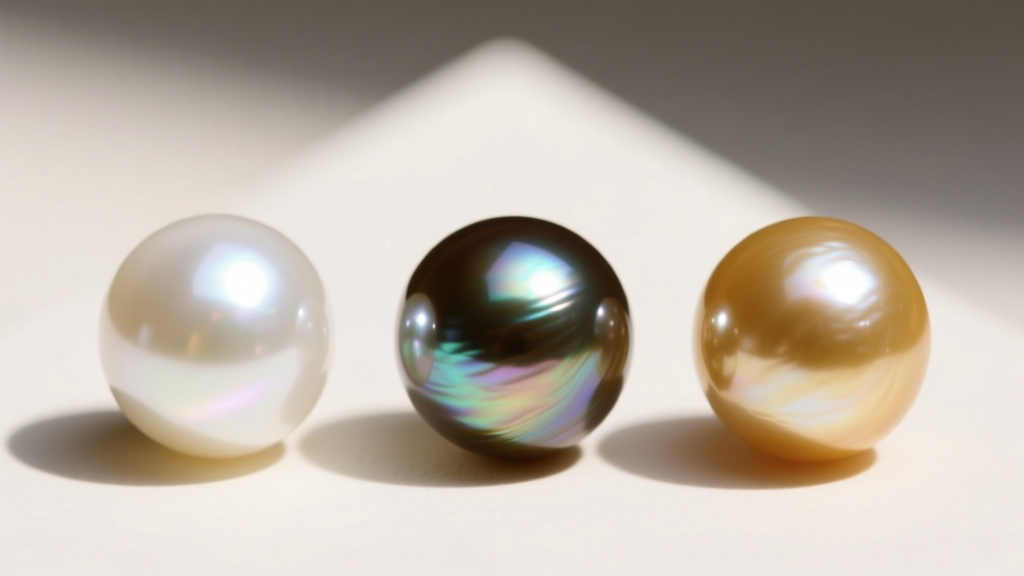
3. Tahitian Pearls
Grown in the black-lipped oyster (Pinctada margaritifera) in French Polynesia, these are the only naturally dark pearls. Ranging from 8mm to 16mm, they are famous for their "peacock" overtones—a mesmerizing mix of green, purple, and aubergine. By law, French Polynesia mandates a minimum nacre thickness of 0.8mm for export, ensuring baseline durability.
4. South Sea Pearls
The heavyweights of the pearl world. Cultivated in the massive Pinctada maxima oyster across Australia, Indonesia, and the Philippines, these pearls range from 10mm to a massive 20mm. They feature a luxurious, satin-like luster and come in brilliant white or deep golden hues. They command the highest price per carat in the market.
Decoding the Grading Matrix
Unlike diamonds, there is no single, globally mandated grading system for pearls. However, the commercial AAA-A system is widely used by reputable jewelers to categorize strands. The American Gem Society (AGS) advises buyers to prioritize luster and surface cleanliness above all else.
| Grade | Luster Quality | Surface Blemishes | Nacre Thickness | Best Use Case |
|---|---|---|---|---|
| AAA (or Hanadama) | Very High / Mirror-like | 95%+ blemish-free | Thick (0.4mm+ for Akoya) | Heirloom gifts, bridal wear |
| AA+ | High / Bright | 85-95% blemish-free | Medium-Thick | High-end everyday luxury |
| AA | Medium / Good | 70-85% blemish-free | Medium | Standard fine jewelry gifts |
| A | Low / Chalky | Heavy blemishing | Thin (Prone to peeling) | Avoid purchasing entirely |
Pro Tip: If you are buying a high-end Japanese Akoya pearl necklace cultured to perfection, look for a Hanadama certificate from the Pearl Science Laboratory of Japan. This guarantees the highest tier of luster and nacre thickness.
Sizing and Length: Finding Your Perfect Fit
The length of your strand dictates how it interacts with your neckline and face shape. Here are the industry-standard measurements:
- Collar (10-13 inches): Sits tightly against the base of the throat. Best paired with V-necks or open collars. Requires exact neck sizing.
- Choker (14-16 inches): Rests at the base of the neck. The most versatile length for both casual and formal wear.
- Princess (17-19 inches): Falls just below the collarbone. The classic, default length for a standard cultured pearl strand.
- Matinee (20-24 inches): Drops to the top of the bust. Excellent for business attire and high-necked blouses.
- Opera (28-36 inches): Falls below the bust. Often worn doubled over for a layered choker effect.
Construction Details That Separate Fine Jewelry From Souvenirs
When evaluating a pearl necklace cultured by a reputable farm, the stringing technique is just as important as the gems themselves. Cheap, mass-market strands are strung on synthetic nylon cords without knots, meaning if the string breaks, you lose the entire necklace.
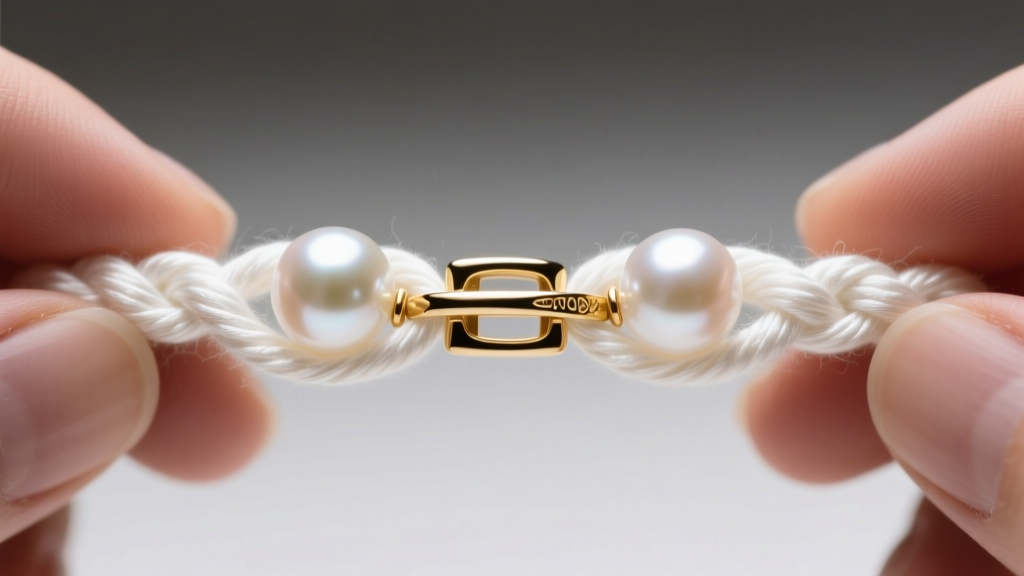
High-quality strands are knotted by hand using pure silk thread. There should be a tiny, precise knot between every single pearl. This prevents the pearls from rubbing against each other (which damages the nacre) and ensures that a break only results in the loss of one or two pearls. Furthermore, inspect the clasp area. Fine jewelers use French wire (also called gimp or bullion wire)—a tiny coiled metal spring that wraps around the silk thread where it loops through the metal clasp ring. This prevents the metal from sawing through the delicate silk over time.
Real-World Pricing Cheat Sheet (2026 Market Estimates)
To help you budget, here is what you should expect to pay for a standard 18-inch Princess length strand, assuming an AA+ to AAA grade:
- High-Quality Freshwater (8-9mm): $250 – $600
- AAA Akoya (7-8mm): $1,200 – $3,500
- AAA Tahitian (9-10mm): $2,500 – $6,000
- AAA White South Sea (11-12mm): $8,000 – $18,000+
If you see an "Akoya" necklace selling for $150, it is either mislabeled freshwater, heavily blemished, or features incredibly thin nacre that will degrade within a year.
Care Protocols for Longevity
Pearls are organic gems with a Mohs hardness of just 2.5 to 3.0, making them highly susceptible to acids, abrasion, and dehydration. Always follow the golden rule: "Last on, first off." Put your necklace on only after your perfume, hairspray, and cosmetics have fully dried. When you take it off, wipe the pearls gently with a damp, lint-free microfiber cloth to remove body oils and sweat. Never, under any circumstances, put a cultured pearl necklace in an ultrasonic cleaner or expose it to steam; the high-frequency vibrations and heat will fracture the nacre and melt the glue inside the drill holes.
Final Thoughts on Your First Purchase
Investing in a pearl necklace cultured by skilled technicians is an investment in timeless elegance. By focusing on sharp luster over sheer size, demanding hand-knotted silk construction, and understanding the distinct characteristics of the Big Four varieties, you can confidently navigate the market. Choose a piece that aligns with your lifestyle, care for it meticulously, and it will easily outlast the fast-fashion trends of the decade.


