Pearl Necklace Definition: Grading, Pricing & Value Guide
Discover the true pearl necklace definition beyond the dictionary. Learn how nacre, luster, and origin dictate pricing and value for smart buyers.

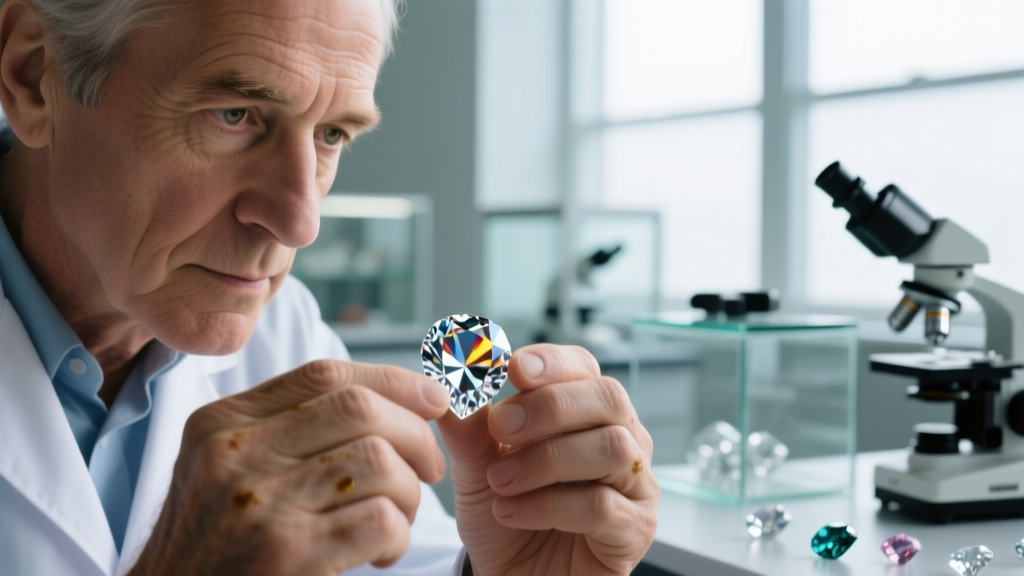
When most consumers search for a basic pearl necklace definition, they are met with a simplistic dictionary answer: a string of spherical gems produced by mollusks. However, from a budget and value assessment perspective, this definition is dangerously incomplete. In the modern jewelry market, the true definition of a pearl necklace encompasses a complex matrix of biological origin, nacre thickness, luster grading, and cultivation techniques. Understanding these variables is the only way to accurately assess whether a piece is a generational investment or an overpriced accessory destined to peel and degrade.
As we navigate the 2026 jewelry landscape, synthetic alternatives and misleading marketing terms have made it harder than ever to determine genuine value. This guide redefines the pearl necklace through the lens of a gemological appraiser, giving you the exact metrics, pricing brackets, and failure modes you need to make an informed purchase.
Beyond the Dictionary: The Modern Pearl Necklace Definition
To accurately assess value, we must first establish a commercial and gemological definition. A genuine pearl necklace is defined not merely by its visual appearance, but by its structural integrity and origin. According to the Gemological Institute of America (GIA), pearls are classified into two primary categories: natural and cultured. Because natural pearls are exceptionally rare and largely confined to auction houses and antique estates, 99.9% of the modern market consists of cultured pearls.
A cultured pearl necklace is defined by human intervention: a technician surgically implants a nucleus (usually a polished shell bead or a piece of mantle tissue) into a host mollusk. The mollusk then secretes nacre (calcium carbonate and conchiolin) over the nucleus. The value of the necklace is directly tied to the thickness, quality, and optical properties of this nacre layer, as well as the specific species of mollusk used.
The Anatomy of Value: Why Nacre is Everything
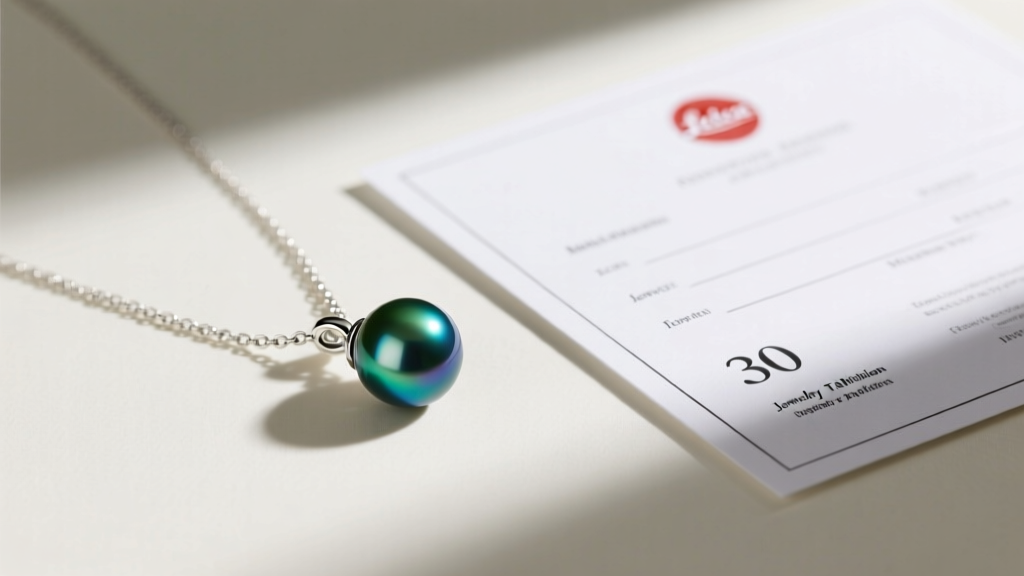
If you are evaluating a pearl necklace on a budget, nacre thickness is your most critical metric. Nacre is the crystalline substance that gives a pearl its luster and durability. A bead-nucleated pearl with thin nacre (under 0.4mm) is a structural liability. Over time, body acids, cosmetics, and friction will wear through the thin nacre layer, revealing the dull shell bead underneath—a catastrophic failure mode known as 'peeling.' Always demand x-ray verification or a reputable gemological certificate for high-ticket strands to ensure nacre depth.
The Value Hierarchy: How Pearl Types Dictate Price
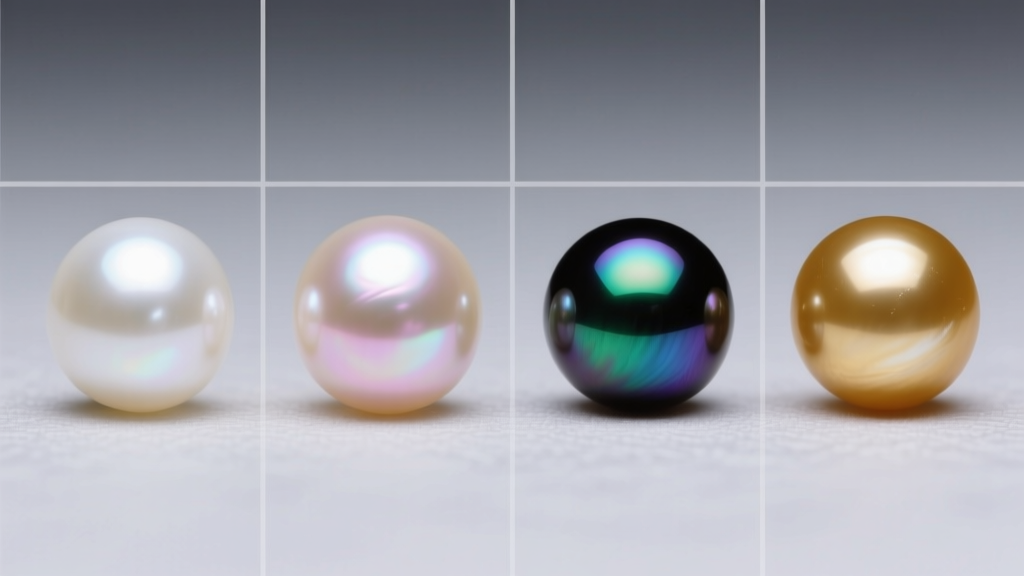
The biological origin of the pearl establishes its baseline price floor. Below is a comparative breakdown of the four major cultured pearl types, their typical specifications for a standard 16-inch princess-length necklace, and their current market value brackets.
| Pearl Type | Mollusk Species | Size Range | Min. Nacre Thickness | Price Range (16-inch Strand) |
|---|---|---|---|---|
| Freshwater | Hyriopsis cumingii (Mussel) | 6mm - 10mm | Solid Nacre (Tissue Nucleated) | $50 - $800 |
| Akoya | Pinctada fucata martensii | 6mm - 9.5mm | 0.4mm (Ideal >0.8mm) | $300 - $4,500 |
| Tahitian | Pinctada margaritifera | 8mm - 14mm | 0.8mm (Legally mandated) | $500 - $15,000+ |
| South Sea | Pinctada maxima | 10mm - 20mm | 2.0mm - 4.0mm | $1,500 - $100,000+ |
Decoding Luster and Overtone Grading
Once the type is established, luster dictates the premium. The American Gem Society (AGS) and GIA grade luster based on the sharpness of light reflections on the pearl's surface.
- Excellent (Gem Grade): Reflections are sharp, bright, and distinct. You can see your own pupil in the reflection. Commands a 40-60% price premium.
- Very Good: Reflections are bright but slightly hazy at the edges. The sweet spot for budget-conscious buyers seeking high value.
- Good/Fair: Reflections are weak, diffused, or chalky. Avoid these entirely, as they indicate poor nacre crystallization or premature harvesting.
For Akoya pearls, look for the Hanadama certification from the Pearl Science Laboratory of Japan, which guarantees the top 1% of luster and a minimum nacre thickness of 0.4mm, though top-tier Hanadama strands often exceed 0.6mm.
Budget Assessment: Allocating Your Funds Wisely
When building a budget for a pearl necklace, consumers often misallocate funds toward perfect roundness or flawless surfaces, sacrificing luster in the process. From a strict value-assessment standpoint, here is how you should prioritize your budget:
- Luster (50% of budget priority): A slightly off-round pearl with mirror-like luster will always look more expensive and elegant than a perfectly round, chalky pearl.
- Nacre Thickness (30% of budget priority): Ensures the longevity of the asset. Thick nacre also produces better luster due to deeper light refraction.
- Surface Cleanliness (15% of budget priority): Minor blemishes (pinpricks or slight growth rings) that are not visible from a conversational distance of 3 feet should be accepted to save 20-30% on the retail price.
- Perfect Matching (5% of budget priority): While a perfectly matched strand is beautiful, slight variations in size (e.g., a 7mm to 7.5mm graduated strand) offer a vintage aesthetic at a fraction of the cost of a uniform strand.
Red Flags: The 'Fake' Pearl Definitions
The market is flooded with imitation products that use deceptive naming conventions to mimic the pearl necklace definition. To protect your budget, actively avoid the following:
Shell Pearls: Often marketed as 'Majorica' or 'composite' pearls, these are manufactured by grinding up cheap mollusk shells into a powder, mixing them with resin or lacquer, and painting the mixture over a glass or plastic bead. They possess zero gemological value and will eventually yellow and crack.
Another common deception is the 'Keshi' pearl misnomer. True Keshi pearls are rare, non-nucleated accidents of the saltwater culturing process. However, many budget retailers label cheap, irregularly shaped freshwater tissue-nucleated pearls as 'Keshi' to inflate the price. Always verify the origin.
Maintenance Costs and Long-Term Value Retention
A comprehensive value assessment must include the cost of ownership. Pearl necklaces are organic gems and require specific maintenance to retain their structural integrity and resale value.
The Hidden Cost of Silk Thread Degradation
High-quality pearl necklaces are strung on pure silk thread with individual French knots between each pearl. These knots prevent the pearls from rubbing against one another (which causes surface abrasion) and ensure that if the strand breaks, you only lose one pearl. However, silk is a protein fiber that degrades when exposed to human sweat, perfumes, and skin acids.
Actionable Advice: You must budget for professional restringing every 3 to 5 years if worn weekly. A 16-inch strand typically costs between $75 and $150 to restring by a master jeweler. If you notice the silk stretching, discoloring, or if you can see gaps between the knots and the pearls, the necklace is in immediate danger of catastrophic failure and must be restrung before wearing.
Final Verdict: Investment vs. Accessory
Ultimately, the true pearl necklace definition depends on your financial goals. If you are seeking a fashion accessory to be worn for a single season or event, a high-luster freshwater strand (under $150) offers unbeatable aesthetic value. Because modern freshwater mussels produce solid-nacre pearls, they are incredibly durable and will not peel, making them the undisputed champions of budget jewelry.
However, if you are assessing the necklace as an heirloom or an investment-grade asset, you must cross the threshold into saltwater territory. An 8mm, AA+ or AAA-grade Akoya strand with verified Hanadama luster, or a 10mm Tahitian strand with deep peacock overtones, represents true intrinsic value. By focusing your budget on nacre thickness and optical luster rather than superficial perfection, you secure a piece that will outlast the fleeting trends of the jewelry industry.


