Pearl Necklace: What Does It Mean? Symbolism & Buying Guide
Discover the true pearl necklace meaning, exploring cultural symbolism, gemological grading, pearl types, and proper gifting etiquette for beginners.

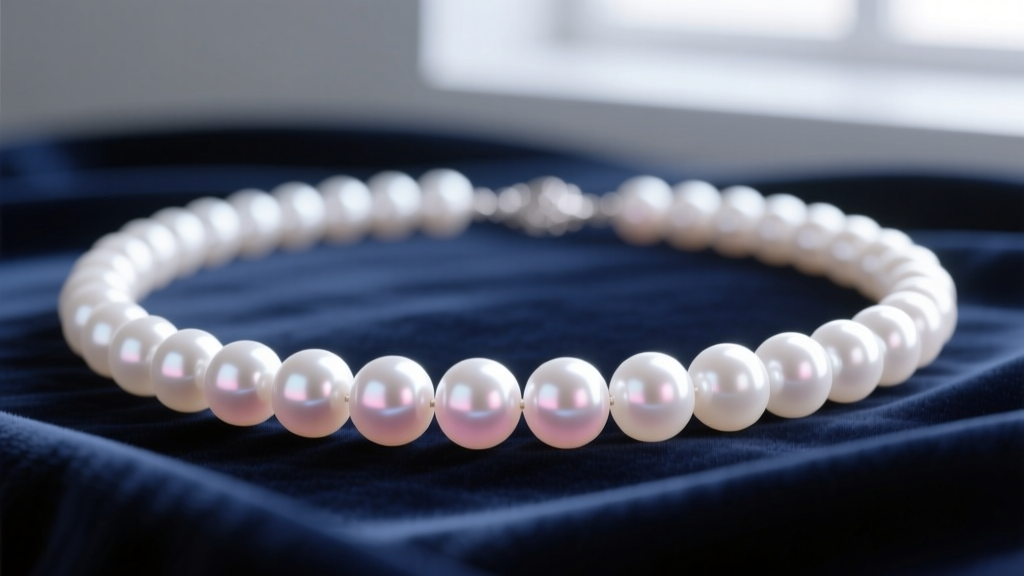
When you type "pearl necklace what does it mean" into a search engine, you are likely to encounter a jarring mix of profound historical symbolism and crude modern internet slang. While contemporary pop culture has unfortunately co-opted the phrase for explicit jokes, in the gemological and jewelry world, a pearl necklace holds a deeply revered status. It is the ultimate symbol of elegance, organic beauty, and significant life milestones.
As a beginner navigating the jewelry market, it is crucial to separate internet noise from gemological fact. Whether you are inheriting a vintage strand, shopping for a wedding, or treating yourself, understanding the true meaning, anatomy, and grading of pearl necklaces will transform you from a casual buyer into an informed collector. In this comprehensive guide, we explore the rich heritage of pearls and provide a practical framework for evaluating them in today's market.
The Dual Meaning: Internet Slang vs. Gemological Heritage
Let's address the elephant in the room. In modern internet slang, the phrase has been assigned a sexually explicit definition. However, this usage is entirely disconnected from the jewelry industry and the thousands of years of human history that elevate the pearl to a position of reverence.
In gemology, a pearl necklace represents the triumph of nature. Unlike diamonds or rubies that require cutting and polishing by human hands to reveal their brilliance, a pearl is born perfect. It is the only gemstone created by a living organism as a defense mechanism against an irritant. This organic origin is the root of its historical meaning: a symbol of hidden wisdom, resilience, and purity emerging from adversity.
The True Symbolism of Pearls Across Cultures
The meaning of a pearl necklace shifts beautifully depending on the cultural lens through which you view it. Historically, these gems were reserved for royalty and the ultra-wealthy, long before the advent of modern culturing techniques in the early 20th century.
- Ancient Rome: Pearls were the ultimate status symbol. Julius Caesar famously passed a law forbidding anyone outside the ruling class from wearing them. Here, the necklace meant absolute power and immense wealth.
- Asian Cultures: In many Eastern traditions, pearls are believed to originate from the moon's light reflected in the ocean. A pearl necklace symbolizes spiritual wisdom, prosperity, and protection from fire or dragons.
- Western Weddings: Rooted in Victorian traditions, white pearls represent purity, innocence, and new beginnings, making the classic single-strand necklace a staple for brides.
- The 30th Anniversary: In modern Western gifting etiquette, the pearl is the official gemstone of the 30th wedding anniversary, symbolizing the hidden beauty and resilience of a long-term partnership.
Decoding Pearl Types: What Your Necklace Says About You
Not all pearls are created equal. The type of pearl in your necklace dictates its price, its luster, and its stylistic "vibe." According to the Gemological Institute of America (GIA), there are four primary types of cultured saltwater and freshwater pearls used in fine necklaces.
| Pearl Type | Primary Origin | Size Range | Est. Price (18" Strand) | Stylistic Meaning |
|---|---|---|---|---|
| Akoya | Japan, China | 6mm - 9mm | $1,500 - $8,000+ | Classic, traditional, mirror-like elegance. |
| Freshwater | China | 5mm - 14mm | $150 - $2,500 | Versatile, approachable, modern daily wear. |
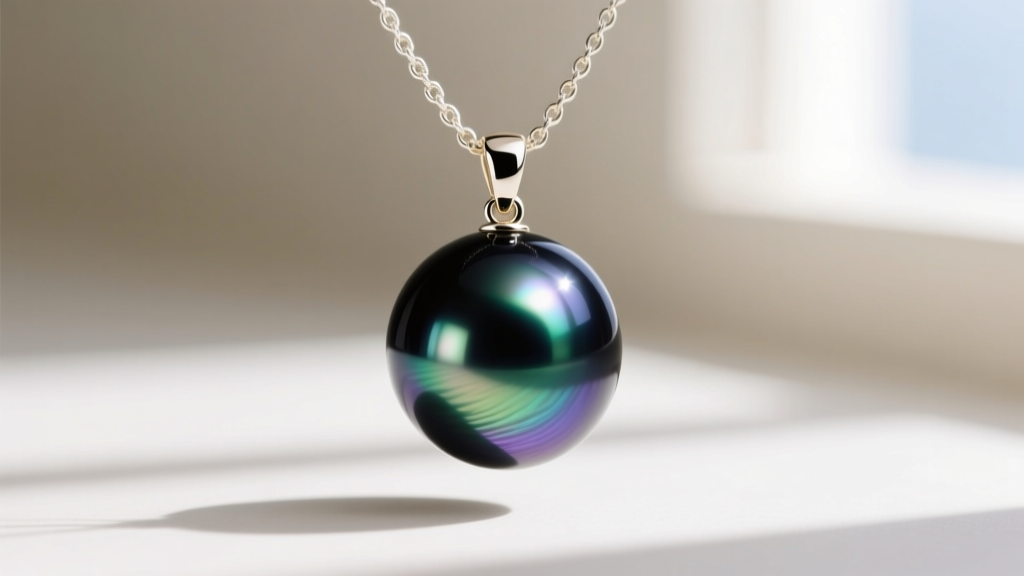
| Tahitian | French Polynesia | 8mm - 15mm | $2,000 - $15,000+ | Edgy, exotic, mysterious (naturally dark). |
| South Sea | Australia, Philippines | 10mm - 20mm | $10,000 - $100,000+ | Opulence, supreme luxury, red-carpet status. |
Note on 2026 Market Trends: Japanese Akoya oysters have experienced high mortality rates in recent years, severely restricting supply. Consequently, the price for premium, perfectly round Akoya strands has surged, making them a serious investment piece rather than just a standard accessory.
Necklace Lengths and Their Traditional Meanings
The meaning of a pearl necklace is also dictated by its length. The jewelry industry uses specific French and English terms to categorize strand lengths, each carrying its own level of formality.
Collar (10 to 13 inches)
Sitting tightly against the throat, collars are highly formal and evoke a Victorian or Art Deco aesthetic. They demand an open neckline and project an air of strict, old-world elegance.
Choker (14 to 16 inches)
The choker rests at the base of the neck. It is universally flattering and bridges the gap between casual and formal. A 16-inch freshwater choker is the ultimate "desk-to-dinner" piece for the modern professional.
Princess (17 to 19 inches)
This is the standard, classic length that rests just below the collarbone. When you picture a traditional bridal pearl necklace, you are picturing an 18-inch Princess strand. It means timelessness and traditional femininity.
Matinee (20 to 24 inches)
Falling to the top of the cleavage, the Matinee length is inherently business-appropriate yet stylish. It draws the eye downward and is often chosen by women in leadership roles to project confidence and sophistication.
Opera (28 to 36 inches)
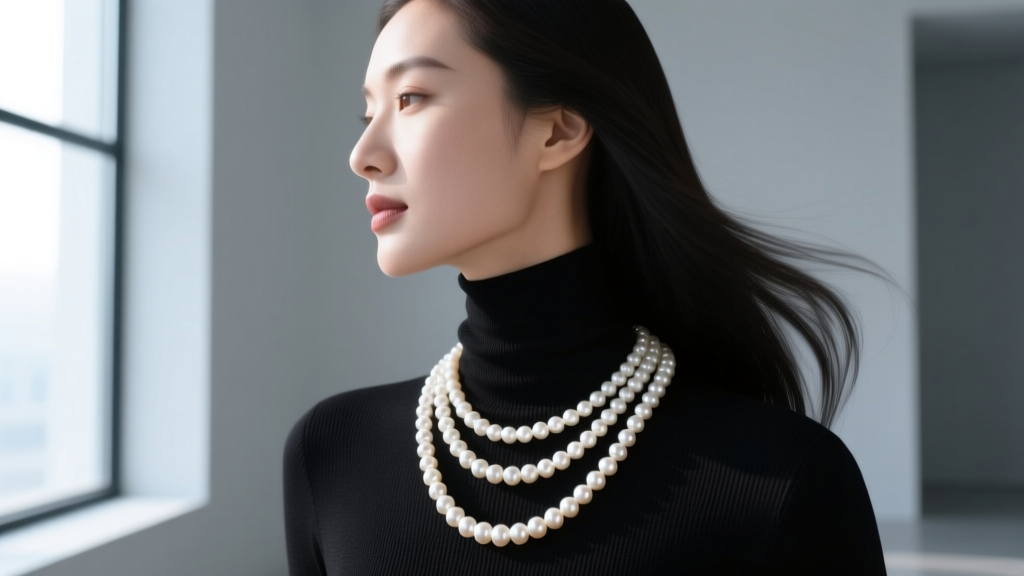
The Opera length is dramatic and luxurious. It can be worn as a single long strand for evening wear, or doubled over to create a layered choker effect. It symbolizes high glamour and artistic flair.
How to Evaluate a Pearl Necklace: A Beginner’s Grading Guide
Unlike diamonds, which are graded by the strict 4Cs, pearls do not have a single, universally standardized grading system. However, reputable jewelers and organizations like the American Gem Society (AGS) evaluate pearls based on five critical value factors. Understanding these will prevent you from overpaying for low-quality strands.
1. Luster (The Most Important Factor)
Luster is the sharpness and intensity of light reflected off the pearl's surface. High-quality pearls have "mirror-like" luster where you can clearly see your reflection. Dull, chalky pearls lack value, regardless of their size.
2. Nacre Thickness
Nacre is the crystalline substance the oyster secretes to form the pearl. In bead-nucleated pearls (like Akoya and South Sea), a thick nacre layer is vital for durability. An Akoya pearl with nacre thinner than 0.4mm is prone to "peeling" or flaking off the bead nucleus over time, rendering the necklace worthless. Always ask the jeweler for nacre thickness data on high-end strands.
3. Surface Quality
Pearls are organic, so flawless surfaces are exceedingly rare. Minor blemishes, bumps, or rings are normal and prove the pearl is genuine. However, deep cracks or chalky spots that compromise the structural integrity will drastically lower the necklace's value.
4. Shape
Perfectly spherical pearls command the highest prices. However, "baroque" (asymmetrical) and "circled" pearls are highly valued by designers for their unique, organic artistry. A baroque Tahitian necklace means the wearer values individuality over traditional conformity.
5. Color and Overtone
While body color is the primary hue (e.g., white, black, gold), the overtone is the translucent secondary color that floats over the surface. A white Akoya with a "rose" overtone is highly prized for its ability to flatter pale skin tones, while a Tahitian pearl with a "peacock" (green-purple) overtone is the most sought-after in its category.
Expert Tip: When shopping for a pearl necklace, always examine it against a plain white background and under natural daylight if possible. Store lighting is often heavily diffused and designed to make even low-luster pearls look acceptable.
Gifting Etiquette: When to Give a Pearl Necklace
Because of their rich symbolism, pearl necklaces are heavily coded for specific gifting occasions. Giving a pearl necklace means you are acknowledging a profound transition or milestone in the recipient's life.
- Weddings: A classic 18-inch white Akoya or freshwater strand is the quintessential gift from a partner or parent to a bride, symbolizing a pure new beginning.
- Graduations: A simple pendant or choker represents the transition from education to the professional world, offering a touch of maturity and wisdom.
- Milestone Anniversaries: The 30th anniversary is the official "Pearl Anniversary." Gifting a high-end South Sea or Tahitian strand at this stage acknowledges the deep, layered beauty of a long-lasting marriage.
- Birthdays: Pearl is the official birthstone for June. A pearl necklace for a June baby means you are honoring their birth month with a gem of organic resilience.
Ultimately, when you ask "what does a pearl necklace mean," the truest answer is that it is a wearable piece of natural history. It is a testament to patience, organic perfection, and enduring style. By understanding the types, lengths, and grading factors, you can select a necklace that speaks volumes, far beyond any fleeting internet joke.


