What Does a Pearl Necklace Mean? Value & Symbolism Guide
Discover what a pearl necklace means culturally and financially. Our value assessment guide covers pricing, grading, and investment potential.

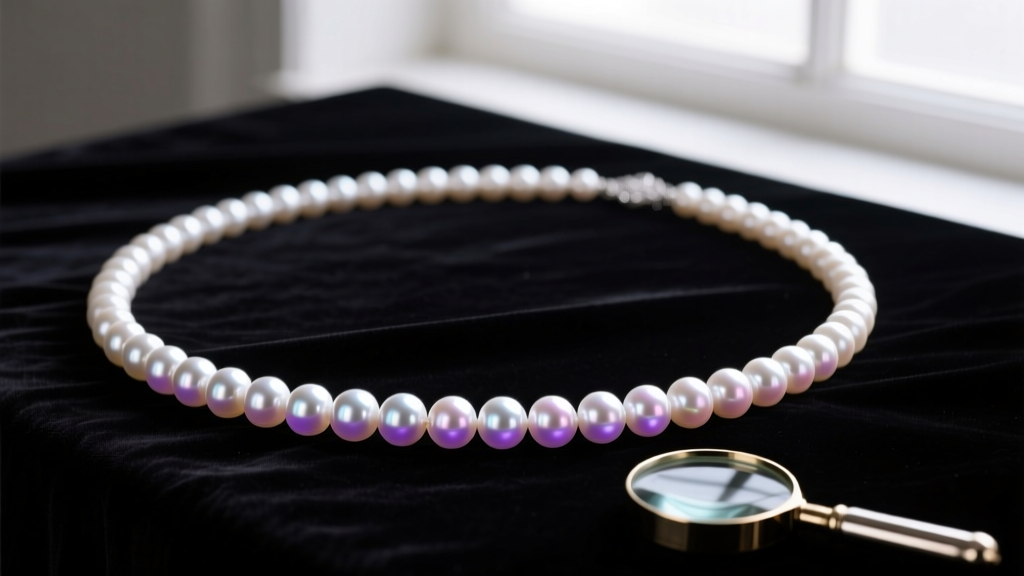
The Dual Meaning: Cultural Symbolism vs. Market Value
When consumers ask, "what does a pearl necklace mean?" the answer spans centuries of cultural symbolism, evolving from ancient markers of purity and mourning to modern emblems of empowerment and quiet luxury. Historically, a strand of pearls meant aristocratic exclusivity. In the mid-20th century, it meant the quintessential professional uniform for women. Today, in the 2026 jewelry market, a pearl necklace means something far more tangible: asset allocation, legacy building, and an exercise in material science.
As a senior appraiser and style analyst, I often see buyers overpay for "meaning" while entirely missing the actual market value of the gems they are purchasing. A pearl necklace is only a true heirloom if the nacre thickness, luster grade, and cultivation method support its price tag. To truly understand what a pearl necklace means for your wardrobe and your wallet, we must strip away the marketing fluff and assess these organic gems through a strict budget and value lens.
Decoding Pearl Types: Where Meaning Meets Market Price
Not all pearls hold their value equally. The "meaning" of your necklace is heavily dictated by its origin. Below is a comparative assessment of the four primary pearl types available on the market, detailing their physical specifications and true investment weight.
| Pearl Type | Origin & Cultivation | Standard Nacre Thickness | Avg. Price (16" Strand) | Investment Meaning |
|---|---|---|---|---|
| Akoya | Saltwater (Japan/Vietnam) | 0.8mm - 1.2mm | $500 - $3,500 | The classic heirloom; high liquidity and enduring demand. |
| Tahitian | Saltwater (French Polynesia) | 0.8mm (minimum legal) to 2mm+ | $800 - $10,000+ | Bold statement pieces; rare peacock overtones appreciate well. |
| South Sea | Saltwater (Australia/Philippines) | 2.0mm - 4.0mm+ | $2,000 - $30,000+ | The ultimate luxury asset; massive size and thick nacre ensure longevity. |
| Freshwater | Freshwater (China) | Solid nacre (no bead nucleus) | $50 - $400 | Accessible fashion; low resale value but excellent daily-wear durability. |
The Grading Matrix: Assessing True Quality
To determine what a pearl necklace means financially, you must understand how gemologists grade them. Unlike diamonds, pearls do not have a single, universally standardized grading system, which makes buyer education critical. According to the Gemological Institute of America (GIA), pearl value is assessed across seven key factors: Size, Shape, Color, Luster, Surface Quality, Nacre Quality, and Matching.
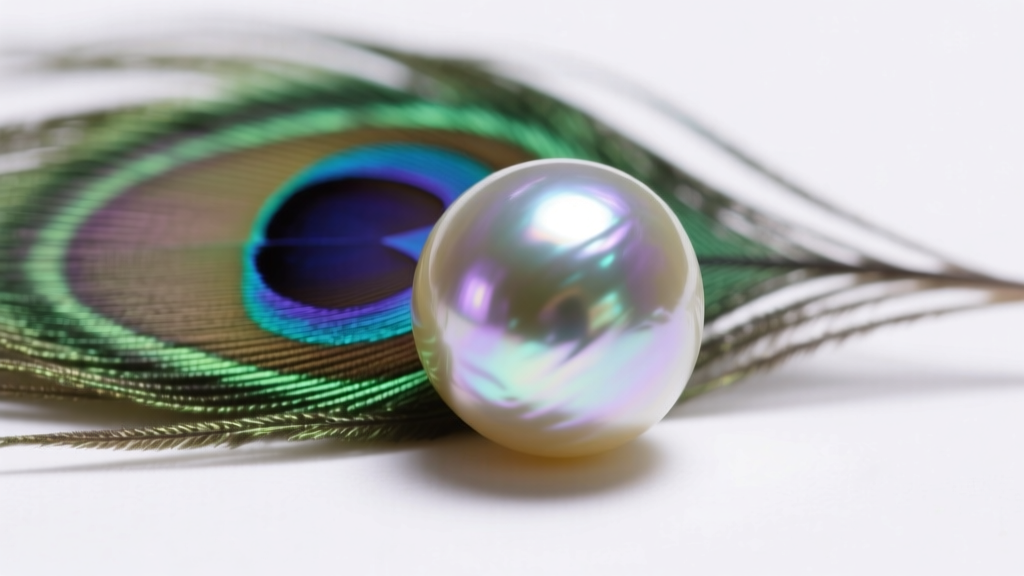
1. Luster: The Ultimate Value Driver
Luster is the sharpness and intensity of light reflecting off the pearl's surface. A high-quality Akoya pearl should exhibit "mirror luster," meaning you can clearly see your own reflection in the surface. If the pearl looks chalky, dull, or cloudy, its value plummets by up to 70%, regardless of its size. Always inspect pearls under natural or cool LED light; warm, diffused jewelry store lighting is specifically designed to mask poor luster.
2. Nacre Thickness: The Longevity Metric
Nacre is the crystalline substance the oyster secretes around the nucleus. For saltwater pearls, a thin nacre (under 0.4mm) means the pearl will eventually peel or crack, rendering the necklace worthless. The American Gem Society (AGS) advises that high-end Akoya pearls should possess at least 0.8mm of nacre, while South Sea pearls should boast 2.0mm or more. Freshwater pearls are typically solid nacre throughout, making them highly durable despite their lower price point.
3. Surface Quality and Blemishes
Because pearls are organic, flawless surfaces are exceedingly rare. However, the *type* of blemish matters. Avoid pearls with deep cracks, chips, or missing nacre near the drill holes. Minor "pinpricks" or slight ripples (often called "growth rings") are acceptable and prove the pearl is natural and untreated, provided they do not compromise the structural integrity of the gem.
Budgeting for Legacy: Price Tiers & What to Expect
When deciding what a pearl necklace means for your specific budget, it helps to categorize your purchase into one of three distinct tiers. This framework ensures you are paying for actual gemological value rather than brand markup.
- Tier 1: The Symbolic Gift ($100 - $400)
At this price point, you are looking at high-grade Freshwater pearls or very small, lower-grade Akoyas. Modern nucleation techniques in China have produced near-round, high-luster Freshwater pearls that rival Akoyas to the untrained eye. This tier means "thoughtful elegance" and is perfect for daily wear, as the solid-nacre Freshwater pearls can withstand sweat and cosmetics better than thin-nacre saltwater varieties. - Tier 2: The Professional Standard ($800 - $3,000)
This is the sweet spot for a classic 16-inch or 18-inch Akoya strand (7.0mm to 8.5mm). At this budget, demand a 14k or 18k gold clasp with a safety catch, and ensure the pearls are graded AA+ or AAA with sharp luster and minimal blemishes. This tier means "career milestone" and holds excellent resale value in the secondary market. - Tier 3: The Heirloom Asset ($5,000 - $25,000+)
Here, you enter the realm of premium Tahitian and White South Sea pearls (10mm to 15mm+). These necklaces are investment-grade assets. Look for perfectly matched strands with rare overtones (like Tahitian peacock or South Sea silver-blue). This tier means "generational wealth" and should be purchased with full gemological certification.
Red Flags: When "Meaning" is Just a Marketing Markup
The jewelry industry is rife with treatments designed to make low-value pearls mimic high-value ones. If a salesperson leans heavily into the romantic "meaning" of the pearls while dodging questions about treatments, walk away.
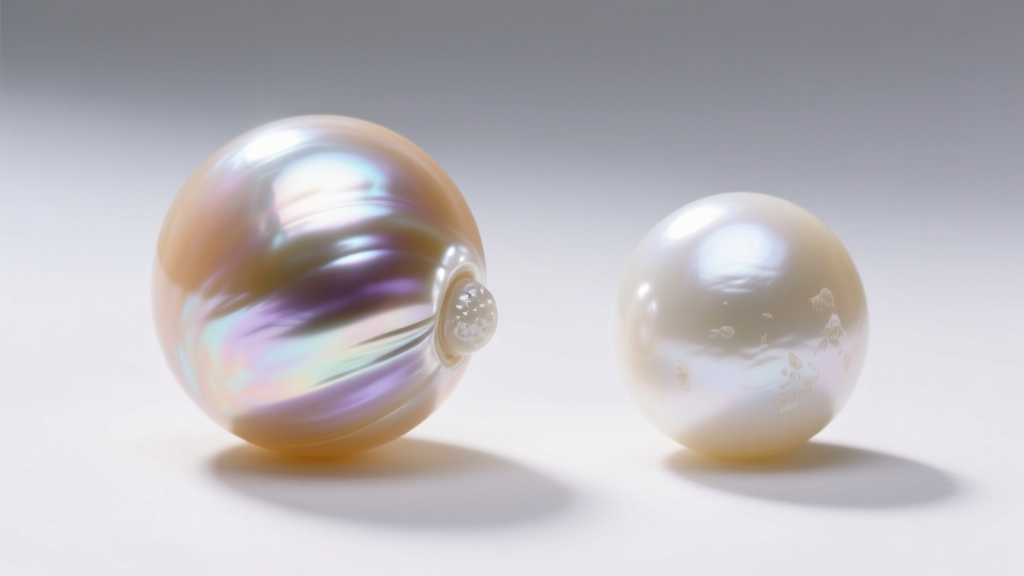
Beware of Aggressive Bleaching and Dyeing
Nearly all white Akoya pearls undergo mild, industry-standard bleaching to even out their color. However, aggressive bleaching destroys the pearl's organic matrix, leading to a chalky appearance and brittle structure that will crack within a few years. Similarly, black-dyed Freshwater pearls are frequently passed off as Tahitian pearls. A real Tahitian pearl will have complex, multi-colored overtones (green, aubergine, silver) visible under a bright light, whereas a dyed pearl will look flat, inky, and uniformly black, with dye often pooling visibly inside the drill holes.
The "Shell Pearl" Deception
Often sold in tourist destinations or online marketplaces, "shell pearls" are not real pearls. They are ground oyster shells mixed with epoxy and coated in a synthetic pearlescent paint. They are perfectly round, heavy, and completely devoid of gemological value. A simple test: gently rub two pearls together. Real pearls will feel slightly gritty or sandy due to their crystalline nacre structure, while shell pearls or glass imitations will glide smoothly against one another.
Final Verdict: Investing in True Value
So, what does a pearl necklace mean in today's market? It means you are purchasing a piece of organic history that requires careful vetting. A pearl necklace is only a sound financial and stylistic investment if you prioritize luster over size, verify nacre thickness, and buy from reputable dealers who provide transparent grading reports. Whether you are investing $200 in a durable Freshwater strand for everyday elegance or $15,000 in a South Sea heirloom to pass down to the next generation, understanding the material science behind the gems ensures your purchase retains its meaning—and its value—for decades to come.


