Pearl Necklace Real Value: 2026 Pricing & Auth Guide
Discover if your pearl necklace real value matches its price. Our 2026 guide covers authentication, grading, and fair market costs.

The Anatomy of Pearl Value: Beyond the Surface
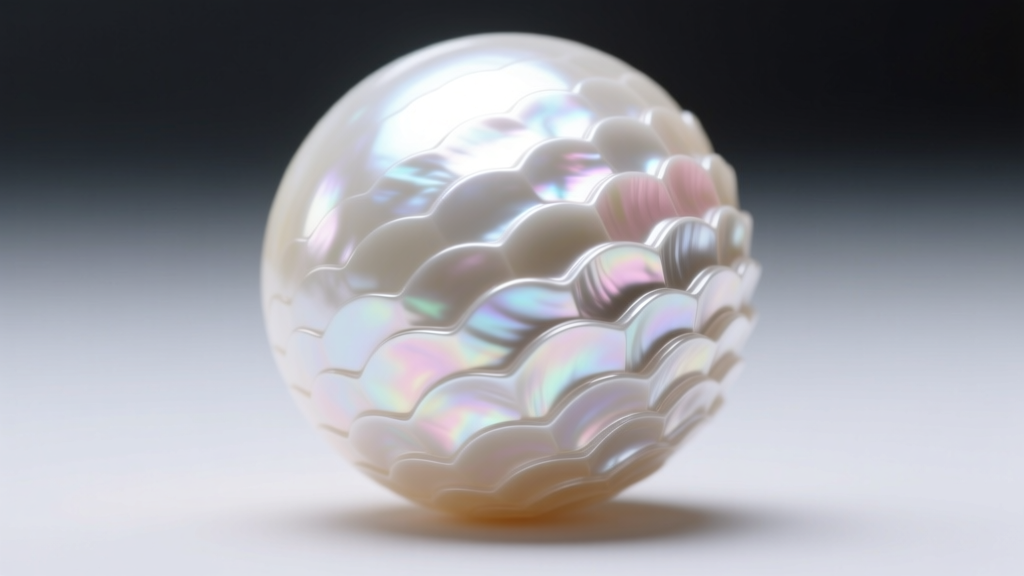
The market for pearl jewelry has evolved dramatically, and in 2026, distinguishing between genuine cultured pearls and sophisticated simulants requires more than a casual glance. When evaluating a pearl necklace, real value is determined by a complex matrix of nacre quality, luster, surface cleanliness, and matching. According to the Gemological Institute of America (GIA), luster is the most critical value factor. High-quality pearls exhibit sharp, bright reflections where you can clearly see your own image on the surface, whereas lower-grade pearls appear chalky or milky.
Nacre thickness is the hidden metric that separates heirloom-quality strands from disposable fashion jewelry. For saltwater Akoya pearls, a nacre thickness of less than 0.4mm is considered commercial grade and prone to peeling. Premium strands boast 0.8mm to 1.2mm of nacre. Freshwater pearls, which are typically solid nacre throughout, offer exceptional durability, though their luster profile differs from the mirror-like finish of saltwater varieties.
Authentication: Proving a Pearl Necklace Real
The search intent behind verifying if a pearl necklace real or fake is incredibly high, largely due to the influx of advanced shell-powder beads and coated glass simulants. Here are the definitive field tests you can perform without gemological equipment:
- The Tooth Test: Gently rub the pearl against the biting edge of your front tooth. A genuine cultured pearl will feel distinctly gritty or sandy due to the microscopic crystalline platelets of aragonite. Fakes (glass, plastic, or coated resin) will feel perfectly smooth.
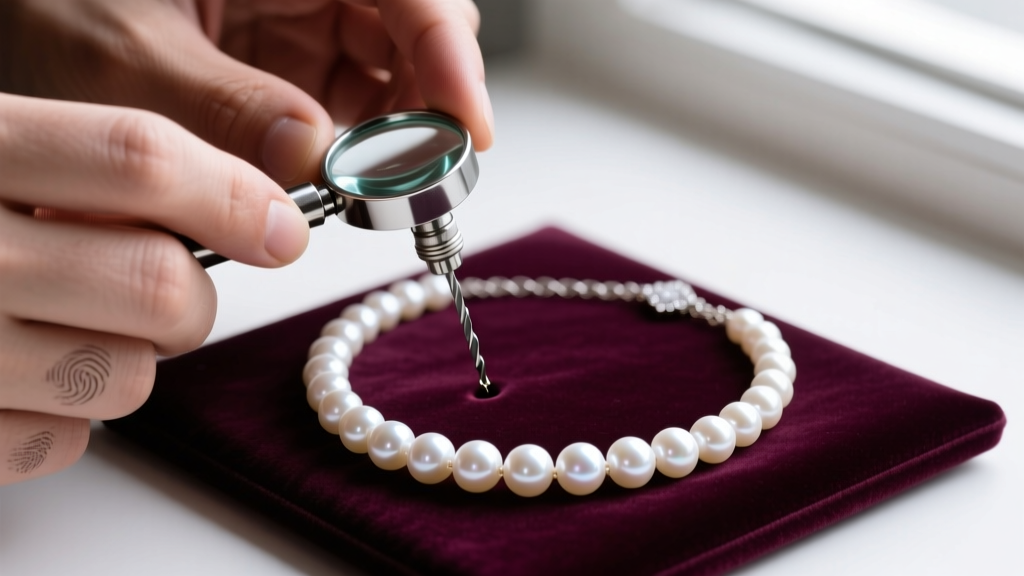
- Drill Hole Inspection: Use a 10x jeweler's loupe to examine the drill holes. Real pearls feature sharp, clean edges where the nacre meets the drill channel. Fakes often show rounded edges, peeling paint, or a distinct line where a coating has been applied over a glass bead.
- Temperature and Weight: Genuine pearls feel cool to the touch initially and take a few seconds to warm to your skin. Glass fakes warm up almost instantly. Furthermore, solid nacre freshwater pearls have a specific gravity of roughly 2.7, giving them a substantial, dense heft compared to hollow plastic beads.
The 2026 Pearl Pricing Matrix: What You Should Actually Pay
Retail markups in the jewelry industry can range from 300% to 1000%. To assess true budget and value, you must understand the wholesale-to-retail pipeline. Below is our 2026 fair market value assessment for a standard 18-inch princess-length strand.
| Pearl Type | Size Range | Grade (Equivalent) | Fair Market Value (2026) | Typical Retail Markup |
|---|---|---|---|---|
| Standard Freshwater | 7.0 - 8.0mm | AA+ | $60 - $150 | 3x - 5x |
| Edison Freshwater | 11.0 - 13.0mm | AAA | $250 - $600 | 2x - 4x |
| Akoya (Japanese) | 7.0 - 8.0mm | Hanadama / AAA | $500 - $1,400 | 3x - 6x |
| Tahitian (Dark) | 9.0 - 11.0mm | AA / Top 20% | $800 - $2,500 | 2x - 4x |
| South Sea (White) | 12.0 - 15.0mm | AA+ | $3,000 - $9,000+ | 2x - 5x |
The Freshwater Evolution: Edison vs. Traditional
For budget-conscious buyers seeking maximum visual impact, Edison freshwater pearls represent the ultimate value proposition in 2026. Grown using bead-nucleation techniques similar to saltwater pearls, Edison pearls achieve massive sizes (11mm-15mm) with high luster and metallic overtones. While traditional freshwater pearls are tissue-nucleated and often rice-shaped or off-round, Edisons offer the roundness and size of South Sea pearls at less than 10% of the cost.
Hidden Value Killers: Treatments and Matching
A pearl necklace's real value can be severely compromised by undisclosed treatments. The Cultured Pearl Association of America (CPAA) notes that while standard bleaching and polishing are accepted industry practices, aggressive treatments destroy long-term value.
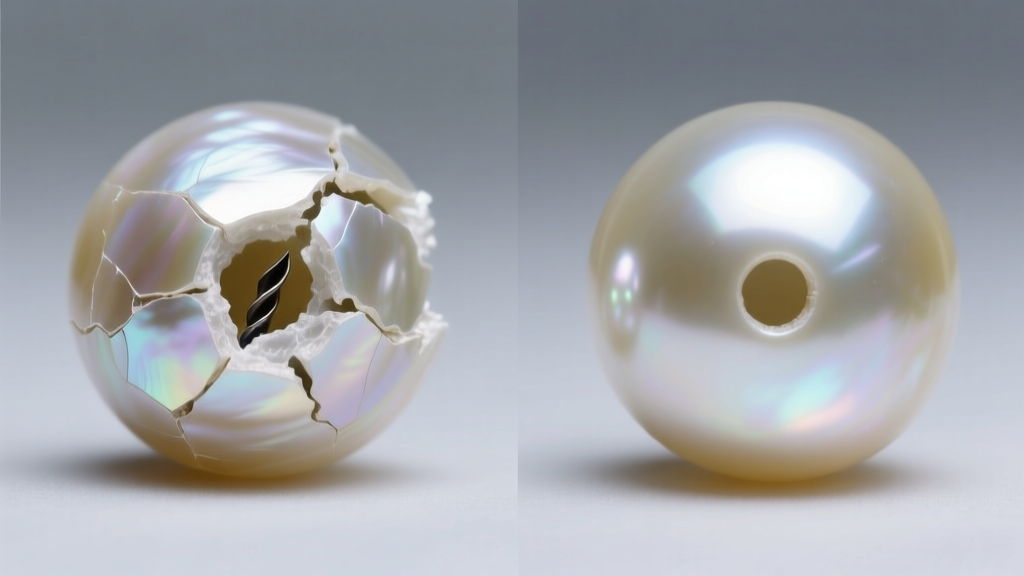
- Maeshori Pre-Treatment: Common in lower-grade Akoya pearls, this process involves heating and chemically treating the pearls before bleaching to force out moisture and enhance luster. Over time, heavily treated Maeshori pearls can become brittle and crack.
- Dyeing and Irradiation: Black Tahitian pearls are sometimes irradiated to darken their color, while freshwater pearls are routinely dyed to mimic expensive golden South Sea or peacock Tahitian shades. Always request a gemological report if purchasing dark or golden pearls under $1,000.
- The Matching Premium: A strand of pearls is not simply the sum of its parts. Matching a 60-pearl strand for exact luster, overtone, and diameter variance (within 0.2mm) requires sorting through thousands of loose pearls. Poorly matched strands with visible size gradients or mismatched overtones should be discounted by at least 30%.
Advanced Gemological Testing
When dealing with high-value South Sea or Tahitian strands, visual inspection is insufficient. Reputable sellers will provide X-radiography reports. X-rays reveal the exact thickness of the nacre, the presence of a bead nucleus, and any internal voids or organic decay. Specific gravity testing is also employed to detect heavy glass cores coated with thin layers of guanine (essence d'orient), a common tactic in high-end simulants.
Smart Buying Framework: Assessing Value Before Checkout
To ensure your budget aligns with actual market value, follow this strict assessment protocol:
- Demand Origin Transparency: Verify if the Akoya pearls are Japanese or Chinese cultured. Chinese Akoya (often sold as Japanese) typically feature thinner nacre and lower luster, commanding 40% less in wholesale markets.
- Inspect the Knotting: High-value strands are individually knotted with pure silk thread, with the knot sitting flush against the pearl. Gap-filled or synthetic thread indicates mass-production and lower overall quality control.
- Clasp Quality: A genuine, high-value pearl strand will feature a solid 14k or 18k gold clasp, often with a safety figure-eight catch. If the strand features a base metal or plated clasp, the pearls are almost certainly commercial-grade freshwater or fake.
- Request the Return Policy: Always buy with a minimum 14-day inspection period. This allows you to take the necklace to an independent appraiser or perform the drill-hole and tooth tests in natural, unfiltered sunlight.
Ultimately, assessing a pearl necklace's real value requires looking past the brand name and focusing on the gemological reality. By understanding nacre metrics, treatment risks, and current 2026 pricing matrices, you can confidently navigate the market and invest in a strand that offers both enduring beauty and genuine financial worth.


