The Pearl Necklace Urban Aesthetic: Technical Sizing & Streetwear
Master the pearl necklace urban aesthetic with our technical guide. Explore nacre thickness, heavy-duty stringing, and streetwear layering.

Deconstructing the 2026 Streetwear Shift
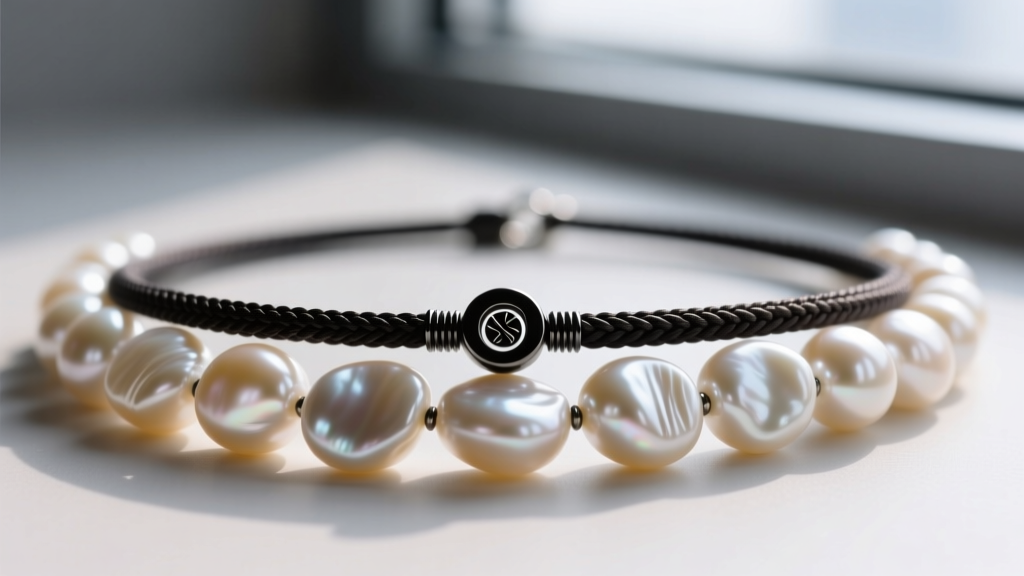
The evolution of the pearl necklace urban aesthetic has fundamentally shifted from a delicate, traditional accessory to a highly engineered component of modern streetwear. As we navigate the 2026 fashion landscape, the juxtaposition of organic gemstones against heavyweight cottons, technical nylons, and industrial hardware requires a complete rethinking of jewelry construction. Designing a pearl necklace urban streetwear enthusiasts will respect is not merely an exercise in styling; it is an engineering challenge. The organic nature of pearls makes them inherently vulnerable to the high-friction, high-acidity environments of daily urban life. This technical deep dive explores the exact material specifications, tensile requirements, and proportional scaling necessary to build and style a pearl necklace that survives the concrete jungle without compromising its structural integrity or visual weight.
Material Science: Selecting Pearls for High-Friction Environments
The primary failure point for traditional pearls in streetwear environments is nacre delamination. Standard Akoya pearls, prized for their perfectly round shapes and mirror-like luster, are bead-nucleated. This means they possess a thin layer of nacre (typically 0.2mm to 0.5mm) over a mother-of-pearl bead. When subjected to the abrasive forces of zippers, crossbody bag straps, and heavy denim, this thin nacre layer can easily chip or peel, exposing the dull nucleus beneath.
Nacre Thickness and Mohs Hardness
For the urban environment, you must specify freshwater baroque or Edison pearls. According to the Gemological Institute of America (GIA), high-quality freshwater pearls are solid nacre, meaning they are composed entirely of crystalline aragonite and conchiolin from the center to the surface. This solid structure provides superior impact resistance. Furthermore, Edison pearls offer a metallic orient and large diameters (11mm to 14mm) that provide the necessary visual gravity to stand out against oversized streetwear silhouettes. While all pearls sit at a relatively soft 2.5 to 4.5 on the Mohs hardness scale, the sheer thickness of solid-nacre freshwater pearls ensures that even if surface scratching occurs, the structural integrity and luster remain intact.
Engineering the Core: Stringing Materials and Tensile Requirements
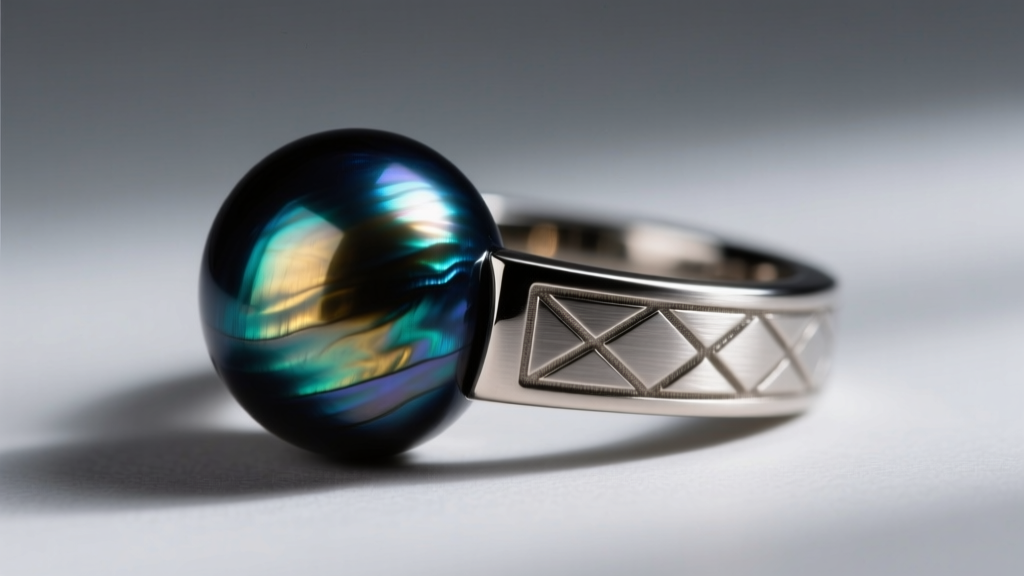
The most critical, yet entirely hidden, component of a streetwear-ready pearl necklace is the stringing material. Traditional Japanese silk thread (Size F or G) is the industry standard for fine pearl knotting. However, silk is a protein fiber that rapidly degrades when exposed to the acidic pH of human sweat (which ranges from 4.5 to 7.0) and the environmental pollutants found in urban centers. In a streetwear context, where the necklace may be worn over the skin during high-exertion activities or exposed to sudden weather changes, silk will stretch, rot, and eventually snap.
The technical solution is to utilize braided UHMWPE (Ultra-High-Molecular-Weight Polyethylene) cords, such as Power Pro or Serafil, or multi-strand stainless steel micro-cables coated in nylon. These materials offer immense tensile strength and zero water absorption.
| Stringing Material | Tensile Strength | Sweat & pH Resistance | Flex Fatigue Rating | Urban Suitability |
|---|---|---|---|---|
| Traditional Silk (Size F) | Low (approx. 4 lbs) | Poor (degrades at pH < 5.5) | High (stretches over time) | Not Recommended |
| Braided UHMWPE (20lb Test) | Very High (20 lbs) | Excellent (inert polymer) | Low (maintains tension) | Optimal for Heavy Pearls |
| Nylon-Coated Steel Wire | Extreme (49 strand) | Good (nylon prevents rust) | Moderate (can kink) | Good for Structured Collars |
Hardware Metallurgy: Clasps That Survive the Concrete Jungle
Urban environments expose jewelry to sulfur dioxide, particulate matter, and constant thermal cycling. The hardware on a pearl necklace urban dwellers wear daily must resist galvanic corrosion and mechanical failure. Standard gold-plated brass clasps are entirely unsuitable; the thin gold plating (often less than 0.5 microns) will wear off within weeks of friction against hoodie drawstrings, leading to rapid oxidation of the underlying brass and subsequent skin discoloration.
For authentic streetwear durability, specify hardware machined from 316L surgical stainless steel or Grade 5 Titanium, finished with a PVD (Physical Vapor Deposition) coating if a matte black or gunmetal aesthetic is desired. PVD coating bonds at the molecular level, providing a scratch-resistant surface that will not flake or tarnish.
- Magnetic Clasps: Offer high convenience but suffer from low shear strength. A heavy 14mm Edison pearl necklace can easily pull a standard neodymium magnetic clasp apart if caught on a jacket zipper.
- Screw Clasps: Provide the highest mechanical security. A threaded titanium barrel clasp ensures the necklace remains intact even under extreme tensile stress, though it requires two-handed dexterity to fasten.
- Carabiner / Trigger Clasps: The optimal choice for streetwear. They offer a secure mechanical lock, high shear strength, and a utilitarian, industrial aesthetic that perfectly complements the urban pearl necklace vibe.

Proportional Scaling: Lengths and Bead Sizing for Layering
Proportion is where most traditional jewelry fails in a streetwear context. A standard 16-inch choker or 18-inch princess-length necklace will be completely swallowed by the thick ribbed collar of a heavyweight hoodie or the high neckline of a streetwear crewneck sweatshirt. Furthermore, smaller 6mm to 8mm pearls lack the visual mass required to compete with the heavy drape of urban fabrics.
To achieve the correct visual anchor in an urban outfit, the pearl necklace must sit below the collarbone but above the kangaroo pocket of a hoodie. This requires a precise matinee length of 22 to 24 inches, paired with bead diameters no smaller than 10mm.
When layering, the urban pearl necklace should act as the mid-layer anchor. Pair a 22-inch solid-nacre baroque pearl strand with a 26-inch heavy cubic zirconia or solid silver Cuban link chain. The contrast between the organic, asymmetrical shapes of the baroque pearls and the rigid, geometric links of the metal chain creates the dynamic tension that defines the 2026 streetwear aesthetic. Ensure the drill holes on the pearls are sized to at least 1.0mm to accommodate the thicker UHMWPE cords and to prevent stress fractures around the bead channel.
Maintenance Protocols for Urban Pollution
Urban pollution poses a unique threat to organic gems. Airborne sulfur compounds and acidic smog can dull the orient of a pearl over time. The GIA Pearl Care Guidelines strictly advise against the use of ultrasonic cleaners or steamers, as the high-frequency vibrations can shatter the microscopic aragonite platelets that create the pearl's luster. For streetwear pearls that are frequently exposed to sweat and city grime, the maintenance protocol must be manual and gentle.
After wearing the necklace in a high-exertion or heavily polluted environment, wipe each pearl individually with a lint-free microfiber cloth slightly dampened with distilled water. Never use tap water, as the chlorine and fluoride can etch the nacre surface. Once a month, apply a microscopic drop of mineral oil to a soft cloth and buff the pearls to replenish their surface hydration and maintain the deep, metallic luster required for the urban aesthetic. Store the necklace flat in a breathable linen pouch; hanging a heavy, solid-nacre pearl necklace for long periods will cause permanent elongation of the stringing material, regardless of its tensile rating.


