How to Choose the Perfect JCPenney Pearl Necklace (2026 Guide)
Discover what to look for when buying a JCPenney pearl necklace. Our 2026 guide covers pearl grading, metal settings, pricing, and care tips.

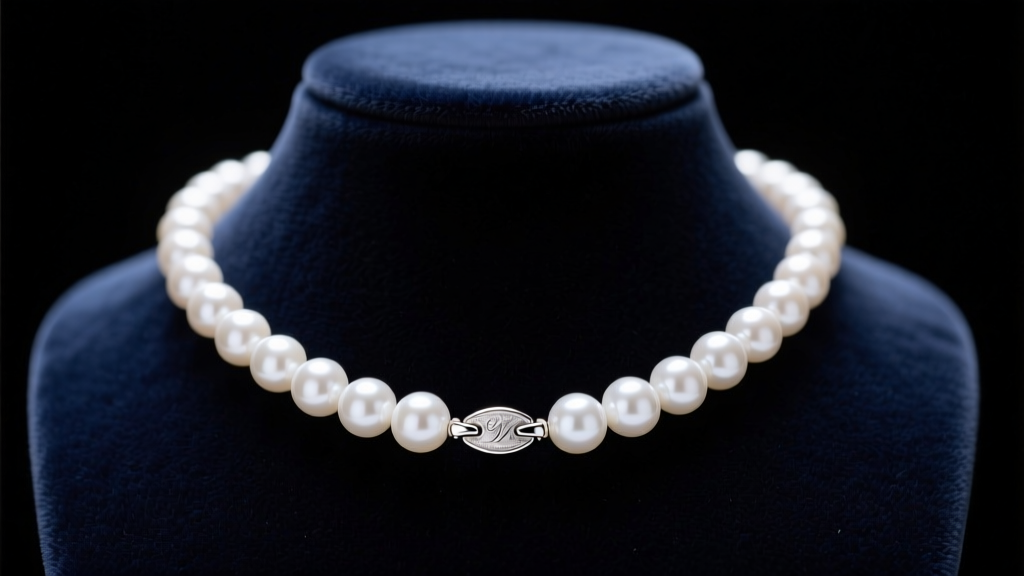
Why JCPenney Remains a Go-To for Accessible Pearl Jewelry
When navigating the vast market of pearl jewelry, department stores offer a unique middle ground between high-end boutique pricing and fast-fashion disposability. For decades, the JCPenney pearl necklace has been a staple for shoppers seeking classic elegance without the luxury markup. Brands like Liz Claiborne, Worthington, and JCPenney's in-house collections provide accessible entry points into cultured freshwater pearls. However, shopping at a mid-tier department store requires a discerning eye. Understanding the nuances of pearl grading, metal purity, and stringing mechanics is essential to ensure your purchase offers genuine value rather than just temporary shine.
In this comprehensive 2026 buying guide, we break down exactly what to look for when evaluating pearl necklaces at JCPenney, helping you distinguish between a worthwhile investment and a piece that will degrade within a year.
Decoding Pearl Types: Freshwater vs. Simulated
The first critical step in your purchase journey is identifying the type of pearl you are buying. JCPenney typically carries two main categories: genuine cultured freshwater pearls and simulated (shell or glass) pearls.
Genuine Cultured Freshwater Pearls
Most authentic JCPenney pearl necklaces feature freshwater cultured pearls. Unlike saltwater Akoya pearls, which are bead-nucleated, modern freshwater pearls are tissue-nucleated, resulting in a pearl that is nearly 100% nacre. This makes them highly durable. However, commercial-grade freshwater pearls often exhibit subtle surface blemishes, off-round shapes, and lower luster compared to gem-grade specimens. According to the Gemological Institute of America (GIA), luster is the most critical value factor in pearls. When examining a freshwater strand in-store, look for a sharp, distinct reflection of light on the surface rather than a dull, chalky glow.
Simulated and Shell Pearls
JCPenney also stocks simulated pearls, often labeled as 'crystal pearls' or 'shell pearls.' These are glass or plastic beads coated with a synthetic pearlescent material. While they offer perfect roundness and flawless surfaces, they lack the depth of luster found in real nacre.
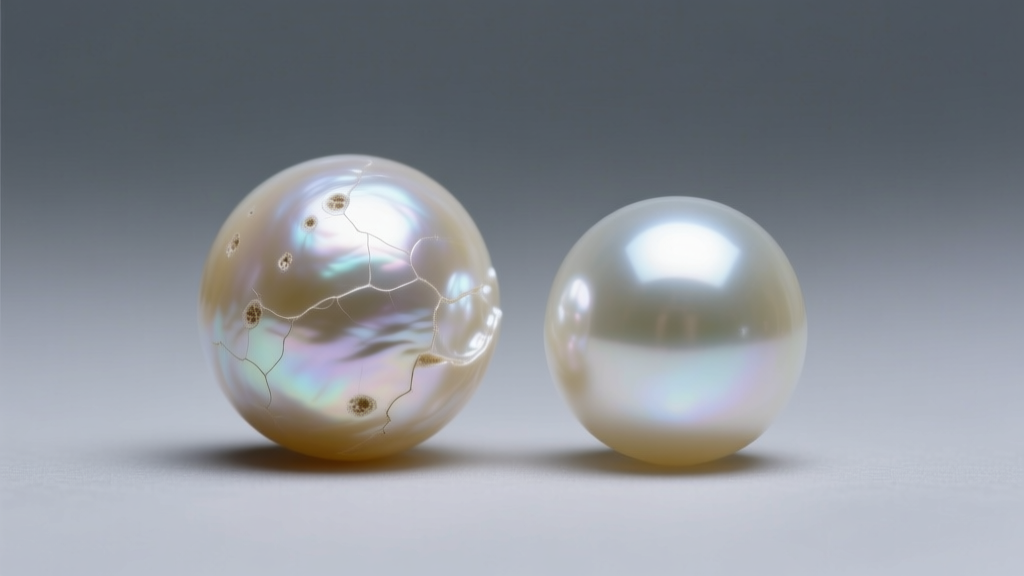
The Tooth Test: To verify authenticity, gently rub the pearl against the biting edge of your front tooth. A genuine cultured pearl will feel slightly gritty or sandy due to its crystalline nacre structure, while a simulated pearl will feel perfectly smooth like glass.
Metal Settings and Clasp Mechanics: What to Inspect
A pearl strand is only as strong as its weakest link, which is often the metal setting and clasp. Department store jewelry frequently utilizes cost-saving measures in metalwork that buyers must be aware of.
- Sterling Silver (.925): Look for the '.925' stamp. Many JCPenney freshwater pearl pendants and strands feature sterling silver chains and clasps. Silver is durable but will tarnish over time, requiring occasional polishing.
- Gold Vermeil vs. Gold Plated: Vermeil is a thick layer of gold (at least 2.5 microns) over sterling silver. Standard gold-plated brass, however, has a microscopic gold layer that can wear off within months, exposing the base metal and potentially causing skin discoloration. Always check the product specifications for 'vermeil' or 'solid gold' if longevity is your goal.
- Clasp Types: Avoid spring-ring clasps for heavier pearl strands; the thin wire mechanism is prone to snapping under the weight of the pearls. Instead, seek out lobster clasps or magnetic clasps, which offer superior security and ease of use.
JCPenney Pearl Necklace Sizing and Length Guide
Choosing the correct length is vital for how the necklace interacts with your wardrobe. Below is a structural guide to standard pearl lengths and their ideal neckline pairings.
| Length Category | Measurement | Best Necklines | Style Profile |
|---|---|---|---|
| Collar | 12 - 13 inches | Boat neck, off-the-shoulder | Vintage, formal, sits tightly on the upper neck |
| Choker | 14 - 16 inches | V-neck, scoop neck, business attire | Classic, versatile, rests at the base of the throat |
| Princess | 17 - 19 inches | Crew neck, high collar, button-down | The most popular length, rests on the collarbone |
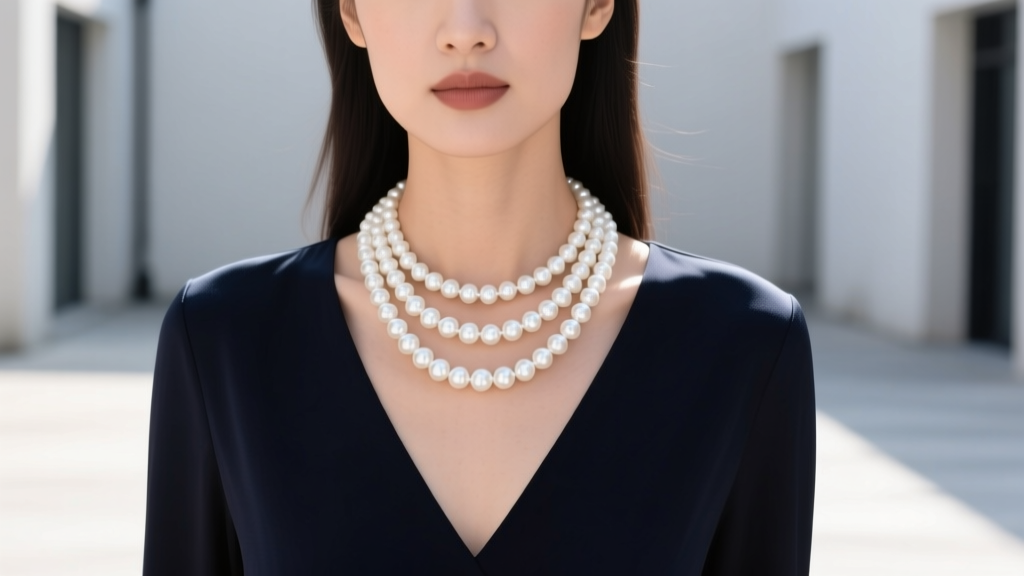
| Matinee | 20 - 24 inches | Deep V-neck, evening wear | Elegant, draws the eye downward, great for layering |
Price vs. Value: Setting Realistic Expectations
Understanding the pricing tiers at JCPenney helps manage expectations regarding quality and longevity. Here is a breakdown of what you can expect in the current market:
The $25 - $50 Tier
In this range, you will primarily find single freshwater pearl pendants on delicate sterling silver chains, or shorter, unknotted strands of smaller (5mm-6mm) commercial-grade pearls. The pearls may have noticeable blemishes and lower luster, but they offer genuine nacre at an unbeatable price point.
The $60 - $120 Tier
This is the sweet spot for a classic 18-inch princess-length knotted strand. Pearls in this tier usually measure 7mm-8mm and exhibit better matching in color and shape. Crucially, strands in this price range should be individually knotted. Knotting prevents the pearls from rubbing against each other (which damages the nacre) and ensures that if the string breaks, you only lose one pearl rather than the entire strand.
Red Flags to Avoid
Be wary of heavily discounted 'designer' pearl necklaces where the metal components feel excessively lightweight or hollow. Additionally, if a strand of large (9mm+) pearls is priced under $50, they are almost certainly simulated or heavily treated low-grade freshwater pearls coated in lacquer to hide severe surface defects.
Care and Maintenance for Department Store Pearls
Pearls are organic gems, ranking only 2.5 to 4.5 on the Mohs hardness scale. They are highly susceptible to chemical damage. The American Gem Society emphasizes that everyday cosmetics are the primary enemy of pearl luster.
The 'Last On, First Off' Rule
Always put your pearl necklace on after applying perfume, hairspray, and makeup. The alcohols and acids in these products can strip the nacre, leaving the pearls dull and yellowed over time. When undressing, remove the pearls first to prevent snagging them on fabrics.
Cleaning and Storage
Never use ultrasonic cleaners, steam cleaners, or harsh jewelry dips on a pearl necklace; these will destroy the nacre and dissolve the stringing adhesive. Instead, wipe the pearls gently with a soft, damp microfiber cloth after each wear to remove body oils. Store them flat in a soft pouch—never hang them, as the continuous gravity will stretch the nylon or silk thread over time, leading to gaps between the pearls and eventual breakage.
Final Verdict: Is a JCPenney Pearl Necklace Right for You?
A JCPenney pearl necklace is an excellent choice for buyers seeking accessible, classic jewelry for everyday wear, office environments, or gifting. By focusing on genuine freshwater options with sterling silver or vermeil hardware, and ensuring the strand is properly knotted, you can secure a beautiful piece that punches well above its price class. Approach your purchase with an understanding of commercial pearl grading, and you will walk away with a timeless accessory that maintains its elegance for years to come.


