Pearl Necklace with Ruby: The 2026 Anniversary Gift Guide
Discover the perfect pearl necklace with ruby for anniversaries and milestones. Our 2026 guide covers gem grades, pricing, and occasion matching.

The Allure of Pearls and Rubies: A Timeless Pairing
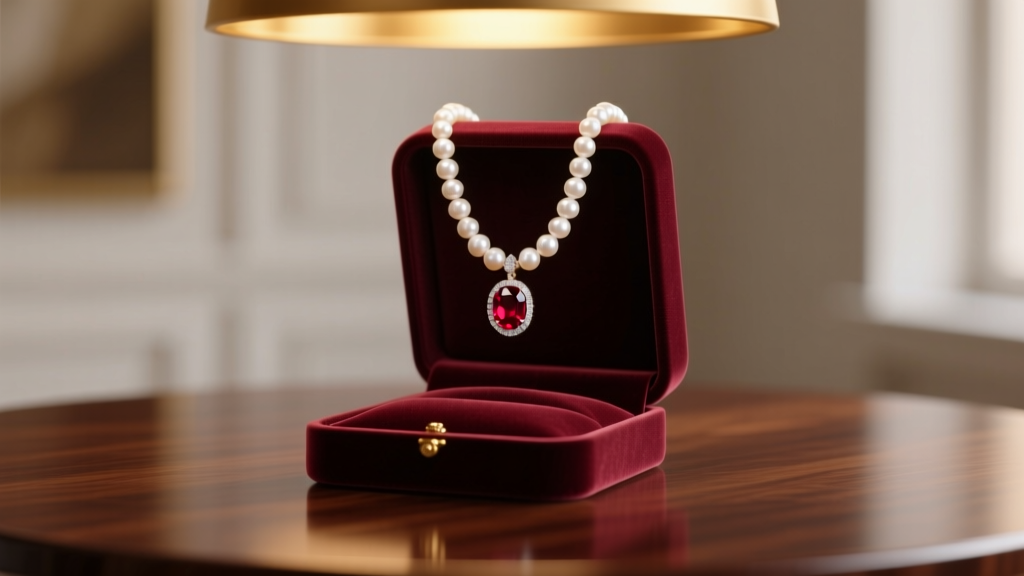
When selecting a milestone gift that balances organic elegance with fiery brilliance, few combinations rival a pearl necklace with ruby accents. This pairing represents a masterclass in gemological contrast: the soft, iridescent luster of nacre layered against the sharp, crystalline fire of corundum. As we navigate the luxury jewelry market in 2026, this specific combination has surged in popularity for anniversary gifts, driven by a renewed appreciation for heritage designs and bespoke gemstone pairing.
Unlike single-gemstone strands, a pearl and ruby necklace requires a nuanced understanding of two entirely different mineral families. Pearls are organic gems formed by mollusks, while rubies are crystalline aluminum oxide. Gifting this combination means you are presenting a piece that bridges the earth's biological wonders with its intense geological pressures. To ensure your gift is both structurally sound and gemologically superior, you must look beyond basic aesthetics and understand the grading metrics that dictate value, longevity, and visual impact.
Decoding the Gems: Quality Metrics That Matter
A high-quality pearl necklace with ruby accents is only as valuable as its weakest component. Unscrupulous jewelers often pair premium rubies with low-grade, chalky pearls, or vice versa. Here is how to evaluate both stones according to the GIA Gem Encyclopedia standards.
Pearl Grading: Luster and Nacre Thickness
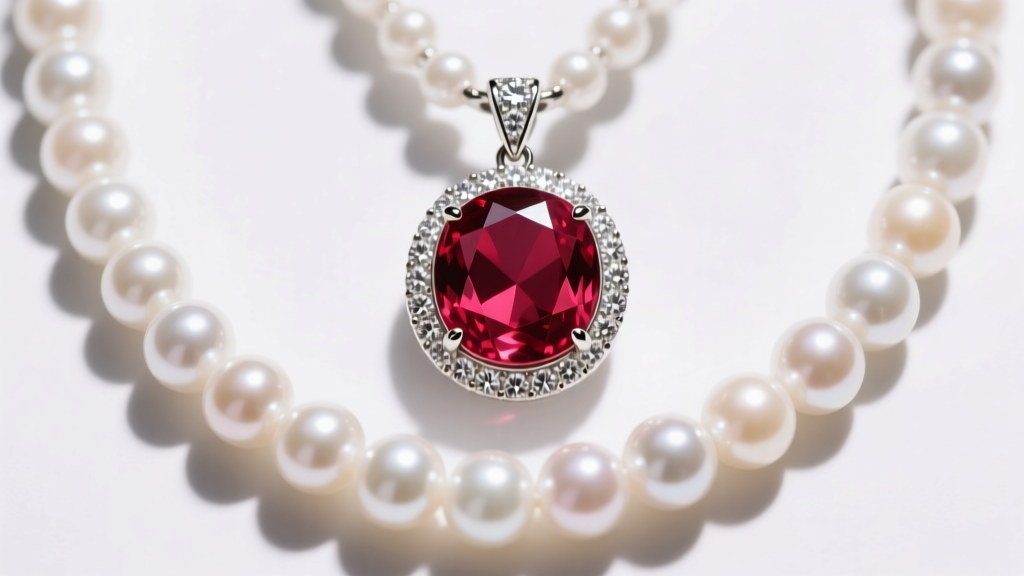
For a classic white strand, Akoya pearls (6.0mm to 8.5mm) remain the gold standard due to their mirror-like luster. When evaluating Akoya pearls, demand a nacre thickness of at least 0.4mm, though heirloom-quality strands from the 2026 harvests boast nacre exceeding 0.8mm. If the pearl has a dull, chalky appearance or if you can see the bead nucleus through the surface, the nacre is too thin and will eventually peel. For a more modern, dramatic look, white South Sea pearls (10.0mm to 14.0mm) offer a satin luster that pairs beautifully with larger ruby pendants, though they command a significant premium.
Ruby Origins and Treatments
The ruby pendant or accents on your necklace should be evaluated on color saturation and treatment history. According to GIA Ruby Quality Factors, the most prized color is 'pigeon's blood'—a vivid, medium-dark purplish red. Burmese (Myanmar) rubies historically hold the highest prestige, but export restrictions have made Mozambique rubies the dominant force in the 2026 market. Mozambique stones often exhibit excellent clarity and a vibrant red hue at a more accessible price point.
Crucial Warning: Always ask for a gemological lab report confirming the ruby's treatment status. While traditional heat treatment is widely accepted and stable, you must strictly avoid 'glass-filled' or 'fracture-filled' rubies. These stones are infused with lead glass to hide cracks, making them incredibly fragile and virtually worthless in the fine jewelry secondary market.
Occasion Matching: When to Gift a Pearl Necklace with Ruby
Matching the jewelry to the specific milestone ensures the gift carries profound symbolic weight. Here is a framework for occasion matching:
- 15th Wedding Anniversary (Crystal/Ruby Alternate): While crystal is traditional, modern lists frequently substitute ruby. A delicate 16-inch Akoya pearl choker with a small (0.50ct) ruby drop is perfect for this milestone.
- 40th Wedding Anniversary (Ruby): The definitive ruby anniversary. Opt for a substantial 18-inch princess-length South Sea pearl necklace featuring a prominent, unheated ruby centerpiece surrounded by a subtle diamond halo.
- 50th Wedding Anniversary (Gold/Pearl): Pearls are the traditional 50th-anniversary gem in many European cultures. Incorporating a ruby adds a vibrant 'second honeymoon' energy to the classic pearl tradition.
- Milestone Birthdays (July & August): For recipients born in July (ruby) or August (pearl alternate in some historical calendars), this necklace acts as a personalized birthstone synergy.
2026 Pricing Guide: What to Expect by Budget
Pricing for a pearl necklace with ruby varies wildly based on the origin of the corundum and the cultivation method of the pearls. Below is a realistic market breakdown for the current year, assuming 14k or 18k gold settings.
| Budget Tier | Pearl Type & Size | Ruby Origin & Treatment | Estimated Price Range (2026) |
|---|---|---|---|
| Accessible | Freshwater (7-9mm, round) | Mozambique (Heated) | $400 - $1,200 |
| Mid-Range | Akoya (6.5-7.5mm, high luster) | Mozambique (Unheated) | $1,500 - $4,500 |
| Investment | South Sea (10-13mm, clean) | Burmese (Unheated, Pigeon Blood) | $8,000 - $25,000+ |
Styling and Neckline Pairings for the Recipient
A pearl necklace with ruby is a statement piece that requires strategic wardrobe pairing. The high contrast between the white/cream nacre and the deep red gemstone means the necklace will naturally draw the eye. To maximize its impact, consider the recipient's typical wardrobe and choose the necklace length accordingly.
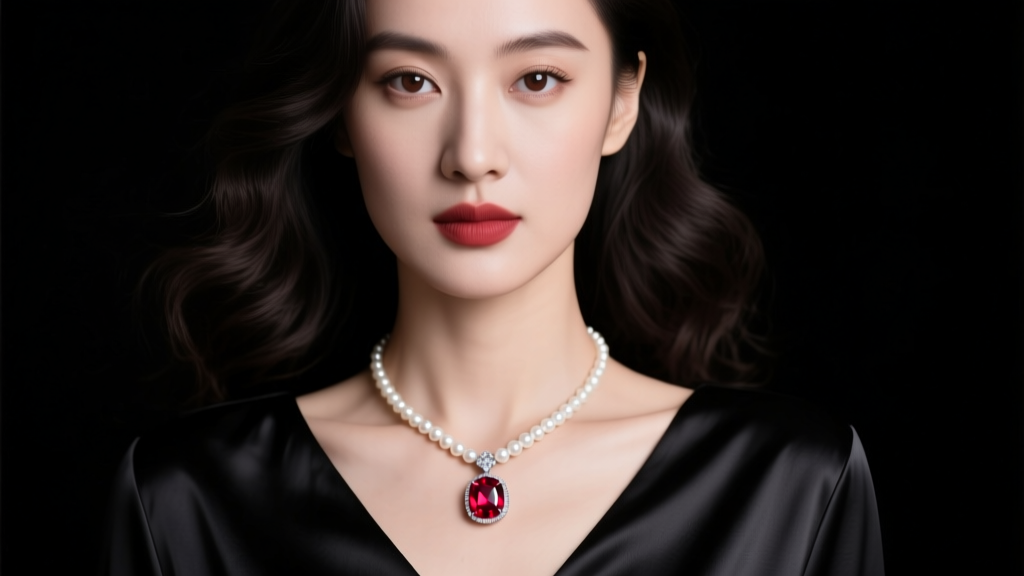
For V-neck blouses and wrap dresses, an 18-inch princess-length necklace is ideal. The V-shape of the clothing mirrors the drop of the ruby pendant, creating an elongating effect on the neckline. If the recipient favors boatneck or Bateau necklines, a shorter 16-inch choker style with ruby accents spaced evenly along the strand (rather than a single pendant) provides a sophisticated, horizontal balance that complements the wide collarbone exposure. Avoid pairing intricate ruby-and-pearl pendants with heavily patterned fabrics or high ruffled collars, as the visual competition will obscure the gemstones' brilliance.
Care and Maintenance for Dual-Gem Jewelry
Gifting a dual-gemstone piece requires educating the recipient on proper care, as pearls and rubies have drastically different physical properties. On the Mohs scale of mineral hardness, a ruby scores a 9, making it exceptionally resistant to scratching. Pearls, however, score a mere 2.5 to 4.5, making them highly susceptible to abrasion and chemical damage.
Never allow the necklace to be cleaned in an ultrasonic cleaner or exposed to harsh commercial jewelry dips. The high-frequency vibrations of an ultrasonic machine can shatter the delicate nacre layers of a pearl, and chemicals can strip its natural orient. According to GIA Pearl Quality Factors, pearls should be the last thing put on and the first thing taken off to avoid contact with perfumes, hairsprays, and cosmetics. To clean the necklace, simply wipe the pearls with a soft, damp microfiber cloth after wearing, and use a separate, slightly firmer brush for the ruby setting to remove lotion buildup from behind the gemstone. Store the necklace flat in a soft pouch; hanging it over time can stretch the silk thread and cause the pearls to rub against the harder ruby, resulting in permanent surface scratches on the nacre.
The 2026 Gifting Verdict: A pearl necklace with ruby is not merely jewelry; it is an archival piece. By prioritizing unheated rubies, thick-nacre pearls, and ethical sourcing, you are gifting an heirloom that will retain both its structural integrity and its emotional resonance for generations.


