Pearl Necktie Necklace Value Guide: 2026 Pricing & Budget Tips
Discover the true value of a pearl necktie necklace in 2026. Compare pricing tiers, pearl grades, and hardware to avoid overpaying.

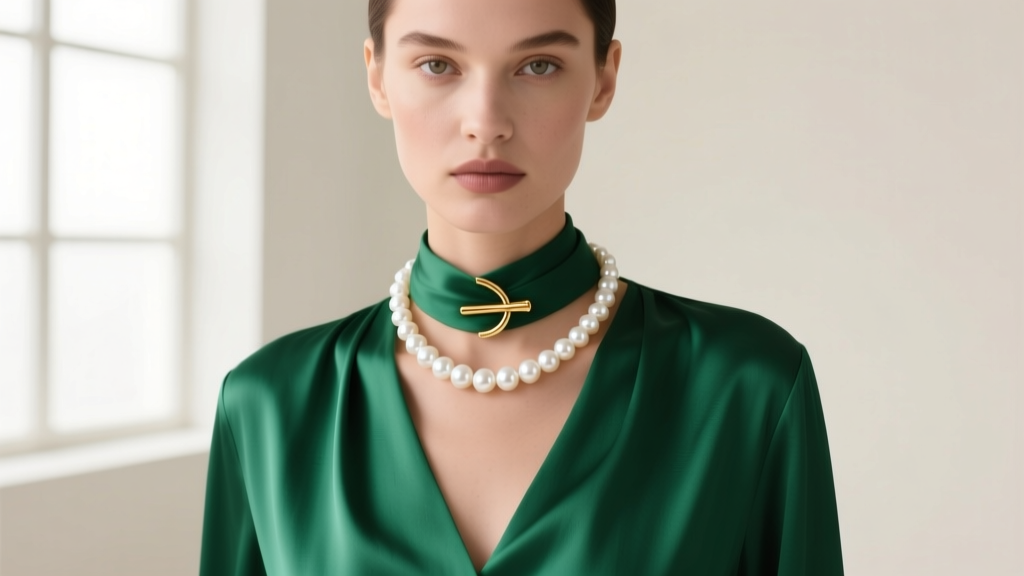
The pearl necktie necklace—a sophisticated Y-shaped or lariat-style silhouette featuring a continuous strand of pearls that drops down into a 'tie' or tassel—has cemented itself as a versatile staple in modern jewelry wardrobes. However, as we navigate the 2026 jewelry market, the price discrepancy between seemingly identical pieces can be staggering. You might find a pearl necktie necklace priced at $28 on a fast-fashion site and another at $1,400 from a heritage jeweler. Understanding where your money actually goes is critical for making a smart, long-term investment.
As a senior appraiser and style analyst, I have evaluated hundreds of lariat and necktie pearl strands. The secret to assessing value lies not just in the pearls themselves, but in the hidden mechanics of the hardware, the nacre thickness, and the friction mechanisms that dictate the lifespan of the piece. This comprehensive budget and value assessment will help you decode pricing tiers, avoid overpriced traps, and find the perfect pearl necktie necklace for your budget.
The Anatomy of a Pearl Necktie Necklace
Before assessing value, we must define the architecture of the piece. A true pearl necktie necklace typically consists of three main components:
- The Collar Strand: The primary loop that circles the neck, usually ranging from 30 to 36 inches in total circumference.
- The Junction or Slider: The hardware or pearl-loop mechanism where the strand meets and allows the 'tail' to pass through.
- The Drop (or Tie): The dangling vertical section, often terminating in a single statement pearl, a metallic tassel, or a weighted geometric charm to ensure it hangs properly against the sternum.
The vulnerability of this design lies entirely in the junction. Because the pearl strand must slide through a ring or clasp to adjust the length, the friction between the hardware and the pearl nacre is a primary point of failure in lower-quality pieces.
2026 Market Pricing: What Should You Actually Pay?
Pearl and precious metal markets have fluctuated significantly leading into 2026. Based on current wholesale costs and retail markups, here is the definitive pricing matrix for pearl necktie necklaces. Use this table to benchmark any piece you are considering.
| Tier | Pearl Type & Size | Hardware Material | Expected Price Range | Value Verdict |
|---|---|---|---|---|
| Budget | Shell/Glass Pearls (8-10mm) | Brass with Gold Flash | $20 - $45 | Poor longevity; strictly for temporary trend-wearing. |
| Mid-Tier | Commercial Freshwater (6-8mm) | Gold Vermeil or Sterling Silver | $60 - $150 | Best everyday value; excellent for office and casual wear. |
| Premium | Gem-Grade Freshwater or Akoya (5-7mm) | Solid 14k Gold / Silicone-lined | $250 - $600 | High investment value; heirloom durability and mirror luster. |
| Luxury | Matched Akoya or South Sea Drops | Solid 18k Gold / Diamond Accents | $800 - $2,500+ | Collector grade; justified only for connoisseurs of high luster. |
If a brand is charging $300 for a piece with standard freshwater pearls and gold-plated brass hardware, you are paying for the logo, not the materials. True value in the $100–$200 bracket demands sterling silver or heavy vermeil (at least 2.5 microns of gold over silver) and near-round freshwater pearls with high luster.
Freshwater vs. Akoya vs. Shell: Assessing Pearl Value
The pearls themselves dictate the baseline cost. According to the Gemological Institute of America (GIA), pearl value is determined by size, shape, color, luster, surface quality, and nacre thickness. Here is how the three most common types used in necktie necklaces break down in terms of budget allocation.
1. Shell and 'Pearl Essence' Beads (The Budget Illusion)
Often marketed deceptively as 'crystal pearls' or 'simulated pearls,' these are glass or plastic beads coated in a synthetic pearlescent material. While they offer perfect roundness and uniform color, they lack the depth, overtone, and refractive luster of organic nacre. Budget Rule: Never pay more than $40 for a shell pearl necktie necklace, regardless of the brand name attached to it.
2. Commercial vs. Gem-Grade Freshwater (The Value Sweet Spot)
Modern tissue-nucleated freshwater pearls from China offer incredible value. A 36-inch strand of 6.0-6.5mm near-round freshwater pearls with good luster should cost between $80 and $140. However, be wary of 'chalky' freshwater pearls—these have low luster and thick but poorly crystallized nacre. Look for pearls that reflect a sharp, distinct image on their surface, indicating a high-quality crystalline structure.
3. Akoya Pearls (The Premium Investment)
Akoya pearls are bead-nucleated and renowned for their sharp, mirror-like luster and perfectly round shapes. Because producing a 36-inch continuous strand of matched Akoya pearls requires a massive harvest yield, genuine Akoya pearl necktie necklaces are rare and expensive. If you see an 'Akoya' lariat for under $200, it is likely mislabeled freshwater.
Hardware & Clasps: The Hidden Cost of Durability
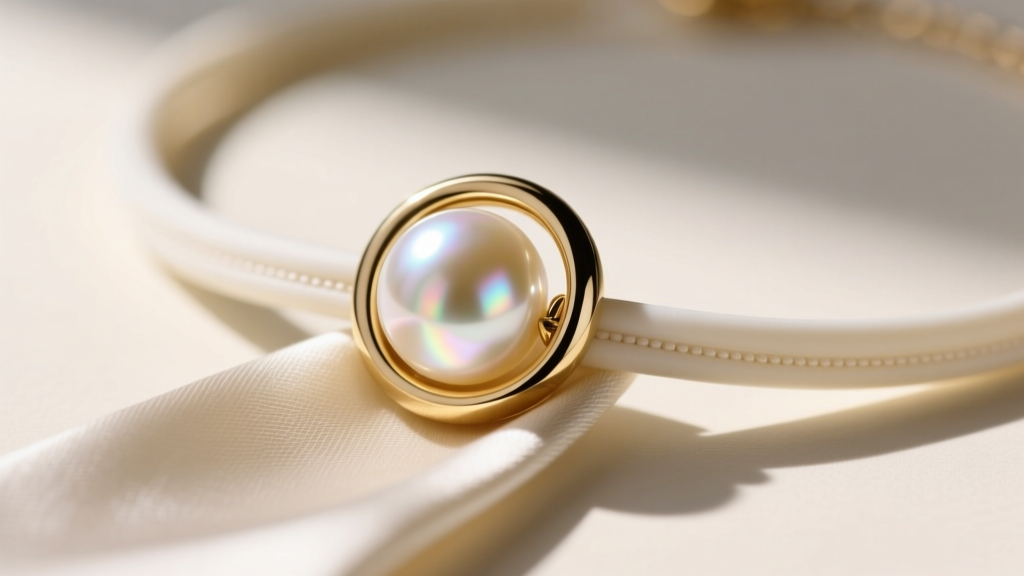
The most critical, yet frequently overlooked, aspect of a pearl necktie necklace is the sliding junction. Pearls rank at a mere 2.5 to 4.5 on the Mohs hardness scale. This means they are incredibly soft and susceptible to scratching.
In poorly designed lariats, the pearl strand is forced repeatedly through a bare metal O-ring or a rigid geometric loop. Over time, this metal acts like a cheese grater, slowly stripping the nacre off the pearls near the slider. This is a catastrophic failure mode that ruins the necklace's value.
The Silicone-Lined Slider Solution
High-end jewelers mitigate this by using silicone-lined O-rings or Teflon-coated internal channels in their gold sliders. This provides the necessary friction to hold the 'tie' in place against gravity while protecting the delicate nacre from abrasion. When assessing a premium pearl necktie necklace ($200+), inspect the slider hole. If you see bare, unlined metal rubbing directly against the pearl strand, walk away. The Federal Trade Commission (FTC) jewelry guidelines mandate accurate material disclosure, but they do not regulate structural jewelry design, making buyer vigilance essential.
Alternative Junctions: The Fixed Y-Drop
To avoid the friction problem entirely, some designers opt for a fixed Y-junction, where the collar and the drop are permanently soldered or linked via a tiny jump ring. While this eliminates the adjustability of a traditional sliding necktie, it vastly increases the structural integrity and lifespan of the piece, making it a smarter choice for buyers prioritizing longevity over styling versatility.
Red Flags: Overpriced Traits to Avoid
When shopping for a pearl necktie necklace, marketers will use buzzwords to inflate the price of mediocre materials. Protect your budget by watching out for these common traps:
- 'Gold Plated' over Brass or Copper: Unlike vermeil (which requires a sterling silver base and a minimum gold thickness), standard gold plating over base metals will oxidize, turn your skin green, and flake off within months of exposure to skin oils and perfumes.
- 'Baroque' as an Excuse for Mismatching: While baroque (irregularly shaped) pearls are beautiful and highly valued in artisan jewelry, some mass-market brands use cheap, heavily blemished, near-reject pearls and label them 'baroque' to justify a lower price point while maintaining high profit margins.
- Glued End-Caps: Check the pearl at the very end of the 'tie' drop. In premium pieces, the pearl is drill-set and secured with a tiny metal pin or wire-wrapping. In cheap pieces, the end pearl is simply glued onto a metal post. A single drop of sweat or a snag on a sweater will cause the end pearl to pop off and be lost forever.
Final Verdict: Maximizing Your Investment
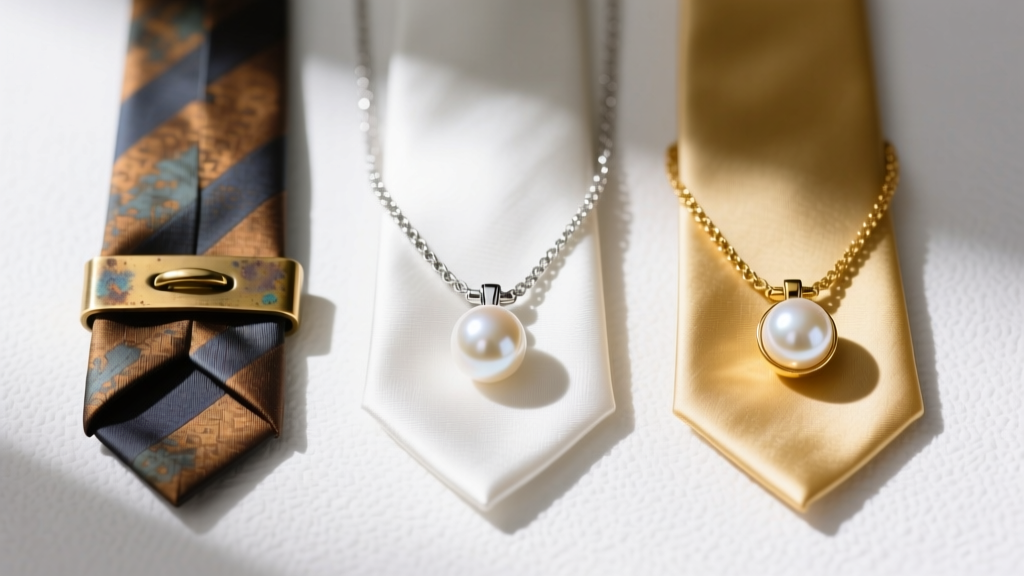
The pearl necktie necklace is a masterclass in elegant, minimalist styling, capable of elevating a simple silk blouse or adding a feminine contrast to a structured blazer. However, its value is entirely dependent on the synergy between the organic gems and the engineered hardware.
For the budget-conscious buyer seeking everyday elegance, a $90 to $140 investment in a 6mm near-round freshwater pearl strand with a sterling silver or heavy gold vermeil silicone-lined slider offers the absolute best cost-per-wear ratio in the 2026 market. Avoid the ultra-cheap fast-fashion tiers that will degrade in weeks, and be highly skeptical of mid-tier prices that rely on brand prestige rather than material quality.
By prioritizing nacre luster, checking the Mohs-safe friction mechanics of the slider, and demanding transparent metal hallmarks, you can secure a breathtaking pearl necktie necklace that retains its beauty—and its value—for decades to come.


