How to Choose, Activate, and Style a Cooling Necklace
Learn how to choose, activate, and style a cooling necklace. Discover PCM vs. evaporative options and summer outfit pairings for effortless relief.


The Shift Toward Functional Thermoregulation Jewelry
As global summer temperatures continue to shatter historical records, the intersection of high fashion and functional thermoregulation has never been more relevant. Traditional metal necklaces—crafted from gold, silver, or brass—possess high thermal conductivity. When ambient temperatures exceed 30°C (86°F), these metals absorb and trap radiant heat against the skin, leading to sweat buildup, discomfort, and even contact dermatitis. Enter the cooling necklace: a sophisticated piece of functional neckwear designed to actively lower your core body temperature while maintaining a sleek, modern aesthetic.
Unlike the bulky, utilitarian ice packs of the past, today's cooling necklaces utilize advanced materials science to provide targeted relief to the carotid arteries located on the sides of your neck. Cooling the blood as it passes through these major vessels helps regulate overall body temperature far more efficiently than cooling the extremities. However, to truly benefit from this technology, you must understand how to select the right material, properly activate the cooling agents, and style the piece so it complements your summer wardrobe rather than detracting from it.
The Science of Neck-Based Cooling
The neck is one of the most effective areas for thermal exchange. The skin here is relatively thin, and the carotid arteries lie close to the surface. According to the CDC NIOSH Heat Stress Guidelines, cooling the neck and head region is a primary strategy for preventing heat-related illnesses and maintaining cognitive function in extreme environments. Modern cooling necklaces achieve this through two primary mechanisms: Phase Change Materials (PCM) and evaporative polymer networks. Understanding the difference is crucial for selecting a piece that fits your lifestyle, climate, and aesthetic preferences.
Step 1: Choosing the Right Cooling Technology
Before purchasing a cooling necklace, you must evaluate the three dominant technologies on the market. Each offers distinct advantages regarding cooling duration, weight, and visual profile.
Phase Change Material (PCM)
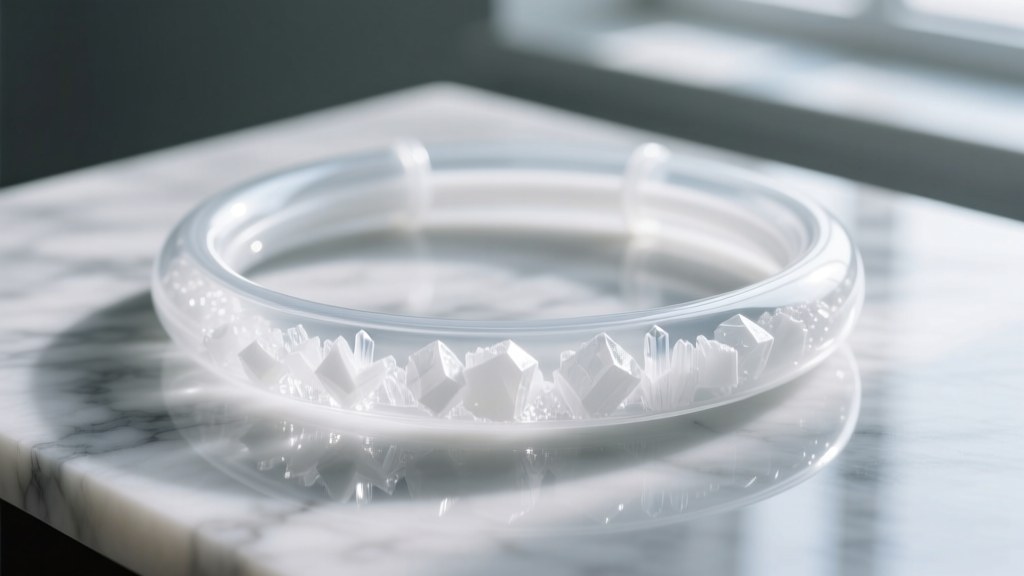
Originally developed by NASA for astronaut spacesuits and later commercialized by companies like Outlast Technologies, PCM relies on the latent heat of fusion. The necklace contains a bio-based fatty acid or paraffin wax encapsulated in a flexible Thermoplastic Polyurethane (TPU) tube. The material is engineered to melt and solidify at a precise temperature—usually 28°C (82.4°F). When the solid PCM touches your 37°C (98.6°F) skin, it absorbs heat energy to melt into a liquid, providing a constant, soothing cooling sensation without ever feeling freezing or causing ice burns.
Evaporative Polymer Crystals
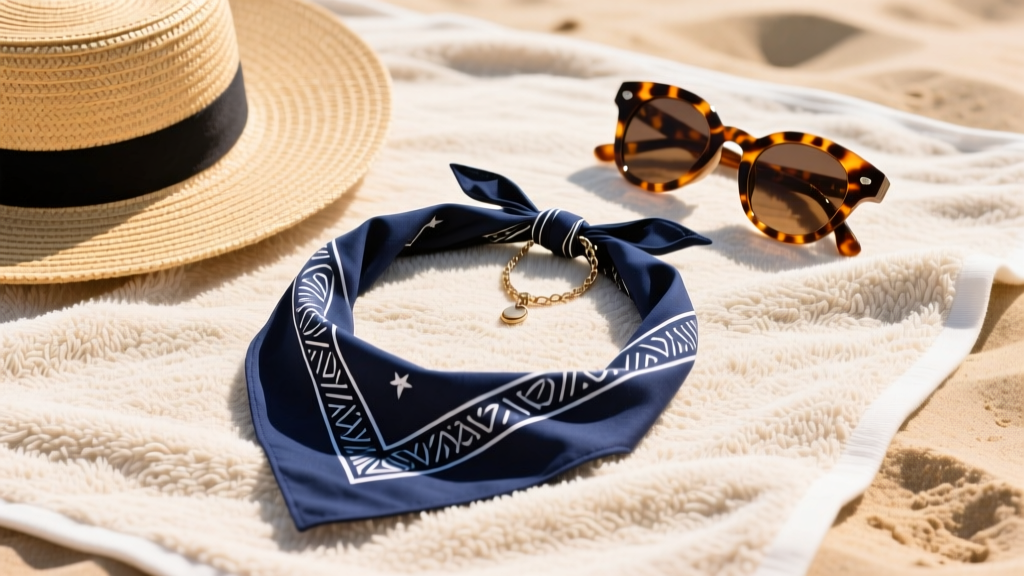
These necklaces use superabsorbent polymers (SAP) or Polyvinyl Alcohol (PVA) meshes. You soak the necklace in water, and as the water slowly evaporates, it draws heat away from the skin. While they offer a longer cooling duration in low-humidity environments, they can feel damp and are less effective in high-humidity climates where evaporation is stifled.
Thermoelectric Pendants
Powered by small rechargeable batteries, these devices use the Peltier effect to create a cold ceramic plate that rests against the nape of the neck. While highly effective, they are heavier, require daily charging, and often look more like tech gadgets than jewelry.
| Technology | Core Material | Activation Method | Cooling Duration | Aesthetic Profile |
|---|---|---|---|---|
| PCM (Phase Change) | Bio-based wax in TPU | Ice water, fridge, or AC | 90 - 120 minutes | Sleek, matte silicone-like choker |
| Evaporative | PVA or SAP crystals | Soaking in cool water | 2 - 4 hours (dry climates) | Bandana, mesh tube, or bead strand |
| Thermoelectric | Ceramic plate, battery | USB-C charging | Continuous while powered | Tech-forward pendant or nape-clip |
Step 2: Activation and Recharging Protocols
To get the most out of your cooling necklace, proper activation is essential. Improper handling can damage the materials or reduce the lifespan of the cooling agents.
How to Activate a PCM Necklace
- The Ice Water Method (Fastest): Submerge the TPU tube in a bowl of ice water for 15 to 20 minutes. The high thermal conductivity of water freezes the 28°C PCM rapidly. You will see the liquid turn into a solid, milky-white crystalline structure.
- The Refrigerator Method: Leave the necklace in the fridge (not the freezer) for about 30 minutes. This is ideal for preparing your jewelry before a morning commute.
- The Air Conditioning Method: If you are in a heavily air-conditioned office (below 24°C/75°F), simply leaving the necklace on a desk will allow it to slowly resolidify over an hour.
Warning: Never microwave, boil, or expose a PCM necklace to direct high heat, as this can cause the TPU casing to rupture or the organic compounds to degrade.
How to Activate an Evaporative Necklace
- Submerge the PVA or SAP necklace in cool tap water for 3 to 5 minutes.
- Gently massage the tube or beads to ensure the internal polymers fully absorb the water and expand.
- Wring out the excess water thoroughly. The necklace should feel damp but should not drip onto your clothing, which can cause water stains on delicate fabrics like silk or rayon.
Step 3: Styling for Maximum Airflow and Aesthetics
A cooling necklace is only effective if it sits flush against the skin, specifically targeting the pulse points at the base of the neck and the collarbones. Styling your outfit to accommodate this functional requirement while maintaining a high-fashion edge requires strategic pairing.
Pairing with the Right Necklines
The ideal canvas for a PCM cooling choker is an open neckline. V-necks, scoop necks, and boat necks expose the collarbone area, allowing the necklace to rest directly on the skin while remaining visible as a deliberate style choice. Avoid turtlenecks, high crew necks, or heavy synthetic scarves; these trap ambient heat and completely negate the thermodynamic benefits of the necklace. For menswear or androgynous styling, a lightweight, unbuttoned camp-collar linen shirt provides the perfect backdrop for a matte-black or navy PCM tube.
Color Coordination and Textures
Because PCM necklaces often resemble thick, minimalist silicone chokers, they pair beautifully with organic, breathable textiles. Contrast the smooth, slightly glossy finish of the TPU casing against the rough, woven texture of raw linen, hemp, or Tencel lyocell. If you are wearing a monochromatic white or beige summer outfit, opt for a cooling necklace in a bold, contrasting color like charcoal, olive green, or terracotta to turn the functional item into a striking statement piece.
The Golden Rule of Layering
Do not layer sharp metal chains, pendants with prong-set gemstones, or heavy beaded jewelry directly over or against a PCM tube. The TPU material is highly durable against stretching and body oils, but it is susceptible to punctures from sharp metal edges. A single micro-puncture will cause the fatty acid PCM to leak, ruining both the necklace and your clothing. If you must layer, wear delicate, smooth metal chains that sit at a different length (e.g., a 24-inch chain below the 16-inch cooling choker).
Step 4: Maintenance, Care, and Troubleshooting
To ensure your cooling necklace lasts through multiple summer seasons, proper maintenance is non-negotiable. Functional jewelry requires slightly more care than a standard gold chain.
Cleaning Protocols
Human sweat contains salts, urea, and lactic acid, which can slowly degrade the exterior of TPU and PVA materials over time, leading to a sticky residue or yellowing. After every use, wipe the necklace down with a soft microfiber cloth dampened with mild, pH-neutral soap and water. Never use alcohol-based cleaners, bleach, or harsh solvents, as these will dry out the thermoplastic casing and cause micro-cracking.
Storage and UV Degradation
Thermoplastic Polyurethane is sensitive to prolonged ultraviolet (UV) exposure. While wearing it outside for a few hours is perfectly fine, storing your PCM necklace on a sunlit windowsill will cause the material to become brittle and yellow over time. Store your cooling jewelry in a cool, dark drawer or a dedicated velvet pouch. If you are using an evaporative SAP necklace, ensure it is completely dry before long-term storage to prevent mold and mildew from forming inside the mesh casing.
Troubleshooting Common Issues
- PCM Not Freezing: If your PCM remains liquid even after an hour in the fridge, check the ambient temperature of your refrigerator. If it is set too high (above 28°C/82°F in certain localized zones), the phase change will not occur. Move it to a colder shelf or use the ice-water method.
- Sticky TPU Exterior: If the tube feels tacky to the touch, it has accumulated body oils and environmental dust. Wash it with a gentle dish soap, rinse thoroughly, and lightly dust the exterior with a minuscule amount of cornstarch or talc-free body powder to restore the matte, smooth finish.
Conclusion
The cooling necklace represents a brilliant evolution in summer accessories, proving that personal adornment can be both beautiful and deeply practical. By understanding the material science behind Phase Change Materials and evaporative polymers, you can make an informed purchase that suits your local climate. When styled thoughtfully with breathable fabrics and open necklines, a cooling necklace transcends its utilitarian roots, becoming a hallmark of smart, forward-thinking summer fashion. Embrace the technology, protect your materials, and enjoy the outdoors in perfect, climate-controlled comfort.


