The Ultimate Pearl and Peridot Necklace Buying Guide
Discover how to choose the perfect pearl and peridot necklace. Learn about pearl luster, peridot clarity, stringing materials, and 2026 pricing tiers.

Introduction to the Pearl and Peridot Combination
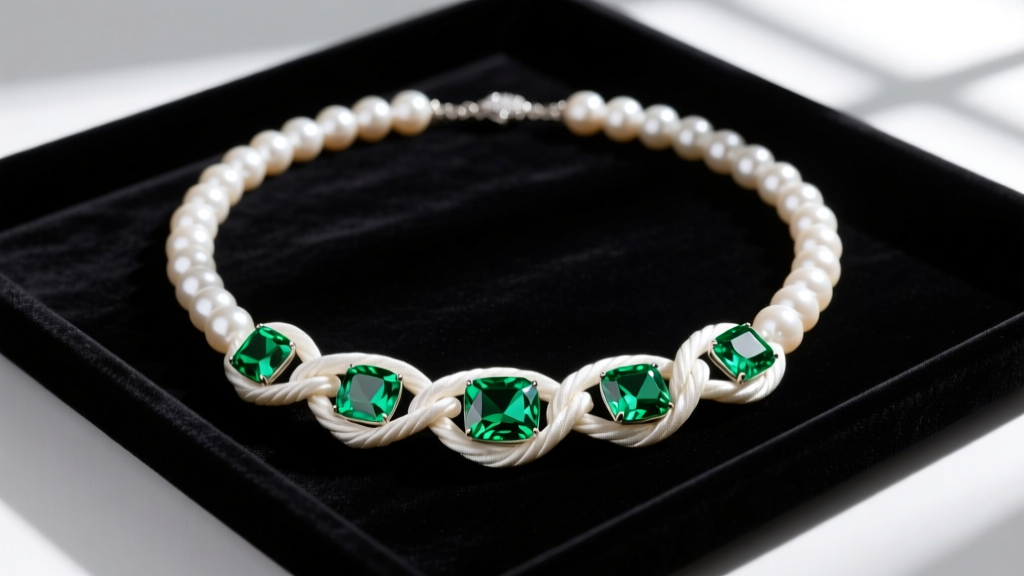
The pearl and peridot necklace represents a masterclass in gemological contrast. You are pairing an organic, light-diffusing gemstone (the pearl) with a crystalline, light-refracting mineral (the peridot). When executed correctly, this combination yields a piece of jewelry that is both vibrant and deeply elegant. However, buying a high-quality strand requires navigating significant differences in hardness, grading standards, and structural requirements. This comprehensive buying guide will equip you with the exact specifications needed to evaluate, purchase, and care for these stunning dual-gemstone necklaces in 2026.
The Gemological Contrast: Organic vs. Crystalline
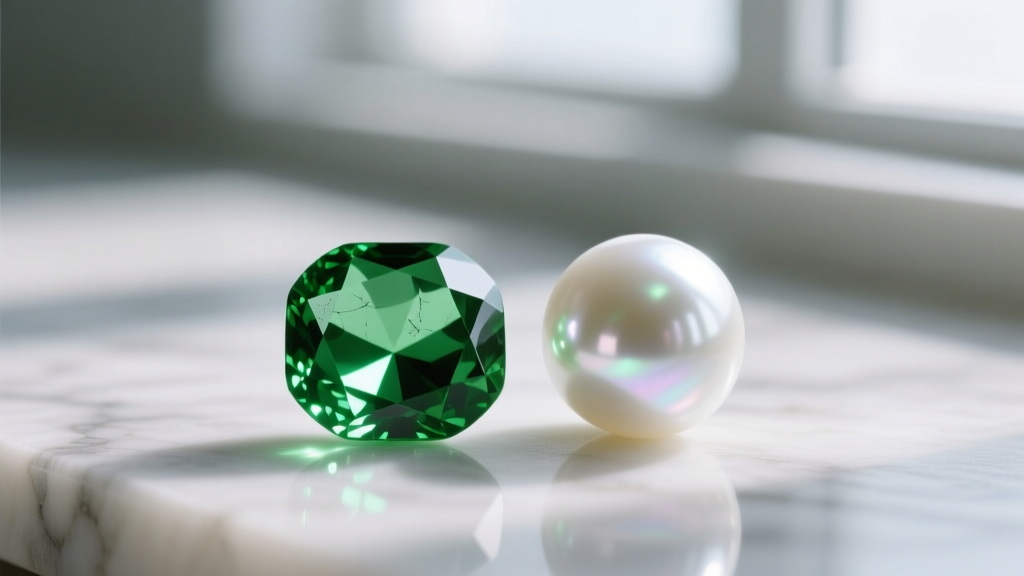
Before evaluating individual stones, it is vital to understand how these two gems interact visually. Peridot is an idiochromatic gemstone, meaning its vibrant lime-to-olive green color is derived from its basic chemical composition (iron-rich olivine) rather than trace impurities. It possesses a high refractive index (1.65 to 1.69), giving it a sharp, glassy brilliance. Pearls, conversely, rely on nacre thickness and aragonite platelet alignment to produce luster. If you pair a low-luster, chalky pearl with a highly faceted peridot, the pearl will appear dull and lifeless by comparison. The secret to a successful pearl and peridot necklace lies in matching the sharp brilliance of the peridot with a high-luster pearl.
Evaluating Pearl Quality for Dual-Gemstone Strands
When shopping for this specific combination, you must prioritize luster and nacre quality over perfect roundness. According to the Gemological Institute of America (GIA), luster is the most critical value factor for pearls. For a necklace interspersed with vibrant green peridot, you should target the following pearl varieties:
Akoya Pearls: The High-Contrast Choice
Akoya pearls are renowned for their mirror-like luster and perfectly round shapes. Their stark white or cream body colors, often with rose overtones, create a striking, high-contrast backdrop for green peridot. When buying Akoya beads for a custom strand, demand a minimum nacre thickness of 0.4mm and a luster grade of AAA or Hanadama. Anything less will fail to reflect light with enough intensity to keep up with the peridot.
Metallic Freshwater Pearls: The Modern Alternative
Advancements in freshwater pearl cultivation have produced Edison and metallic freshwater pearls with luster that rivals Akoya, often at a lower price point. These pearls frequently exhibit natural golden or peach overtones. A golden-hued metallic freshwater pearl paired with a warm, grass-green peridot creates a deeply luxurious, sunlit aesthetic that is highly sought after in contemporary 2026 jewelry design.
Selecting the Perfect Peridot: Color, Clarity, and Cut
Peridot is one of the few gemstones that exists in only one color: green. However, the saturation and tone of that green vary wildly, directly impacting the value and visual harmony of your necklace. The GIA Peridot Quality Factors outline that the most prized color is a pure, vibrant grass-green without any brown or yellow modifiers.
- Color Saturation: Look for stones with medium to medium-dark tone. Pale, yellowish-green stones (often heavily included) will look washed out next to bright white pearls.
- Clarity Standards: Peridot is a Type II clarity gemstone, meaning minor inclusions are expected. However, for a beaded necklace, you must insist on "eye-clean" stones. Avoid stones with visible "lily pad" inclusions or dark chromite crystals, as these interrupt the stone's brilliance and create weak points in the bead.
- Carat Weight and Sizing: Most commercial peridot beads range from 4mm to 6mm (roughly 0.5 to 1.5 carats each). Finding uniform, eye-clean peridot beads larger than 8mm is exceptionally rare and commands a premium price. Ensure the lapidary has calibrated the beads so they do not taper awkwardly unless a deliberate gradient design is intended.
The Mohs Scale Dilemma: Why Stringing Material Matters
This is the most critical, yet frequently overlooked, aspect of buying a pearl and peridot necklace. On the Mohs scale of mineral hardness, peridot ranks between 6.5 and 7.0, while pearls are exceptionally soft, ranking between 2.5 and 3.0. If these two materials are allowed to rub against each other continuously, the harder peridot will act like sandpaper, permanently scouring and destroying the pearl's nacre over time. Therefore, the construction method of the necklace is not just an aesthetic choice; it is a structural necessity.
Comparing Stringing Methods and Hardware
| Stringing Method | Durability | Pearl Protection | Best Use Case |
|---|---|---|---|
| Hand-Knotted Silk | Moderate (requires restringing every 3-5 years) | Excellent (knots prevent gem-to-gem contact) | Traditional, high-end Akoya and peridot strands. |
| 49-Strand Micro Beading Wire | Very High (resists kinking and breaking) | Poor (unless spacer beads or micro-knots are used) | Contemporary designs with heavy, large-carat beads. |
| Gold Chain with Bezels | Exceptional (metal links bear the tension) | Excellent (gems are isolated in metal settings) | Station necklaces featuring 3 to 5 focal gems. |
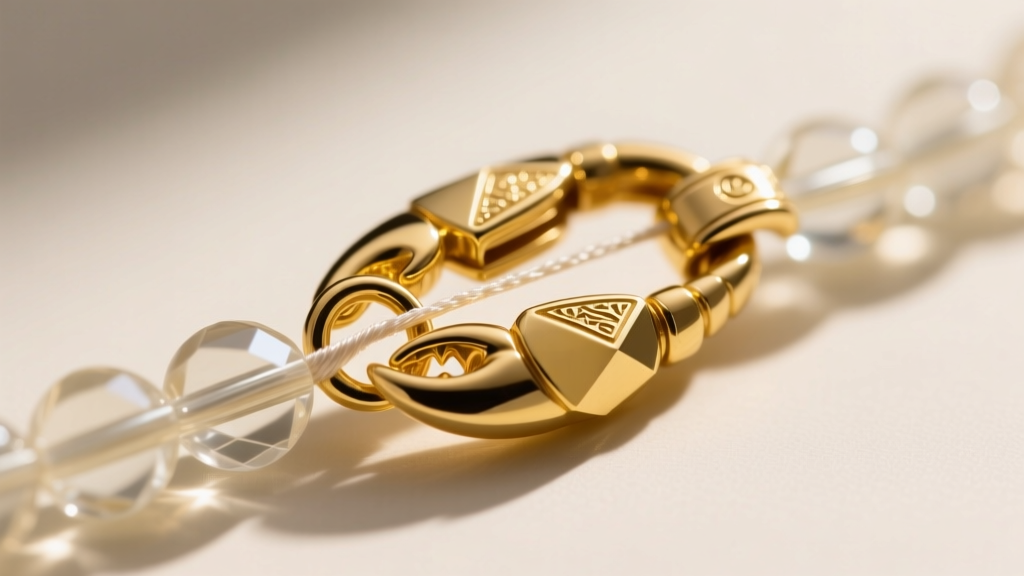
If you are purchasing a fully beaded strand, hand-knotting on size E or F silk thread is mandatory. Additionally, ensure the jeweler uses French wire (gimp) at the clasp connection to prevent the metal clasp from sawing through the silk thread over time.
2026 Pricing Tiers: What to Expect
The cost of a pearl and peridot necklace fluctuates based on the origin of the pearls, the color saturation of the peridot, and the karat weight of the hardware. Below is a realistic breakdown of market pricing for 2026:
- Entry-Level ($80 - $250): Features commercial-grade, slightly off-round freshwater pearls paired with pale, included peridot beads (4mm-5mm). Usually strung on unknotted beading wire with sterling silver or gold-plated clasps.
- Mid-Range ($300 - $800): Showcases near-round, high-luster freshwater or standard Akoya pearls with eye-clean, vibrant green peridot. Hand-knotted on silk with a solid 14k gold spring-ring or lobster clasp.
- Fine / Investment ($1,000 - $3,500+): Features perfectly matched, AAA-grade Hanadama Akoya pearls (7mm+) paired with rare, deeply saturated 6mm+ peridot beads. Finished with 18k gold hardware, often incorporating diamond-studded clasp accents.
Styling and Neckline Pairings
A pearl and peridot necklace is inherently vibrant, making it a statement piece even in simpler designs. For a classic 16-to-18-inch princess-length strand, pair it with a V-neck or scoop-neck blouse in neutral tones like navy, cream, or charcoal to allow the green and white gems to pop. If you are wearing a station necklace (where pearls and peridots are spaced out along a delicate gold chain), it layers beautifully with a solid gold 14-inch choker and a 24-inch gold rope chain, creating a textured, multi-dimensional neckline that feels fresh and modern.
Conclusion
Purchasing a pearl and peridot necklace requires a discerning eye for both gemological quality and structural integrity. By prioritizing high-luster pearls, eye-clean and vividly saturated peridot, and insisting on protective hand-knotting or bezel settings, you ensure your necklace remains a breathtaking and durable staple in your jewelry collection for decades to come.


