The Ultimate Phone Case Necklace Guide: Style & Safety (2026)
Discover how to choose, style, and safely wear a phone case necklace. Our 2026 beginner guide covers materials, hardware, and crossbody lengths.

What Exactly is a Phone Case Necklace?
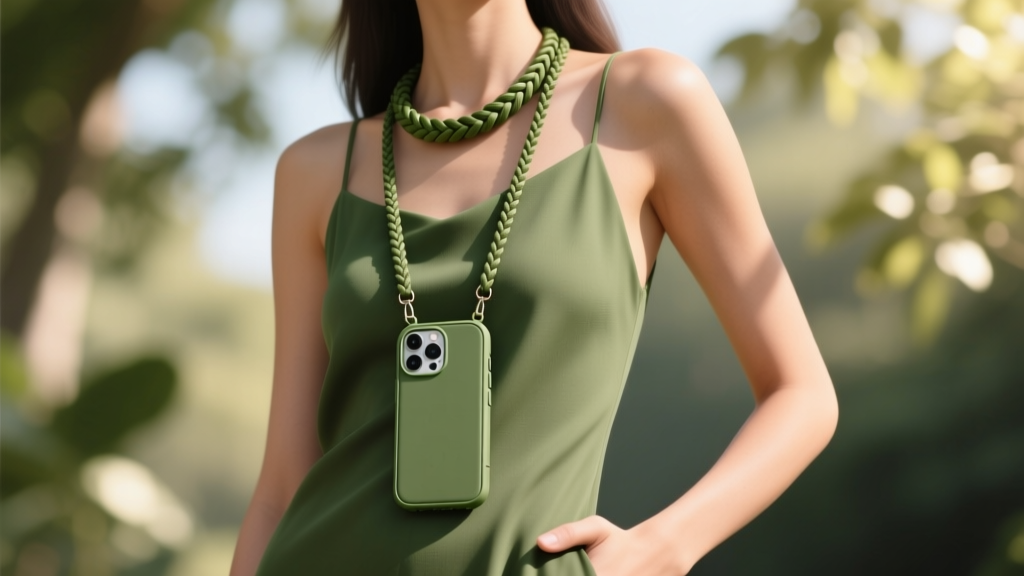
Welcome to the intersection of high fashion and everyday utility. In 2026, the phone case necklace has evolved far beyond a quirky pandemic-era trend or a purely utilitarian festival accessory. Today, it is a legitimate category of tech-jewelry that merges the structural demands of a heavy electronic device with the aesthetic nuances of fine and fashion jewelry. For beginners, navigating this hybrid category can be confusing. Do you prioritize the tensile strength of the cord, or the aesthetic drape of a metal chain? How do you prevent your device from scratching? More importantly, how do you ensure the necklace won't snap or become a choking hazard?
A phone case necklace typically consists of three main components: the lanyard or chain (the visible jewelry element), the hardware (clasps, D-rings, and connectors), and the case insert (the anchor that grips your device). Understanding how these elements interact is the first step toward mastering this modern accessory. Whether you are commuting through a busy city, attending a hands-free outdoor event, or simply looking to free up your pockets, this guide will break down the exact specifications, materials, and styling techniques you need to know.
Material Breakdown: Cord vs. Chain vs. Beaded
The material you choose for your phone lanyard dictates not only the aesthetic but also the weight distribution across your neck and shoulder. Smartphones in 2026, particularly the Pro Max and Ultra models, frequently weigh between 220g and 240g. When you factor in the dynamic force of walking or running, the hardware and cord must withstand significantly more than the static weight of the device.
Braided Nylon & Polyester (The Workhorses)
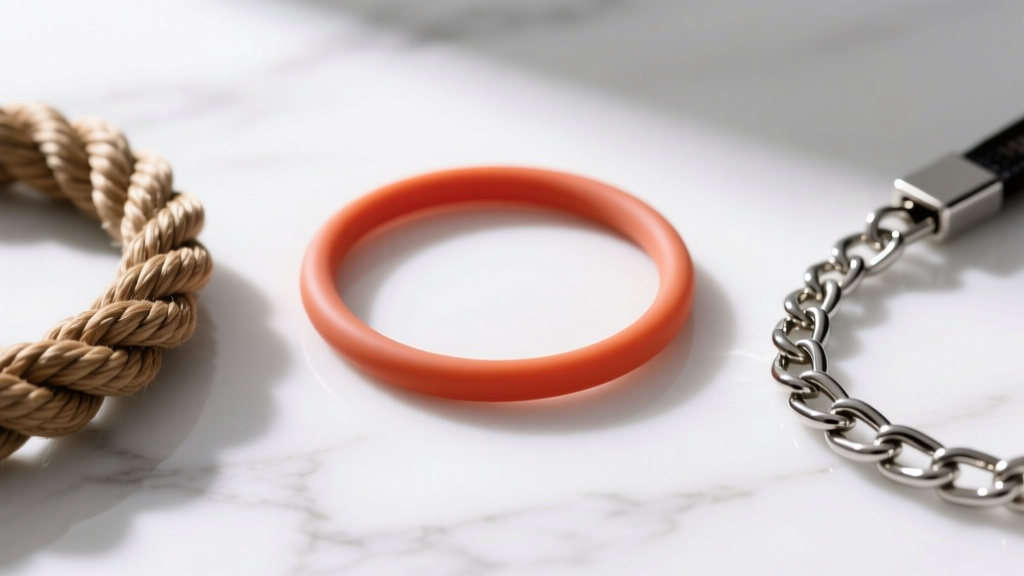
Braided nylon cords, typically ranging from 5mm to 8mm in thickness, are the gold standard for durability. A high-quality 6mm braided nylon rope boasts a tensile strength of over 150 pounds, making it virtually impossible to snap under normal human movement. The thickness of the cord also helps distribute the weight of a heavy smartphone across the trapezius muscle, preventing the 'lanyard dig' that plagues thinner cords. Look for cords with a tightly woven exterior and a solid core to prevent fraying at the clasp connection points.
Silicone & TPU Cords (The Minimalists)
For a sleek, modern, and sweat-proof option, 2mm to 4mm silicone or Thermoplastic Polyurethane (TPU) cords are incredibly popular. They are easy to wipe clean and offer a soft, skin-friendly drape. However, beginners should be aware of a critical failure mode: silicone is highly susceptible to micro-tears. If a sharp edge nicks a 2mm silicone cord, the structural integrity is compromised, and it can snap unexpectedly. If you choose silicone, inspect the cord weekly for any signs of abrasion near the metal O-rings.
Metal Chains & Beaded Strands (The Fashion-Forward)
If you want your phone case necklace to mimic traditional jewelry, metal chains and beaded strands are the way to go. When selecting a metal chain, pay close attention to the gauge and link structure. A 3mm to 5mm stainless steel (316L) curb or rope chain offers excellent durability and resists tarnishing. Avoid thin 1mm snake chains or hollow alloy links; the dynamic swinging of a 230g phone will quickly kink and snap delicate chains. For beaded necklaces, ensure the beads (like 8mm onyx or jade) are strung on a coated, braided steel wire (at least 0.8mm thick) rather than standard jewelry silk or elastic, which will degrade rapidly under the weight of a smartphone.
The Hardware: Clasps, Loops, and Breakaway Safety
The most critical, yet frequently overlooked, aspect of a phone case necklace is the hardware. According to Bellroy's engineering guidelines for tech slings, the connection point between the strap and the case is where 90% of failures occur.
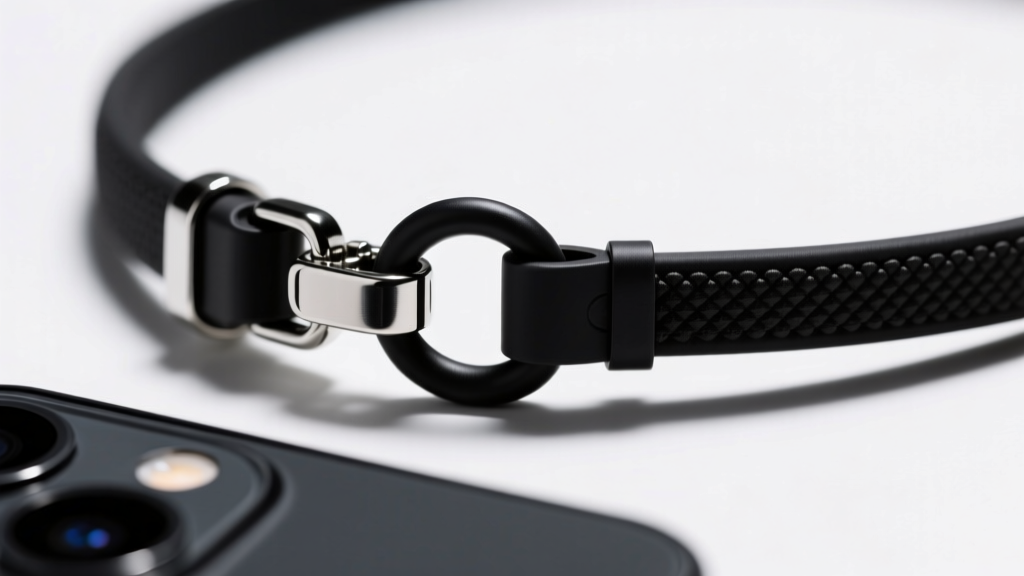
The Case Insert: Never rely on a cheap, flimsy fabric tab glued into the bottom of your phone case. You need a reinforced TPU or Polycarbonate insert with a welded metal or heavy-duty nylon D-ring. The insert should cover the bottom and extend slightly up the back of the case to distribute the pulling force across a wider surface area.
The Breakaway Clasp: This is a non-negotiable safety feature for any neck-worn lanyard. A breakaway clasp is designed to pop open when subjected to roughly 15 to 20 pounds of lateral force. If your phone case necklace gets caught in a closing car door, an escalator handrail, or a crowd, the clasp will detach, saving you from severe choking injuries. Always verify that your chosen necklace includes a breakaway mechanism near the nape of the neck.
| Material Type | Recommended Thickness | Tensile Strength | Scratch Risk to Device | Best Use Case |
|---|---|---|---|---|
| Braided Nylon | 6mm - 8mm | High (150+ lbs) | Very Low | Everyday crossbody, travel, hiking |
| Silicone / TPU | 2mm - 4mm | Medium (40-60 lbs) | None | Gym, minimalists, summer weather |
| Stainless Steel Chain | 3mm - 5mm | Very High (200+ lbs) | High (if uncoated) | Evening wear, office, fashion styling |
| Beaded (Steel Wire) | 0.8mm wire core | Medium (50-80 lbs) | Medium | Statement fashion, casual outings |
Sizing and Length Guide for Crossbody Wear
Getting the length right is essential for both security and style. A phone case necklace that hangs too low is a target for pickpockets and will swing awkwardly against your thighs, while one that is too short will feel restrictive and ride up uncomfortably.
- The Neck Lanyard (18 to 22 inches): Designed to hang just below the collarbone. This is ideal for quick access, such as scanning digital tickets at an airport or taking quick photos. However, it places the full weight of the device on the cervical spine, which can cause neck strain over long periods.
- The Standard Crossbody (42 to 48 inches): The most versatile and ergonomic option. The phone rests securely at your hip or upper thigh, allowing for a natural walking gait while keeping the device easily accessible. This length also allows the necklace to be doubled up and worn as a chunky, layered shoulder bag strap.
- The Adjustable Slider (Customizable): Many premium designer phone straps now feature sliding silicone or metal adjusters, allowing you to transition seamlessly from a 24-inch neck lanyard to a 50-inch crossbody in seconds. For beginners, an adjustable strap is the smartest investment, as it allows you to find your exact ergonomic sweet spot.
Styling Your Tech-Jewelry Hybrid
Integrating a phone case necklace into your wardrobe requires treating it with the same consideration as a statement pendant or a designer handbag. In 2026, the 'tech-wear' aesthetic has softened, blending seamlessly with everyday casual and smart-casual attire.
Color Blocking and Contrast: Use your phone lanyard to introduce a pop of color to a neutral outfit. An olive green braided nylon cord looks striking against a beige trench coat or crisp white linen. Conversely, a bright cherry-red silicone cord can add a playful, sporty edge to monochromatic athleisure wear.
Mixing Metals: If you opt for a stainless steel or gold-plated chain phone necklace, coordinate the metal tone with your other jewelry. Pair a silver curb-chain phone lanyard with silver hoop earrings and a steel smartwatch for a cohesive, intentional look. Avoid mixing a delicate gold beaded phone strap with heavy, chunky silver necklaces, as the visual weight will clash.
Layering with Traditional Necklaces: You can absolutely layer a phone case necklace with traditional jewelry. The key is contrast in scale. If your phone lanyard is a thick 8mm rope, pair it with a delicate, 14-inch gold choker or a simple pearl pendant that sits higher on the collarbone. This creates distinct visual tiers and prevents your neckline from looking cluttered.
Common Beginner Mistakes to Avoid
Even with the best intentions, beginners often make a few critical errors when adopting the phone case necklace trend. Avoid these pitfalls to ensure your device stays safe and your style remains impeccable:
- Ignoring the Case Cutouts: Some universal lanyard inserts block the bottom speaker or charging port of your specific phone model. Always buy an insert or case specifically molded for your exact device to ensure unhindered access to your USB-C port and speakers.
- Overloading the Lanyard: While the cord might be strong enough to hold your phone, the D-ring loop on the case insert is the weak link. Do not attach heavy car keys, AirTag holders, or extra carabiners to the same D-ring holding your smartphone. The combined dynamic weight will eventually tear the loop from the plastic housing.
- Skipping the Breakaway Check: Before wearing a new metal chain or beaded phone necklace, manually test the breakaway clasp. Give it a firm, sharp tug. If it doesn't pop open under moderate force, it is a safety hazard and should not be worn around the neck.
Final Thoughts
The phone case necklace is a masterclass in modern accessory design, proving that utility does not have to come at the expense of style. By paying close attention to material gauges, tensile strengths, and crucial safety hardware like breakaway clasps, you can confidently carry your most valuable piece of technology hands-free. Whether you prefer the rugged reliability of braided nylon or the elevated elegance of a stainless steel chain, mastering the specs will ensure your tech-jewelry hybrid performs flawlessly in 2026 and beyond.


