Troubleshooting Your Pink Conch Shell Necklace: Care & Repair
Is your pink conch shell necklace fading or cracking? Learn expert troubleshooting tips for cleaning, restringing, and restoring organic shell jewelry.

The Unique Vulnerabilities of Organic Shell Jewelry
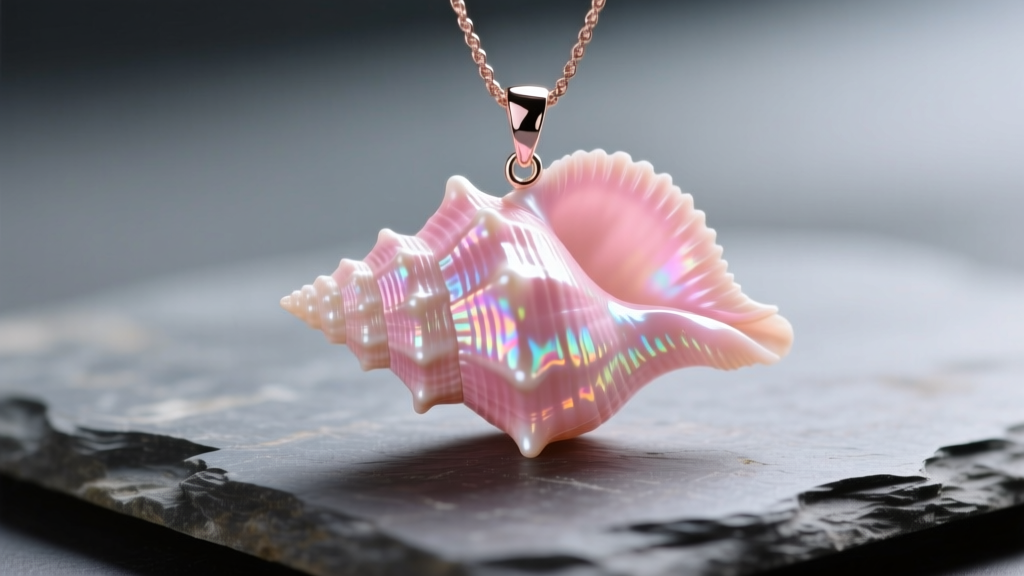
Owning a genuine pink conch shell necklace is a privilege, as these rare organic gems are harvested from the Queen Conch (Strombus gigas), a species heavily regulated under CITES. Unlike crystalline gemstones such as sapphires or diamonds, conch shell is composed primarily of calcium carbonate (aragonite) bound together by an organic protein matrix called conchiolin. This unique microstructure gives the shell its legendary toughness, but it also introduces specific vulnerabilities that standard jewelry care routines can easily destroy.
On the Mohs hardness scale, conch shell ranks between 3.0 and 4.0. While the cross-lamellar structure of the aragonite laths makes it highly resistant to shattering upon impact, the surface is exceptionally prone to chemical etching and dehydration. According to the Gemological Institute of America (GIA), organic gems require entirely separate maintenance protocols from mineral-based stones. If your necklace is losing its luster, developing micro-fissures, or suffering from hardware corrosion, you must address the root cause using lapidary-approved methods.
Troubleshooting Color Fading and UV Damage
The most common complaint among collectors is the gradual fading of the shell’s signature rosy and peach tones. The pink coloration in conch shell is derived from organic pigments suspended within the conchiolin protein. Prolonged exposure to ultraviolet (UV) light breaks down these pigments, resulting in a chalky, desaturated white appearance.
Reversing and Preventing UV Degradation
Once the organic pigments are destroyed by UV radiation, the color loss is permanent. However, you can restore the visual depth of a faded shell by enhancing its surface refractive index. Apply a microscopic layer of museum-grade microcrystalline wax (such as Renaissance Wax) using a soft lint-free cloth. This fills microscopic surface pores, deepening the remaining color and providing a UV-blocking barrier.
Expert Storage Rule: Never store your pink conch shell necklace in a brightly lit display case or near a sunlit window. Keep it in an airtight, light-blocking velvet pouch with a small silica gel packet to maintain a stable humidity level of around 40-50%, preventing the conchiolin from drying out.
The "Flame" Pattern Test: Real vs. Dyed Imitations
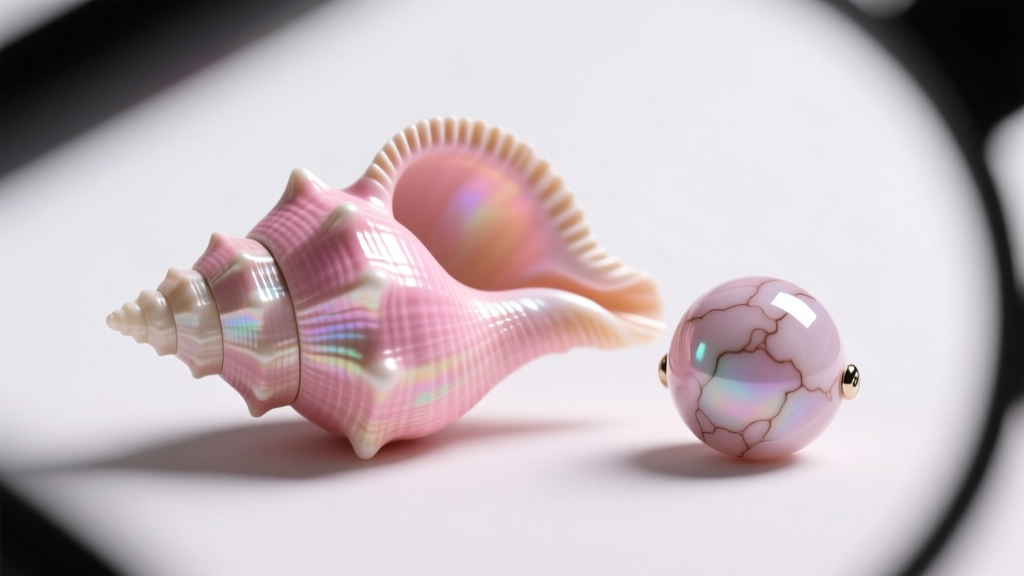
If your necklace is fading unevenly or bleeding color onto your skin, you may have purchased a dyed imitation (typically howlite, calcite, or resin) rather than genuine conch. Under a 10x jeweler's loupe, genuine pink conch exhibits a distinct chatoyant "flame" pattern—a shimmering, wavy optical effect caused by light reflecting off the intersecting aragonite laths. Dyed stones will show concentrated color pooling in surface cracks and lack this internal optical fire.
Fixing Micro-Cracks and Surface Dullness
Dehydration is the silent killer of organic jewelry. When the conchiolin protein loses its natural moisture, the calcium carbonate plates pull apart, resulting in a network of micro-cracks (crazing) and a dull, chalky surface. This is especially common in vintage pieces or necklaces frequently worn in arid, air-conditioned environments.
Environmental Threats to Shell Integrity
Understanding what causes structural failure is the first step in troubleshooting. Below is a comparison of how different environmental factors impact your necklace:
| Environmental Factor | Impact on Pink Conch Shell | Troubleshooting Solution |
|---|---|---|
| Chlorine & Saltwater | Chemically etches the calcium carbonate, leaving a pitted, matte surface. | Rinse immediately with distilled water; never wear swimming. |
| Perfumes & Hairspray | Alcohol and VOCs dissolve the conchiolin binder, causing structural weakness. | Apply cosmetics 15 minutes before putting on the necklace. |
| Ultrasonic Cleaners | Cavitation bubbles implode against the shell, shattering the aragonite matrix. | NEVER use ultrasonic or steam cleaners on organic gems. |
| Low Humidity (<30%) | Dries out the organic protein, leading to crazing and micro-fissures. | Store with a humidification bead or damp cotton ball in a sealed bag. |
If your shell has minor surface dullness but no deep structural cracks, a gentle polishing with a damp microfiber cloth and a drop of pure, unrefined jojoba oil can temporarily restore the luster by penetrating the uppermost protein layers. Avoid commercial jewelry dips, which contain harsh thiourea or ammonia compounds that will instantly strip the shell's natural finish.
Hardware and Stringing Failures (And How to Prevent Them)
The organic pendant is only half the equation; the hardware and stringing materials used to suspend it are frequent points of catastrophic failure. Because conch shell necklaces are often worn in warm weather, sweat and body oils rapidly corrode base-metal jump rings and clasps, leading to sudden drops and lost pendants.
Upgrading the Hardware
Inspect the bail (the metal loop connecting the pendant to the chain) and the jump rings. If you see any green or black oxidation, the metal is degrading. Replace all base-metal findings with 14k gold-filled, solid 14k gold, or Grade 5 titanium components. Titanium is particularly recommended for beach-worn jewelry, as it is entirely impervious to saltwater corrosion.
Restringing: Silk vs. Synthetic
Many pink conch shell necklaces are strung on traditional Griffin silk cord. While silk drapes beautifully, it absorbs sweat and stretches over time, weakening the fibers and causing the necklace to snap. When troubleshooting a stretched or frayed cord, upgrade to a modern synthetic alternative.
- Serafil or PowerPro Braided Line: These ultra-high-molecular-weight polyethylene (UHMWPE) threads offer zero stretch and are completely waterproof, making them ideal for heavy shell pendants.
- French Wire (Gimp): Always use a 2mm coil of fine silver or gold French wire where the thread passes through the metal bail. This prevents the metal from sawing through the cord over time.
- Knotting Protocol: Ensure the jeweler ties a hand-knot directly after the bail to prevent the heavy shell from sliding and impacting the clasp hardware.
Step-by-Step Emergency Cleaning Protocol
When your pink conch shell necklace accumulates sunscreen, sweat, and environmental grime, you must clean it without compromising the delicate aragonite surface. The American Gem Society emphasizes that organic materials require pH-neutral, non-abrasive cleaning agents.
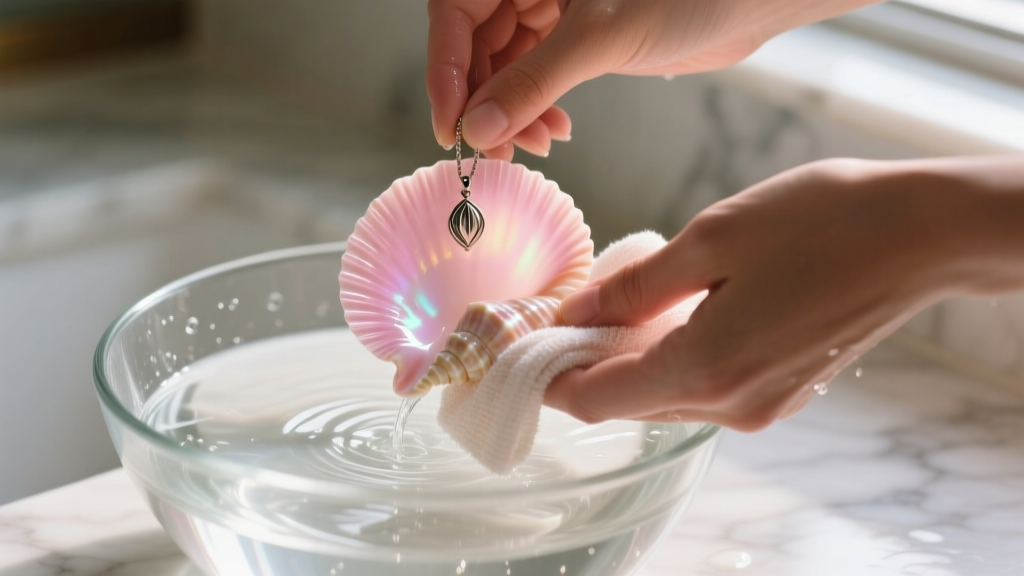
- Prepare the Solution: Mix lukewarm distilled water (never hot) with a single drop of pH-neutral baby shampoo or specialized organic gem cleaner in a glass bowl. Avoid tap water, as chlorine and fluoride can cause micro-etching.
- The Soak: Submerge the shell pendant for no more than 60 seconds. Prolonged soaking can cause water to infiltrate existing micro-cracks, expanding them as the shell dries.
- Agitation: Use a baby-soft goat hair makeup brush or a pristine, ultra-soft microfiber cloth to gently wipe the surface. Never use a toothbrush, as even "soft" bristles can leave microscopic scratches on a Mohs 3.5 surface.
- Drying: Pat the shell dry with a lint-free towel and allow it to air-dry in a shaded, room-temperature area. Do not use a hairdryer or place it in direct sunlight to speed up the process.
When to Seek a Professional Lapidary
While surface cleaning and restringing can be managed at home or by a standard bench jeweler, severe structural damage requires a specialist. If your pink conch shell necklace suffers a deep fracture, a chipped edge, or severe chemical etching, do not attempt to glue or sand it yourself. Cyanoacrylate (super glue) will permanently stain the porous calcium carbonate, and sanding will destroy the chatoyant flame pattern.
Seek out a master lapidary who specializes in organic gems and lapidary carving. They can perform a professional re-polish using a slurry of tin oxide and water on a soft felt wheel, carefully removing the damaged outer layer to reveal the pristine, vibrant aragonite beneath. By understanding the precise biological and chemical makeup of your jewelry, you can troubleshoot issues effectively and ensure your pink conch shell necklace remains a vibrant, enduring heirloom for decades to come.


