The Ultimate Care Guide for Your Pink Crystal Necklace
Learn how to properly clean, store, and maintain your pink crystal necklace. Expert tips for rose quartz, tourmaline, and morganite pendants.

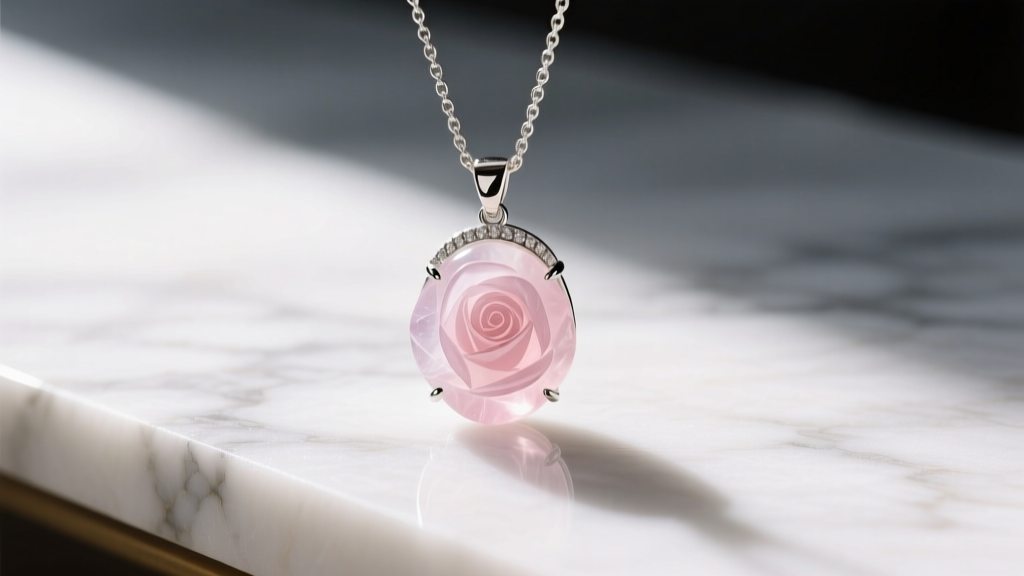
Understanding Your Pink Crystal: Material Matters
When you invest in a pink crystal necklace, you are likely wearing one of three popular gemstones: rose quartz, pink tourmaline, or morganite. While they share a beautiful blush hue, their mineral compositions, hardness levels, and vulnerabilities differ drastically. Applying a one-size-fits-all cleaning approach can lead to irreversible damage, such as thermal shock, surface scratching, or color fading. Before you mix any cleaning solutions, you must identify your specific stone and understand its physical limitations.
Rose quartz, a macrocrystalline variety of quartz, ranks at a 7 on the Mohs hardness scale. It is relatively durable but often contains microscopic rutile inclusions and internal fractures that can trap dirt or expand if exposed to sudden temperature changes. Pink tourmaline (rubellite) ranges from 7 to 7.5 on the Mohs scale but is notorious for its piezoelectric properties—meaning it generates a slight electrical charge when heated or rubbed, actively attracting dust and skin oils. Morganite, a member of the beryl family, ranks slightly higher at 7.5 to 8, making it highly resistant to scratching, though its distinct basal cleavage means a hard knock can cause it to split.
Gemstone Vulnerability Comparison Chart
| Crystal Type | Mohs Hardness | Ultrasonic Safe? | UV Sensitive? | Primary Vulnerability |
|---|---|---|---|---|
| Rose Quartz | 7.0 | No (Risk of fracture expansion) | Yes (Prolonged exposure causes fading) | Thermal shock, harsh chemicals |
| Pink Tourmaline | 7.0 - 7.5 | No (Highly included, easily shattered) | No | Dust attraction, pressure changes |
| Morganite | 7.5 - 8.0 | Yes (Usually, if no fracture fillings) | No | Hard impacts (cleavage planes), oil buildup |
| Synthetic Pink CZ | 8.0 - 8.5 | Yes | No | Surface scratching from harder gems |
Step-by-Step Cleaning Routine for Pink Crystals
To maintain the optical brilliance of your pink crystal necklace, a gentle, manual cleaning routine is vastly superior to automated machines. According to the Gemological Institute of America (GIA), warm soapy water is the safest and most effective method for the vast majority of pink gemstones.
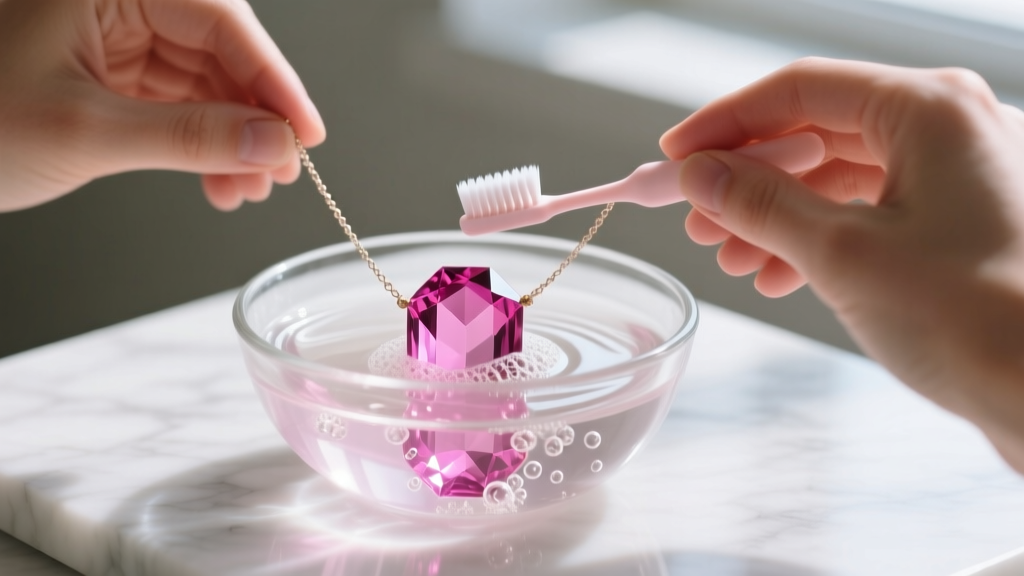
Phase 1: The Degreasing Soak
Morganite and pink tourmaline are highly oleophilic, meaning they attract and hold onto sebum, lotions, and cosmetics. This oil buildup creates a cloudy film that dulls the stone's natural pink saturation. Fill a small glass bowl with one cup of distilled water (tap water contains minerals that can leave hard water spots on the crystal's surface). Add exactly two drops of a mild, phosphate-free dish soap or liquid castile soap. Submerge your necklace and let it soak for 10 to 15 minutes. This loosens the lipid bonds without attacking the metal setting or the stone's polish.
Phase 2: Agitation and Detailing
After soaking, use an extra-soft infant toothbrush to gently agitate the surface of the crystal. Do not use a standard adult toothbrush, as the stiff nylon bristles can leave micro-scratches on rose quartz or dislodge delicate prongs. Pay special attention to the pavilion (the back of the stone) and the gallery wire where skin contact is most frequent. For stubborn debris trapped in the prongs, use a wooden toothpick—never a metal pin or needle, which can scratch the gold or silver setting and damage the gemstone's girdle.
Phase 3: Rinsing and Drying
Rinse the necklace under a gentle stream of lukewarm distilled water. Ensure the drain is securely plugged or use a mesh strainer to prevent accidental loss. Pat the crystal dry with a lint-free microfiber cloth. Avoid paper towels or tissues, as their wood pulp fibers can cause microscopic abrasions over time. Allow the chain to air-dry completely before storing to prevent moisture-induced tarnishing.
What to Avoid: Common Mistakes That Damage Pink Stones
The jewelry market is flooded with cleaning products and gadgets that promise instant results, but many are highly destructive to pink crystals. Avoid the following pitfalls to ensure your necklace remains pristine:
- Ultrasonic Cleaners: While safe for diamonds, the high-frequency vibrations in ultrasonic baths can shatter pink tourmaline or exacerbate internal fractures in rose quartz. If your stone has been fracture-filled with resin or glass (a common treatment for lower-grade quartz), the ultrasonic waves will dissolve the filler, leaving the stone cloudy and structurally compromised.
- Steam Cleaners: The sudden blast of high-temperature steam causes thermal shock. Because crystals expand and contract at different rates depending on their inclusions, steam can cause a seemingly solid rose quartz pendant to crack entirely in half.
- Harsh Chemicals: Bleach, ammonia, and chlorine are strictly forbidden. Chlorine can permanently pit and weaken gold alloys and sterling silver settings, while ammonia can strip the polish off softer stones. Always remove your necklace before swimming in chlorinated pools or using household cleaning supplies.
- Smudging Residue: Many crystal enthusiasts use sage or palo santo smoke for 'energetic cleansing.' While this is a personal choice, the physical soot and resinous smoke residue will coat the crystal, dulling its refractive index. If you smudge your jewelry, you must physically wash it with soap and water afterward.
Proper Storage to Prevent Scratches and Fading
How you store your pink crystal necklace when it is not being worn is just as critical as how you clean it. Environmental factors like UV radiation and humidity play a massive role in the longevity of the piece.
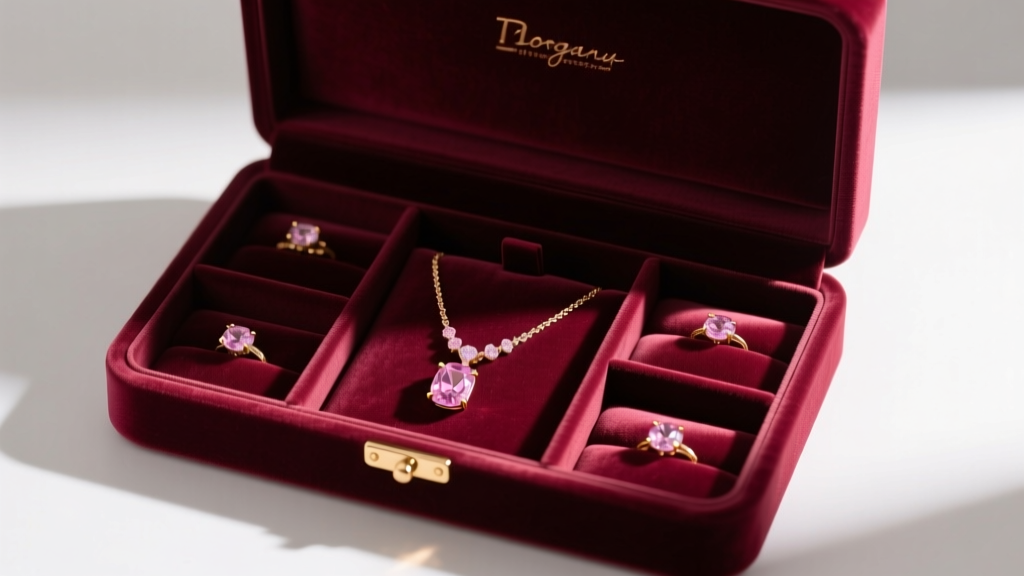
UV Protection for Rose Quartz
Natural rose quartz gets its color from trace amounts of titanium, iron, or manganese, as well as microscopic dumortierite inclusions. However, prolonged exposure to direct ultraviolet light can cause these color centers to degrade, resulting in a faded, grayish, or completely white stone. Never store your rose quartz necklace on a sunny windowsill or leave it on a car dashboard. Keep it in a dark, enclosed jewelry box.
Compartmentalization and Humidity Control
Even though morganite and tourmaline are relatively hard, they can still be scratched by diamonds, sapphires, or other quartz crystals tumbling in a shared jewelry box. Store your pink crystal necklace in its own soft flannel pouch or a dedicated velvet-lined compartment. If you live in a high-humidity environment, place a small silica gel packet in your jewelry box to absorb ambient moisture, which accelerates the oxidation and tarnishing of the metal chain.
Chain and Clasp Maintenance
The crystal pendant may be the star of the show, but the chain and clasp bear the brunt of mechanical stress and chemical exposure. Sterling silver chains are highly prone to sulfide tarnishing, turning black when exposed to sulfur in the air and human sweat. Gold-filled or vermeil chains can eventually wear down to their base metal if subjected to abrasive polishing.
To clean the metal chain without damaging the pink crystal, use a specialized silver polishing cloth infused with micro-abrasives and anti-tarnish agents. Crucially, do not rub the polishing cloth directly over the gemstone. The chemicals and abrasives in the cloth can strip the polish from rose quartz and leave a waxy film on morganite. Fold the cloth and carefully run it only along the metal links. Inspect the lobster clasp or spring ring mechanism every six months; if the lever feels loose or fails to snap back securely, take the piece to a jeweler for a clasp replacement before you risk losing your pendant.
Expert Insight: 'A pink crystal necklace is an interplay between organic skin chemistry and inorganic mineral structures. The most common reason clients bring in 'cloudy' morganite or tourmaline isn't due to permanent damage, but simply a thick layer of hand lotion and sebum on the pavilion. A 15-minute soak in distilled water and mild dish soap restores 95% of a stone's original brilliance without the need for professional ultrasonic intervention.' — Master Gemologist Appraiser Notes
By understanding the specific geological nature of your pink crystal and adhering to a gentle, consistent maintenance routine, your necklace will retain its vibrant blush tone and structural integrity for decades. Treat the stone with respect for its natural formation, and it will continue to serve as a stunning, luminous focal point in your jewelry collection.


