2026 Gift Guide: Gifting the Pink Puka Shell Necklace
Discover why the pink puka shell necklace is the ultimate 2026 gift. Learn how to spot authentic cone shells, style them, and match them to occasions.

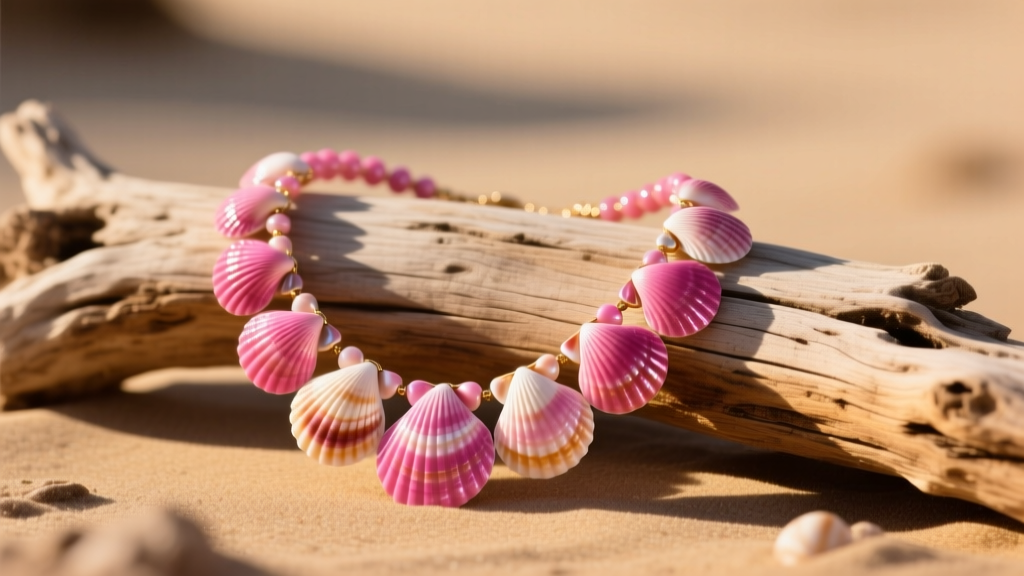
When it comes to curating the perfect jewelry gift, finding a piece that balances nostalgic charm with contemporary style is a perennial challenge. As we navigate the 2026 holiday and birthday gifting season, one organic accessory has surged back to the forefront of coastal and streetwear fashion: the pink puka shell necklace. Once relegated to 1970s surf culture and early 2000s mall kiosks, the puka shell has been reclaimed by high-end designers and indie artisans alike. But gifting organic jewelry requires a nuanced understanding of materials, authenticity, and styling. This comprehensive guide will help you select, authenticate, and gift the perfect pink puka shell necklace for any recipient.
The 2026 Revival of Surfcore and Organic Jewelry
The fashion landscape of 2026 is heavily influenced by 'surfcore' and elevated coastal aesthetics. According to trend analysts at Vogue Fashion, consumers are increasingly gravitating toward tactile, nature-inspired accessories that offer a sense of grounding and nostalgia. The pink puka shell necklace fits perfectly into this zeitgeist. It offers a playful pop of pastel color that pairs effortlessly with both linen resort wear and oversized urban streetwear. However, the market is flooded with mass-produced imitations, making it crucial for the discerning gift-giver to understand exactly what they are purchasing.
The Biology and History of True Puka
The word 'puka' translates to 'hole' in the Hawaiian language. Historically, true puka shells were not manufactured; they were found. They are the naturally occurring, ocean-tumbled apexes of the Conus miliaris (cone snail) shell. Native Hawaiians were the first to collect these naturally holed fragments from the shores of Oahu and Kauai, stringing them into lei necklaces that were believed to carry the protective spirit of the ocean (mana). The natural hole is formed as the ocean waves tumble the broken shell against coral reefs, wearing away the softer center and leaving a smooth, slightly convex or concave bead with an asymmetrical opening.
The 'Pink' Factor: Natural vs. Dyed vs. Imitation
Here is where E-E-A-T (Experience, Expertise, Authoritativeness, and Trustworthiness) becomes vital for your purchase. Naturally occurring Conus miliaris shells are typically white, cream, or pale brown. A genuinely natural, untreated pastel pink cone shell is an extreme rarity that commands museum-level prices. Therefore, 95% of the pink puka shell necklaces on the market in 2026 fall into two categories: dyed genuine shell or synthetic imitation.
| Material Type | Origin & Process | Price Range (16-inch) | Durability (Mohs) | Best Gifting Scenario |
|---|---|---|---|---|
| Natural Dyed Shell | Genuine shell, vacuum-dyed with organic pastel pigments | $60 - $140 | 3.0 - 4.0 | Thoughtful, semi-fine gifts |
| Glass/Ceramic Imitation | Molded glass stamped to mimic shell texture | $25 - $50 | 5.5 - 6.5 | Budget-friendly, high-wear |
| Plastic/Resin | Injection-molded synthetic polymers | $10 - $25 | 2.0 - 2.5 | Fast-fashion, teen gifts |
| Rare Natural Pink | Untreated rare cone or conch variants | $300 - $800+ | 3.0 - 4.0 | Collector-grade luxury |
For a high-quality gift, you should target the 'Natural Dyed Shell' category. Reputable jewelers use genuine, sustainably harvested smaller cone shells or bivalve shells, cutting and tumbling them before applying a color-fast, eco-friendly pink dye. This preserves the organic calcium carbonate structure while achieving the highly sought-after millennial or baby pink hue.
How to Authenticate a Pink Puka Shell Necklace
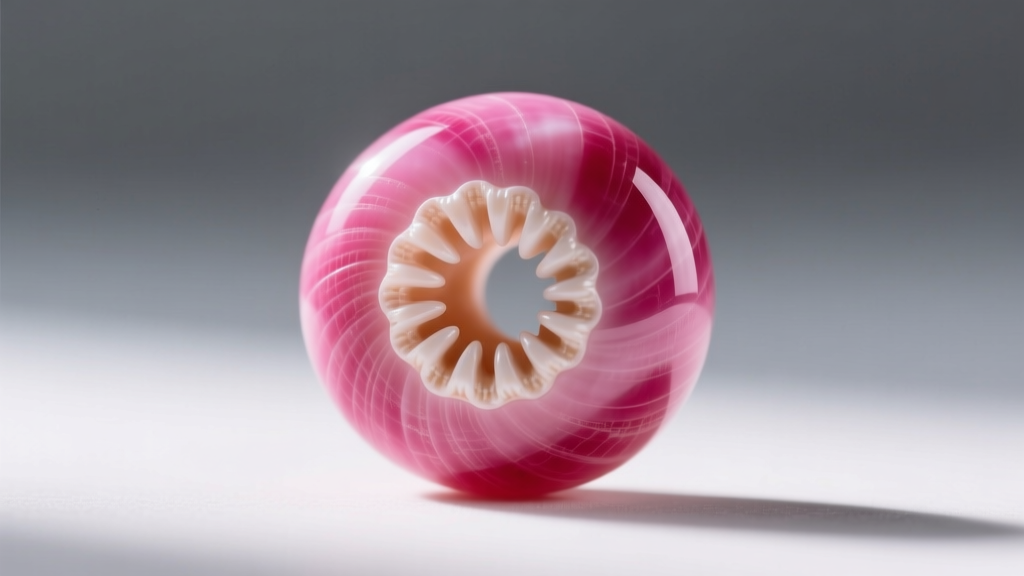
Before wrapping your gift, you must verify its authenticity. The GIA Gem Encyclopedia notes that organic gems like shell require specific physical tests to differentiate from glass or plastic. Use this three-point authentication checklist:
- The Hole Inspection: A true puka bead will have a naturally formed hole that is slightly wider on one side than the other (resembling a tiny volcano crater). If the hole is a perfectly straight, laser-drilled cylinder, it is likely a stamped imitation or a flat shell that has been artificially drilled.
- The Temperature Test: Shell is a dense calcium carbonate structure. When held against the cheek or inner wrist, genuine shell will feel distinctly cool to the touch and take a moment to warm up. Plastic or resin imitations will feel room-temperature or warm immediately.
- The Tooth Test: Gently rub the edge of the bead against your front teeth. Genuine shell will feel slightly chalky or gritty, similar to a pearl. Glass will feel perfectly smooth, and plastic will feel soft and grippy.
Occasion Matching: Who is the Ideal Recipient?
A pink puka shell necklace is a highly versatile gift, but it resonates most deeply with specific style profiles and occasions.
The Nostalgic Y2K Enthusiast
For the recipient who loves early-2000s fashion revivals, a chunky, 8mm pink puka choker is the ultimate birthday or holiday gift. Pair it with a scrunchie set or a vintage-inspired baby tee for a curated, thematic unboxing experience.
The Coastal Grandmother or Resort Traveler
For a more mature aesthetic or a 'bon voyage' gift before a tropical vacation, opt for a delicate, 4mm to 6mm pink puka strand interspersed with small 14k gold-filled spacer beads. This elevates the shell from casual surf-wear to refined resort elegance, perfect for wearing over linen button-downs.
The Gender-Fluid Streetwear Fan
Puka shells have transcended traditional gender norms in modern fashion. A mid-weight pink puka necklace layered over a plain white heavyweight cotton t-shirt is a staple in contemporary menswear and gender-neutral streetwear. It makes an excellent anniversary or 'just because' gift for the fashion-forward partner.
Layering and Styling Frameworks
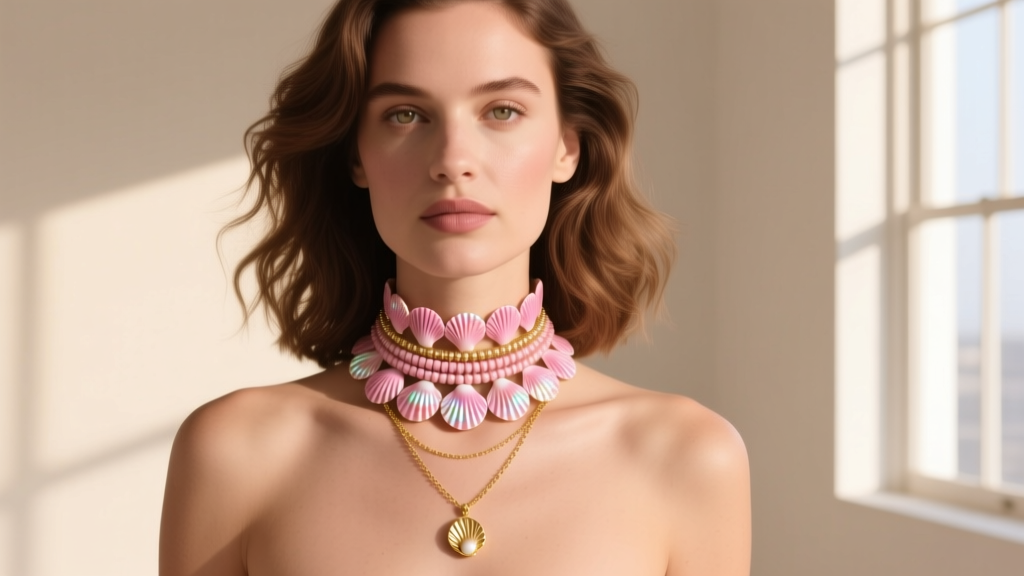
The true magic of the pink puka shell necklace lies in its layering potential. If you are gifting this to a jewelry aficionado, include a brief styling guide in your card. The current 2026 layering framework relies on the 'Rule of Three':
- The Base (14-15 inches): The pink puka shell choker, sitting snugly at the base of the throat. The matte texture of the dyed shell provides a visual anchor.
- The Mid-Layer (16-18 inches): A delicate 14k gold or sterling silver rope chain featuring a single, small organic pendant, such as a freshwater baroque pearl or a tiny gold sunburst.
- The Long Layer (20-24 inches): A heavier, mixed-metal chain or a longer strand of contrasting beads (like turquoise or lapis lazuli) that draws the eye downward and elongates the neckline.
Pro-Tip: The soft pastel pink of the puka shell acts as a neutral in the jewelry box. It pairs surprisingly well with warm yellow gold, cool sterling silver, and even mixed-metal hardware.
Care and Maintenance for Organic Shell Jewelry
Gifting organic jewelry also means educating the recipient on its care. Shell is primarily composed of calcium carbonate, which ranks at a mere 3 to 4 on the Mohs hardness scale. It is highly susceptible to chemical erosion. Advise your gift recipient to follow the 'Last On, First Off' rule. The pink dye and the shell's natural luster can be permanently dulled by contact with lactic acid (sweat), chlorinated pool water, and the alcohol found in perfumes and hairsprays. To clean, they should only use a soft, damp microfiber cloth—never ultrasonic cleaners or harsh jewelry dips, which will strip the pink dye and dissolve the calcium structure.
Final Verdict for the 2026 Holiday Season
The pink puka shell necklace is far more than a fleeting trend; it is a piece of oceanic history that has been reimagined for the modern wardrobe. By understanding the biological origins of the Conus miliaris, knowing how to authenticate genuine dyed shell from plastic imitations, and recognizing the ideal styling pairings, you can confidently select a gift that is both deeply meaningful and impeccably stylish. Whether you are shopping for a nostalgic trendsetter or a coastal minimalist, this vibrant, tactile necklace is guaranteed to be the standout piece under the tree this year.


