Pisces Constellation Necklace: Fixing Tangles & Lost Stones
Fix common issues with your Pisces constellation necklace. Learn how to untangle delicate chains, secure loose zodiac stones, and prevent metal tarnish.

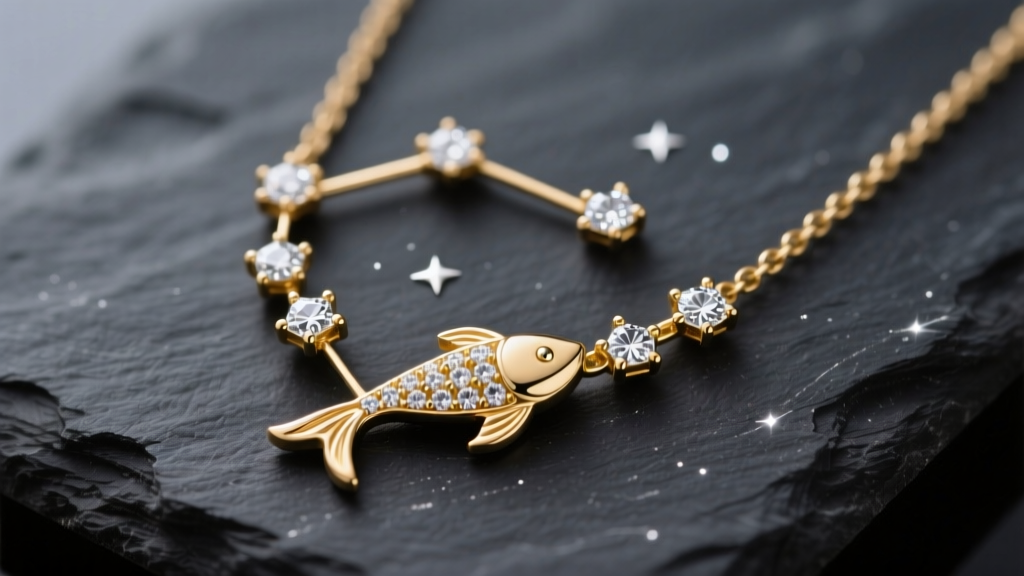
The Unique Vulnerabilities of Pisces Star Maps
Constellation jewelry is deeply personal, but the intricate design of a Pisces constellation necklace presents unique structural challenges that owners frequently need to troubleshoot. Unlike more compact zodiac signs, the Pisces star map is notoriously sprawling. It depicts two fish tied together by a celestial ribbon, anchored by the alpha star, Alrescha. This asymmetrical, elongated design shifts the pendant's center of gravity, causing it to flip, slide, and wrap around the chain far more often than symmetrical pendants.
Furthermore, the sheer number of micro-stones required to map the sprawling Pisces asterism increases the statistical probability of stone loss, prong bending, and tarnish accumulation in recessed grooves. Whether your piece is crafted from 14k solid gold, 925 sterling silver, or gold vermeil, understanding the specific failure modes of this pendant style is essential for long-term preservation. This guide provides expert-level troubleshooting for the most common issues plaguing Pisces constellation necklaces.
Troubleshooting Chain Tangles and Knots
The most frequent complaint among zodiac necklace owners is severe chain tangling. Because Pisces pendants are often elongated horizontal bars or wide, asymmetrical shapes, they act as a pendulum. When the pendant flips, it twists the chain. If you are wearing a delicate 0.8mm or 0.9mm cable chain, the microscopic gaps between the links will interlock, creating stubborn knots.
The Mineral Oil and Needle Method
When your chain inevitably knots, avoid pulling it tight. Tension shrinks the knot's diameter, making it nearly impossible to undo without snapping the delicate links.
- Step 1: Lay the necklace flat on a hard, well-lit surface. A dark slate tile provides the best contrast for spotting fine silver or gold links.
- Step 2: Apply a single drop of mineral oil or baby oil directly to the knot. Do not use baby powder, as the talc can become impacted in the chain links and create a gritty paste that degrades the metal over time.
- Step 3: Using a fine sewing needle or a specialized jeweler's knot-picker, gently tease the center link of the knot. Work outward from the center, never pulling the ends of the chain.
- Step 4: Once untangled, wash the chain with warm water and a drop of mild dish soap to remove the oil, which can otherwise attract dust and dead skin cells.
Upgrading Your Chain Profile
If your Pisces pendant is heavy (over 4 grams), a standard cable chain will eventually stretch and break at the clasp ring. To prevent tangling and structural failure, upgrade to a 1.2mm box chain or a 1.5mm rope chain. Box chains feature interlocking square links that lay flat and resist twisting, while rope chains disperse tension evenly across multiple intertwined strands.
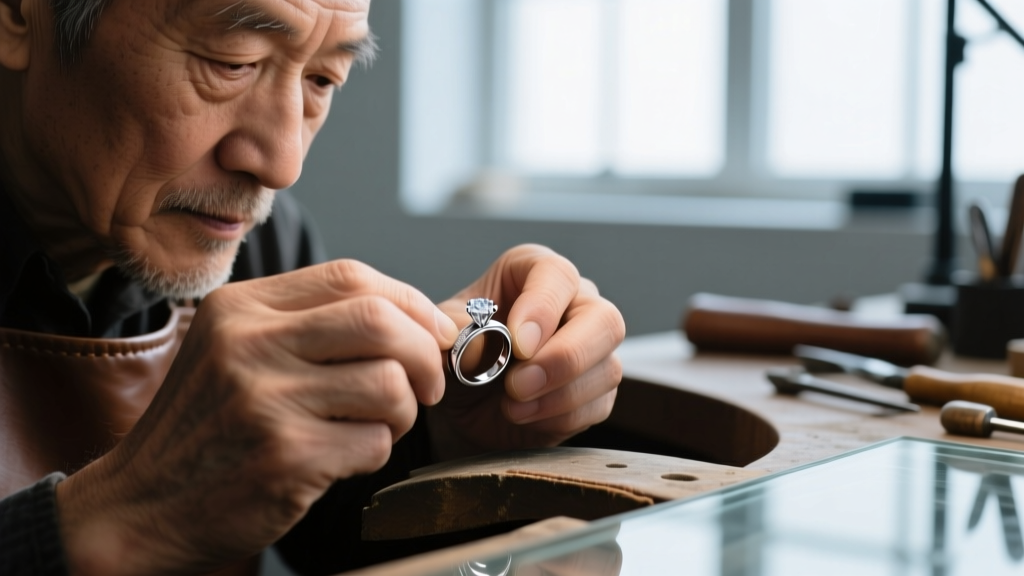
Securing Loose or Missing "Star" Stones
The stars of the Pisces constellation are typically represented by cubic zirconia (CZ), moissanite, or micro-pave diamonds ranging from 0.8mm to 1.5mm in diameter. At this microscopic scale, jewelers usually rely on micro-prong settings to maximize light return. However, 0.8mm prongs are highly susceptible to bending when snagged on knitwear or towels.
Diagnosing Prong Failure with a Loupe
Do not wait for a stone to fall out. Once a month, inspect your necklace using a 10x triplet jeweler's loupe. Look for light gaps between the metal prong and the girdle (the widest edge) of the stone. If you see a gap, or if the stone rocks when gently tapped with a wooden toothpick, the prong has lifted.
To temporarily secure a loose stone at home before visiting a jeweler, apply a microscopic dot of clear, jewelry-safe cyanoacrylate adhesive to the underside of the prong. Avoid superglue, which contains additives that can cloud CZ and moissanite stones permanently.
| Setting Style | Stone Security | Snag Risk | Best For |
|---|---|---|---|
| Micro-Prong (4-prong) | Low (Prongs bend easily) | High | Maximum light return & sparkle |
| Bezel | High (Metal surrounds stone) | Low | Everyday wear, active lifestyles |
| Flush / Gypsy | Medium-High | Very Low | Smooth, minimalist star maps |
Cleaning Tarnish from Recessed Star Maps
Many high-end Pisces constellation necklaces utilize oxidized sterling silver or black rhodium plating in the recessed grooves connecting the stars. This intentional patina creates a high-contrast star map, making the bright silver or gold stars pop against a dark background.
The Danger of Ultrasonic Cleaners and Silver Dips
The most common mistake owners make is using liquid silver dips (which contain thiourea) or ultrasonic cleaners. According to gemological guidelines from the Gemological Institute of America (GIA), harsh chemicals and high-frequency vibrations can strip intentional oxidation, dissolve the adhesives used in some micro-settings, and fracture treated gemstones. Furthermore, if your necklace is gold vermeil (a thick layer of gold over sterling silver), ultrasonic waves can cause microscopic delamination of the gold layer.
The Safe Cleaning Protocol
- Mix warm water with a few drops of phosphate-free dish soap.
- Submerge the necklace for exactly 3 minutes to loosen sebum and lotion.
- Use a soft-bristled baby toothbrush or a dedicated jewelry micro-brush to gently sweep the bristles across the surface. Never scrub in a circular motion; brush in straight lines along the chain of stars to avoid catching the bristles on the micro-prongs.
- Rinse with distilled water to prevent hard water spots and pat dry with a lint-free microfiber cloth.
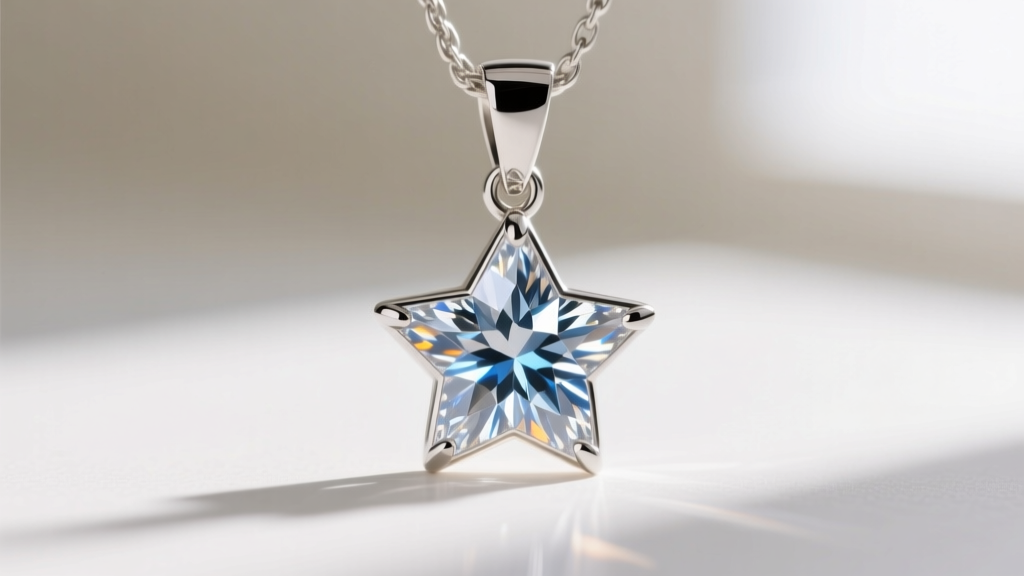
Verifying Astronomical and Material Authenticity
When troubleshooting a failing necklace, it is crucial to understand the materials you are working with. Fast-fashion zodiac jewelry is frequently mislabeled, leading to improper care and accelerated degradation.
Decoding Metal Stamps
Under the Federal Trade Commission's Jewelry Guides, metal stamping is strictly regulated, yet imported pieces often feature misleading marks. Here is what you need to look for on the tiny oval jump ring near your Pisces clasp:
- 925: Sterling Silver (92.5% pure silver). Will tarnish naturally. Requires regular polishing with a treated silver cloth, avoiding the recessed oxidized areas.
- 14K or 585: Solid 14k Gold. Highly resistant to tarnish. If this piece is turning your skin green, it is likely gold-plated brass, not solid gold.
- Vermeil: Must be at least 2.5 microns of gold plated over a 925 sterling silver base. If the gold wears off on the high-relief stars (like Alrescha or Fumalsamakah), it can be professionally re-plated by a jeweler.
- GP or GEP: Gold Plated over a base metal (usually brass or copper). Once the plating wears through, the underlying brass will oxidize rapidly and cause skin discoloration. This cannot be easily polished; it must be re-plated or replaced.
Preventative Maintenance Checklist
To ensure your Pisces constellation necklace remains a pristine representation of your zodiac sign, implement this bi-annual maintenance routine:
- The Clasp Test: Open and close the lobster or spring-ring clasp. It should snap back with a firm, audible click. If it feels sluggish, a drop of specialized jeweler's pivot oil on the spring mechanism will restore tension.
- The Jump Ring Inspection: Check the soldered jump ring connecting the pendant to the chain. If the split is visible, the pendant is at risk of slipping off. Have a jeweler laser-weld the seam shut.
- Proper Storage: Never store your necklace in a pile. Hang it from a velvet-lined jewelry arbor, or lay it flat in a segmented box. Leaving it exposed to ambient humidity accelerates the tarnishing of the copper alloys present in both sterling silver and lower-karat golds.
By understanding the specific mechanical and metallurgical quirks of the Pisces star map, you can transition from constantly repairing your necklace to effortlessly enjoying its celestial beauty for decades.


