Polly Necklaces: How Much Does It Cost? 2026 Price Guide
Discover exactly how much Polly necklaces cost in 2026. We break down pricing for raw diamonds, 18k gold chains, and assess their true long-term value.

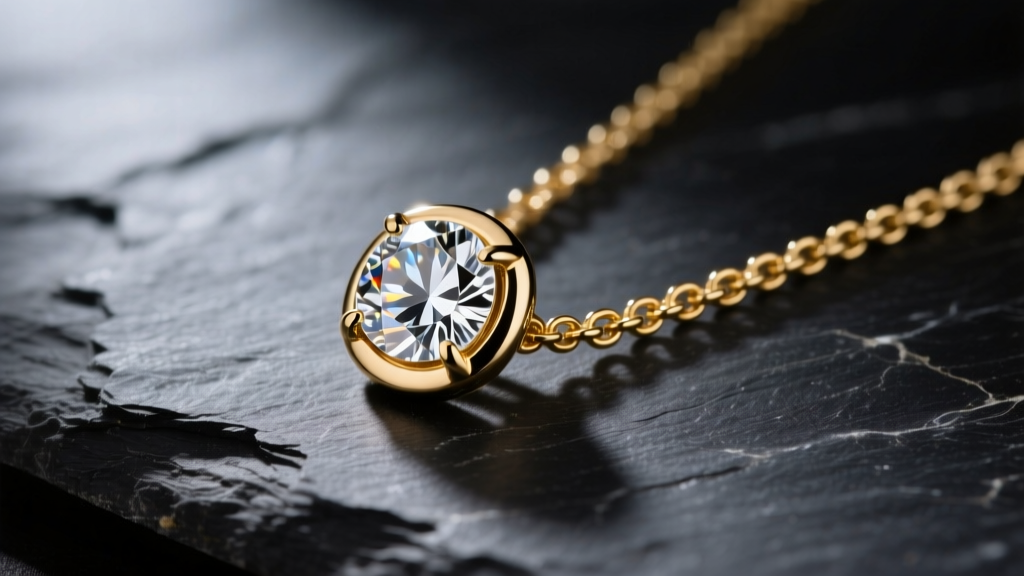
When collectors and bridal shoppers type polly necklaces how much does it cost into a search engine, they are almost universally looking for the iconic, organic fine jewelry designs of Polly Wales. Known for her rebellion against traditional, highly polished luxury jewelry, Wales has carved out a massive niche in the alternative fine jewelry market. Her pieces are characterized by raw, uncut diamonds, vibrant unheated sapphires, and heavily textured recycled 18k yellow gold. But because her work blurs the line between artisanal sculpture and high-end gemology, pricing can seem opaque to first-time buyers. In this 2026 value assessment, we strip away the marketing mystique to evaluate the actual material costs, labor premiums, and long-term investment value of Polly Wales necklaces.
The Short Answer: 2026 Pricing Tiers
If you are looking for a quick baseline, Polly Wales necklaces generally fall into three distinct pricing tiers based on metal weight, gemstone carat size, and structural complexity. Entry-level pieces, which typically feature a single small raw diamond on a delicate 1.2mm recycled gold chain, start between $1,400 and $2,800. Mid-tier cluster pendants and heavier chains range from $3,500 to $7,500. High-end statement pieces, such as her signature raw diamond crosses or heavy rope chains featuring over 3 carats of mixed gemstones, routinely command $9,000 to $16,000+. Unlike mass-produced mall jewelers, Polly Wales does not use standardized pricing grids; every piece is cast individually, meaning the exact carat weight and gold melt weight dictate the final retail price.
Decoding the Value: What Are You Actually Paying For?
To understand if a Polly necklace is worth the premium, you have to look past the traditional 'Four Cs' of diamond grading and evaluate the brand's unique manufacturing philosophy. You are not paying for flawless clarity or laser-perfect symmetry; you are paying for metallurgical artistry and ethical sourcing.
The 'Cast Not Carved' Technique
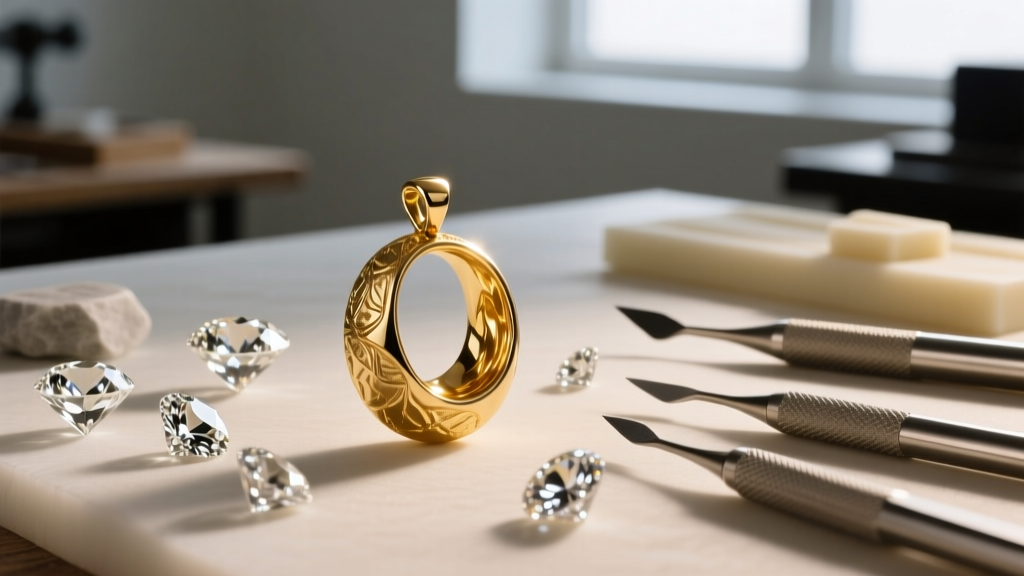
Traditional fine jewelry is cast from perfectly smooth, machine-milled or meticulously hand-carved wax models. Polly Wales employs a 'cast not carved' method, where the wax is manipulated freely, sometimes incorporating organic textures, fingerprints, or deliberate imperfections before being cast in 18k recycled gold. This process requires a higher gram weight of gold to maintain structural integrity, as the porous, organic surface cannot be thinned out like a polished band. According to industry analysts at JCK Online, the premium for recycled 18k gold over standard 14k gold alloys adds roughly 25% to the base material cost, but it yields that signature buttery, rich yellow hue that defines the brand's aesthetic.
Raw vs. Cut Diamonds
Raw diamonds (also known as rough or uncut diamonds) are celebrated for their icy, translucent, and heavily included appearance. Because they bypass the expensive and wasteful cutting and polishing phases, the raw material cost per carat is significantly lower than a faceted brilliant-cut diamond. However, setting a raw diamond is notoriously difficult. Without the standardized geometry of a cut stone, jewelers must custom-build bezels or prongs to hug the stone's natural, asymmetrical contours. According to the Gemological Institute of America (GIA), while raw diamonds still rank a 10 on the Mohs hardness scale, their natural inclusions and cleavage planes make them more susceptible to chipping if struck at the wrong angle, requiring highly skilled, custom setting work that drives up the labor cost.

2026 Price Breakdown by Style and Material
Below is a structured breakdown of estimated retail prices for core Polly Wales necklace styles in 2026, factoring in current precious metal markets and rough diamond availability.
| Necklace Style | Primary Materials | Avg. Gemstone Carat | 2026 Est. Price Range | Value Rating |
|---|---|---|---|---|
| Classic Solitaire Drop | 18k Recycled Gold, Raw White Diamond | 0.50ct - 1.2ct | $1,600 - $3,200 | High (Great entry point) |
| Sapphire Cluster Pendant | 18k Recycled Gold, Mixed Raw Sapphires | 1.5ct - 3.5ct | $4,800 - $7,900 | Medium (High design premium) |
| Heavy Organic Rope Chain | 18k Recycled Gold (No stones) | N/A (Metal only) | $2,500 - $4,500 | High (Intrinsic gold value) |
| Statement Raw Diamond Cross | 18k Recycled Gold, Black/White Diamonds | 3.0ct - 6.0ct | $9,500 - $15,000+ | Medium (Collector piece) |
Polly Wales vs. Competitors: A Value Comparison
How does Polly Wales stack up against other players in the alternative and traditional fine jewelry spaces? Here is a practical decision framework for buyers comparing brands:
- Traditional Luxury (e.g., Tiffany & Co., Anita Ko): You pay a massive premium for brand heritage, marketing, and flawless, GIA-certified faceted stones. Polly Wales offers a more rebellious, understated aesthetic with a lower markup on the actual diamonds, though the gold weight is often comparable.
- Indie Raw Diamond Brands (e.g., Rough Diamond World, Nicole Ring): These brands offer similar raw diamond aesthetics but often use 14k gold to keep prices under $1,500. Polly Wales commands a 40% to 60% premium over these competitors, justified by her 18k gold alloys, superior custom setting techniques, and high brand recognition in the luxury editorial space.
- Custom Local Jewelers: Sourcing your own raw diamond and hiring a local bench jeweler to cast an organic-style pendant can save you 30% off Polly's retail price. However, you lose the specific, recognizable 'Polly Wales' silhouette and the brand's secondary market recognition.
Longevity, Maintenance, and Hidden Costs
A critical part of any budget assessment is factoring in long-term maintenance. Because Polly Wales necklaces utilize 18k gold, the metal is inherently softer than 14k gold or platinum. The organic, textured surfaces are prone to micro-scratches, though most collectors argue this adds to the 'living' patina of the piece. Furthermore, raw diamonds often feature surface-reaching inclusions and natural cavities. Never clean a raw diamond necklace in an ultrasonic cleaner. The high-frequency vibrations can cause internal fractures to expand, potentially splitting the stone. Instead, maintenance requires only warm water, a drop of mild dish soap, and a soft-bristled baby toothbrush. Budget roughly $150 every 3 to 5 years for a professional prong-tightening and deep steam cleaning by a jeweler who specializes in alternative gemstones.
The Final Verdict: Is It Worth the Investment?
If you are buying a Polly Wales necklace strictly as a financial asset expecting it to appreciate, you will likely be disappointed. On the secondary market (platforms like The RealReal or Vestiaire Collective), Polly Wales pieces typically resale for 40% to 55% of their original retail value, which is standard for niche designer jewelry but lags behind heritage houses like Cartier or Van Cleef & Arpels. However, if you are evaluating value through the lens of wearable art, ethical material sourcing, and daily versatility, the cost is highly justified. The heavy 18k gold chains retain intrinsic melt value, and the raw diamonds offer a moody, personalized aesthetic that mass-market faceted stones simply cannot replicate. For the alternative bride or the collector seeking a permanent, organic staple, a Polly Wales necklace remains a premier, justifiable luxury.


