The Raw Crystal Rift Necklace Buying Guide: What to Look For
Discover how to choose the perfect rift necklace. Learn about raw crystal grades, electroformed vs. cast metals, and chain pairings in our expert guide.

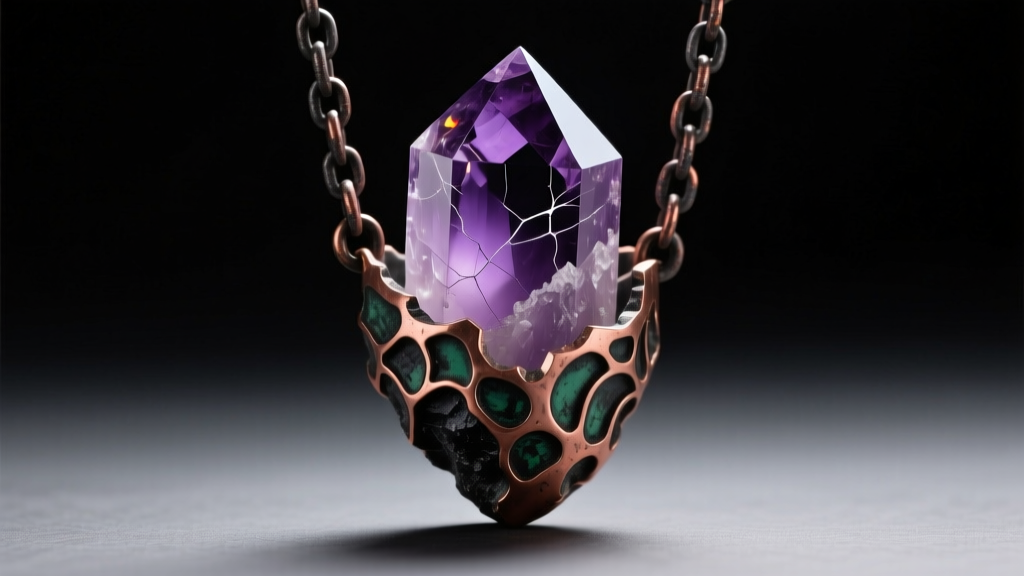
The allure of the raw, uncut gemstone has dominated artisan jewelry trends as we move through 2026, but no design captures the intersection of geology and metallurgy quite like the rift necklace. Unlike traditional bezel or prong settings that constrain a faceted stone, a true rift pendant mimics a geological fissure. The metal appears to organically wrap, burst, or grow around a raw crystal core, creating an asymmetrical, deeply textured piece of wearable art.
However, the popularity of the rift necklace has flooded the market with mass-produced imitations and structurally compromised pieces. As a buyer, understanding the metallurgy, crystal durability, and structural integrity of these pendants is critical. This comprehensive buying guide will teach you exactly what to look for when investing in an authentic, high-quality rift necklace.
Metalwork: Electroformed Copper vs. Cast Sterling Silver
The "rift" effect is primarily achieved through two distinct jewelry-making techniques. Understanding the difference will dictate the price, weight, and longevity of your necklace.
Electroformed Copper
Electroforming is an electrochemical process where copper is deposited atom-by-atom onto a conductive surface (usually the raw crystal itself, painted with conductive graphite). This creates the signature bark-like, organic "rift" texture. When evaluating an electroformed copper rift necklace, thickness is your primary metric for quality. A durable piece should have a copper buildup of at least 0.8mm to 1.2mm. Pendants with thinner shells (under 0.5mm) are prone to denting, warping, and eventual tearing at the bail.
Furthermore, raw copper will oxidize and turn your skin green due to a reaction with your natural skin acids. High-quality artisans will seal their electroformed pieces with a micro-crystalline wax or a specialized polymer coating like ProtectaClear. Always ask the seller if the copper has been sealed.
Lost-Wax Cast Sterling Silver
For a more refined, modern aesthetic, artisans carve the "rift" design in wax, create a mold, and cast it in 925 sterling silver. The raw stone is then set into the cast metal fissure. According to jewelry manufacturing standards outlined by Rio Grande, sterling silver shrinks by approximately 1.25% during the cooling phase. Master jewelers account for this shrinkage to ensure the cast silver prongs grip the raw stone with immense mechanical tension, eliminating the need for adhesives.
| Metal & Process | Average Price Range | Weight & Feel | Maintenance Level |
|---|---|---|---|
| Electroformed Copper | $45 - $150 | Lightweight, hollow feel | High (requires resealing) |
| Cast 925 Sterling Silver | $180 - $450+ | Heavy, solid, substantial | Low (standard silver polishing) |
| Brass/Bronze Alloy Cast | $80 - $200 | Medium weight, very rigid | Medium (tarnishes quickly) |
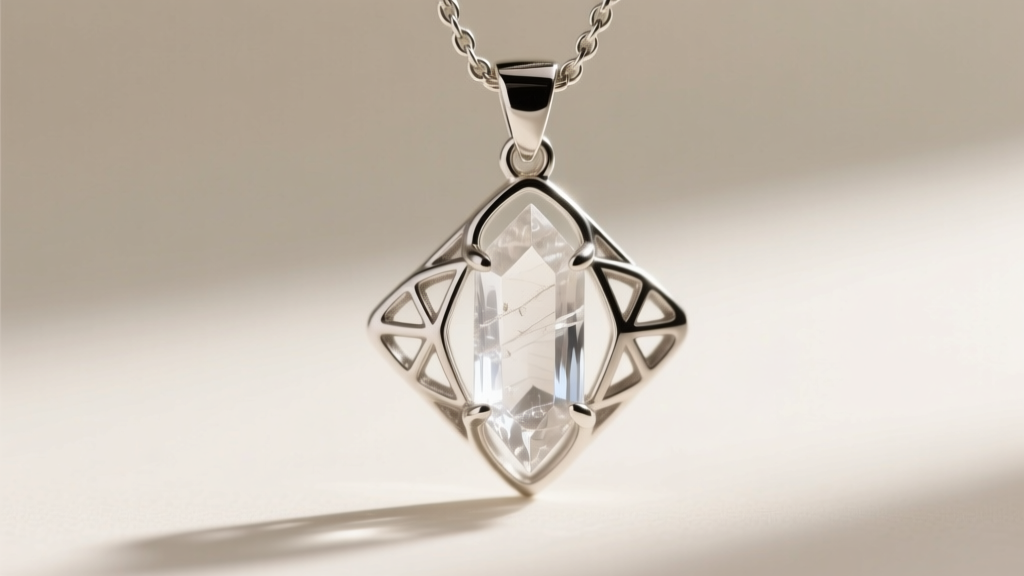
Selecting the Right Raw Crystal Core
The defining feature of a rift necklace is the raw, uncut stone jutting from the metal. Because these stones are not faceted or polished, their natural structural vulnerabilities are exposed. You must evaluate the crystal based on the Mohs Hardness Scale and its internal cleavage planes.
Daily Wear vs. Occasional Wear
According to the Gemological Institute of America (GIA), the Mohs scale measures a mineral's resistance to scratching. For a necklace that rests against the chest and is subject to accidental bumps, you want a stone with a hardness of 7 or higher.
- Raw Quartz (Amethyst, Citrine, Clear): Mohs 7. Excellent for daily wear. Highly resistant to scratches and environmental dust (which contains quartz particles).
- Raw Tourmaline: Mohs 7 to 7.5. Extremely durable, often featuring beautiful internal striations that complement the chaotic metal rift.
- Raw Fluorite: Mohs 4. Stunning colors, but highly susceptible to scratching and cleavage (splitting along internal planes). Reserve fluorite rift necklaces for occasional, careful wear.
- Raw Opal: Mohs 5.5 to 6.5. Opals contain up to 20% water. The tension from a tight metal rift setting, combined with body heat, can cause raw opals to craze or crack over time.
Evaluating Inclusions
Inclusions are not flaws in a rift necklace; they are features. Databases like Mindat.org detail how mineral inclusions form. Look for rutilated quartz, where titanium dioxide needles create golden, hair-like structures inside the crystal. However, avoid raw stones with deep, surface-reaching fractures that run parallel to the metal setting, as thermal expansion from your body heat can cause the stone to snap in half.
Chain Selection and Weight Distribution
A common mistake buyers make is pairing a heavy, asymmetrical rift pendant with a delicate chain. The "rift" design inherently shifts the center of gravity, causing the pendant to hang at an angle and put uneven stress on the bail and chain links.
Matching Chain Gauge to Pendant Weight
If your electroformed copper or solid silver rift pendant weighs more than 20 grams, you must upgrade your chain. Avoid standard 0.8mm cable chains. Instead, opt for:
- Wheat Chains (2.0mm - 3.0mm): The woven, braided structure of a wheat chain distributes asymmetrical weight evenly, preventing kinking and snapping.
- Rope Chains (2.5mm+): Excellent for heavy cast silver rift pendants, offering high tensile strength and a textured look that complements the raw crystal.
- Leather Cords (3mm - 5mm): A staple for bohemian copper rift necklaces. Ensure the cord is sealed and the end-caps are crimped, not glued.

Red Flags: How to Spot Poor Craftsmanship
When shopping for a rift necklace online or at artisan markets, inspect the piece (or high-resolution photos) for these critical failure points:
The Adhesive Test
A genuine rift necklace relies on mechanical tension—either the electroformed copper grown directly over the stone's contours, or cast silver prongs bent tightly against the crystal. If you look at the base of the pendant and see a glossy, synthetic residue, the stone has been glued in place using E6000 or epoxy. Adhesives degrade when exposed to UV light, skin oils, and temperature fluctuations. Within 12 to 18 months, a glued stone will inevitably fall out of its metal fissure.
The "Hollow Shell" Dent Test
If buying an electroformed copper piece in person, gently press the thinnest part of the metal "rift" with your thumb. If the metal yields, crunches, or feels like a thin eggshell, the electroforming bath was pulled too early. This piece will not survive daily wear and will easily tear at the bail loop.
Care and Maintenance for Rift Pendants
Caring for a rift necklace requires abandoning traditional jewelry cleaning methods. Never put a raw crystal rift pendant in an ultrasonic cleaner. Ultrasonic machines use high-frequency sound waves (typically 40kHz) to create microscopic cavitation bubbles. Because raw crystals are uncut, they frequently contain internal micro-fractures and liquid inclusions. The ultrasonic vibrations will propagate these internal fractures, causing the crystal to shatter from the inside out while the metal setting remains perfectly intact.
Instead, clean your rift necklace using a soft-bristled baby toothbrush, warm water, and a drop of pH-neutral dish soap. Gently brush the crevices where the metal meets the raw stone to remove sebum and lotion buildup. Dry thoroughly with a microfiber cloth, and if your piece is electroformed copper, reapply a thin coat of Renaissance Wax every six months to protect the patina and your skin.
By prioritizing structural integrity, understanding the geological properties of raw stones, and selecting the appropriate chain gauge, you can secure a rift necklace that is not only a striking statement piece but a durable, lifelong addition to your jewelry collection.


