Beginner Guide to Popular Beaded Necklaces: Materials and Styling
Discover the ultimate beginner guide to popular beaded necklaces. Learn about stringing materials, bead sizes, styling tips, and how to avoid fakes.

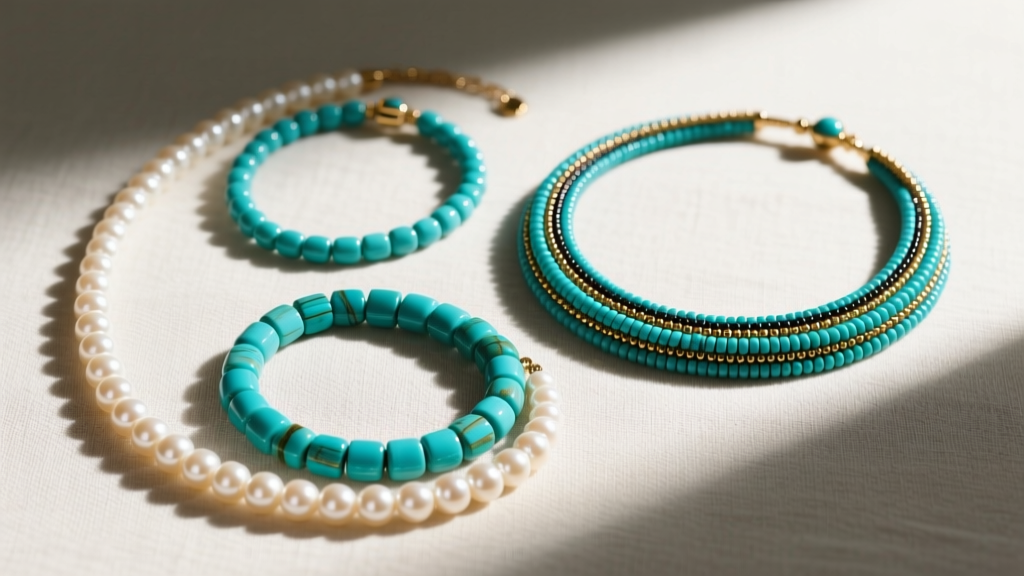
When building a versatile jewelry collection, few accessories offer the tactile charm and stylistic range of beaded strands. Whether you are drawn to the organic elegance of freshwater pearls or the vibrant, earthy appeal of turquoise heishi, understanding the construction and materials behind these pieces is crucial. This beginner-friendly explainer breaks down the anatomy, popular styles, and essential care techniques for the most sought-after beaded necklaces on the market today.
The Anatomy of a Beaded Strand: Stringing Materials Matter
The longevity of any beaded necklace is dictated not by the beads themselves, but by the stringing material holding them together. Beginners often overlook this, leading to frustrating breakages. Here are the three industry-standard stringing methods you must know:
- Beading Wire (e.g., Soft Flex .018-inch): Made of braided stainless steel coated in nylon, this is the gold standard for medium-to-heavy gemstones. The .018-inch diameter offers the perfect balance of drape and tensile strength (typically holding up to 15-20 lbs). It requires crimp beads and a clasp to finish.
- Silk Thread (Size F): The traditional choice for pearls. Silk is prized for its soft drape and the ability to be hand-knotted between each bead. Knotting prevents bead-on-bead abrasion and ensures that if the strand snaps, you only lose one pearl rather than the entire necklace.
- Elastic Cord (0.8mm to 1.0mm): Used for slip-on gemstone chip and lava rock necklaces. While convenient, elastic is highly susceptible to UV degradation, sweat acidity, and stretching over time. It is a failure-prone material that requires annual restringing.
5 Popular Beaded Necklaces Every Beginner Should Know
The market is saturated with options, but a few foundational styles consistently dominate both high-end boutiques and artisan markets.
1. Freshwater Pearl Strands (6mm - 8mm)
A timeless staple, the classic white or cream freshwater pearl strand is typically knotted on silk. For everyday wear, a 6mm to 8mm diameter offers a refined look without feeling overly formal. High-quality strands will feature a slight luster and minor surface blemishes, which prove their authenticity. Expect to pay between $50 and $150 for a well-matched 18-inch princess strand.
2. Miyuki Seed Bead Chokers
Seed bead chokers have seen a massive resurgence. The highest quality pieces use Japanese Miyuki Delica beads (size 11/0), which are precision-cut glass cylinders that lock together seamlessly. Strung on durable nylon thread like FireLine, these 14-to-16-inch chokers offer a sleek, modern, and highly durable accessory that resists fraying. Pricing generally ranges from $20 to $45.
3. Gemstone Chip Necklaces
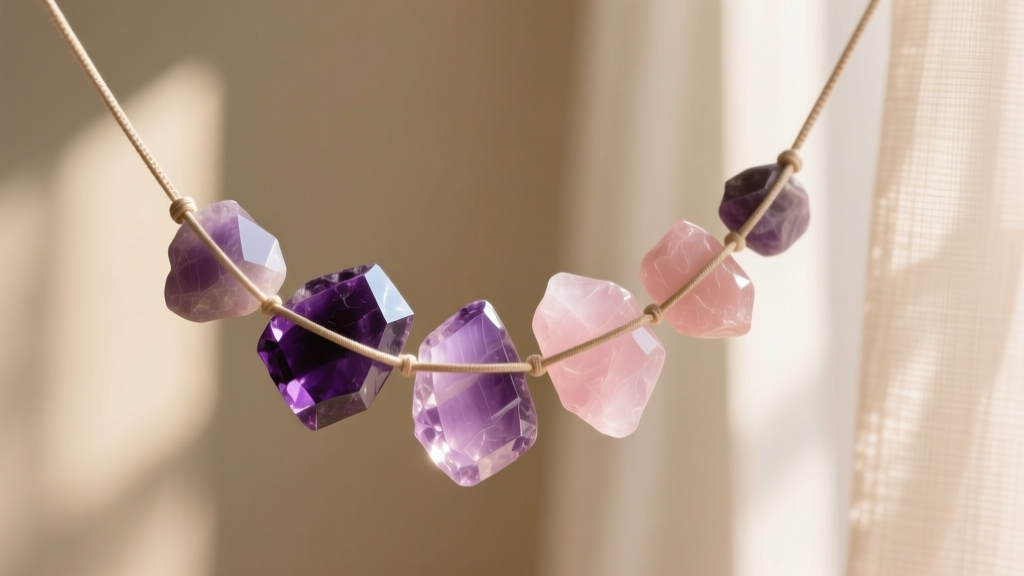
Gemstone chips are irregular, uncalibrated slices of stones like amethyst, rose quartz, or lapis lazuli. They provide a bohemian, organic aesthetic and are usually strung on clear elastic. Because the stones are irregular, they drape with a unique, cascading texture. However, the sharp edges of the drilled holes can eventually saw through cheap elastic, making periodic restringing a necessity.
4. Turquoise and Lapis Heishi Strands
Heishi (pronounced hee-shee) refers to small, flat, disc-shaped beads. Genuine turquoise or lapis lazuli heishi is a hallmark of Southwestern and summer resort jewelry. The beads are typically 3mm to 5mm in diameter and strung tightly on beading wire. Because genuine turquoise is porous and expensive, this style is frequently counterfeited using dyed howlite or magnesite.
5. Matte Lava Rock & Wood Beads
A staple in streetwear and casual menswear, 8mm matte lava rock and sandalwood bead necklaces are strung on heavy-duty elastic or macrame cord. They are lightweight, absorb essential oils well, and offer a rugged, textured look. These are highly affordable, usually pricing between $15 and $30.
Material & Durability Comparison Chart
Use this quick-reference table to match the right beaded style to your lifestyle and maintenance tolerance.
| Bead Material | Ideal Stringing | Water/Sweat Resistance | Avg. Price Range |
|---|---|---|---|
| Freshwater Pearl | Knotted Silk | Poor (Porous, stains easily) | $50 - $200 |
| Glass Seed Bead | Nylon Thread | Excellent | $20 - $45 |
| Gemstone Chips | Elastic / Wire | Good (Varies by stone) | $15 - $40 |
| Natural Turquoise | Coated Wire | Poor (Porous, reacts to acids) | $80 - $300+ |
| Lava Rock | Elastic / Cord | Excellent | $15 - $30 |
How to Choose the Right Length and Bead Size
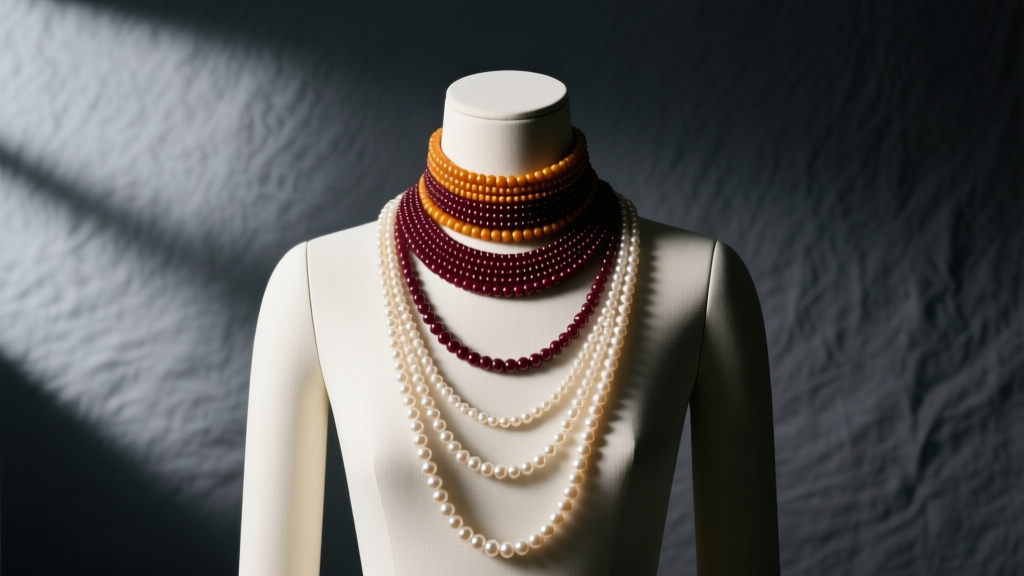
The visual weight of a beaded necklace is determined by the interplay between bead diameter and overall strand length. According to the Fire Mountain Gems Encyclopedia, understanding standard bead sizing is critical for achieving your desired silhouette:
- 2mm - 4mm (Petite): Creates a delicate, thread-like appearance. Best for chokers and multi-strand layered pieces.
- 6mm (Standard): The most versatile size. Offers noticeable texture without overwhelming the neckline. Ideal for 18-inch princess lengths.
- 8mm - 10mm (Chunky): Makes a bold statement. Best reserved for shorter 16-inch lengths or single-strand focal pieces, as longer lengths with heavy beads can cause neck strain.
Pro Styling Tip: When layering beaded necklaces, ensure a minimum 2-inch gap between lengths (e.g., a 14-inch choker with an 18-inch pearl strand) to prevent the beads from tangling and abrading against one another.
Common Beginner Mistakes to Avoid
Navigating the beaded jewelry market requires a discerning eye. Avoid these frequent pitfalls:
- Falling for Dyed Howlite: Howlite is a cheap, white, porous stone frequently dyed blue to imitate turquoise. The Gemological Institute of America (GIA) notes that you can often spot dyed stones by looking for concentrated dye pooling in the natural crevices or webbing of the bead. If the price seems too good to be true, it is likely howlite.
- Ignoring Clasp Quality: A heavy gemstone strand secured by a cheap, hollow lobster clasp is a lost necklace waiting to happen. Always look for solid brass or sterling silver clasps with a sturdy spring mechanism.
- Using Elastic for Heavy Stones: Never buy 8mm or 10mm heavy gemstone beads strung on thin elastic. The sheer weight and gravity will stretch the cord out, causing the necklace to sag and eventually snap without warning.
Care and Maintenance for Beaded Strands
Proper care extends the life of your jewelry. Always follow the "last on, first off" rule: put your beaded necklaces on after applying perfumes, lotions, and hairsprays, and take them off before showering.
For non-porous beads like glass seed beads or polished agate, a simple wipe with a damp microfiber cloth is sufficient. However, porous materials like pearls, turquoise, and untreated wood should never be submerged in water. Clean them gently with a dry, soft cloth. Finally, store beaded necklaces flat or hanging; coiling stiff beading wire into tight spaces can cause the internal steel wires to kink and permanently deform.


