Power Balance Necklace Trend: 2010s Nostalgia Meets 2026 Style
Explore the 2026 revival of the power balance necklace. Learn how to style holographic pendants and kinetic counterweights for modern streetwear.

The Return of 2010s Wellness-Core: Why the Power Balance Necklace is Back
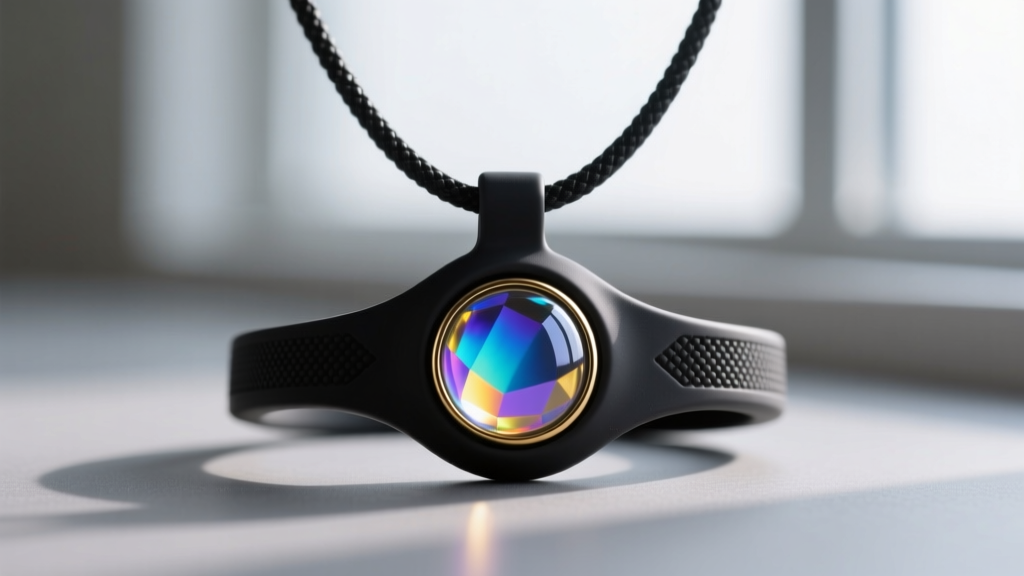
Fashion is inherently cyclical, but the revival of the power balance necklace in 2026 represents one of the most fascinating pivots in recent streetwear history. Originally dominating the early 2010s as a controversial wellness fad, the holographic pendant has been entirely stripped of its pseudoscientific baggage. Today, it is celebrated as a cornerstone of 'Indie Sleaze' and 2010s nostalgia fashion, embraced by Gen Z and younger millennials who view the accessory through a lens of deep irony and retro-futuristic aesthetics.
To understand this revival, we have to look at how internet culture processes nostalgia. Much like the ironic resurrection of shutter shades or rubber wristbands, the power balance necklace is now worn as a conversation-starting artifact of a bygone digital era. However, modern jewelers and streetwear brands have completely overhauled the materials, transforming a cheap mass-produced trinket into a premium, highly engineered fashion statement.
The Anatomy of a Fad: From Pseudoscience to Streetwear Staple
For those who missed the original craze, the Power Balance brand claimed that the holographic stickers embedded in their silicone and metal pendants could 'resonate with the body's natural energy field' to improve balance, strength, and flexibility. These claims were entirely baseless. In late 2010, the Federal Trade Commission charged the company with deceptive advertising, leading to a massive class-action settlement and the brand's eventual bankruptcy. As The Guardian reported at the time, the products were nothing more than brilliantly marketed placebos.
Fast forward to 2026, and the holographic pendant has been reclaimed by the fashion world. The irony is the point. Wearing a power balance necklace today is a tongue-in-cheek nod to the gullibility of early 2010s wellness culture, repurposed as a gritty, cyberpunk-adjacent accessory that pairs perfectly with the current wave of archival streetwear and technical fabrics.
Material Upgrades: Dichroic Glass vs. Degrading Mylar
The most significant difference between a vintage 2010 pendant and a 2026 artisan reproduction lies in the material science. Original pendants relied on cheap PET (Polyethylene terephthalate) holographic stickers glued to stamped aluminum or molded silicone. These stickers were notorious for peeling, scratching, and losing their iridescence when exposed to UV light and the natural oils from human skin.
Modern interpretations have abandoned adhesive foils entirely. High-end streetwear jewelers now utilize dichroic glass or anodized titanium to achieve that signature holographic color-shift. Dichroic glass is created through a vacuum-chamber vapor deposition process, layering micro-thin sheets of metal oxides (like titanium and chromium) onto glass. This creates genuine optical interference, resulting in a vibrant, permanent color-shifting effect that mimics the original hologram but with vastly superior durability and depth.
Furthermore, the chains holding these pendants have been upgraded. The cheap alloy dog chains of the past—which frequently oxidized and turned the wearer's skin green due to copper and nickel leaching—have been replaced by 316L surgical stainless steel or Grade 5 Ti-6Al-4V titanium. A 2mm to 3mm curb or Figaro chain is now the standard, providing a substantial, tarnish-resistant foundation for the pendant.
How to Style the Holographic Pendant in 2026
Styling a power balance necklace requires a deliberate approach to contrast. Because the pendant is inherently loud and nostalgic, it should act as the focal point of an otherwise structured or minimalist outfit. Here are three actionable styling frameworks for the modern wearer:
- The Ironic Archive Look: Pair a black silicone-and-steel hybrid pendant on a 3mm curb chain with an oversized, faded vintage graphic tee and baggy, washed denim. The pendant adds a subtle 2010s skate-park edge to the silhouette.
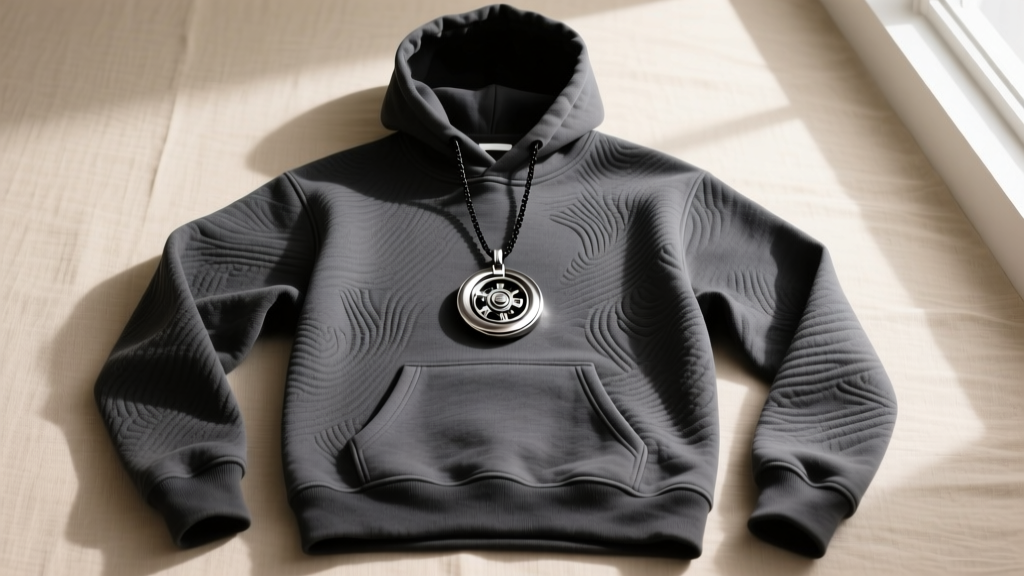
- Elevated Techwear: Opt for a matte black titanium pendant with a deep blue/green dichroic glass inlay. Wear it over a high-neck, water-resistant technical fleece or a structured Gore-Tex shell. The holographic flash provides a necessary visual break against dark, utilitarian fabrics.
- The Layered Contrast: Mix the holographic pendant with traditional fine jewelry. Layer a 20-inch power balance pendant with a delicate 18-inch 14k gold rope chain and a simple signet ring. The clash between 'mall kiosk' nostalgia and refined precious metals is a hallmark of 2026 eclectic styling.
The High-Jewelry Pivot: Kinetic 'Balance' Pendants
Beyond the ironic streetwear revival, the concept of 'balance' has inspired a secondary trend in high jewelry and artisan metalworking. Rather than relying on holographic stickers, avant-garde jewelers are creating kinetic balance pendants. These pieces use actual physical counterweights, gimbal settings, or asymmetrical chain attachments to create a pendant that physically shifts and balances on the collarbone as the wearer moves.
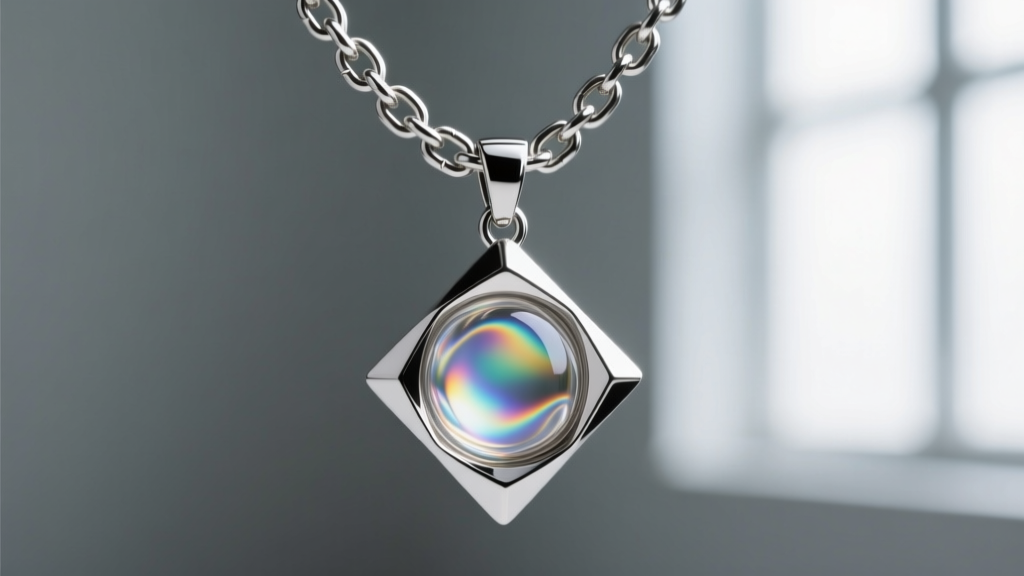
These kinetic designs often feature internal chambers filled with high-density ferrofluids or suspended precious stones that act as a shifting center of gravity. It is a sophisticated, literal interpretation of the 'power balance' concept, appealing to collectors who appreciate horological-level engineering in their body modifications and jewelry. While these pieces command a premium—often ranging from $400 to over $1,500 depending on the complexity of the gimbal mechanism—they represent the bleeding edge of interactive jewelry design.
Comparison: Vintage Fad vs. Modern Artisan Execution
| Feature | 2010 Original Fad | 2026 Artisan Revival |
|---|---|---|
| Holographic Element | PET adhesive sticker | Vapor-deposited dichroic glass |
| Pendant Base Material | Stamped aluminum / Silicone | 316L Steel / Grade 5 Titanium |
| Chain Hardware | Alloy dog chain (prone to rust) | 2-3mm Curb/Figaro (surgical grade) |
| Primary Appeal | Pseudoscientific wellness claims | Ironic nostalgia / Kinetic engineering |
| Average Price Point | $30 - $60 | $85 - $350 (Standard) / $1,500+ (Kinetic) |
Sourcing and Authenticity: Avoiding the Pseudoscience Trap
As the trend gains momentum, a word of caution is necessary for buyers navigating online marketplaces. While the original Power Balance company is long defunct, the internet is still littered with dropshipped replicas making fraudulent health claims. When shopping for a power balance necklace in 2026, strictly evaluate the piece as a fashion accessory.
Look for independent jewelers on platforms like Etsy or specialized streetwear forums who explicitly detail their materials. If a product listing mentions 'frequencies,' 'ionization,' or 'bio-magnetic alignment,' avoid it entirely. Reputable modern brands lean heavily into the aesthetic, nostalgic, and material qualities of the piece, openly acknowledging its history as a fad while highlighting the upgraded craftsmanship of their reproductions.
Final Verdict: Irony, Nostalgia, and Wearability
The power balance necklace has completed one of the most remarkable rehabilitation arcs in modern accessory history. By shedding its deceptive wellness claims and embracing high-quality materials like dichroic glass and surgical steel, it has secured its place in the 2026 streetwear pantheon. Whether you are wearing it as an ironic nod to your middle-school years or investing in a high-end kinetic interpretation, the holographic pendant proves that in fashion, even the most debunked fads can eventually find their true balance.


