Stop the Rash on Neck From Necklace: Care & Cleaning Guide
Discover why you get a rash on neck from necklace wear. Learn expert cleaning tips, hypoallergenic metal grades, and maintenance routines to soothe skin.

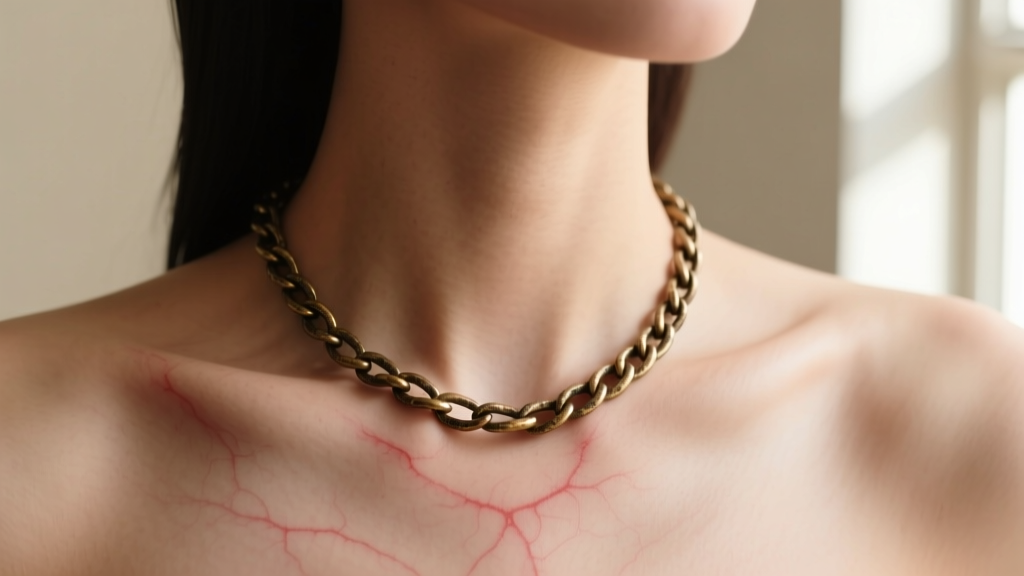
Experiencing a rash on neck from necklace wear is a frustrating and all-too-common issue that plagues jewelry lovers. Whether it manifests as an itchy, red ring around your collarbone or a cluster of raised bumps beneath a pendant, this irritation is rarely just a coincidence. In most cases, it is a direct result of allergic contact dermatitis, trapped moisture, or the accumulation of bacteria and dead skin cells within the crevices of your chain. As jewelry styles in 2026 lean heavily toward layered, skin-hugging chokers and chunky chain links, the surface area of metal in contact with your skin has increased, making proper maintenance and material awareness more critical than ever.
According to the American Academy of Dermatology, nickel allergy remains the leading cause of contact dermatitis, affecting roughly 18% of the population. However, even 'nickel-free' jewelry can cause a rash if it harbors sweat, cosmetics, and environmental pollutants. This comprehensive guide will break down the exact science behind necklace-induced irritation, provide a deep-cleaning protocol to eliminate bacterial buildup, and offer actionable maintenance strategies to keep your skin calm and your jewelry pristine.
The Science Behind the Rash on Neck From Necklace Wear
To effectively treat and prevent irritation, you must first understand the chemical environment of your neckline. The skin on your neck is significantly thinner and more permeable than the skin on your hands or arms. Furthermore, the hollow of the neck is a high-friction, high-moisture zone. When you wear a necklace, you create a microenvironment that traps heat and perspiration.
Human sweat is not just water; it is a complex, mildly acidic solution (pH 4.5 to 7.0) containing urea, lactic acid, ammonia, and chloride ions. When these chloride ions interact with base metals or lower-quality alloys, they accelerate galvanic corrosion. This corrosion process releases microscopic metal ions—most notably nickel, copper, and cobalt—directly into the epidermis. Once these ions penetrate the skin barrier, they bind to epidermal proteins, triggering an immune response from your T-cells. This cascade results in the erythema, pruritus (itching), and blistering characteristic of a rash on neck from necklace exposure.
Additionally, the intricate links of a cable chain or the porous surface of an unpolished pendant act as a physical trap for sebum, dead skin cells, and cosmetic residues like foundation or perfume. This organic sludge becomes a breeding ground for Staphylococcus and Malassezia (a yeast naturally found on skin), leading to fungal or bacterial folliculitis that mimics a metal allergy.
Metal Composition Matrix: What Triggers Irritation?
Not all metals are created equal. Understanding the exact composition of your jewelry is the first line of defense. Below is a breakdown of common necklace materials and their irritation risk profiles based on dermatological data and the EU Nickel Directive (EN 1811:2011), which limits nickel release to 0.5 µg/cm²/week for prolonged skin contact.
| Metal / Alloy | Nickel Content | Corrosion Resistance | Irritation Risk | Maintenance Requirement |
|---|---|---|---|---|
| Commercial Brass / Bronze | None (but contains reactive Copper/Zinc) | Very Low | High (Causes green skin & contact dermatitis) | Requires daily polishing; avoid sweat exposure. |
| 316L Surgical Stainless Steel | 8% - 12% (Tightly bound in crystal lattice) | High | Low to Moderate (Chlorides in sweat can cause pitting) | Rinse with distilled water after heavy sweating. |
| 14k / 18k White Gold | High (Alloyed with nickel/palladium) | Moderate (Relies on Rhodium plating) | Moderate (Risk spikes when rhodium plating wears off) | Re-plate with rhodium every 12-18 months. |
| Grade 23 Titanium (Ti6Al4V ELI) | 0% | Exceptional | Negligible (Biocompatible, ideal for sensitive skin) | Minimal; standard soap and water cleaning. |
| Sterling Silver (925) | 0% (Alloyed with 7.5% Copper) | Moderate | Low (Copper can react with high-acid sweat) | Store in anti-tarnish bags; clean with mild surfactant. |
The 3-Step Deep Cleaning Protocol to Eliminate Bacteria
If your jewelry is crafted from a safe, hypoallergenic metal like solid gold, platinum, or Grade 23 titanium, yet you are still developing a rash on neck from necklace wear, the culprit is almost certainly bacterial or fungal buildup. A simple wipe-down with a cloth is insufficient. You must perform a deep clean to extract the microscopic debris trapped between the jump rings and chain links.
Step 1: The Surfactant Soak
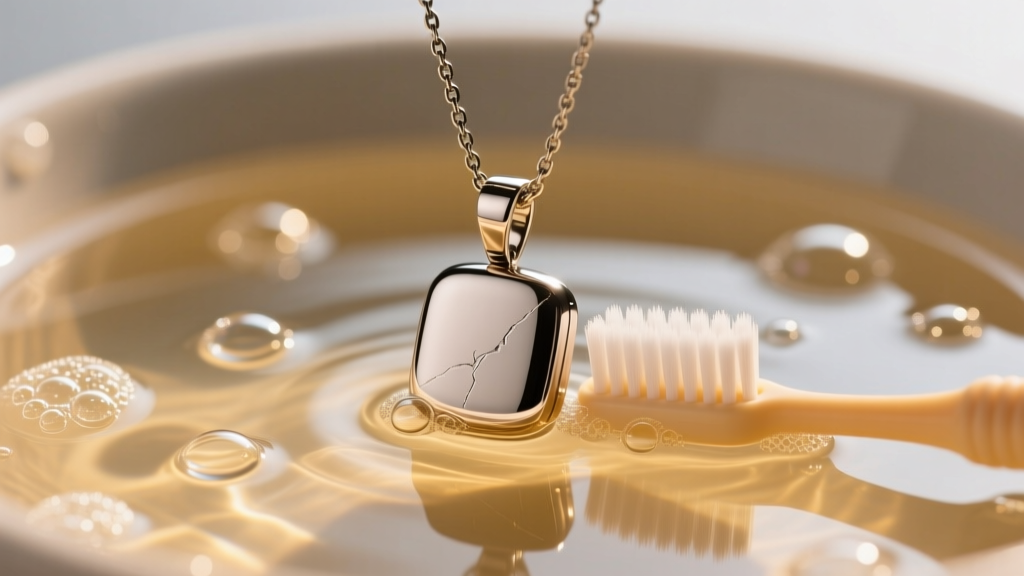
Fill a glass bowl with warm (not hot) distilled water and add three drops of a mild, phosphate-free liquid dish soap (such as Dawn). Avoid harsh chemicals, bleach, or ammonia-based cleaners, as these can strip the protective oxide layers off metals like titanium and surgical steel. Submerge the necklace and let it soak for exactly 15 minutes. This allows the surfactant to break down the lipid bonds of trapped sebum and cosmetic oils.
Step 2: Agitation and Detail Brushing
Remove the necklace from the soak. Using a brand-new, extra-soft baby toothbrush, gently agitate the chain links. Pay special attention to the clasp mechanism and the jump ring holding the pendant, as these areas have the highest friction and trap the most debris. Warning: If your pendant features porous gemstones like opal, turquoise, lapis lazuli, or pearls, do not submerge them. Instead, use a damp microfiber cloth to carefully wipe around the stone settings to prevent water from degrading the adhesive or fracturing the gem.
Step 3: Complete Desiccation
Moisture left in the microscopic gaps of a chain link will accelerate tarnish and breed yeast. After rinsing the necklace thoroughly under lukewarm distilled water, pat it dry with a lint-free microfiber cloth. Follow this by using a hair dryer on the 'cool' setting for 60 seconds to ensure absolute desiccation of the inner links before storage or wear.
Barrier Methods and Daily Maintenance Strategies
For heirloom pieces or fashion jewelry that you cannot bear to part with, despite their high nickel or copper content, creating a physical barrier between the metal and your epidermis is essential. In 2026, dermatologists and jewelers recommend advanced polymer barrier sprays over outdated DIY hacks.
- The Clear Nail Polish Myth: Painting the back of a pendant or the inner links of a choker with clear nail polish is a widely circulated internet hack. However, nitrocellulose-based polishes degrade rapidly when exposed to the acidic pH of human sweat. Within 48 hours, the polish will micro-fracture, creating sharp, jagged edges that cause micro-abrasions on the neck, worsening the rash. Avoid this method entirely.
- Jewelry Shield Sprays: Opt for specialized, hypoallergenic polymer sprays designed specifically for jewelry. These formulations create a breathable, invisible nano-coating that resists sweat and friction for up to 7 days. Reapply weekly after your deep-cleaning protocol.
- Sweat Management: If you are exercising or spending time in high-humidity environments, remove your necklace entirely. The combination of friction, heat, and chloride-rich sweat is the perfect storm for both metal corrosion and intertrigo (a fungal infection in skin folds).
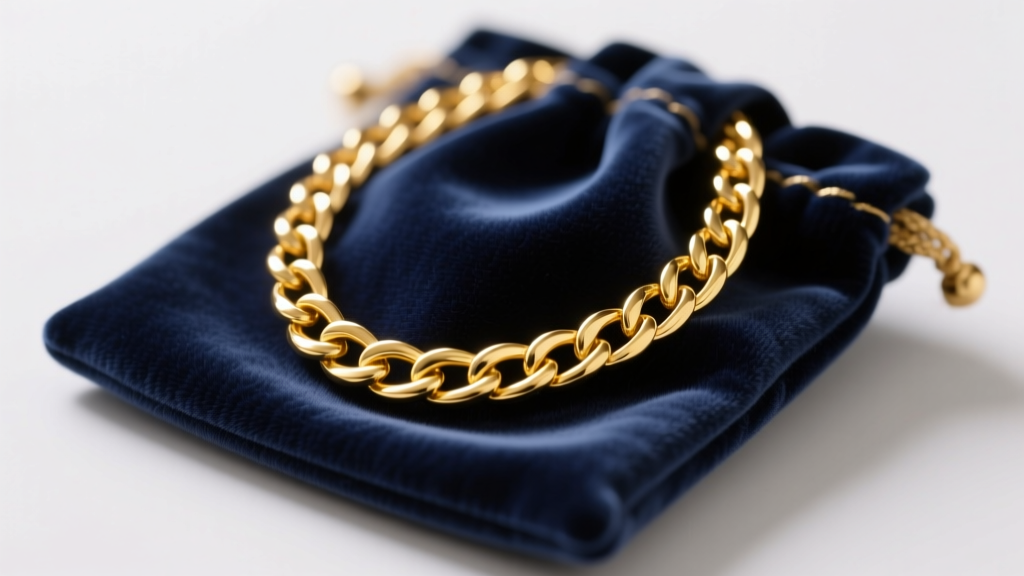
- Proper Storage: Never toss a worn necklace into a humid bathroom drawer. Store pieces in individual, airtight anti-tarnish velvet pouches with a small silica gel packet to control ambient moisture.
Troubleshooting Persistent Neck Irritation
Sometimes, despite impeccable cleaning routines and careful metal selection, a rash on neck from necklace wear persists. When this occurs, you must pivot from jewelry maintenance to dermatological troubleshooting.
'Patients often confuse allergic contact dermatitis with irritant contact dermatitis. If a rash persists for more than two weeks after removing the offending jewelry and initiating topical corticosteroid treatment, a patch test administered by a board-certified dermatologist is imperative to identify obscure allergens like cobalt or chromates used in metal finishing.' — National Institutes of Health (NIH) Contact Dermatitis Studies
If your skin is actively weeping, blistering, or hot to the touch, cease wearing all necklaces immediately. Wash the affected area with a gentle, fragrance-free cleanser (such as Cetaphil or Vanicream) and apply an over-the-counter 1% hydrocortisone cream to reduce acute inflammation. Once the skin has fully healed—which can take up to 21 days for severe contact dermatitis—reintroduce jewelry slowly. Start by wearing a verified Grade 23 titanium or solid 18k yellow gold pendant for just two hours a day, monitoring the skin's response before returning to your standard layering routines.
By understanding the chemical interactions between your skin's microbiome and your jewelry's metallurgy, you can permanently banish the rash on neck from necklace wear. Prioritize rigorous cleaning protocols, invest in biocompatible metals, and respect the delicate nature of your neckline skin to ensure your jewelry remains a source of joy, not irritation.


