The Ultimate Celine Necklace Care & Cleaning Guide
Preserve your luxury jewelry with our expert Celine necklace care guide. Learn precise cleaning, storage, and maintenance tips for plated brass and silver.

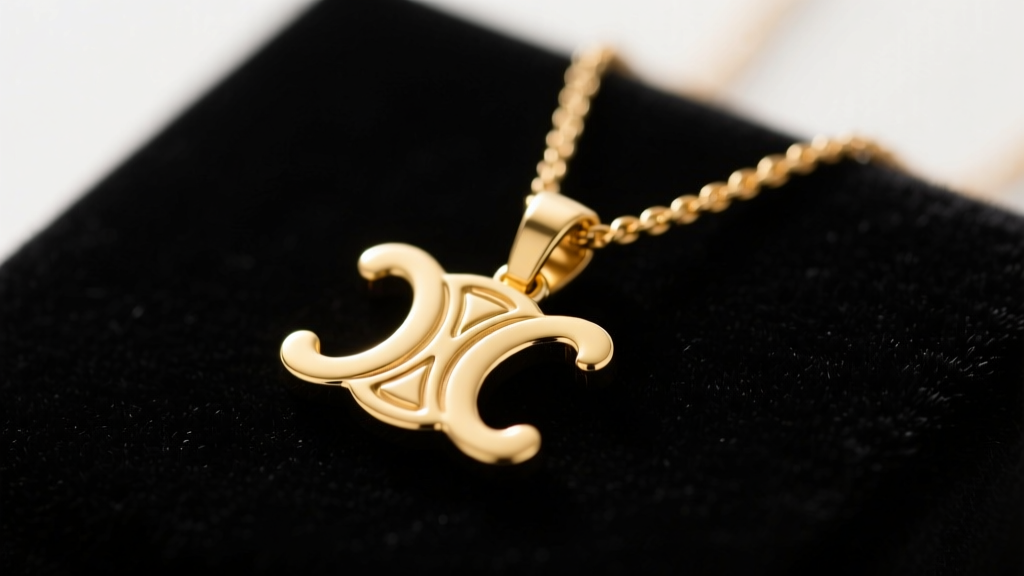
Owning a piece of luxury fashion jewelry is an investment in both craftsmanship and iconic design. In the current 2026 resale and archival market, pristine condition dictates value. If you own a vintage Triomphe necklace Celine produced in the early 2000s, or a contemporary Chain pendant from Hedi Slimane’s recent collections, you already know that these pieces are wearable art. However, maintaining the brilliant luster of a Celine necklace requires moving beyond generic jewelry cleaning advice. High-end fashion jewelry relies on specific metallurgical techniques—most notably, micron-thin plating over brass bases—that demand a highly specialized, conservative approach to maintenance.
This comprehensive guide details the exact material science behind your jewelry, providing a step-by-step cleaning protocol, environmental hazard avoidance, and advanced storage frameworks to ensure your pieces remain flawless for decades.
Understanding the Metallurgy of Celine Fashion Jewelry
Before applying any cleaning solution, you must identify the base metal and the surface treatment. Celine’s fashion jewelry (often referred to as bijoux) is predominantly crafted from solid brass or bronze, which is then electroplated with gold, silver, or palladium.
The Science of Flash Plating
Unlike solid 18k gold chains, Celine’s gold-toned hardware typically features a flash plating layer ranging from 0.5 to 2.5 microns thick. While this provides the breathtaking, high-polish mirror finish characteristic of the brand's Triomphe and Blake pendants, it also means the gold layer is microscopic. Aggressive polishing or chemical dips will strip this layer entirely, exposing the raw brass beneath and causing irreversible discoloration.
Sterling Silver and Enamel Accents
Some fine jewelry iterations and specific seasonal collections utilize solid 925 sterling silver or incorporate cold enamel detailing. Silver is prone to sulfur-induced tarnishing, while enamel can micro-fracture under thermal shock. According to conservation guidelines from the Victoria and Albert Museum, mixed-material jewelry must always be cleaned using the gentlest method required by its most delicate component.
The 4-Step Cleaning Protocol for Plated Brass
Forget commercial jewelry dips and ultrasonic machines. To safely remove sebum, cosmetic residue, and environmental dust from a gold-plated Celine necklace, follow this exact protocol endorsed by metallurgical conservators.
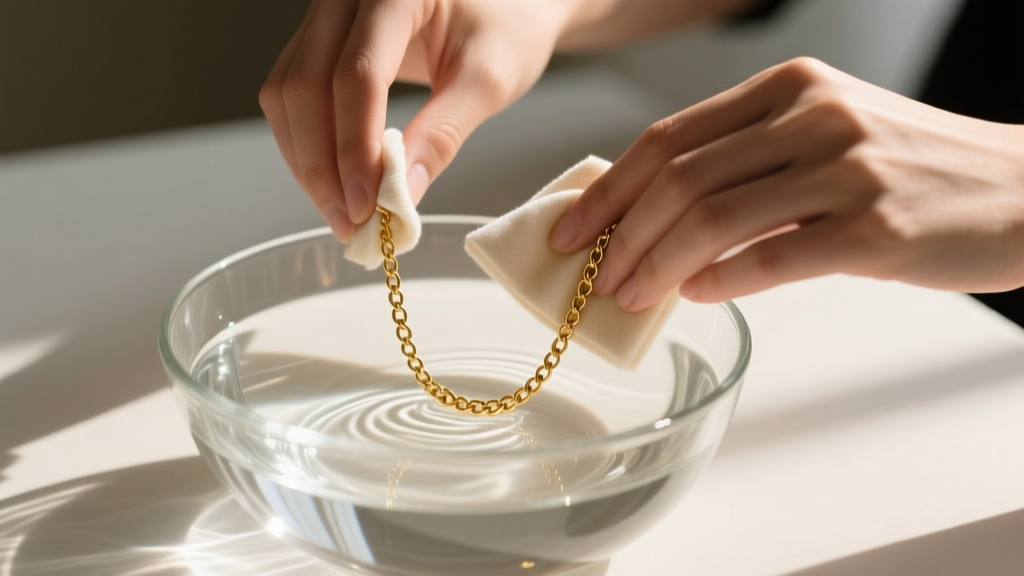
Step 1: Prepare a pH-Neutral Solution
Fill a glass bowl with distilled water (never tap water, as dissolved minerals and chlorine can cause micro-pitting in the plating). Add exactly two drops of a pH-neutral, lotion-free dish soap, such as original blue Dawn or Ivory. Swirl gently to create a mild sudsy solution.
Step 2: The Microfiber Wipe
Do not submerge the necklace for prolonged periods. Instead, dip a premium, lint-free microfiber cloth into the solution, wring it out until it is barely damp, and gently wipe the pendant and chain links. For intricate areas like the Triomphe logo crevices, use a dry, ultra-soft makeup brush to dislodge debris without scratching the gold micron layer.
Step 3: The Distilled Rinse
Dampen a second clean microfiber cloth with pure distilled water and wipe the necklace to remove any residual soap film. Soap residue can dry into a cloudy haze that mimics tarnish.
Step 4: Immediate Thermal Drying
Never allow a plated brass necklace to air-dry. Water spots will etch into the plating over time. Immediately pat the piece completely dry with a third, bone-dry microfiber cloth. Ensure no moisture remains trapped in the clasp mechanisms or jump rings.
Environmental Enemies: What to Strictly Avoid
Preventative care is vastly superior to reactive cleaning. The Gemological Institute of America (GIA) consistently warns against chemical exposures that degrade precious metal finishes. For Celine jewelry, the following hazards are catastrophic:
- Ultrasonic Cleaners: The high-frequency cavitation bubbles generated by ultrasonic machines will literally blast the 1-micron gold plating off the brass base. Never use them on fashion jewelry.
- Silver Dip and Tarnish Removers: These solutions contain thiourea and strong acids designed to strip silver sulfide. On gold-plated brass, they will cause immediate chemical burns, leaving a dull, pinkish, or muddy stain.
- Cosmetic Exposure: Perfumes, hairsprays, and body lotions contain alcohols and emulsifiers that break down plating. Always practice the 'Last On, First Off' rule: put your necklace on after your cosmetics have fully dried, and remove it before showering.
- Human Sebum and Sweat: Human sweat has a pH ranging from 4.5 to 7.0. The lactic acid and salts in sweat will rapidly corrode brass if left on the surface, leading to a greenish patina and plating degradation.
Advanced Storage Framework for Longevity
How you store your Celine necklace when it is not being worn is just as critical as how you clean it. Exposure to ambient humidity and airborne sulfur compounds accelerates tarnishing and plating oxidation.
| Material Type | Ideal Storage Vessel | Anti-Tarnish Requirement | Humidity Target |
|---|---|---|---|
| Gold-Plated Brass | Sealed Polyethylene Bag | 3M Anti-Tarnish Strip | Below 40% RH |
| 925 Sterling Silver | Pacific Silvercloth Pouch | Chalk or Silica Gel Pack | Below 35% RH |
| Enamel / Crystal | Individual Hardshell Box | None (Avoid chemical strips) | Below 50% RH |
The Polyethylene Rule
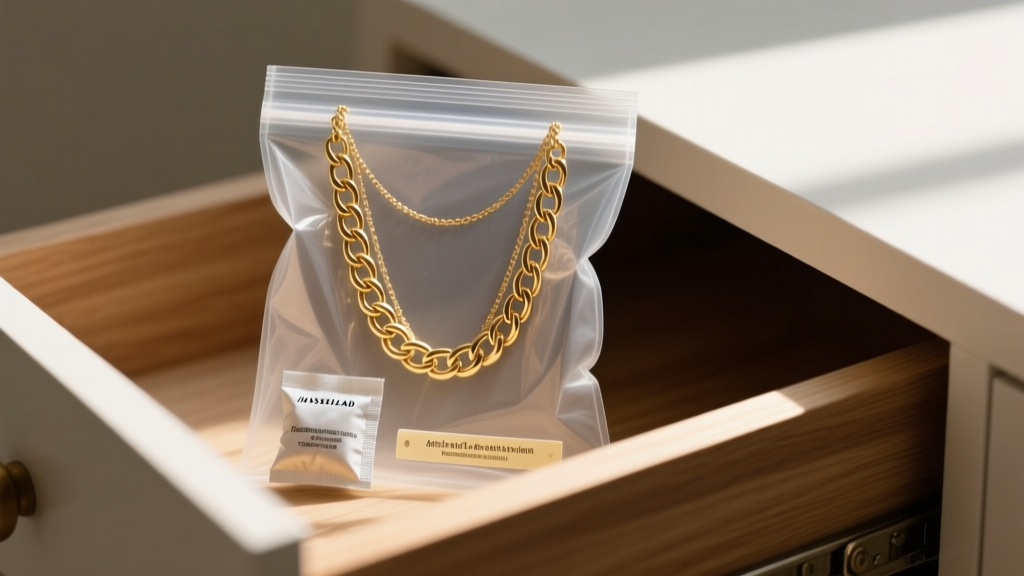
Never store your jewelry in the PVC (polyvinyl chloride) plastic bags often provided at retail checkout. PVC off-gases plasticizers and sulfur compounds that will permanently cloud and pit gold plating. Always transfer your necklace to an archival-safe, zip-seal Polyethylene (PE) bag.
Humidity and Sulfur Control
Place a small, color-indicating silica gel packet inside the polyethylene bag to absorb ambient moisture. For silver pieces, include a dedicated anti-tarnish strip (such as those manufactured by 3M), which absorbs airborne sulfur before it can react with the silver alloy. Replace these strips every six months.
When to Seek Professional Re-Plating
Despite meticulous care, daily friction against clothing and skin will eventually wear through the micron plating on high-contact areas like the back of the pendant or the clasp. When the underlying yellow-gold brass begins to show through, it is time for professional restoration.
Do not attempt to use liquid gold polish to 'fix' this; polish is abrasive and will only remove more of the surrounding plating. Instead, take the piece to a specialized jewelry electroplater. In 2026, professional re-plating for a standard fashion pendant typically costs between $75 and $150. The jeweler will gently strip the remaining original plating, polish the raw brass to a mirror finish, and apply a new, heavy layer of 2.5-micron 18k or 24k gold, effectively returning your Celine necklace to its original showroom glory.
Final Thoughts on Archival Preservation
Treating your luxury jewelry with the same respect as a museum artifact ensures it retains both its aesthetic brilliance and its financial value. By adhering to strict pH-neutral cleaning methods, avoiding ultrasonic hazards, and utilizing polyethylene storage with sulfur-absorbing strips, your Celine necklace will remain a flawless, iconic staple in your wardrobe for generations.


