2026 Gift Guide: How to Choose a Vintage Copper Necklace
Discover the ultimate 2026 gift guide for vintage copper necklaces. Learn how to match patinas, styles, and occasions for the perfect meaningful present.

The Shift Toward Heritage Gifting in 2026
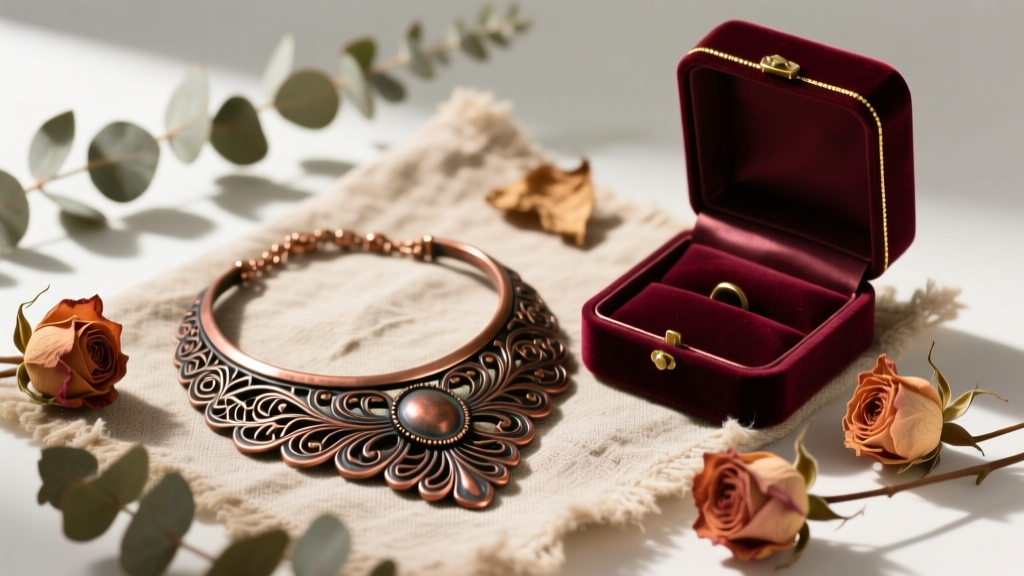
In the landscape of 2026 jewelry gifting, mass-produced fast fashion has taken a backseat to pieces with a pulse. Discerning gift-givers are seeking out items that carry historical weight, artisanal imperfections, and sustainable lifecycles. Enter the vintage copper necklace—a category that bridges the gap between affordable luxury and wearable art. Whether you are shopping for a milestone anniversary, a bohemian creative, or a minimalist professional, vintage copper offers a warmth and organic texture that precious metals like platinum or white gold simply cannot replicate.
Copper has been utilized in adornment for millennia, prized not only for its malleability but for its perceived metaphysical properties, including energy conductivity and grounding. When you gift a vintage copper piece, you are not just giving an accessory; you are gifting a tangible slice of history, from the hammer-marked Arts and Crafts revival pieces of the early 1900s to the sleek, modernist Taxco designs of the 1950s.
Decoding Copper Patinas: A Guide for Gift Buyers
The most critical factor in selecting a vintage copper necklace is understanding its patina—the surface oxidation that occurs over time. Unlike silver tarnish, which is often polished away, copper patina is frequently the defining characteristic of the piece's aesthetic and value. Here is a breakdown to help you match the finish to your recipient's lifestyle.
| Patina Type | Visual Profile | Maintenance Level | Best Recipient Profile |
|---|---|---|---|
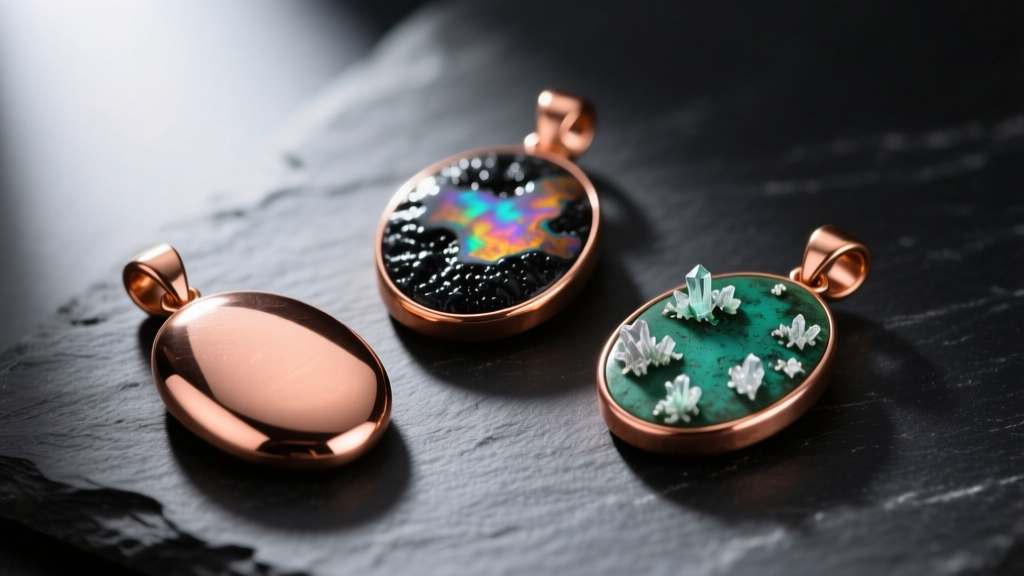
| Bright Polished | Shiny, rose-gold adjacent, highly reflective. | High (requires frequent polishing to maintain). | Traditionalists who prefer classic, gleaming jewelry. |
| Liver of Sulfur (Dark) | Deep browns, rich mahogany, or charcoal black. | Low (stable, hides fingerprints and minor scratches). | Edgy, modern, or gothic aesthetics; low-maintenance wearers. |
| Natural Age / Verdigris | Mottled greens, teals, and rusty oranges. | Delicate (must be kept dry to prevent flaking). | Collectors, historians, and bohemian spirits (display or occasional wear). |
Expert Warning: While verdigris (the green crusty oxidation) is visually stunning on antique artifacts, it can be toxic if it flakes onto the skin or is ingested. If gifting a piece with heavy verdigris, advise the recipient to wear it over clothing or seal it with a museum-grade wax.
Matching the Necklace to the Occasion
A vintage copper necklace is incredibly versatile, but specific eras and styles align beautifully with different gifting occasions.
Milestone Anniversaries: The Arts & Crafts Era (1900–1920)
For significant anniversaries, look for pieces from the Arts and Crafts movement. These necklaces are characterized by heavy-gauge copper (often 12-gauge or 2.0mm thick), hand-hammered textures, and floral or vine motifs. They were designed as a rebellion against the Industrial Revolution, meaning every hammer strike is a testament to human craftsmanship. Gifting an Arts and Crafts copper pendant symbolizes a relationship built on deliberate, hands-on effort and enduring strength.
Creative & Bohemian Spirits: 1970s Navajo-Inspired Inlays
If your recipient leans into festival culture, earthy aesthetics, or the arts, a 1970s vintage copper necklace featuring channel inlays of turquoise, lapis lazuli, or malachite is a phenomenal choice. These pieces often feature heavier, ornate link chains and large, statement-making pendants. They pair effortlessly with linen, denim, and layered bohemian wardrobes.
The Modern Professional: Mid-Century Taxco (1940s–1960s)
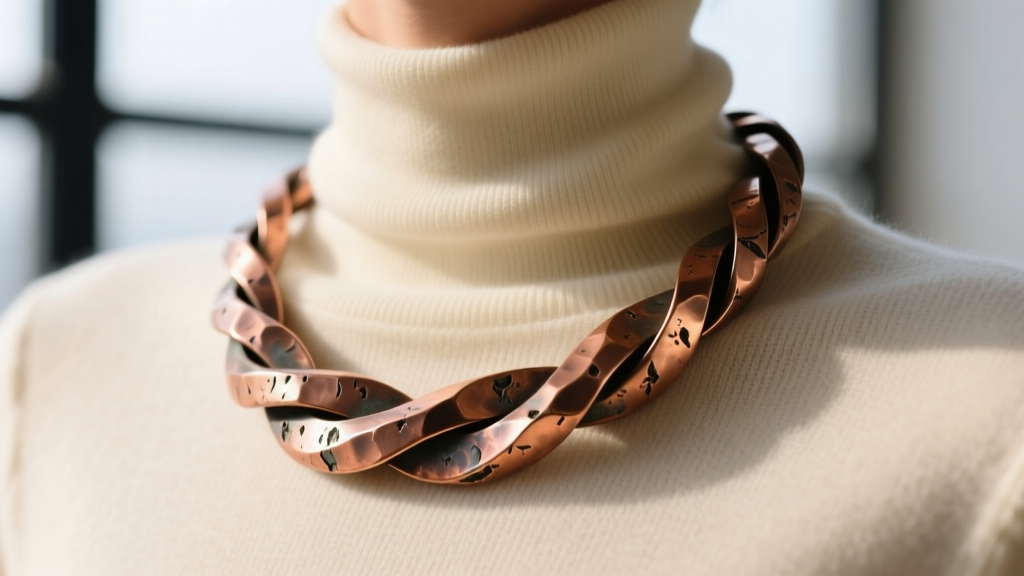
For the office worker or minimalist, seek out mid-century pieces from Taxco, Mexico. Masters like Hector Aguilar and the Los Castillo workshop revolutionized copper jewelry, treating it with the same reverence as sterling silver. Look for the iconic 'Taxco Eagle' assay marks on the clasp. These pieces feature sleek, geometric links, interlocking spheres, and modernist aztec motifs that sit elegantly against a silk blouse or a cashmere turtleneck.
Authenticating True Vintage vs. Artificially Oxidized Copper
The market is flooded with modern, mass-produced copper necklaces that have been artificially oxidized in a factory to mimic age. To ensure your gift is genuinely vintage, employ these three authentication techniques:
- The Smell Test: Genuine old copper has a very faint, sweet, metallic scent. Modern copper that has been chemically bathed to fake a patina often smells sharply acidic, like sulfur or pennies left in vinegar.
- Wear Patterns: Inspect the clasp, the jump rings, and the high-relief areas of the pendant. True vintage pieces will show microscopic friction wear where the metal has rubbed against skin or clothing over decades. Artificially aged pieces will have uniform oxidation even in deep, untouched crevices.
- Maker's Marks and Hallmarks: Use a jeweler's loupe to check the clasp. Mexican Taxco pieces will feature an Eagle mark (e.g., Eagle 1, Eagle 28) alongside a registration number. American Arts and Crafts pieces may feature the stamp of renowned studios like Gustav Stickley or Roycroft.
The 'Green Skin' Dilemma: Care and Gifting Etiquette
It is a well-documented chemical fact that copper reacts with the acids and salts in human sweat to form copper chelates, which leave a harmless but unsightly green or black stain on the skin. According to the American Academy of Dermatology, this is a surface reaction and not typically an allergic contact dermatitis, though those with highly acidic body chemistry will experience it more rapidly.
The Ultimate Gifting Hack: Do not let the fear of green skin deter you from gifting copper. Elevate your present by including a small tin of Renaissance Wax and a microfiber polishing cloth. Instruct the recipient to gently warm a tiny amount of the wax into the interior of the necklace or pendant. This museum-grade microcrystalline wax creates an invisible, breathable barrier that prevents the copper from reacting with the skin for months, without ruining the exterior patina.
2026 Pricing Tiers and Sourcing Guide
When budgeting for a vintage copper necklace, prices vary wildly based on provenance, condition, and the desirability of the maker. Here is what you should expect to pay in the current market:
- Entry-Level ($35 – $85): Unmarked mid-century copper chains, simple beaded copper chokers, and mass-produced 1970s tourist-trade pendants. Excellent for casual gifting or teenagers.
- Mid-Tier ($120 – $350): Verified Taxco pieces with Eagle marks, intricate repoussé work, and high-quality semi-precious stone inlays. This is the sweet spot for meaningful birthday or holiday gifts.
- Investment Grade ($400 – $1,200+): Rare Arts and Crafts era necklaces, documented pieces by Hector Aguilar or Margot de Taxco, and museum-quality enameled copper (plique-à-jour). Reserve these for major life milestones or serious jewelry collectors.
For sourcing, bypass generic antique malls and seek out specialized vintage jewelry dealers on platforms like 1stDibs, or reputable curated vintage sections on Etsy where sellers provide macro-photography of hallmarks and patina wear. By understanding the history, chemistry, and artistry behind these pieces, you transform a simple jewelry purchase into the gifting of a wearable heirloom.


