How to Shorten Necklace Temporarily for Perfect Gifting
Learn how to shorten necklace temporarily for any event. Discover damage-free methods to adjust gifted chains for perfect neckline matching.

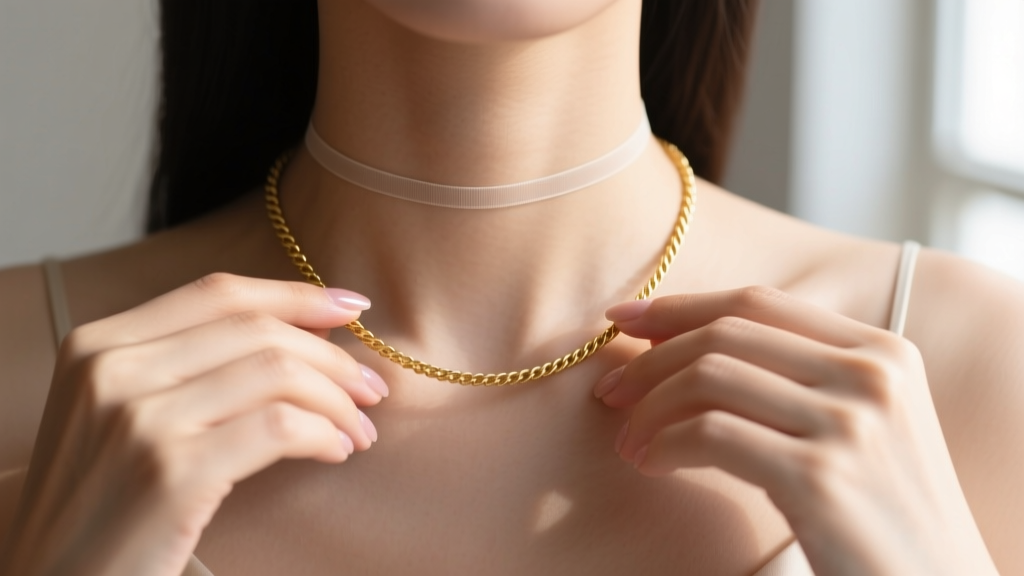
The Gifting Dilemma: When Length Ruins the Occasion
Gifting fine jewelry is a deeply personal gesture, but getting the chain length wrong is a remarkably common pitfall. A 20-inch princess chain might beautifully suit a casual V-neck, but it will completely disappear beneath the structured bodice of a formal wedding guest dress. Conversely, an 18-inch choker length might feel restrictive and visually clash with a high-collared winter gala outfit. When you receive a gifted necklace or need to adapt a piece for a specific event, knowing how to shorten necklace temporarily is an essential styling skill.
Rather than rushing to a jeweler for a permanent soldering job—which typically costs between $35 and $85 depending on the metal and chain complexity—you can utilize several damage-free, reversible techniques. These methods allow you to match your necklace to the occasion's dress code while preserving the structural integrity of the piece.
5 Damage-Free Methods to Shorten Necklace Temporarily
Not all chains are created equal. A 0.8mm delicate cable chain requires a vastly different approach than a 4.0mm solid Cuban link. Below are five expert-approved methods tailored to different chain weights and materials.
1. The Clear Elastic Band Trick (Best for Lightweight Chains)
For chains ranging from 0.7mm to 1.5mm in thickness, a 1mm clear craft elastic band is your best ally. Gather the excess chain at the nape of your neck, fold it into a small loop, and wrap the elastic tightly around the bundled links. Secure the loop to the main chain by slipping the elastic through a nearby link. Warning: Never use this on hollow chains or chains thinner than 0.7mm, as the localized tension can warp the delicate solder joints.
2. The Safety Pin & Jump Ring Method (Best for Medium Pendants)
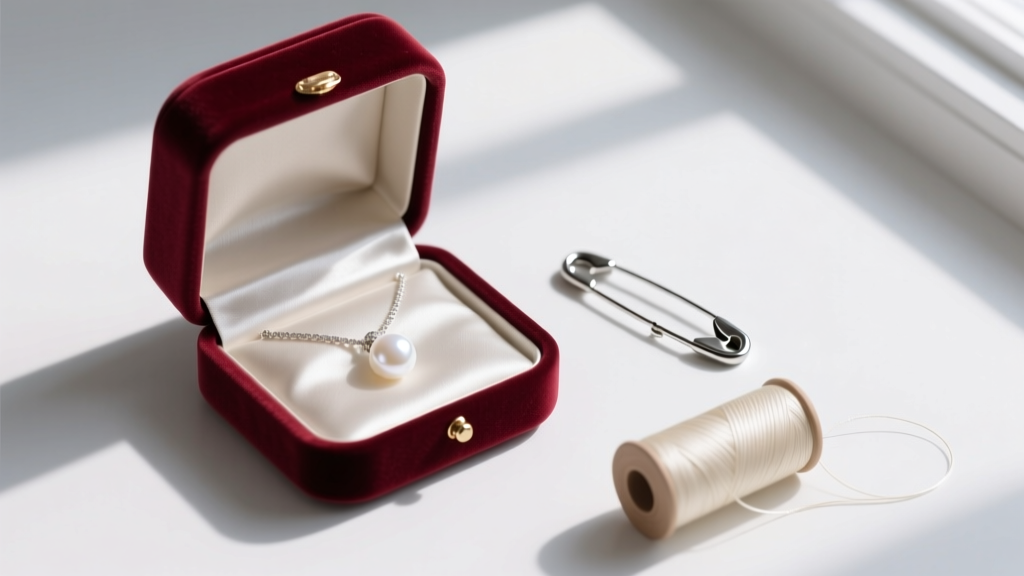
If you are wearing a medium-weight chain (1.5mm to 3.0mm) with a fixed pendant, folding the chain can cause the pendant to sit off-center. Instead, use a stainless steel, nickel-free safety pin (size 1 or 2). Pinch the excess chain at the desired length, fold it flat against the nape of your neck, and secure the fold with the safety pin. For a more polished look, slide a 4mm sterling silver jump ring through the folded links and attach it to the clasp.
3. The Silk Thread Weave (Best for Chunky Statement Pieces)
Chunky chains (3.0mm and above) are too rigid to fold or bunch. To shorten these temporarily, use a 2mm silk or nylon jewelry thread. Weave the thread in and out of the links at the back of the neck, pulling tightly to create a gathered 'ruched' effect. Tie off the thread with a secure surgeon's knot. This method distributes tension evenly across multiple links, preventing metal fatigue.
4. The Magnetic Clasp Converter (Best for Accessibility)
If you frequently need to adjust lengths for different necklines, invest in a magnetic necklace shortener. These devices feature two strong neodymium magnets encased in silicone or gold-plated brass. You simply loop the excess chain through the magnetic tube, which holds the bunched metal securely in place. They retail for $15 to $30 and are ideal for individuals with limited dexterity who struggle with traditional lobster clasps.
5. The Bobby Pin Slip-Knot (The Emergency 5-Minute Fix)
When you are already at the venue and realize the necklace is too long, a standard metal bobby pin can save the day. Loop the excess chain through the bobby pin, slide it up to the desired tension point, and weave the pin horizontally through the surrounding links to lock it in place. Hide the pin beneath your hair or collar.
Occasion Matching: Which Method to Use When
Matching your temporary shortening method to the formality of the event ensures your styling remains invisible and elegant. Use the framework below to select the right approach.
| Occasion | Typical Neckline | Chain Type & Gauge | Recommended Method |
|---|---|---|---|
| Black-Tie Gala | Sweetheart / Strapless | 1.2mm Rope Chain | Silk Thread Weave (Hidden) |
| Office / Corporate | Crew Neck / Button-Down | 2.0mm Box Chain | Magnetic Clasp Converter |
| Casual Brunch | V-Neck / Scoop | 0.9mm Cable Chain | Clear Elastic Band |
| Winter Formal | High Collar / Turtleneck | 3.5mm Figaro Chain | Safety Pin & Jump Ring |
Material Matters: What NOT to Do with Delicate Metals
Understanding metallurgy is crucial when manipulating jewelry. According to the Gemological Institute of America (GIA), the karat weight of gold significantly dictates its hardness and vulnerability to permanent deformation.
- 10k and 14k Gold: Alloyed with higher percentages of copper, silver, and zinc, these metals are relatively hard. They can withstand the gentle folding required for the safety pin or elastic band methods without permanent kinking.
- 18k and 24k Gold: With higher pure gold content, these chains are exceptionally soft. Bunching them tightly with elastic can permanently stretch the links, leading to structural failure over time.
- Sterling Silver (925): Prone to work-hardening. If you repeatedly bend a sterling silver snake chain in the exact same spot to shorten it, the metal will eventually become brittle and snap.
"The most common damage we see from DIY shortening is on herringbone and omega chains. These rely on a flat, continuous alignment of interlocking links. Folding them, even temporarily, breaks the internal tension and causes irreversible kinking. Never fold a herringbone chain." — Master Bench Jeweler
When to Stop DIY and See a Professional Jeweler
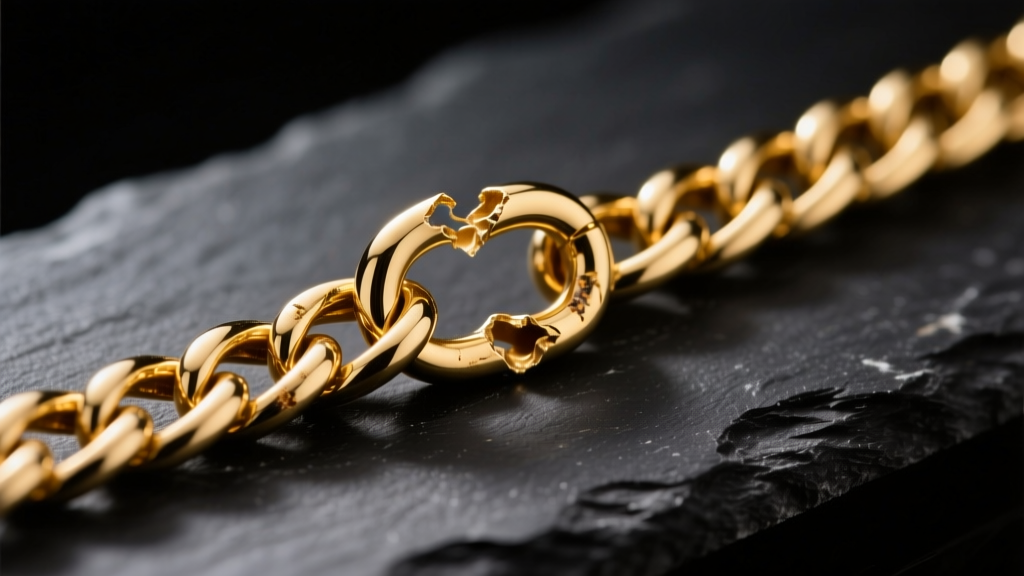
While temporary fixes are excellent for occasional wear, they are not permanent solutions. The Federal Trade Commission (FTC) advises consumers to be mindful of how jewelry modifications can affect long-term value and wearability. You should abandon temporary methods and seek professional soldering if:
- The chain is catching on your hair: Bunched links create jagged edges that act like microscopic hooks, tearing fine hair and damaging silk garments.
- You wear the piece daily: Constant friction from elastic bands or safety pins will eventually wear away the rhodium plating on white gold or scratch high-polish yellow gold.
- The clasp is bearing too much weight: If your temporary shortening method places excessive tension on a small lobster clasp, the spring mechanism will eventually fail, leading to the loss of the necklace.
Final Thoughts on Gifting the Perfect Fit
When gifting a necklace, the safest bet is to purchase a standard 18-inch chain and include a small, elegant gift card offering to cover the cost of professional resizing. However, if you are the recipient needing an immediate fix for a specific occasion, mastering these temporary shortening techniques ensures your jewelry complements your outfit flawlessly. By respecting the material limits of your chains and choosing the right method for the event, you can enjoy your gifted jewelry safely and stylishly.


