How to Style and Care for a Necklace with Green Stone
Learn how to choose, style, and clean your necklace with green stone. Expert guide on emerald, tsavorite, jade, and peridot settings.

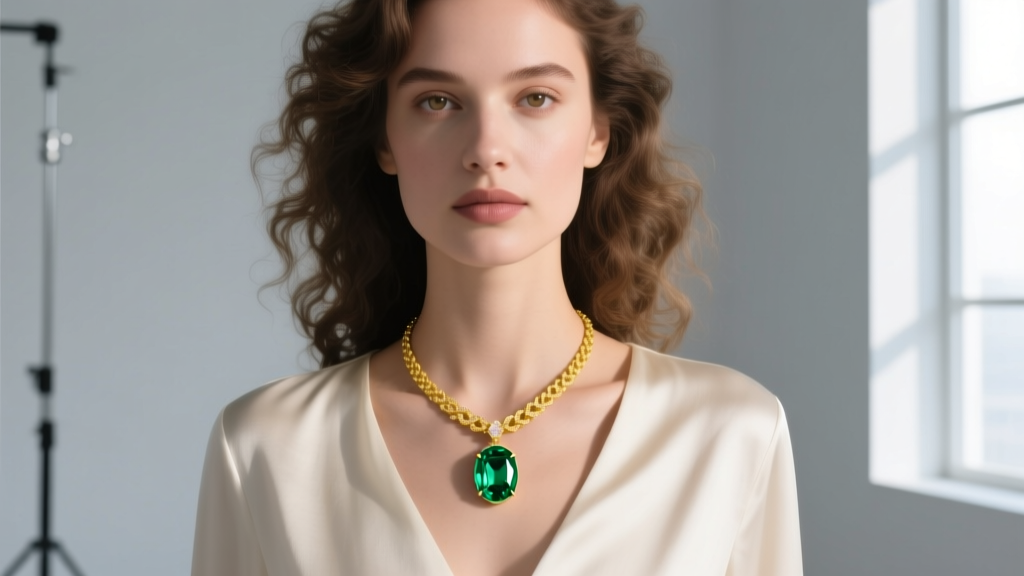
The Allure of Green Gemstones: A Gemological Approach
A necklace with green stone is more than just a vibrant accessory; it is a statement of vitality, nature, and refined taste. However, navigating the world of green gemstones requires a solid understanding of gemology, metallurgy, and structural durability. Unlike diamonds, which possess uniform hardness and toughness, green gemstones range from the brittle, inclusion-heavy emerald to the virtually indestructible nephrite jade. Choosing the right piece means balancing the Mohs hardness scale, crystal structure, and optical properties with your daily lifestyle. This comprehensive, step-by-step guide will teach you how to select, style, and maintain your green stone jewelry with professional precision.
Step 1: Select the Right Green Stone for Your Lifestyle
The first step in acquiring the perfect necklace with green stone is identifying which gemstone aligns with your wear-and-tear expectations and budget. Green stones vary wildly in their chemical composition and structural integrity. According to the Gemological Institute of America (GIA), understanding a stone's 'toughness' (resistance to breaking and chipping) is just as critical as its 'hardness' (resistance to scratching).
- Emerald (Beryl): Famous for its deep, velvety green hue caused by chromium and vanadium. While it ranks 7.5 to 8 on the Mohs scale, its natural inclusions (known as 'jardin') make it inherently brittle. It requires a protective lifestyle and careful handling.
- Tsavorite Garnet: A grossular garnet that rivals the emerald in color but boasts superior toughness and brilliance. It is completely untreated, making it a dream for gemologists and daily wearers alike. It ranks 7 to 7.5 on the Mohs scale.
- Peridot (Olivine): Known for its distinct yellowish-green, lime hue. It is an idiochromatic gem (colored by its essential chemical makeup, iron). Ranking 6.5 to 7, it is prone to scratching and thermal shock, making it better for occasional wear.
- Jade (Jadeite and Nephrite): While nephrite ranks lower on the Mohs scale (6 to 6.5), its interlocking fibrous crystal structure gives it exceptional toughness, making it highly resistant to chipping and ideal for carved pendants.
Gemstone Comparison Chart: Durability and Pricing
| Gemstone | Mohs Hardness | Toughness | Avg. Price Range (per carat) | Ideal Setting |
|---|---|---|---|---|
| Emerald | 7.5 - 8.0 | Poor (Brittle) | $1,500 - $10,000+ | Bezel or V-Prong |
| Tsavorite | 7.0 - 7.5 | Good | $800 - $3,000 | 4-Prong or 6-Prong |
| Peridot | 6.5 - 7.0 | Fair | $50 - $150 | Bezel or Halo |
| Jadeite | 6.5 - 7.0 | Exceptional | $100 - $5,000+ | Cabochon Bezel |
Step 2: Match the Metal Alloy to the Stone's Undertone
The metal you choose for your necklace with green stone will drastically alter the gem's visual temperature and saturation. Gemstones possess distinct undertones that react differently to light reflection off various metal alloys.
18k Yellow Gold: Composed of 75% pure gold, this alloy emits a warm, rich glow. It is the traditional and most flattering pairing for emeralds and jade, as the yellow undertones amplify the deep, verdant greens of the stone, creating a classic, vintage-inspired aesthetic.
Platinum and 14k White Gold: These white metals provide a stark, icy contrast. Platinum is highly recommended for tsavorite garnet. The cool, mirror-like finish of platinum bounces light back through the tsavorite, enhancing its high refractive index (1.74) and making the green appear electric and highly saturated.
14k Rose Gold: The copper content in rose gold sits opposite green on the color wheel. This creates a striking complementary contrast that makes the yellowish-green hues of peridot or light green tourmaline visually 'pop' against the skin.
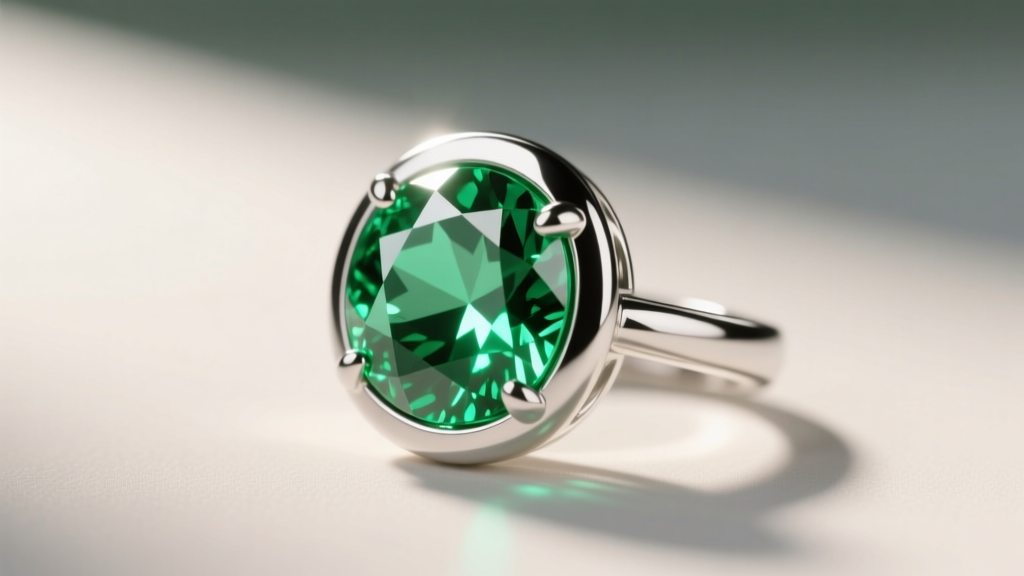
Step 3: Choose a Protective Setting Based on Hardness
A beautiful stone is useless if it chips on the first day of wear. The setting of your pendant must be engineered to protect the specific vulnerabilities of the gemstone.
Bezel vs. Prong Settings
If you are purchasing an emerald, you must prioritize corner protection. Emeralds are typically cut in an 'emerald cut' (rectangular with stepped facets), which leaves the four corners highly exposed to impact. A bezel setting (where a continuous metal rim surrounds the girdle of the stone) or a V-prong setting** (where V-shaped metal caps the corners) is non-negotiable for daily wear. Conversely, a tsavorite garnet, which is usually cut in oval or round brilliant shapes and lacks cleavage planes, can be safely secured in a delicate 4-prong setting, allowing maximum light exposure from the sides.
Step 4: Styling Your Necklace with Green Stone by Neckline
Styling a green pendant requires an understanding of proportions and chain lengths. The vibrant color draws the eye immediately, so placement is key to framing the face and complementing your wardrobe.
- The V-Neckline (18-Inch Princess Length): An 18-inch chain with a single, solitaire green stone pendant perfectly mirrors the geometry of a V-neck shirt or dress. The pendant should rest exactly one inch above the apex of the V-neck to elongate the neck without cluttering the fabric.
- The Scoop Neck (16-Inch Choker Length): Scoop necklines leave a wide expanse of collarbone exposed. A 16-inch choker featuring a cluster of smaller green stones (like peridot or chrome diopside) or a horizontal bar necklace fills this space elegantly without competing with the garment's hemline.
- The Turtleneck (20 to 24-Inch Matinee/Opera Length): Dark, solid turtlenecks (black, navy, or charcoal) act as a blank canvas. A 24-inch opera-length chain featuring a large, statement-sized carved jade or emerald pendant creates a sophisticated, high-fashion layering effect that draws the eye vertically.
- The Collared Button-Down (16 to 18-Inch Delicate Chain): For professional environments, a micro-pave green stone pendant on a delicate 16-inch cable chain worn tucked just inside the collar provides a subtle flash of color that remains office-appropriate.
Step 5: Professional and At-Home Cleaning Protocols
Maintaining the brilliance of your necklace with green stone requires strict adherence to gem-specific cleaning protocols. The most common mistake jewelry owners make is treating all gems like diamonds.
Expert Warning: Never place an emerald, peridot, or jade pendant in an ultrasonic cleaner. Ultrasonic waves and heat can strip the cedar oils used to fracture-fill emeralds, leaving them cloudy and heavily fractured. It can also shatter peridot due to thermal shock.
According to GIA's official gem care guidelines, the safest and most effective at-home cleaning method for almost all green gemstones involves the following steps:
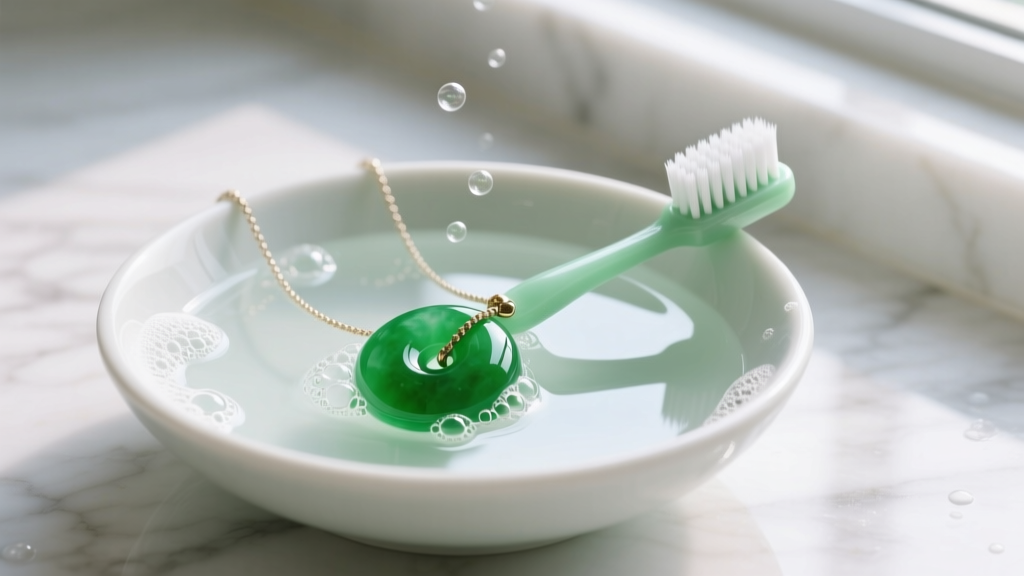
- Prepare a Solution: Mix lukewarm (never hot) distilled water with a few drops of mild, phosphate-free dish soap in a glass bowl.
- Soak Briefly: Submerge the pendant for 3 to 5 minutes to loosen body oils, lotions, and environmental dust. (Note: Skip soaking for porous or heavily oiled stones like low-grade turquoise or heavily treated emeralds; just wipe them).
- Agitate Gently: Use a brand-new, ultra-soft baby toothbrush to gently sweep behind the stone and along the setting's prongs or bezel rim, where grime accumulates and blocks light return.
- Rinse and Dry: Rinse under a gentle stream of lukewarm water (ensure the drain is plugged!). Pat dry with a lint-free microfiber cloth. Do not use paper towels, as their wood fibers can scratch softer stones like peridot and jade.
Final Thoughts on Green Stone Investment
Selecting the ideal necklace with green stone is a rewarding process that blends personal style with geological appreciation. By prioritizing structural toughness, matching metal undertones to the gem's optical properties, and adhering to strict, non-abrasive cleaning routines, your green gemstone pendant will remain a vibrant, heirloom-quality staple in your wardrobe for decades to come. Whether you opt for the untamed luxury of an emerald or the indestructible brilliance of a tsavorite, your choice reflects a deep appreciation for the earth's most captivating colors.


