Princess of Wales Heart Necklace: Sourcing, Care & Repairs
Discover expert troubleshooting for the Princess of Wales heart necklace. Learn to identify sapphire treatments, fix loose halos, and source quality homages.

The Legacy and the Homage Market
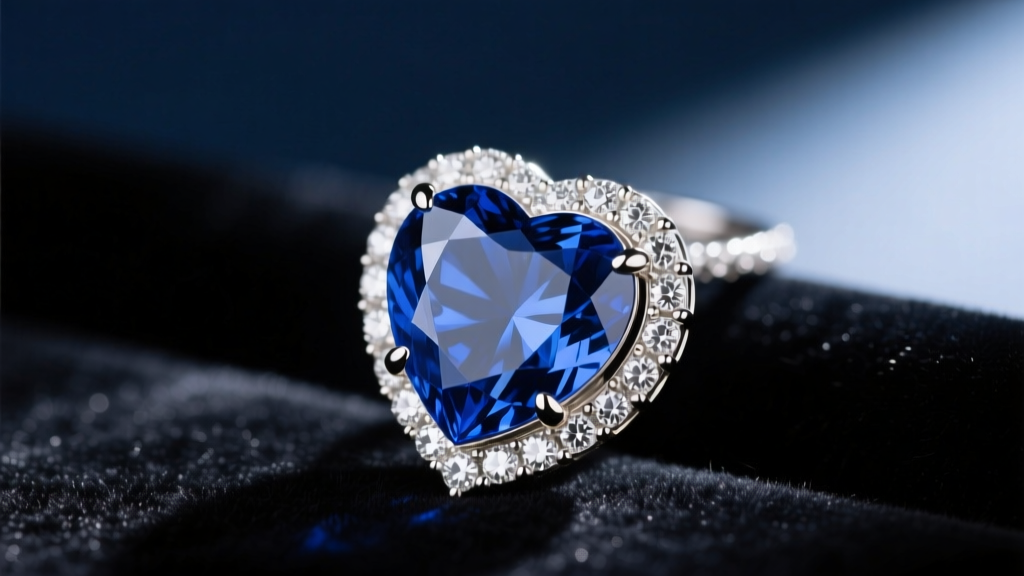
The iconic Princess of Wales heart necklace, most notably seen adorning the neck of Catherine, Princess of Wales, features a breathtaking Ceylon sapphire heart encircled by a brilliant diamond halo. Originally a cherished piece from the late Diana, Princess of Wales, this specific design has sparked a massive market for homage pieces, replicas, and vintage-inspired sapphire pendants. However, the transition from royal vault to everyday wear introduces a unique set of gemological and structural challenges. Whether you are troubleshooting a vintage inheritance, repairing a high-end bespoke tribute, or maintaining a mass-market replica, understanding the failure modes of sapphire heart pendants is critical. In this comprehensive guide, we dissect the most common issues plaguing the Princess of Wales heart necklace and its homages, offering actionable, expert-level solutions for stone clarity, prong degradation, and chain friction.
Decoding Sapphire Treatments in Tribute Pieces
When evaluating any sapphire pendant inspired by royal jewelry, the most pervasive issue is undisclosed gemstone treatment. The original royal jewels feature unheated or traditionally heated Ceylon sapphires, prized for their velvety cornflower blue saturation. However, the modern homage market is flooded with fracture-filled sapphires. According to the Gemological Institute of America (GIA), lead-glass fracture filling is a bulk treatment used to improve the apparent clarity of heavily included, low-grade corundum. These stones are highly unstable. If your Princess of Wales heart necklace replica suddenly appears cloudy, or if the surface exhibits a dull, web-like texture, it is likely fracture-filled. Exposure to mild acids—even the citric acid in lemon juice or certain commercial jewelry cleaning solutions—can etch the glass filler, leaving the stone permanently damaged. Furthermore, placing a fracture-filled sapphire in an ultrasonic cleaner will almost certainly cause the stone to shatter due to the high-frequency vibrations exploiting the internal glass matrix.
| Treatment Type | Market Price/Carat | Ultrasonic Safe? | Steam Safe? | Common Failure Mode |
|---|---|---|---|---|
| Unheated (Ceylon) | $3,000 - $15,000+ | Yes | Yes | Chipping at girdle |
| Traditionally Heated | $800 - $4,000 | Yes | Yes | Color fading (rare) |
| Beryllium Diffused | $150 - $600 | Yes | Yes | Surface recutting exposes pale core |
| Fracture Filled (Lead Glass) | $10 - $50 | No | No | Clouding, acid etching, shattering |
Troubleshooting Structural Failures
The Diamond Halo Looseness Issue
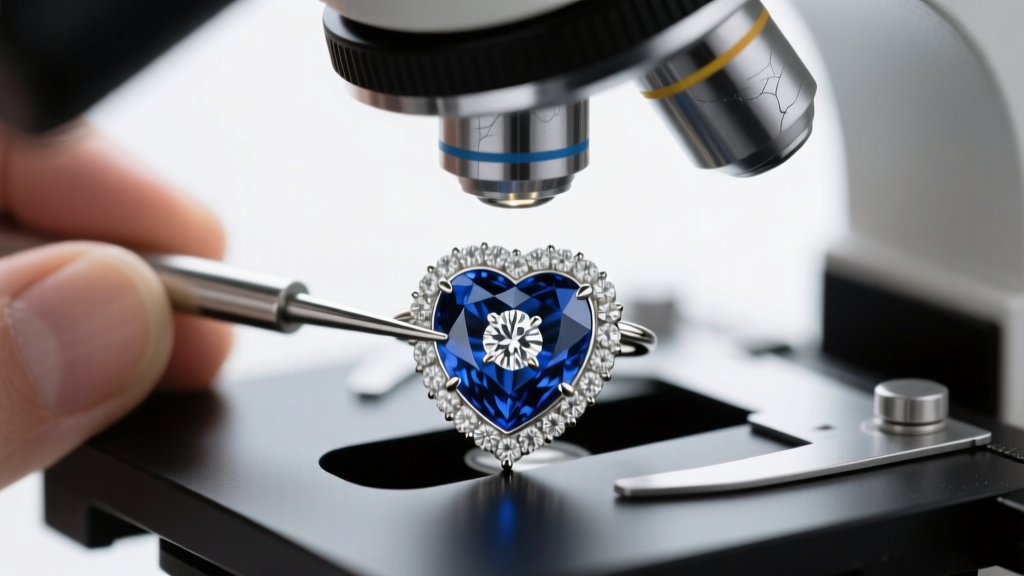
The diamond halo surrounding the central sapphire heart is a hallmark of the Princess of Wales design, but it is also a primary site for structural failure. Many commercial replicas utilize shared-prong settings to minimize metal weight and maximize diamond visibility. While aesthetically pleasing, shared prongs in 14k or 18k white gold are highly susceptible to wear. White gold is an alloy that relies on rhodium plating for its bright white appearance. As the rhodium wears away, the underlying alloy is exposed to friction and environmental acids, leading to microscopic metal loss. Over three to five years of daily wear, the prongs securing the 1.5mm to 2.0mm melee diamonds can thin to the point of failure. If you notice a rattling sound when tapping the pendant, or if the halo diamonds appear uneven, immediate professional intervention is required. A master jeweler will use a microscope to assess the prong thickness. For long-term durability, we recommend having the halo re-tipped using platinum wire. Platinum’s superior tensile strength and malleability allow the jeweler to burnish the metal securely over the diamond girdles without the risk of snapping, a common failure mode when re-tipping aged white gold.
Bail Friction and Chain Snapping
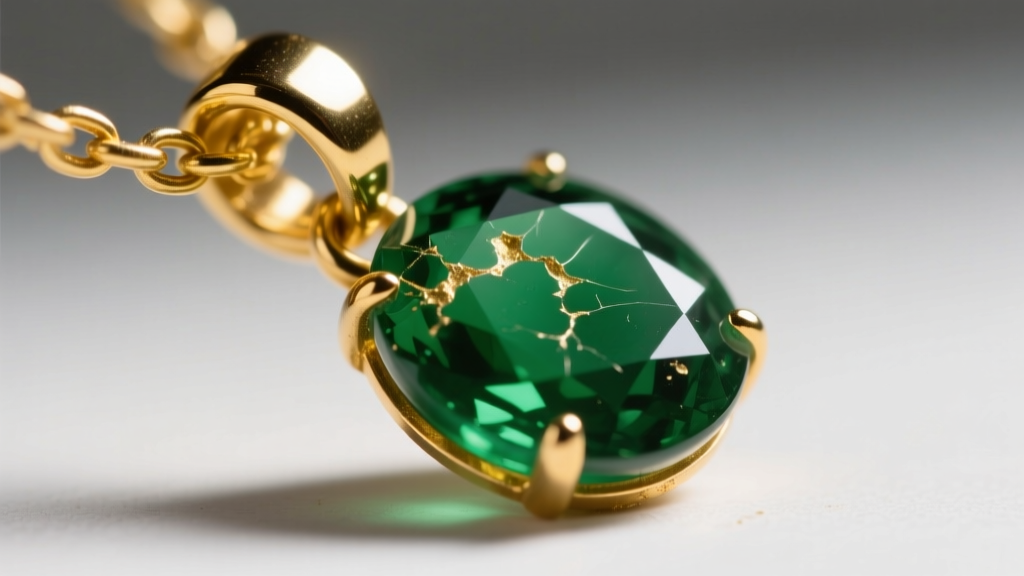
A frequent point of catastrophic failure in heavy pendants is the bail and its connection to the chain. A fully realized Princess of Wales heart necklace homage, featuring a 4-carat sapphire and a 1-carat total weight diamond halo, can easily weigh between 10 and 14 grams. When suspended from a delicate 1mm cable chain, the bail acts as a pendulum. The constant kinetic friction between the hard sapphire and diamond assembly and the soft gold chain jump ring acts like a microscopic saw. Over time, the jump ring will thin and eventually snap, resulting in the loss of the pendant. To troubleshoot and prevent this, the bail must be proportionate to the pendant's mass. We recommend upgrading to a solid cast bail with an inner diameter of at least 2.5mm and a metal thickness of 1.5mm. Furthermore, the chain must be upgraded. Abandon delicate cable or curb chains in favor of a 2.0mm to 3.0mm wheat chain, box chain, or rope chain. These weaves distribute the dynamic load across multiple interlocking links, drastically reducing the shear stress on the bail jump ring. According to GIA treatment disclosure guidelines and general jewelry trade standards, ensuring mechanical compatibility between the pendant weight and chain tensile strength is just as vital as verifying gemstone authenticity.
Professional Cleaning and Maintenance Protocols
Maintaining the brilliance of a sapphire and diamond heart pendant requires a strict, methodical cleaning protocol. Never use steam cleaners or ultrasonic machines unless you possess a recent, independent gemological laboratory report (such as GIA or AGL) explicitly stating that the sapphire is unheated or only traditionally heated. For routine maintenance, prepare a solution of lukewarm distilled water and a few drops of ammonia-free, phosphate-free dish soap. Submerge the pendant for ten minutes to loosen sebum and cosmetic buildup from beneath the diamond halo. Using an extra-soft baby toothbrush, gently agitate the pavilion (the underside) of the sapphire and the backs of the melee diamonds. Sapphires possess a Mohs hardness of 9, making them highly resistant to scratching, but the diamond halo and metal settings require gentle handling to avoid bending delicate prongs. Rinse thoroughly under a gentle stream of tepid water, ensuring the drain is securely plugged, and pat dry with a lint-free microfiber cloth. Avoid using tissue paper or cotton balls, as their fibers can snag on the halo prongs and pull them away from the stones.
Sourcing a High-Quality Tribute Piece
If you are in the market to commission or purchase a high-quality tribute piece, demand absolute transparency from the jeweler. A true homage to the Princess of Wales heart necklace should feature a Ceylon sapphire with a vivid, medium-dark tone and high saturation, avoiding the inky, over-dark stones often sourced from Australian or Thai basaltic deposits. Insist on a setting crafted in platinum or 18k palladium white gold, which offers superior prong longevity without the need for frequent rhodium replating. The diamond halo should consist of VS1 or VS2 clarity melee diamonds in the G to H color range, ensuring they do not overpower the central sapphire's blue hue. Finally, verify that the jeweler provides a comprehensive warranty that covers prong re-tipping and bail reinforcement for the first five years of wear. By prioritizing structural engineering and gemological integrity over mere visual approximation, you can secure a breathtaking sapphire heart pendant that honors royal heritage while standing up to the rigors of modern, everyday wear.


