Puca Necklace Value Guide: Pricing Real Shells vs Fakes
Discover the true value of a puca necklace. Learn how to price real puka shells, spot cheap plastic fakes, and budget for authentic Hawaiian jewelry.

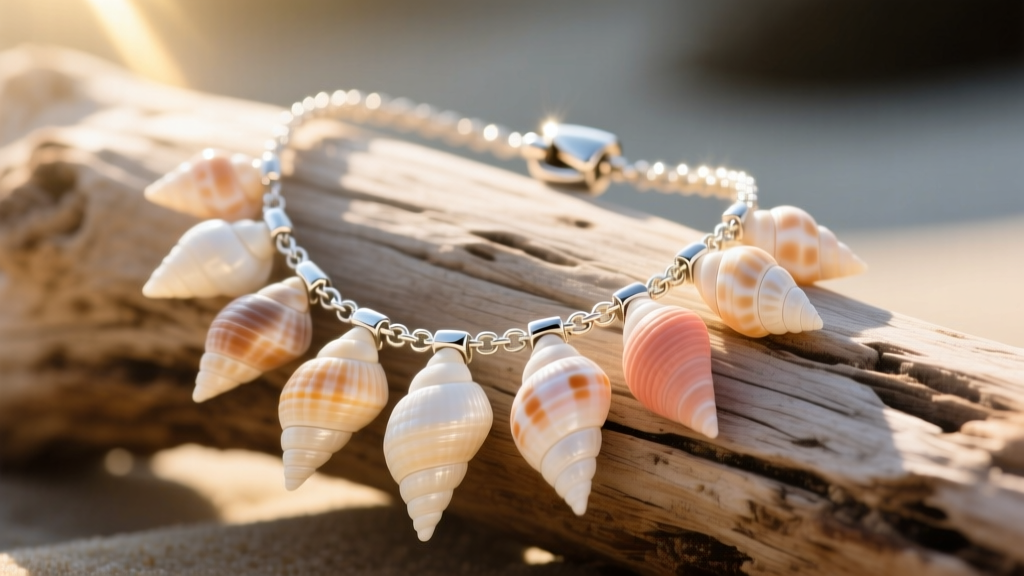
When shopping for coastal or surf-inspired jewelry, the puca necklace remains a timeless staple. However, the market is currently flooded with mass-produced imitations that dilute the value and cultural significance of this iconic accessory. Whether you are a collector of organic gems or simply looking for a durable everyday piece, understanding the true market value of these shell necklaces is critical to making a smart purchase. In this comprehensive budget and value assessment, we break down exactly what you should be paying, how to authenticate genuine shells, and where cheap alternatives fail over time.
The "Puca" vs. Puka Distinction: What Are You Actually Buying?
Before assessing the budget, we must address the terminology. The term "puca" is a common phonetic misspelling of puka, the Hawaiian word meaning "hole." Traditionally, a genuine puka necklace is crafted from the naturally occurring, cone-shaped apex of the Conus miliaris shell, which is tumbled by the ocean until a natural hole forms in the center. According to the Bernice Pauahi Bishop Museum, authentic Hawaiian shell lei and puka jewelry hold deep cultural significance, representing a connection to the ocean and requiring immense labor to harvest and match.
When you search for a "puca necklace" online, you will encounter two vastly different product categories: authentic, naturally formed cone shells, and mass-produced flat heishi shells or dyed howlite beads that have been artificially drilled and tumbled. The value discrepancy between these two categories is massive, and understanding this distinction is the first step in protecting your budget.
Real vs. Fake: The Value Assessment Checklist
To determine if the price tag on a puca necklace is justified, you must first verify the material. The Gemological Institute of America (GIA) classifies shells as organic gems, noting that their calcium carbonate composition requires specific identification techniques to separate from synthetic imitations.
1. Shape and Symmetry
Genuine Conus miliaris puka shells are naturally asymmetrical. One side is slightly convex (rounded), while the other is concave (curved inward). If the shells in the necklace are perfectly flat, uniform in thickness, or perfectly round, you are looking at heishi shells or stamped plastic. True puka shells are shaped like tiny cones or donuts with uneven edges.
2. The Hole (Puka)
In an authentic piece, the hole is naturally formed by ocean tumbling. It will rarely be perfectly centered or perfectly circular. Conversely, fake puka necklaces feature laser-drilled or machine-punched holes that are dead-center and uniformly cylindrical. 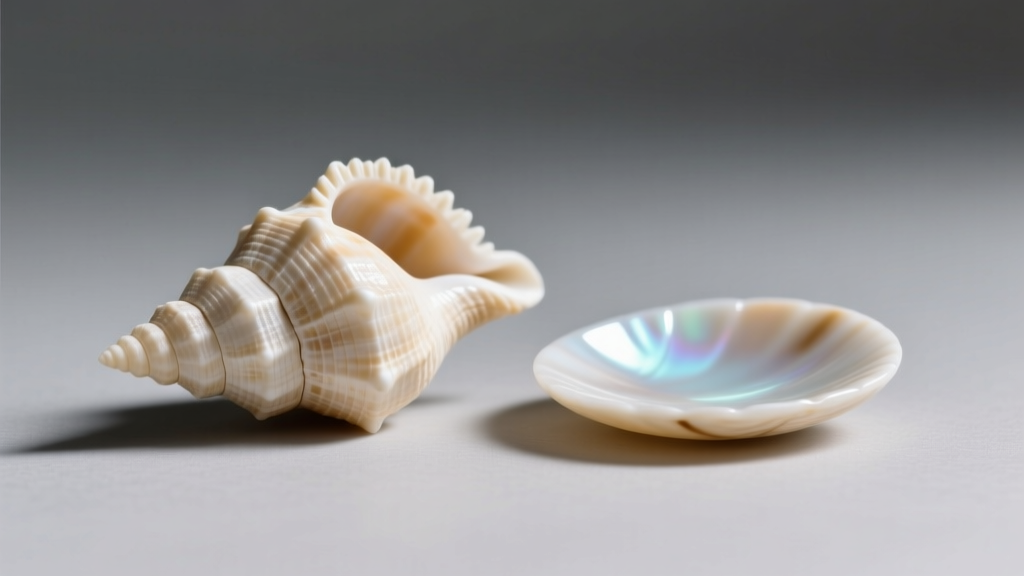
3. The Tooth Test and Temperature
Because real shells are made of calcium carbonate, they feel cool to the touch and take time to warm up against the skin. Plastic or resin imitations will immediately feel room-temperature or warm. Furthermore, gently tapping real shells together produces a distinct, dense "clinking" sound, whereas plastic yields a dull thud.
2026 Pricing Tiers: Budgeting for Your Necklace
The price of a genuine puca necklace is dictated by the size of the shells, the difficulty of matching their natural gradients, and the quality of the hardware. Below is a structured breakdown of what you should expect to pay in the current market.
| Quality Tier | Shell Material & Size | Hardware & Stringing | Price Range | Value Verdict |
|---|---|---|---|---|
| Budget / Fast Fashion | Dyed howlite, plastic, or flat heishi (6mm-8mm) | Base metal clasps, elastic or cheap nylon cord | $15 - $35 | Poor long-term value. Materials degrade, clasp tarnishes quickly. |
| Mid-Range Authentic | Genuine Conus shells, smaller sizes (8mm-10mm) | 925 Sterling Silver clasps, braided nylon or silk | $65 - $140 | Excellent value for daily wear. Authentic materials with decent hardware. |
| Premium / Artisan | Matched genuine cones, large sizes (12mm-15mm+) | 14k Gold-filled or Solid Gold, hand-knotted Serafil | $180 - $450+ | High investment value. Large shells are rare; premium hardware ensures longevity. |
Why Size Dictates the Price
The most common mistake buyers make is assuming all real puka shells are priced equally. Finding naturally tumbled Conus miliaris shells larger than 12mm with intact structural integrity is increasingly rare due to over-harvesting and environmental changes. A necklace featuring matched 14mm authentic shells will easily cost three to four times more than an 8mm strand, simply due to the scarcity of the raw organic material.
Hidden Costs: Hardware and Stringing Failure Modes
A major factor in the budget assessment of any shell jewelry is the structural integrity of the assembly. Shells are relatively soft on the Mohs hardness scale (rating around 3.0 to 4.0). This means the edges of the shell holes can act like tiny, dull knives against the stringing material over time.
Stringing Materials
- Silk Thread: Traditional but highly susceptible to fraying from the abrasive edges of the shell. Requires re-stringing every 1-2 years.
- Braided Nylon / Serafil: The industry standard for high-quality puka necklaces. It resists abrasion, does not stretch, and handles water exposure well.
- Beading Wire (Tiger Tail): Offers high tensile strength but lacks the drape of thread, making the necklace stiff and prone to kinking.
Clasp Metallurgy
Many mid-tier necklaces fail not because the shells break, but because the hardware corrodes. Base metals or low-grade alloys will oxidize rapidly when exposed to saltwater, sweat, and sunscreen. When evaluating a puca necklace priced over $80, insist on 925 sterling silver, 14k gold-filled, or solid gold hardware. According to Jewelers of America, proper metal stamping and alloy mixing are essential for jewelry that is meant to be worn in active, outdoor environments.

Care and Maintenance: Protecting Your Investment
To ensure your budget is well-spent, you must account for the ongoing maintenance of organic calcium carbonate gems. Shells are highly reactive to acids. Everyday substances like citrus juice, vinegar, chlorine from swimming pools, and even the natural lactic acid in human sweat can slowly dissolve the polished outer layer of the shell, leaving it dull, chalky, and brittle.
Actionable Care Framework:
- The "Last On, First Off" Rule: Always put your necklace on after applying sunscreen, perfume, and hair products. Remove it before showering or swimming.
- Rinsing: If worn in the ocean or during heavy sweating, rinse the necklace briefly in fresh, lukewarm water and pat dry with a microfiber cloth.
- Storage: Store flat in a soft pouch. Hanging heavy shell necklaces for long periods can put undue stress on the stringing material near the clasp.
Final Verdict: Is a Puca Necklace Worth the Investment?
If you are strictly looking for a seasonal fashion accessory, a $25 imitation heishi or howlite "puca" necklace will suffice, provided you accept that it holds zero intrinsic value and will likely degrade within a single summer. However, if you value heritage, organic beauty, and long-term durability, budgeting between $80 and $150 for a genuine, mid-sized Conus miliaris necklace with sterling silver hardware is a highly rewarding investment. By knowing how to inspect the shape, verify the hole, and assess the stringing material, you can confidently navigate the market and secure a piece of coastal history that will last for decades.


