The Beginner's Guide to the Shell and Bead Necklace
Discover how to choose, style, and care for a shell and bead necklace. Learn about authentic materials, stringing durability, and neckline pairings.

Introduction to the Coastal Staple
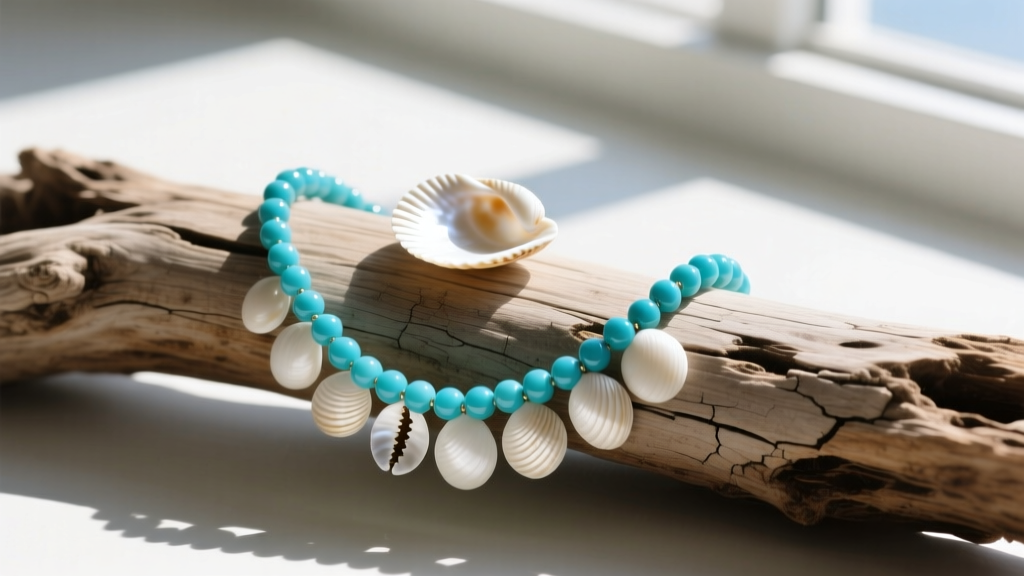
The shell and bead necklace has transcended its origins as a simple beachside souvenir to become a calculated, versatile staple in modern jewelry wardrobes. Whether you are drawn to the relaxed 'coastal grandmother' aesthetic or the eclectic layering trends of boho-chic styling, understanding the anatomy of this accessory is crucial. For beginners, navigating the market can be tricky; the difference between a durable, artisan-crafted piece and a mass-produced item that snaps after one wear lies in the materials and construction. This guide breaks down everything you need to know about selecting, styling, and maintaining a high-quality shell and bead necklace.
Decoding Materials: Real Shells vs. Synthetic Imitations
The foundation of any shell and bead necklace is, naturally, the shell. However, not all shells are created equal. Understanding the biological and structural differences will help you invest in pieces that last. According to the Gemological Institute of America (GIA), organic gems like shells are primarily composed of calcium carbonate, making them inherently softer and more porous than traditional gemstones.
The Shell Spectrum
- Puka Shells: Naturally occurring cone shells that wash up on beaches, featuring a naturally formed hole (puka means 'hole' in Hawaiian). They are incredibly durable, thick, and perfect for everyday wear.
- Cowrie Shells: Known for their smooth, glossy, porcelain-like finish. Because they are hollow and delicate, they require precision drilling. If the edges of the drill hole are rough, they will eventually cut through the stringing material.
- Mother of Pearl (Nacre): The iridescent inner layer of certain mollusks. It is beautiful but brittle, ranking only a 2.5 to 3.0 on the Mohs hardness scale. It requires careful handling to prevent chipping.
- Conch Shells: Prized for their natural pink and peach hues. Authentic conch is heavy and porous, often requiring a light resin coating by jewelers to prevent staining from skin oils.
Bead Pairings That Elevate the Design
To balance the organic, matte texture of shells, designers pair them with specific beads. Czech fire-polished glass beads (typically 2mm to 4mm) add a subtle, sophisticated sparkle without overpowering the natural shell. Miyuki seed beads offer uniform precision, creating a seamless, flexible drape. For a more earthy look, amazonite or turquoise matrix beads provide a striking color contrast against white or cream shells.
The Anatomy of a Durable Necklace: Stringing Matters
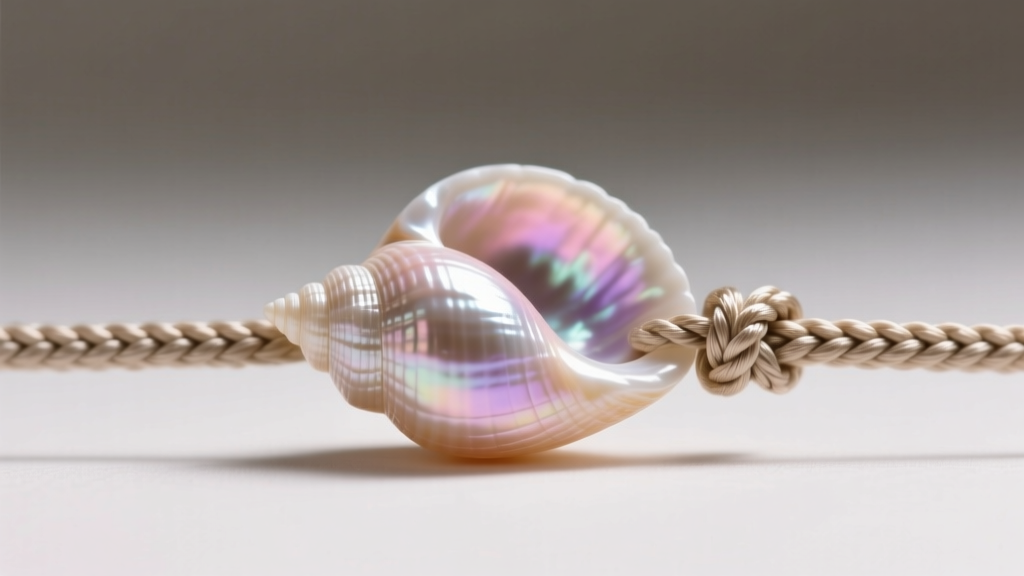
The most common failure point in a shell and bead necklace is the stringing material. Beginners often assume that because shells are lightweight, any thread will suffice. This is a critical mistake. Shells have sharp, unpolished edges around their drill holes that act like microscopic saws against weak threads. Furthermore, human sweat is mildly acidic and will degrade natural fibers over time.
Expert jewelry makers rely on advanced synthetic materials. As detailed in the technical guides by Fire Mountain Gems, choosing the right tensile strength and flexibility is paramount for the longevity of your necklace.
| Stringing Material | Thickness / Gauge | Best Use Case | Durability Rating |
|---|---|---|---|
| Silk Thread | Size F or G | Traditional pearl knotting (Avoid for sharp shells) | Low |
| Braided Nylon (e.g., WildFire) | 0.008" to 0.014" | Seed beads, lightweight cowrie, and puka shells | High |
| Coated Stainless Steel Wire | 49-strand, 0.018" | Heavy glass beads mixed with large conch shells | Very High |
| Elastic Cord | 0.8mm to 1.0mm | Stretch bracelets (Never use for necklaces) | Very Low |
Pro Tip: If you are buying a handmade shell and bead necklace, look for pieces strung on thermally fused nylon or 49-strand flexible wire. If the piece is knotted between every bead (like a pearl necklace), ensure the artisan has used synthetic knotting cord rather than traditional silk, which will rot when exposed to summer humidity and sunscreen.
Styling Framework: Necklines and Occasions
Styling a shell and bead necklace is all about balancing proportions and contrasting textures. The organic, casual nature of the shell needs to be anchored by the right clothing silhouette. Here is a practical framework for pairing your necklace with different necklines:
- The 16-Inch Choker Length: Best paired with off-the-shoulder tops, boat necks, or deep scoop necks. This length draws the eye directly to the collarbone. It works exceptionally well for beach weddings or casual summer evenings.
- The 18-Inch Princess Length: The most versatile option. It rests perfectly on the clavicle and pairs beautifully with crisp white linen button-downs (left slightly unbuttoned) or classic V-neck t-shirts. The contrast between the structured cotton and the organic shell is a hallmark of elevated resort wear.
- The 24-Inch Opera Length: Ideal for layering or wearing over high-necked garments like turtlenecks or heavy knit sweaters in transitional weather. An opera-length shell necklace breaks up the visual weight of dark winter fabrics, adding a touch of unexpected warmth.

The Art of Layering
If you want to integrate a shell and bead necklace into a modern, layered stack, follow the 'Rule of Three and Texture Mixing'. Start with a delicate 14-inch gold or silver chain close to the neck. Add your 18-inch shell and bead necklace as the textured centerpiece. Finish with a 22-inch chain featuring a single, solid gemstone or metal pendant to draw the eye downward. Never layer a shell necklace with another heavy, beaded strand of the exact same length, as they will tangle and scratch one another.
Care and Maintenance: Protecting Calcium Carbonate
Because shells are organic and porous, they require specific care routines that differ vastly from metal or faceted gemstone jewelry. Calcium carbonate is highly reactive to acids. This means everyday items like perfume, hairspray, citrus-based lotions, and even your natural sweat can slowly dissolve the polished outer layer of the shell, leaving it dull and chalky.
Daily Wear Rules: Always put your shell and bead necklace on after applying cosmetics, perfumes, and sunscreens. Remove it before swimming in chlorinated pools or the ocean, as salt and chemicals will degrade both the shell and the stringing material.
Cleaning Protocol: Never use ultrasonic cleaners, steam cleaners, or commercial jewelry dips. To clean your necklace, simply wipe the shells gently with a soft, slightly damp microfiber cloth. If they are heavily soiled, use a drop of mild, pH-neutral dish soap on the cloth, but avoid soaking the necklace in water, which can weaken the stringing knots.
Storage: Store your necklace flat in a soft pouch away from direct sunlight. Prolonged UV exposure can cause natural white shells to yellow and pink conch shells to fade. Keep them separate from harder gemstones (like diamonds or sapphires) which will easily scratch the shell's delicate surface.
Final Thoughts
A well-crafted shell and bead necklace is an investment in timeless, relaxed elegance. By prioritizing authentic materials, demanding high-quality stringing techniques like braided nylon, and following a mindful care routine, you can ensure your piece remains a vibrant part of your wardrobe for years to come. Whether you are walking along the coast or navigating a city lunch, the right shell and bead necklace brings an effortless, grounded energy to any ensemble.


