A Beginner Guide to Different Types of Chain Necklaces
Explore the different types of chain necklaces. Learn about link anatomy, gauge sizes, metal grades, and durability to choose your perfect piece.

Introduction to Chain Anatomy
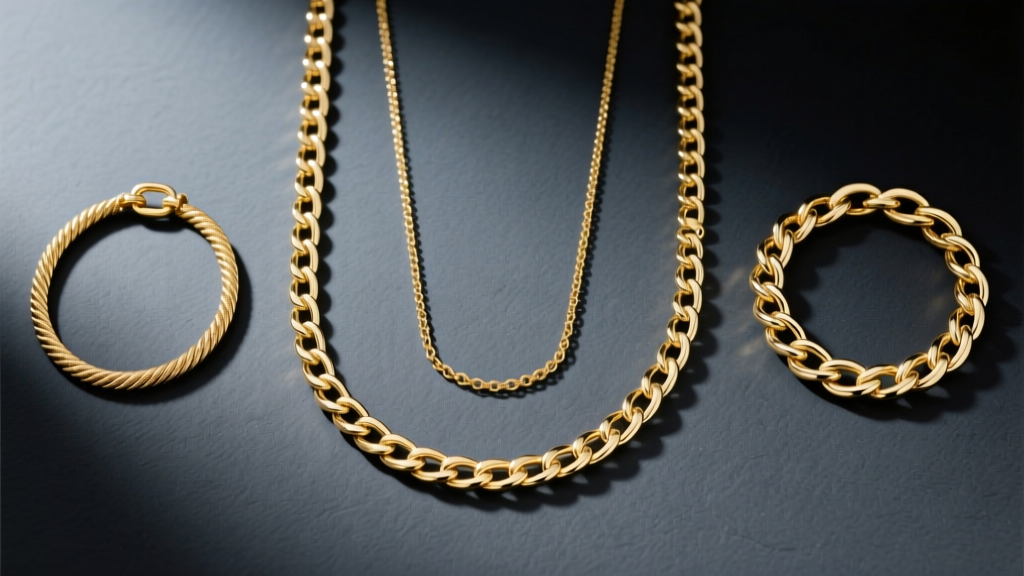
When shopping for fine jewelry, understanding the different types of chain necklaces is the first step toward building a versatile, long-lasting collection. A chain is not merely a string of metal; it is an engineered sequence of interlocking links designed to balance tensile strength, flexibility, and light reflection. For beginners, the sheer volume of terminology can be overwhelming. However, every chain can be broken down into three core anatomical features: gauge, link structure, and clasp mechanism.
Gauge refers to the thickness of the metal wire used to form the links, measured in millimeters (mm). A delicate 0.8mm to 1.2mm chain is ideal for lightweight pendants but highly susceptible to snapping if snagged. A medium 1.5mm to 3.0mm gauge offers the best compromise for daily wear, while anything above 4.0mm serves as a standalone statement piece. Furthermore, the clasp dictates security. Spring ring clasps are inexpensive but difficult to operate and prone to spring failure, whereas lobster claw clasps provide a secure, self-closing mechanism that withstands daily tension.
The Core Link Families Explained
The visual and structural identity of a chain is determined by its link family. While there are dozens of niche variations, the market is dominated by five primary architectures, each with distinct wear characteristics.
Cable and Curb Chains
The cable chain is the most traditional design, featuring uniform oval links connected in a simple, continuous sequence. While classic, its weak point lies in the single soldered joint on each link; if the solder fails, the chain separates cleanly. The curb chain evolves this concept by taking oval links, twisting them, and flattening them so they interlock tightly against the chest. This flattening process work-hardens the metal, making curb chains significantly more resistant to pulling and stretching than standard cable chains.
Figaro and Rope Chains
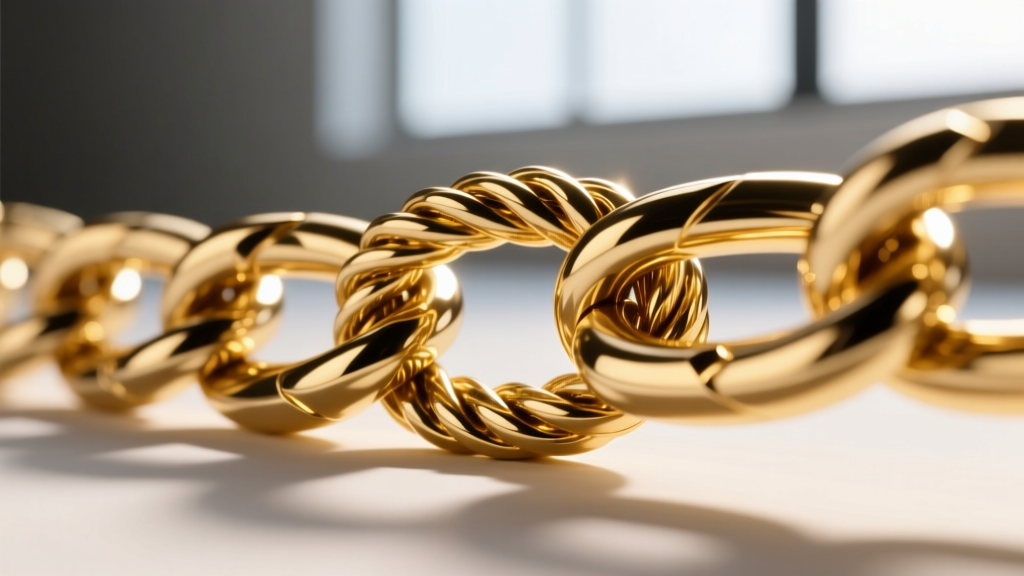
Originating in Italy, the Figaro chain is a specialized curb variation characterized by a repeating pattern of three short links followed by one elongated link. This creates a rhythmic visual texture that catches the light dynamically. Rope chains, on the other hand, are constructed by twisting small metal links into a spiraling, double-helix pattern. This mimics the look of woven fiber and offers exceptional brilliance. However, buyers must be wary of hollow rope chains, which are notoriously fragile.
Box and Wheat Chains
Box chains are built from square, geometric links that create a smooth, continuous, and modern silhouette. Wheat chains (also known as Spiga chains) feature oval links woven in the same direction, creating a braided, three-dimensional texture that resembles stalks of wheat. Wheat chains are widely considered one of the most durable styles due to their multi-directional link weaving, which distributes tension evenly across the entire length of the necklace.
Durability and Common Failure Modes
Not all chains age gracefully. Understanding the specific failure modes of different link structures will save you from costly repairs and irreversible damage. Below is a comparative framework to help you evaluate structural integrity.
| Chain Style | Tensile Strength | Kink Resistance | Repairability | Primary Failure Mode |
|---|---|---|---|---|
| Curb | High | Excellent | Easy | Link stretching over decades |
| Box | Low to Medium | Poor | Difficult | Stress fractures at 90-degree corners |
| Rope (Solid) | Medium | Medium | Very Difficult | Solder joints melt, ruining the twist pattern |
| Rope (Hollow) | Very Low | Extremely Poor | Impossible | Crushing and permanent kinking |
| Wheat | Very High | Excellent | Moderate | Clasp detachment (chain rarely breaks) |
As noted by jewelry metallurgists, box chains suffer heavily from stress fractures because the sharp 90-degree angles of the square links create rigid stress points when bent. Conversely, rope chains are a jeweler's nightmare to repair; applying a torch to solder a broken rope chain often melts the surrounding intricate twists, leaving a visible, stiff, and discolored knot.
Material Grades: What You Are Actually Buying
The metal composition is just as critical as the link structure. According to the FTC Jewelry Guides, specific terminology must be met for a piece to be marketed under certain metal grades. Here is what you need to know when evaluating materials:
- 925 Sterling Silver: Composed of 92.5% pure silver and 7.5% copper alloy. The copper provides necessary hardness but reacts with sulfur in the air, causing tarnish. It requires regular polishing with a microfiber cloth.
- Gold Vermeil: Unlike standard gold plating (which can be a microscopic flash over brass), true vermeil must feature a sterling silver base coated with a minimum of 2.5 microns of solid gold. It offers a luxurious look but will eventually wear down to the silver base with daily friction.
- Solid 14k Gold: As detailed in the GIA Gem Encyclopedia, 14k gold contains 58.5% pure gold, alloyed with metals like zinc, nickel, or copper. This specific ratio provides the optimal balance of rich color and structural durability, making it the gold standard for heirloom-quality chains that will never tarnish or flake.
The Pendant Pairing Framework
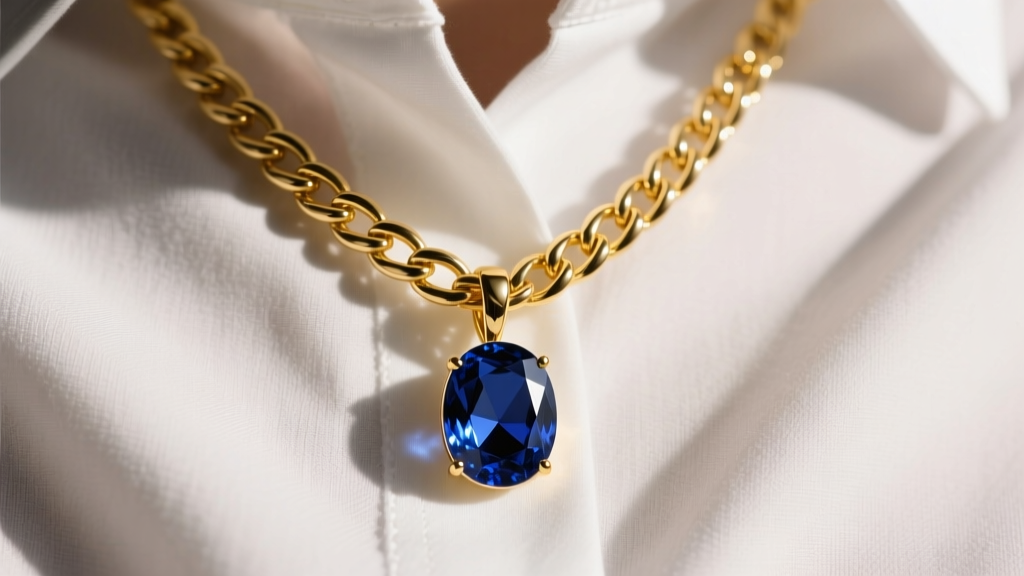
A common beginner mistake is pairing a heavy pendant with a delicate chain, or a lightweight charm with a bulky chain. The structural relationship between the chain gauge and the pendant bail (the loop that connects the pendant to the chain) is critical for preventing metal-on-metal friction wear.
Use this practical decision framework when styling your jewelry:
- The Bail-to-Gauge Ratio: The inner diameter of the pendant bail must be at least 0.5mm larger than the chain gauge. For example, a 2.0mm chain requires a bail with a minimum 2.5mm inner diameter. If the fit is too tight, the constant friction will act like a saw, eventually cutting through the chain links.
- Weight Distribution: Pendants weighing over 5 grams require a minimum 2.0mm gauge chain. Using a 1.0mm cable chain for a heavy gemstone pendant will cause the chain to stretch and permanently deform at the nape of the neck, where the tension is highest.
- Visual Balance: For standalone wear without pendants, textured chains like Figaro or Rope in the 2.5mm to 4.0mm range provide enough visual weight to anchor an outfit. Smooth chains like Box or Cable in the same thickness can appear overly industrial and are better suited for layering.
Maintenance and Longevity
To maximize the lifespan of your chain necklaces, proper storage and maintenance are non-negotiable. Never sleep in your chains; the lateral pressure of your body weight against a mattress can easily crush hollow links or kink delicate box chains. Store each chain individually in a soft pouch or hang it vertically to prevent the links from tangling and knotting. When untangling a knot, avoid pulling the ends tighter. Instead, lay the chain flat on a table, apply a drop of baby oil or mineral oil to the knot to reduce friction, and use two fine sewing needles to gently work the links apart from the center outward. By respecting the engineering behind the different types of chain necklaces, you ensure your pieces remain beautiful, secure, and structurally sound for decades.


